

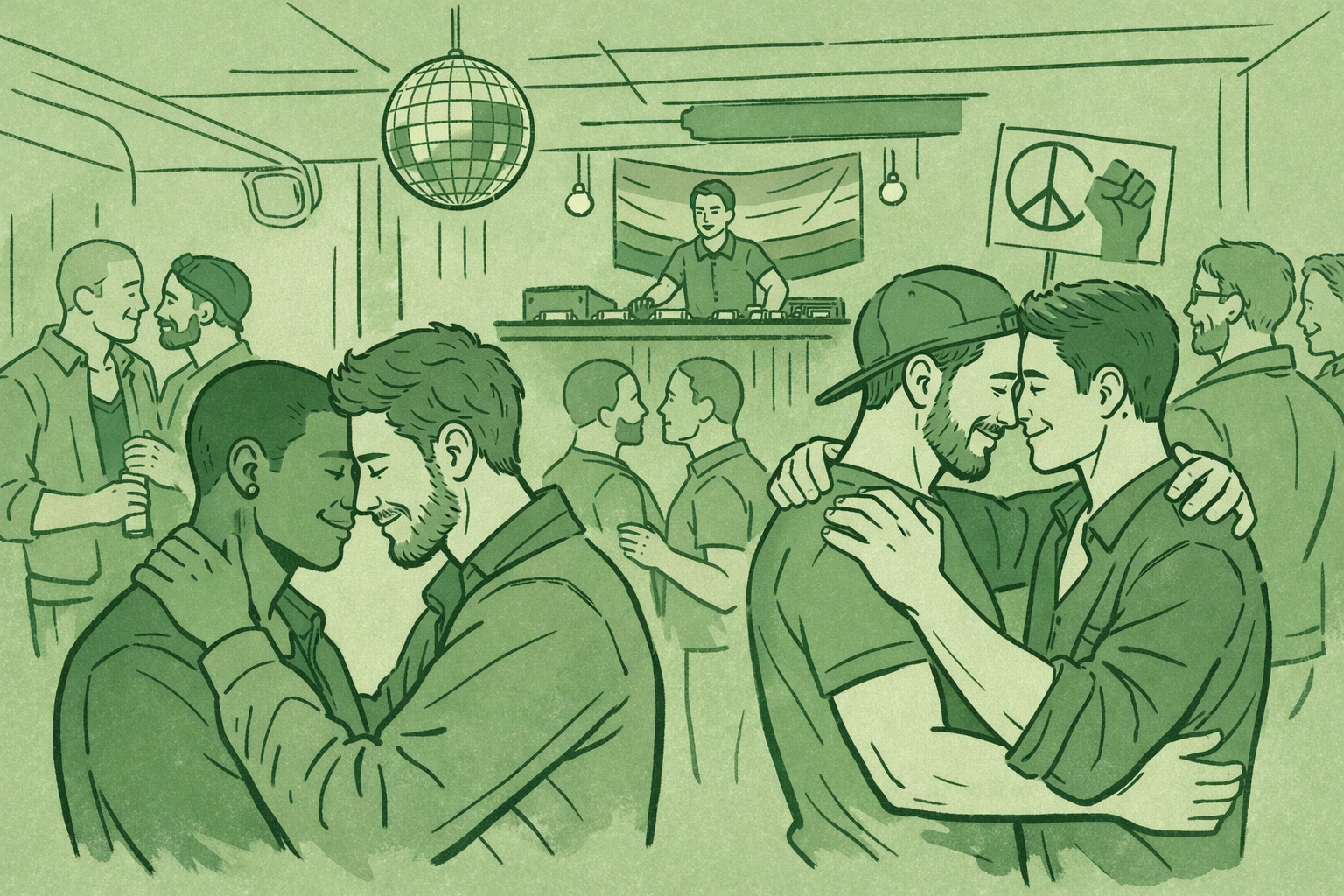
A Club Born from Controversy
When Schwuz opened its doors on June 26, 1977, it wasn't just another gay bar trying to make a buck. This Berlin institution emerged from something far more interesting: a full-blown argument about what queer liberation should actually look like.
The Homosexual Action Westberlin (HAW) had been doing important activist work since 1971, but tensions were brewing. On one side, you had the "political faction" : serious folks focused purely on activism and organizing. On the other, the "fun faction" wanted visibility through cultural events, parties, and public celebration. Instead of splitting apart, these two seemingly opposite approaches collided and created something remarkable: a venue that refused to choose between politics and pleasure.
Shop our collection of LGBTQ+ ebooks celebrating queer history and culture: https://dickfergusonwriter.com/collections/all
Where Activism Met the Dance Floor
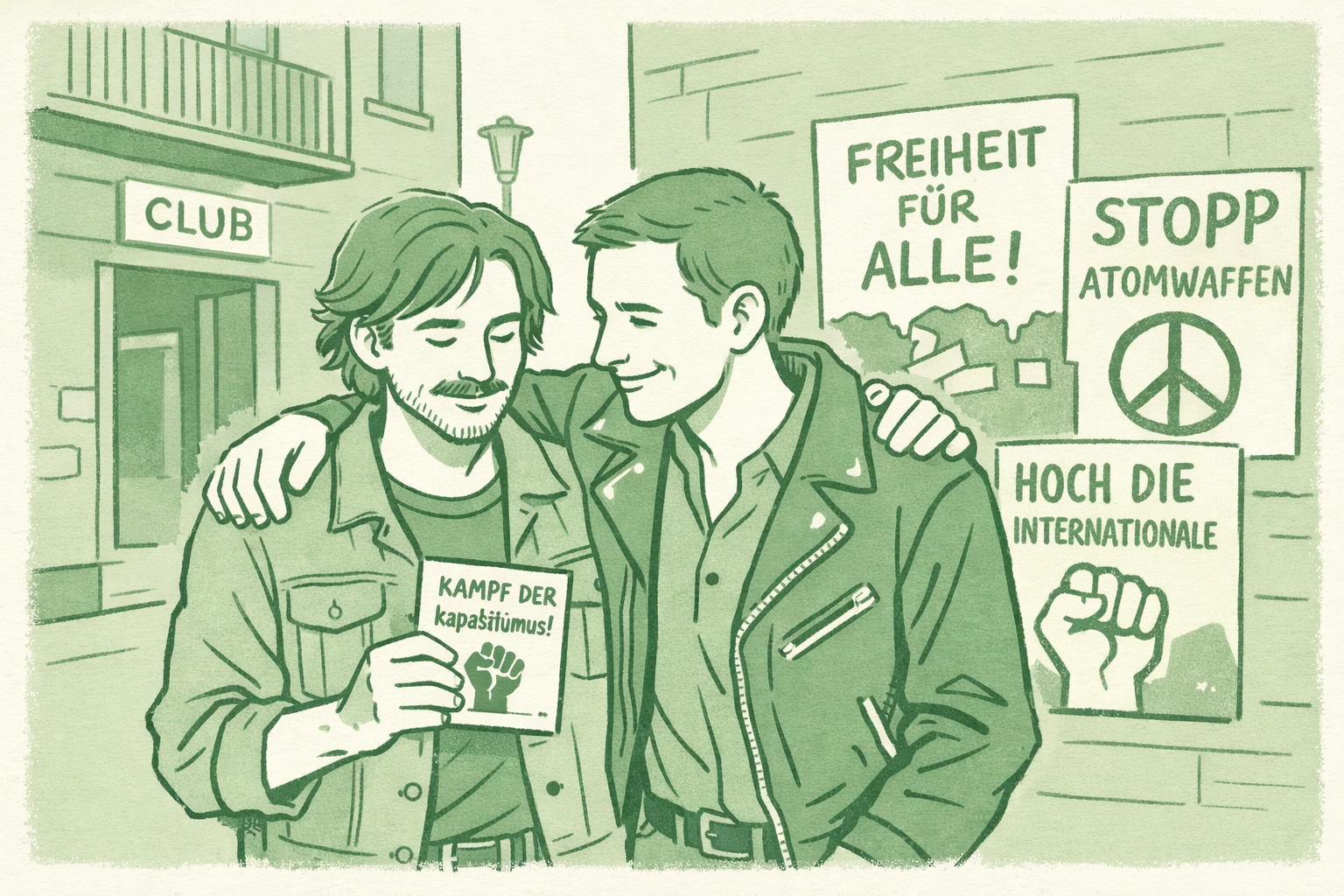
Schwuz quickly became the beating heart of West Berlin's LGBTQ+ community, and not just for the killer sound system. The club operated with a genuinely democratic structure : regular "plenary" meetings where anyone interested could show up and have a say in what events to host, what actions to organize, and how the space should evolve.
During the day, working groups gathered to discuss emancipatory topics, plan demonstrations, and build the infrastructure that Berlin's queer community desperately needed. By night, those same rooms transformed into one of the city's most legendary dance venues. It was activism with a soundtrack, revolution with a mirror ball.
The venue became a launchpad for institutions that still shape Berlin's LGBTQ+ landscape today. Siegessäule, the city's essential queer magazine, started there. Prinz Eisenherz, the iconic gay bookstore, had its roots in Schwuz. Gay counseling services formed within its walls. And in 1979, the club organized Berlin's very first Christopher Street Day : turning what could have been just another party into a political statement that continues annually.
For MM romance set against Berlin's vibrant queer history, explore: The Berlin Companions
The Legendary Party Scene
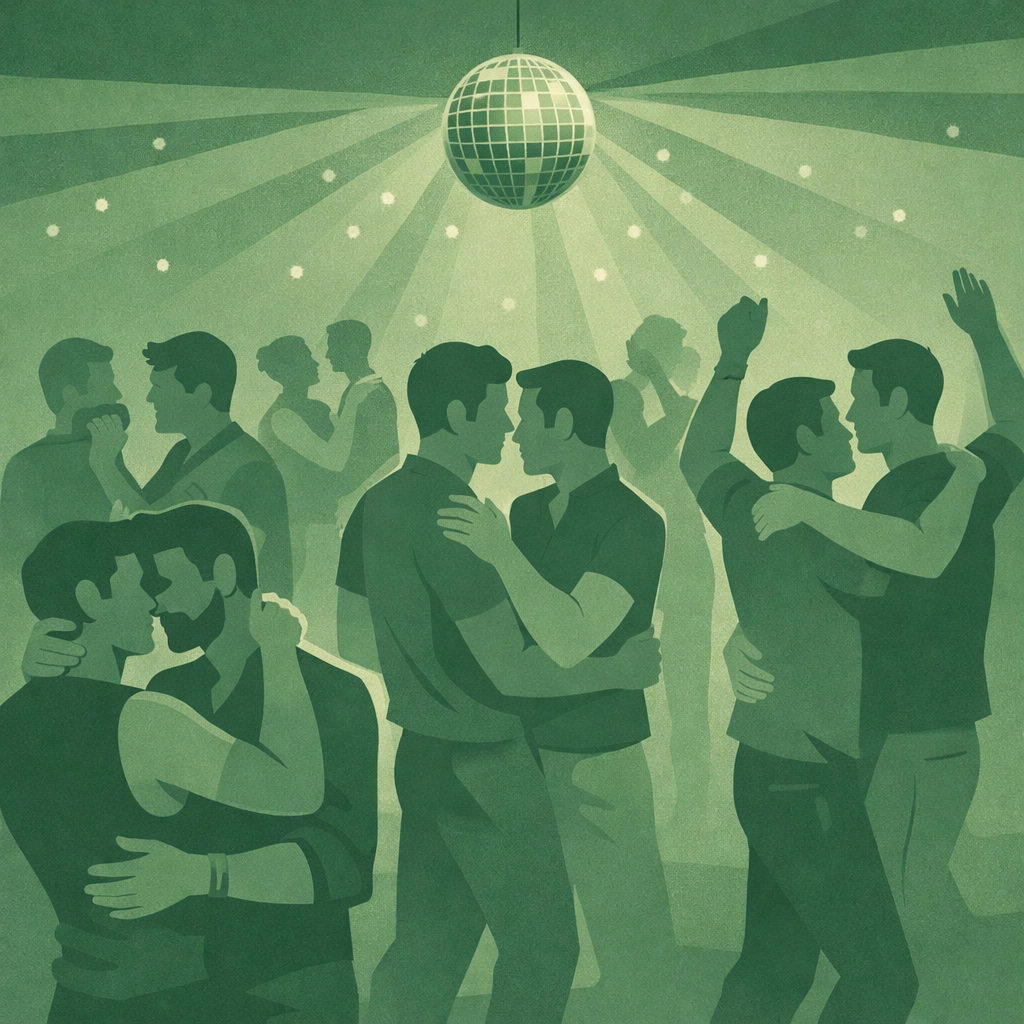
But let's be honest: Schwuz's political credentials wouldn't have sustained it for nearly five decades if the parties weren't absolutely legendary. And they were.
The club became the birthplace of party series that defined Berlin's queer nightlife: "Club 69" brought high-energy dance nights that packed the floor. "Houseboys" created a space specifically for younger queer men finding their community. "Cockerkeller" pushed boundaries and celebrated sexual liberation with gleeful abandon. These weren't just parties : they were weekly rituals where generations of Berliners discovered themselves, their communities, and their chosen families.
Schwuz maintained an explicitly inclusive approach that made it special even in Berlin's famously open club scene. Drag performers, leather daddies, activist students, artists, tourists discovering their sexuality, and lifelong Berliners all shared the same dance floor. The club's aesthetic rejected commercial polish in favor of raw authenticity : think exposed brick, DIY art installations, and a sound system that prioritized bass over beauty.
More Than Just a Venue
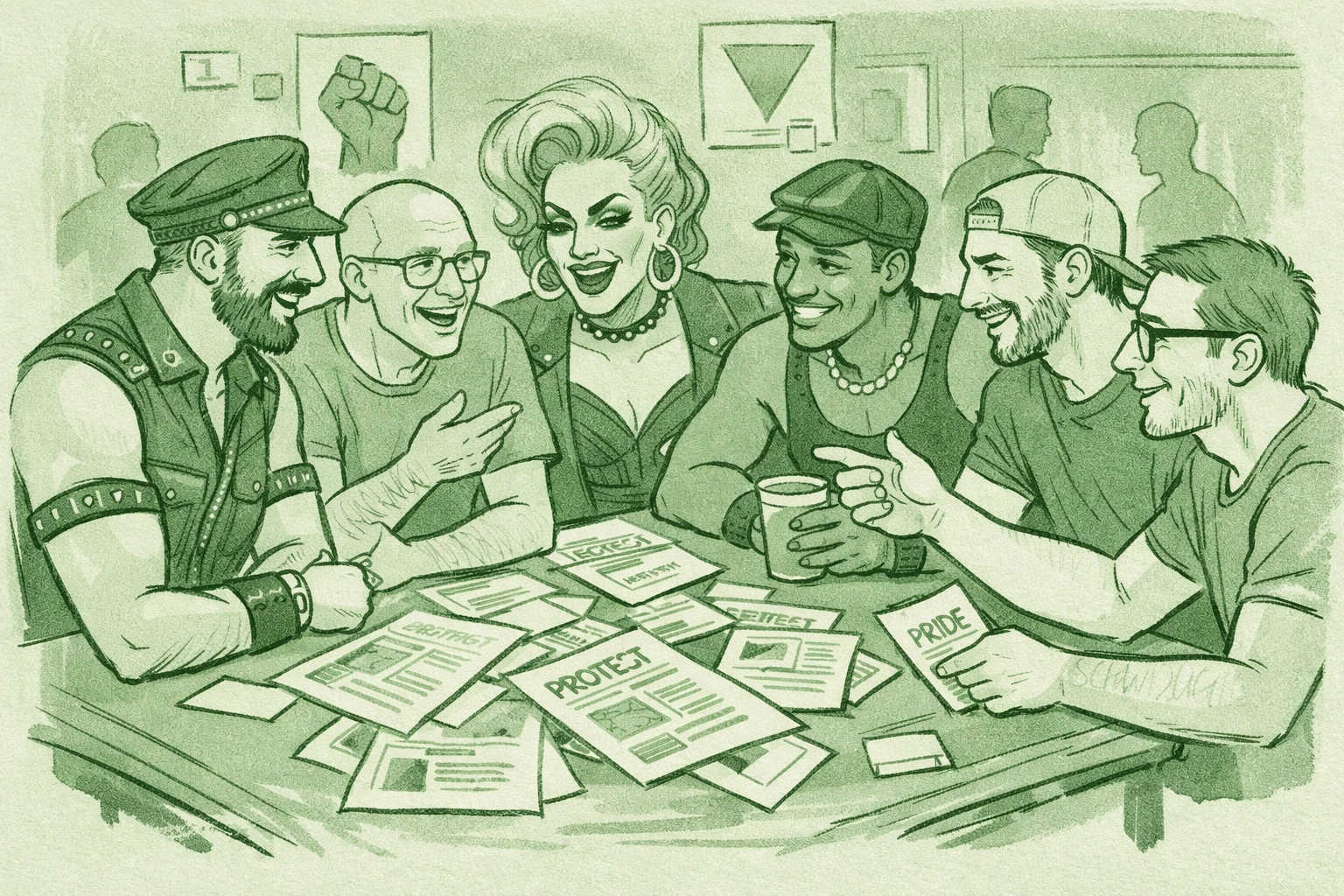
What made Schwuz genuinely unique was its refusal to separate the political from the personal, the serious from the celebratory. In the early 1980s, it housed the "lesbian-gay press review," creating a space for queer media literacy and critical discussion. But that same space might host a drag competition or fetish night the following evening.
This wasn't hypocrisy or confusion : it was a deliberate rejection of the idea that queer people had to choose between respectability and freedom, between activism and joy. Schwuz insisted that leather harnesses and political pamphlets could coexist, that drag performances and grassroots organizing were equally valid expressions of queer liberation.
For nearly five decades, Schwuz operated as what many described as "a refuge for queer expression, drag, activism, and art" : a place where you could attend a serious panel discussion about HIV/AIDS activism and then immediately hit the dance floor at 2 AM. Where else could you do that?
Discover more stories of LGBTQ+ resilience and community: https://dickfergusonwriter.com
The End of an Era
Schwuz permanently closed on November 1, 2025, becoming another casualty of Berlin's accelerating "death of clubs" crisis. Rising rents, gentrification pressures, and the financial realities of running an explicitly non-commercial space in an increasingly commercialized city finally caught up with it.
The closure sparked genuine grief across Berlin's queer community and beyond. This wasn't just nostalgia for good parties past : it represented the loss of a specific model of queer space that prioritized community access over profit margins, that valued political engagement alongside hedonistic celebration.
The Legacy Lives On
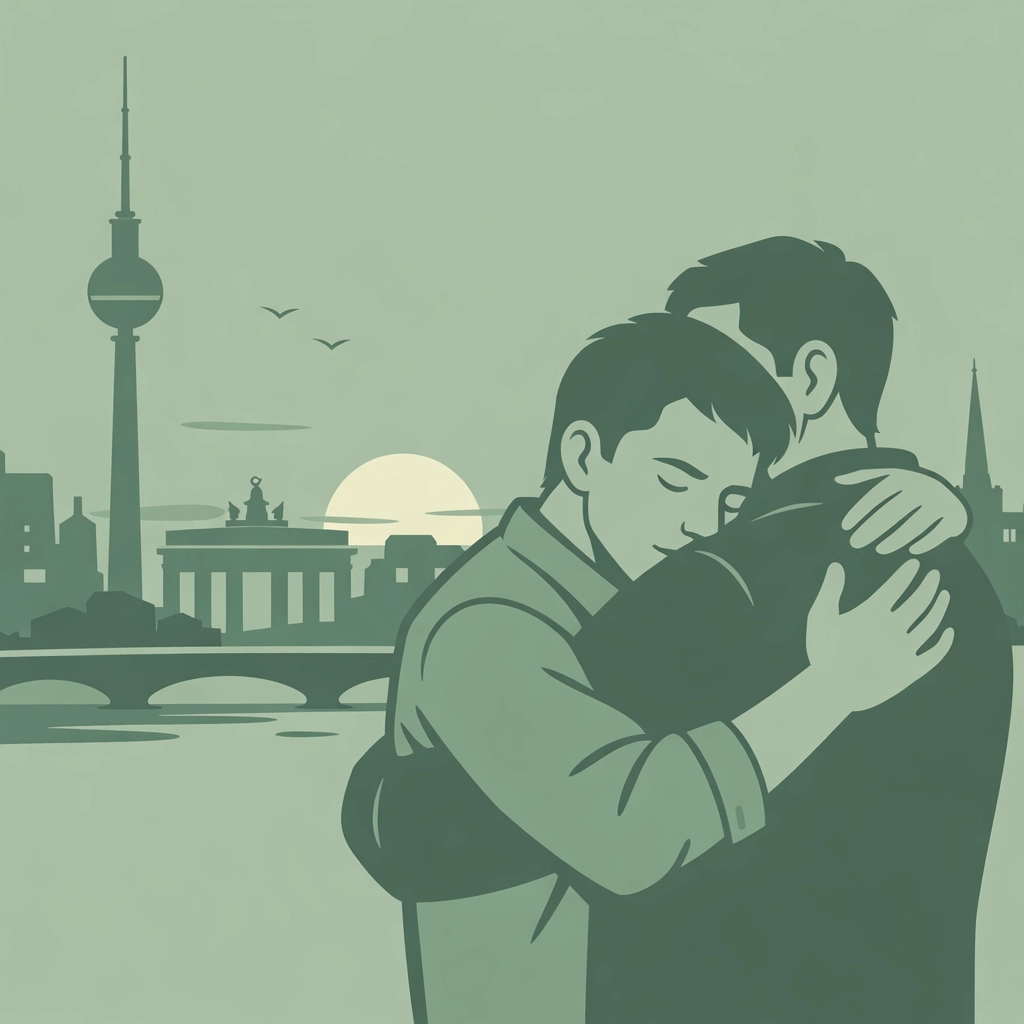
While Schwuz the physical space may be gone, its influence remains embedded in Berlin's queer culture. The organizations it spawned continue their work. The party series it launched have found new homes. Most importantly, the ethos it represented : that queer liberation requires both political action and joyful celebration : continues to inspire new generations of activists and party organizers.
Schwuz proved that you don't have to choose between being politically engaged and having a ridiculously good time. That activism doesn't require somber seriousness, and that partying doesn't mean abandoning political consciousness. In a world that constantly tries to force queer people into narrow boxes of respectability or rebellion, Schwuz insisted on both : and neither.
For forty-eight years, it offered a space where Berlin's queer community could be complex, contradictory, and completely themselves. Where you could debate political strategy and then lose yourself on the dance floor. Where leather daddies and lesbian activists and drag queens and first-time visitors all belonged equally.
That's the kind of space the world needs more of, not less.
Explore LGBTQ+ fiction, MM romance, and gay literature at Read with Pride: www.readwithpride.com
Follow us on social media:
- Instagram: https://www.instagram.com/dickfergusonwriter
- X/Twitter: https://www.x.com/DickFergus94902
- Facebook: https://www.facebook.com/profile.php?id=61572869844598
#ReadWithPride #LGBTQHistory #GayBerlin #QueerNightlife #MMRomance #GayBooks #LGBTQBooks #QueerFiction #GayRomance #Schwuz #BerlinHistory #QueerActivism #GayFiction #LGBTQLiterature #QueerCommunity #GayLoveStories #MMNovels #LGBTQEbooks #GayHistoricalRomance #ReadingWithPride

Leave a Reply
You must be logged in to post a comment.