

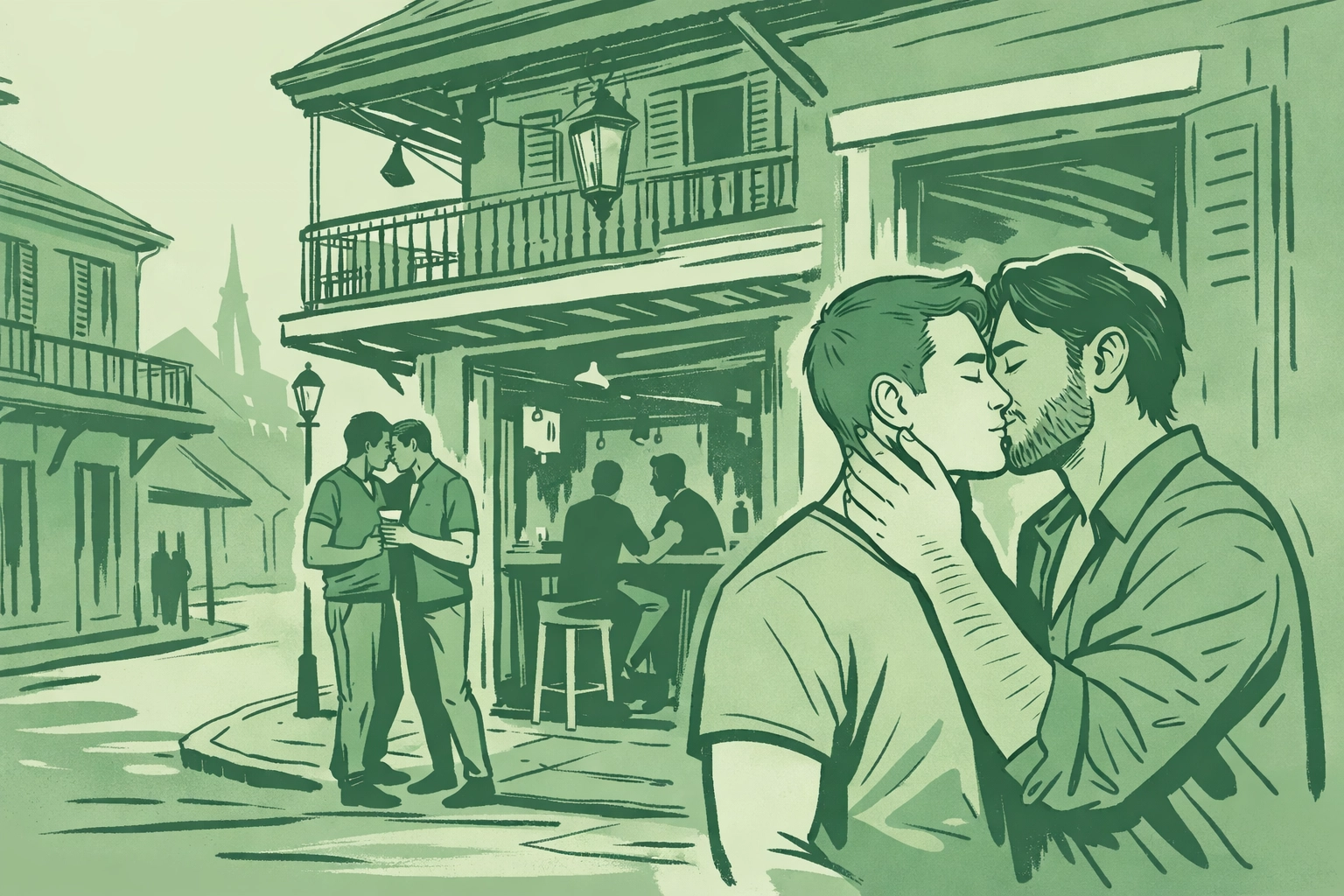
Walk down Bourbon Street in New Orleans' French Quarter on any given night, or morning, for that matter, and you'll find a corner that's been welcoming queer folks for over ninety years. Cafe Lafitte in Exile isn't just another bar. It's a monument to survival, defiance, and the enduring spirit of LGBTQ+ community in America.
Since 1933, this legendary establishment has served as a sanctuary where gay men, lesbians, and allies could gather freely, even when doing so meant risking everything. It's a living piece of gay history, a testament to resilience, and quite possibly the best example of what makes New Orleans such a unique haven for queer culture.
Born at the End of Prohibition
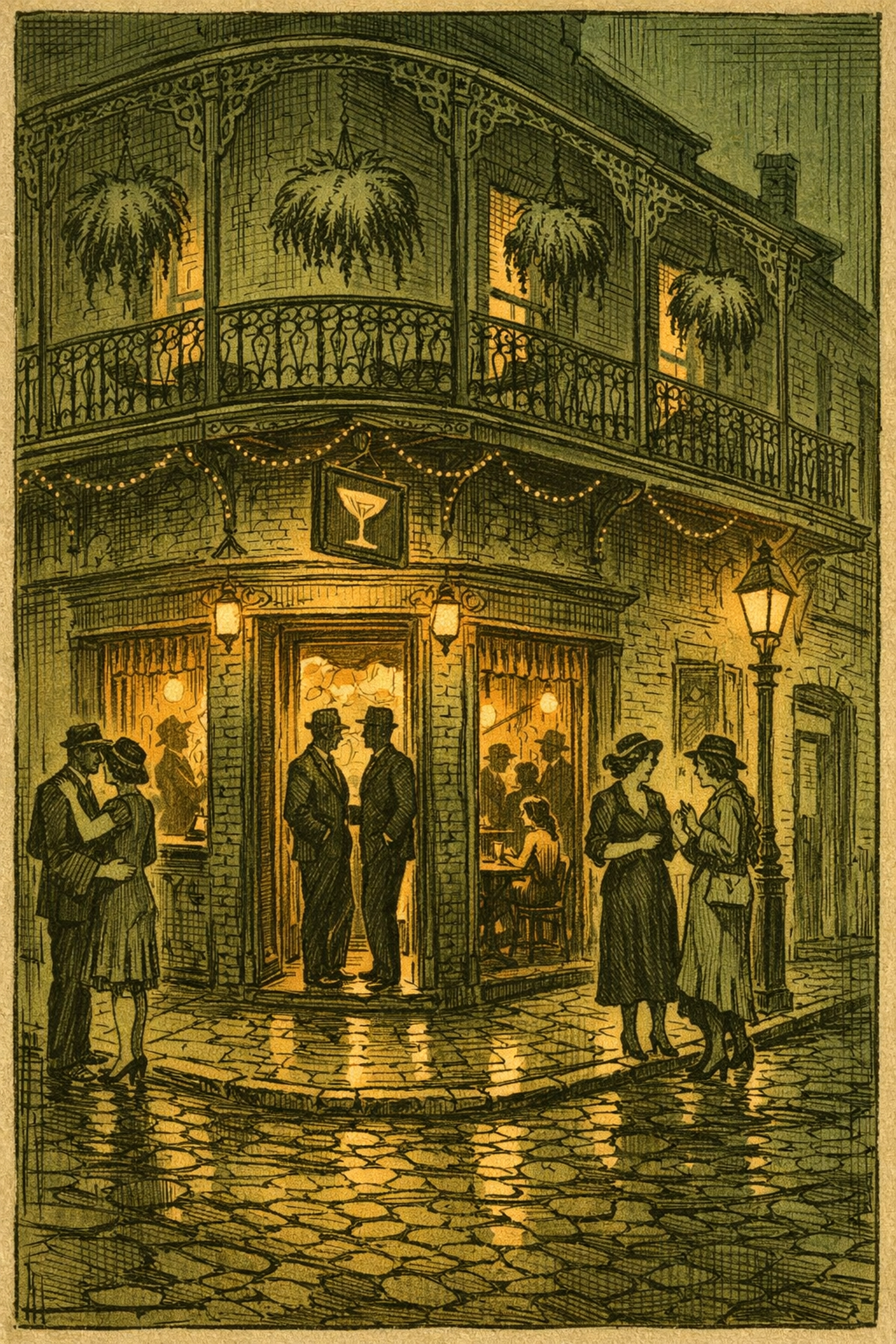
The story begins in 1933, right as Prohibition was gasping its last breath. Tom Caplinger, Harold Bartell, and Mary Collins opened their doors at 941 Bourbon Street, in a building rumored to have once been Jean Lafitte's blacksmith shop. The pirate connection? Probably more legend than fact, but in New Orleans, the line between history and mythology has always been delightfully blurred.
What made this bar revolutionary wasn't just that it existed, it was how it operated. While it wasn't technically advertised as a "gay bar" (that would've been suicide in 1933), the owners created something rare and precious: a space where LGBTQ+ patrons were genuinely welcome. No judgment. No harassment. Just drinks, conversation, and the radical act of being yourself.
This was decades before Stonewall, decades before Pride parades, and light-years before marriage equality. Police raids on gay establishments were routine. Arrests were common. Careers were destroyed, families were torn apart, and violence was always a possibility. Yet here was Cafe Lafitte, quietly offering refuge in the heart of the French Quarter.
The Philosophy of Generosity
One detail from those early years speaks volumes about the bar's character: the owners ran tabs for patrons who couldn't pay. Not for a week or a month, but indefinitely. According to legend, those accumulated unpaid tabs eventually added up to enough money to have purchased the entire building.
Think about that for a moment. In an era when gay men and lesbians often faced employment discrimination and economic hardship, these bar owners chose community over profit. They understood that their establishment served a purpose far beyond selling drinks, it was a lifeline.
The Exile Begins
Everything changed in 1953. The building's owner died, and the property went up for auction. Despite their years of operation and loyal clientele, Caplinger and his partners couldn't secure the purchase. The new landlord was hostile to their LGBTQ+ customer base and made it clear: they weren't welcome anymore.
Rather than close their doors, they relocated just down the block to 901 Bourbon Street, where a former corner grocery store sat vacant. The move was more than geographical, it was symbolic. They renamed themselves Cafe Lafitte in Exile, embracing their forced displacement as a badge of honor.
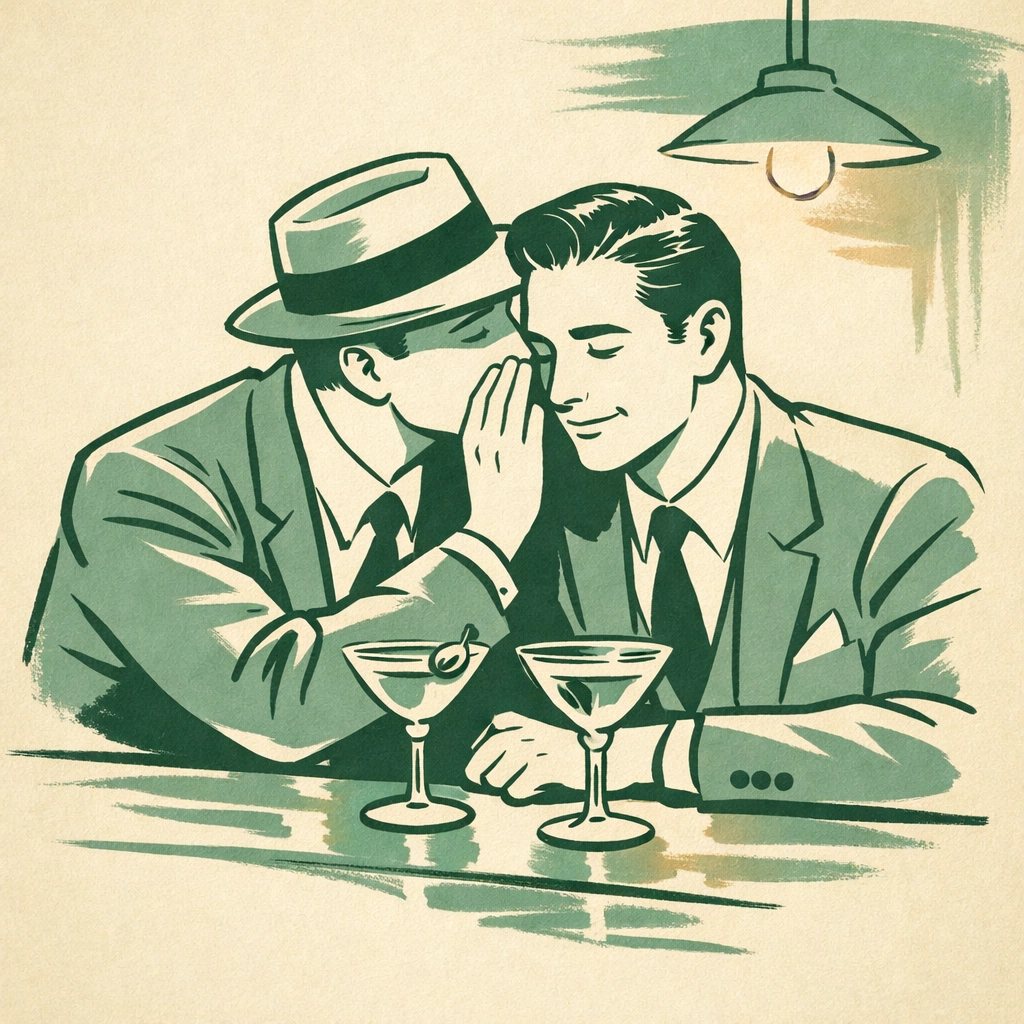
The grand reopening was pure New Orleans theater. Patrons arrived in costume, dressed as famous exiles throughout history: Oscar Wilde in his dandy finest, Dante Alighieri wandering his personal inferno, Napoleon Bonaparte brooding in defeat. It was defiant, fabulous, and perfectly on-brand for a community that had always turned oppression into art.
A Who's Who of Literary Giants
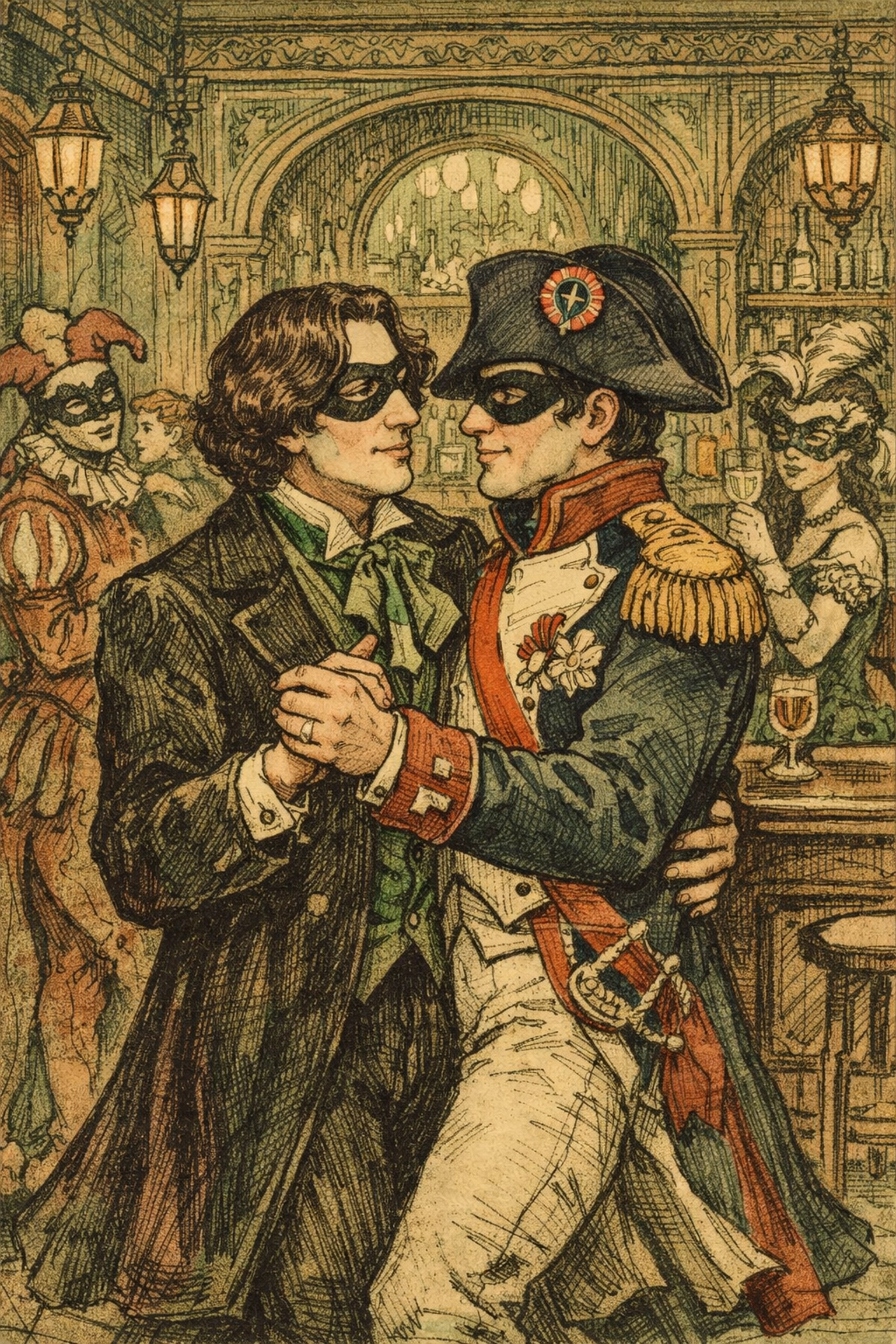
Over the decades, Cafe Lafitte in Exile attracted some of the most celebrated writers of the 20th century. Tennessee Williams, who immortalized the French Quarter in "A Streetcar Named Desire," was a regular. Truman Capote, raised partly in New Orleans, found inspiration and companionship within its walls.
These weren't just celebrity sightings, they were part of a broader cultural phenomenon. New Orleans, and the French Quarter specifically, offered something rare in mid-century America: a place where queer artists, writers, and intellectuals could exist more openly than almost anywhere else in the country. Cafe Lafitte was the beating heart of that scene.
The Eternal Flame
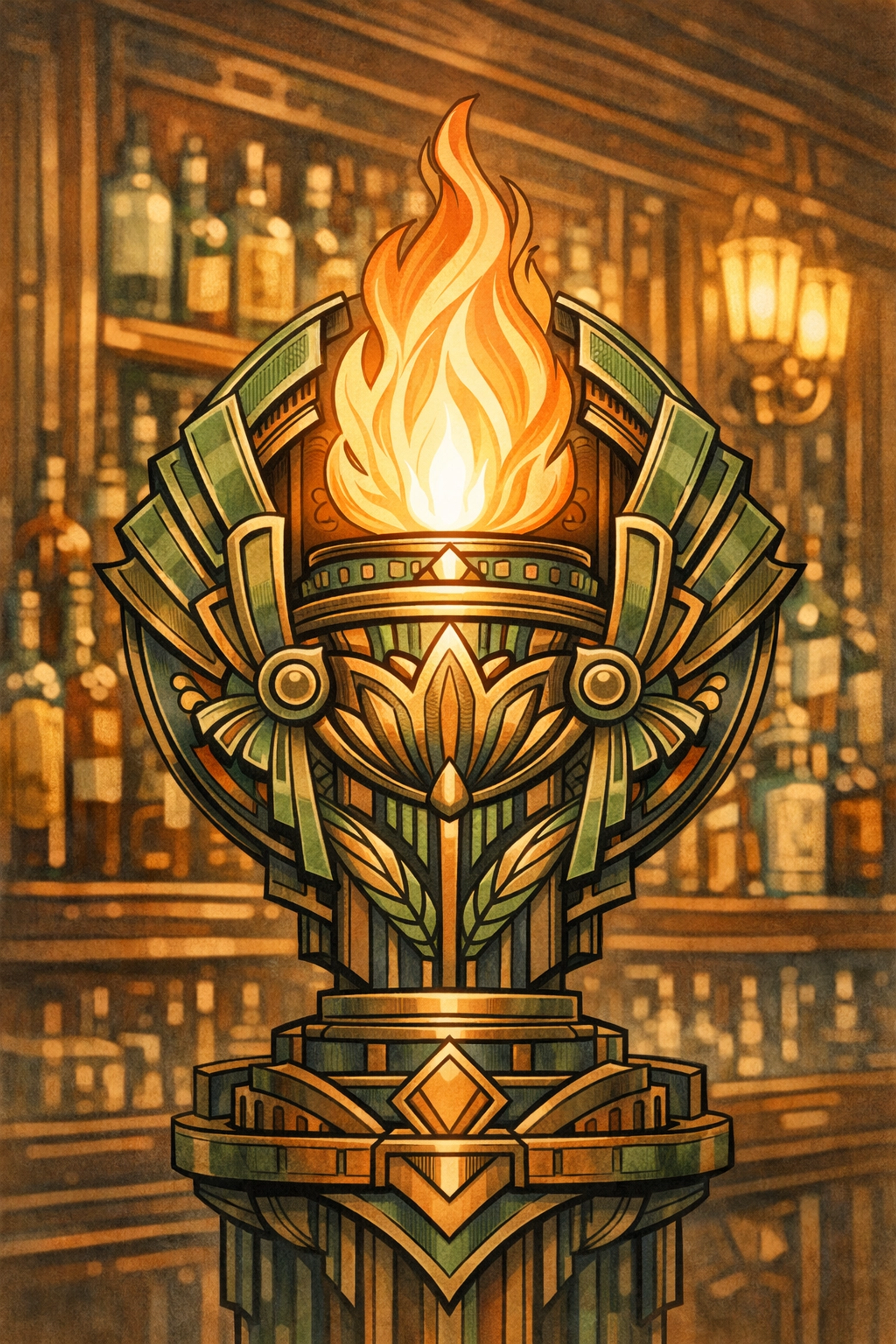
Walk into Cafe Lafitte today and you'll notice an unusual sculpture near the entrance: the "eternal flame," created by Mexican artist Enrique Alferez. Inside that flame sits a specific piece of history, the ashes of the bar's original 1953 lease, ceremonially burned in 1994.
It's the kind of detail that makes this place special. They didn't just preserve history; they transformed it into art, into symbol, into something you can touch and see. The flame represents continuity, survival, and the refusal to be erased.
Alferez's other design elements throughout the bar create an atmosphere that's part speakeasy, part community center, part museum. Every corner tells a story, if you know where to look.
Open 24/7: Never Dark, Never Closed
Here's something that sets Cafe Lafitte apart from virtually every other bar in America: it never closes. Twenty-four hours a day, seven days a week, the doors remain open. Whether you're seeking a nightcap at 3 AM, a hair-of-the-dog at dawn, or a afternoon respite from the French Quarter chaos, Cafe Lafitte is there.
This round-the-clock operation isn't just convenient, it's philosophical. The bar has always positioned itself as a constant in an unpredictable world, a place where you're never locked out, never turned away, never made to wait until "acceptable" hours to be yourself.
Global Recognition
In 2018, GayTravel's Gay Travel Awards named Cafe Lafitte in Exile the "Best Gay Bar" in the world. Not just in New Orleans. Not just in America. The entire world.
That recognition speaks to something profound: this bar has transcended its physical location to become a symbol of LGBTQ+ resilience globally. When people visit New Orleans, Cafe Lafitte often tops their must-see list alongside the more mainstream tourist attractions. It's earned its place in gay travel guides, MM romance recommendations, and queer fiction settings.
For readers of gay romance books and LGBTQ+ fiction, Cafe Lafitte represents the kind of authentic setting that brings stories to life. It's appeared in countless novels, memoirs, and historical accounts, a real-world location that provides the atmospheric backdrop for tales of love, courage, and community that readers seek in MM romance books and gay literature.
Why It Matters Today
In 2026, with marriage equality secured and LGBTQ+ visibility at an all-time high, you might wonder if places like Cafe Lafitte still matter. The answer is absolutely yes.
History like this grounds us. It reminds younger generations that the freedoms we enjoy weren't inevitable: they were fought for, often in small, everyday acts of defiance. Running a welcoming bar in 1933 was revolutionary. Refusing to close when evicted was resistance. Staying open for ninety-plus years is a triumph.
For those exploring gay fiction, MM novels, and LGBTQ+ romance, venues like Cafe Lafitte provide essential context. They're the real-world foundations upon which our stories are built. They're proof that gay love stories, queer community, and LGBTQ+ literature aren't modern inventions: they're continuations of a legacy that's been thriving for generations.
Visit, Remember, Celebrate
If you find yourself in New Orleans, make the pilgrimage to 901 Bourbon Street. Order a drink. Talk to the bartenders, many of whom know the full history by heart. Look for Alferez's eternal flame. Imagine Tennessee Williams at the corner table, Truman Capote holding court at the bar.
This is where history happened. Where it's still happening.
Explore more LGBTQ+ stories, gay romance books, and MM fiction at Read with Pride and discover our complete collection at Dick Ferguson Writer.
Follow us on social media:
- Instagram: @dickfergusonwriter
- X/Twitter: @DickFergus94902
- Facebook: Dick Ferguson Writer
- Website: www.readwithpride.com
#CafeLafitteInExile #GayHistory #LGBTQHistory #NewOrleans #GayBars #QueerHistory #ReadWithPride #GayRomance #MMRomance #LGBTQBooks #GayLiterature #QueerFiction #GayTravel #FrenchQuarter #LGBTQTravel #GayNovels #MMBooks #ReadingWithPride #GayFiction #LGBTQCommunity #BourbonStreet #QueerCulture #GayRomanceBooks

Leave a Reply
You must be logged in to post a comment.