

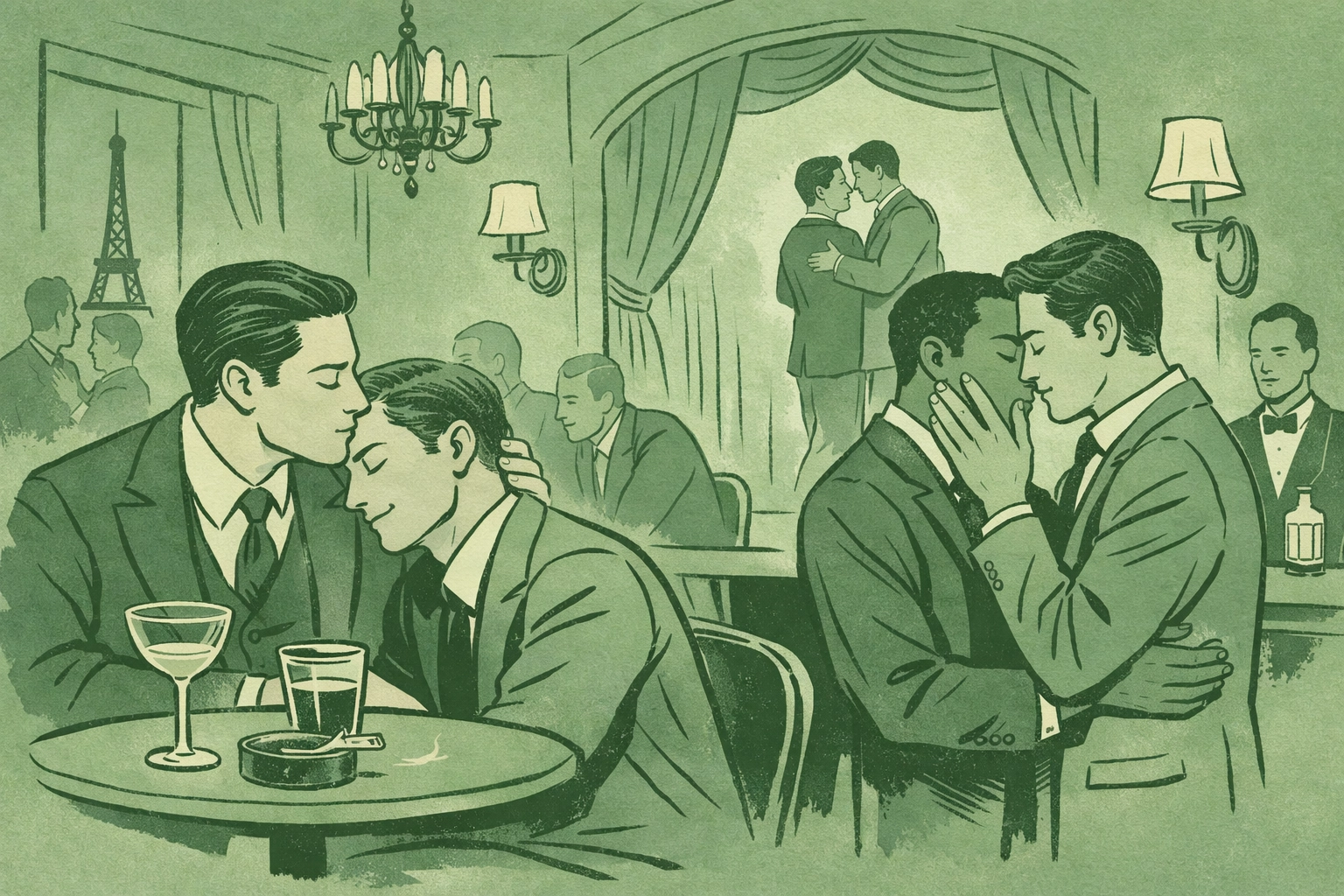
In the heart of 1920s Montparnasse, on Boulevard Edgar-Quinet, a doorway opened to a world where women could be themselves. Le Monocle wasn't just another Paris nightclub: it was revolution wrapped in tuxedos and tied with a white carnation.
The Woman Behind the Monocle
Lulu de Montparnasse, born Marie Lucie Franchi, created something extraordinary when she opened Le Monocle's doors. In an era when women's desires were policed, criminalized, and erased, Lulu built a sanctuary. A place where lesbian women could dance cheek to cheek, hold hands across velvet tables, and kiss without glancing nervously at the door.
The club's name came from a fashion statement that doubled as identity. Lesbians of the era adopted the monocle as their calling card: a small glass lens that said everything without words. Paired with sharp tuxedos, cropped bob haircuts, and that signature white carnation in the lapel, these women crafted a look that was defiance made stylish.
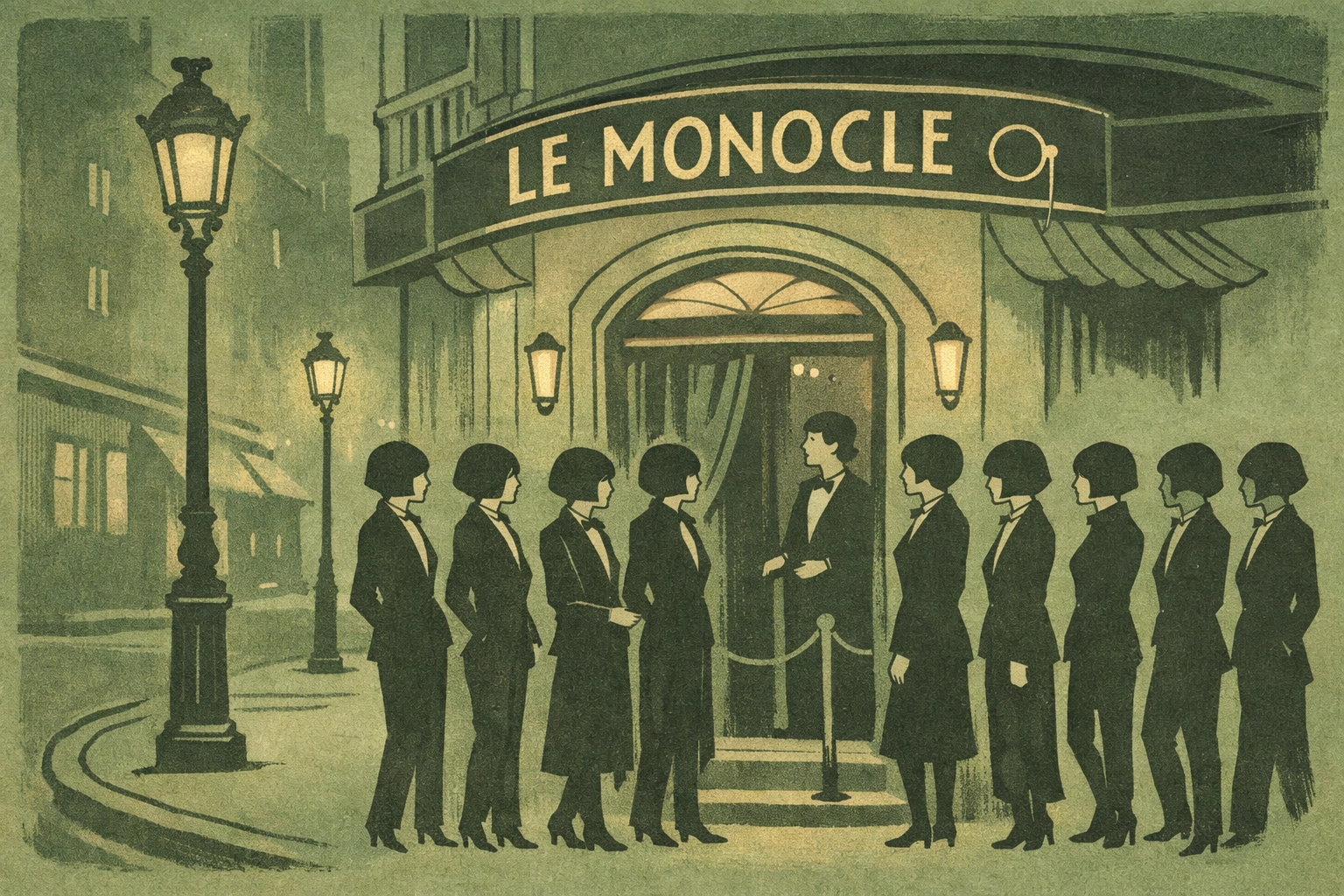
Writer Colette, sharp-eyed observer of Parisian life, noted the trend: women "often affecting a monocle and a white carnation in the buttonhole." It was visibility disguised as fashion. Recognition wrapped in elegance.
A Night at Le Monocle
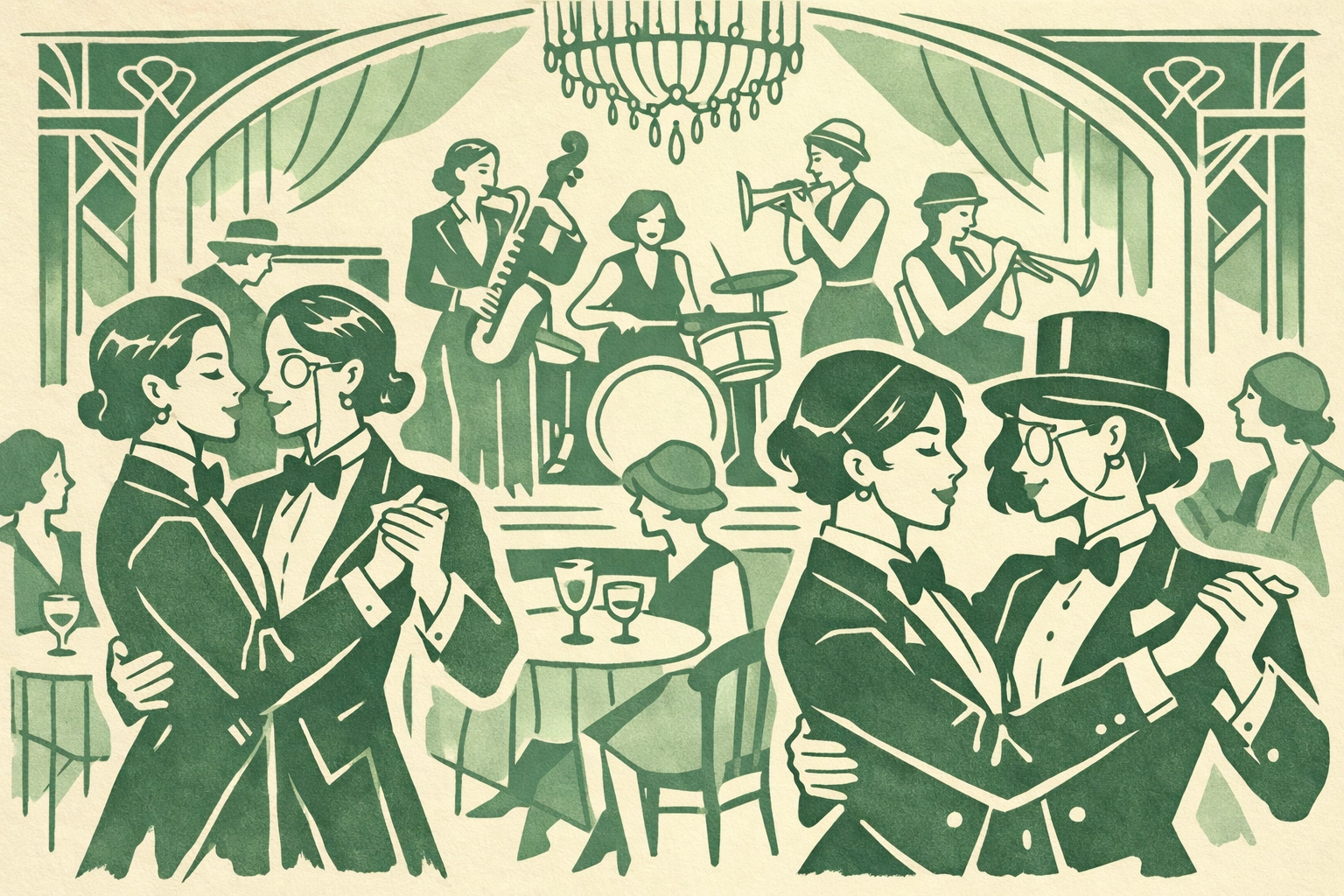
Picture it: You descend into the club on a Saturday night in 1932. A queue snakes down the boulevard: artists, intellectuals, bohemians, and women from all walks of life waiting to enter this underground universe. Inside, jazz rhythms pulse from an all-female orchestra. The air is thick with cigarette smoke, perfume, and possibility.
Women dance. Women laugh. Women fall in love.
The clientele ranged from struggling painters to influential socialites, creating an electric mix of talent and ambition. Le Monocle functioned as more than entertainment: it was networking, community, and found family all at once. In a world that tried to make lesbian women invisible, this club said: We exist. We thrive. We're magnificent.
Legendary cabaret manager Frede met both Anaïs Nin and Marlene Dietrich within these walls. That meeting with Dietrich would prove transformative: with the actress's assistance, Frede later opened her own lesbian cabaret, extending the legacy of safe queer spaces in Paris.
Through Brassaï's Lens
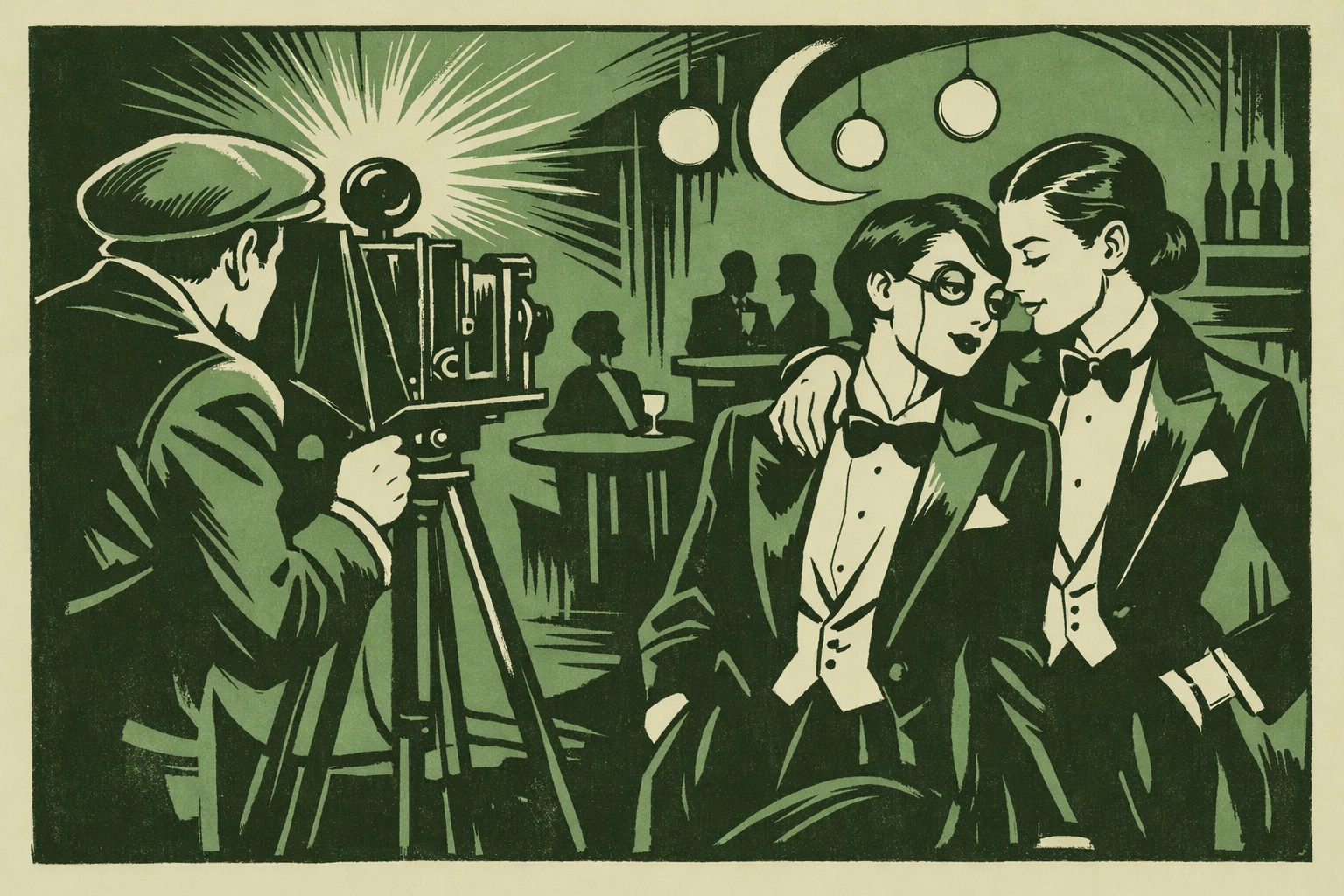
In 1932, photographer Brassaï captured Le Monocle in a series of now-iconic images. His photographs show women in sharp suits, monocles glinting, arms around each other with casual intimacy that was radical for its time. These weren't hidden snapshots or shameful secrets: they were portraits of pride.
Brassaï's work documented what society tried to erase: lesbian existence, lesbian joy, lesbian community. His camera preserved a moment when visibility was dangerous but necessary. Looking at those photographs today, you see strength. You see style. You see women who refused to disappear.
The Dark Side of Visibility
But visibility came with a price. Police surveillance was constant. Every lesbian venue in Paris operated under the watchful eye of authorities who viewed queer spaces as threats to public morality. Le Monocle's luxurious interior couldn't shield it from the reality that simply existing as a lesbian gathering place was a political act: and a dangerous one.
Still, for over a decade, Le Monocle thrived. It became the destination for lesbian culture in Paris, a place where history happened between the clink of glasses and the sway of dancing bodies.
When the Lights Went Out
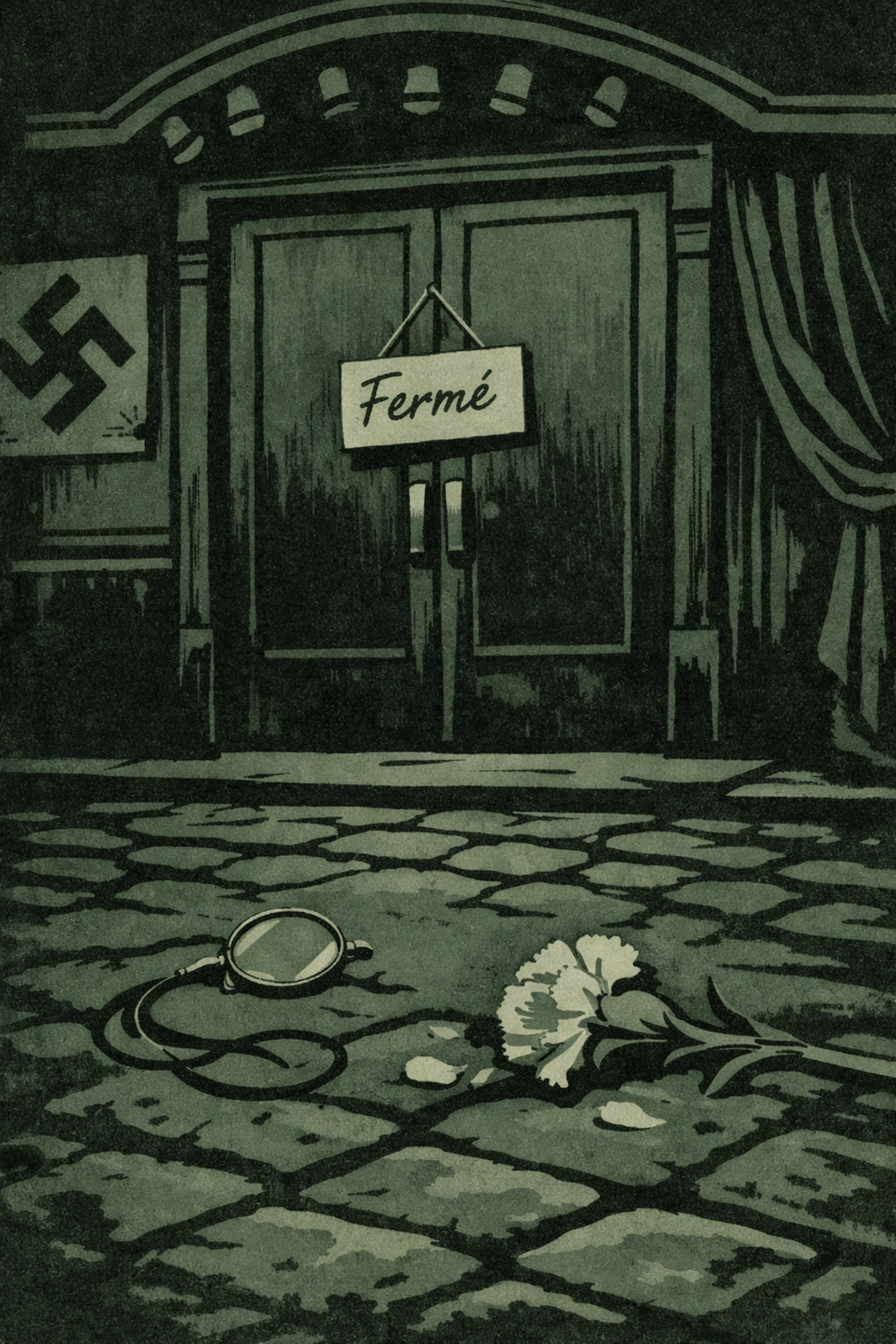
Then came the Nazi occupation of France. In 1940, Le Monocle's doors closed. The Third Reich's persecution of homosexuals was brutal and systematic. Queer spaces that had flourished in Paris's interwar years went dark. Many women who had found love, community, and freedom at Le Monocle faced unimaginable horrors under Nazi rule.
The liberation of Paris brought hope. Le Monocle reopened in a new location at 60 Boulevard Edgar Quinet. But the magic couldn't be recaptured. Post-war Paris was different. The community had scattered. The world had changed. The legendary status of the original Le Monocle remained untouched, but its second act never matched the first.
Legacy and Literature
The spirit of Le Monocle lives on in LGBTQ+ fiction and queer historical narratives. Stories like those found in The Berlin Companions and The Divided Sky: Secrets of a Secret Love explore similar themes of forbidden love, underground communities, and the courage it took to live authentically in hostile times.
At Read with Pride, we celebrate these histories through gay romance books, lesbian fiction, and queer literature that honors the pioneers who carved out spaces for love against impossible odds. Le Monocle wasn't just a nightclub: it was resistance. It was art. It was love made visible.
Why Le Monocle Still Matters
Nearly a century later, Le Monocle remains relevant. Every LGBTQ+ space that exists today stands on the foundation built by places like it. Every pride parade, every gay bar, every queer bookstore: they're all descendants of Lulu de Montparnasse's revolutionary vision.
The women who wore tuxedos and monocles weren't just making a fashion statement. They were claiming space. They were building community. They were telling the world: We're here. Get used to it.
For readers of MM romance, lesbian romance, and LGBTQ+ fiction, Le Monocle represents something profound: the power of visibility, the necessity of safe spaces, and the enduring human need for places where we can be our authentic selves.
Explore more stories celebrating LGBTQ+ history and contemporary queer love at dickfergusonwriter.com and discover your next favorite gay romance or lesbian fiction read.
Follow us on social media:
- Instagram: @dickfergusonwriter
- X/Twitter: @DickFergus94902
- Facebook: Dick Ferguson Writer
- Visit: www.readwithpride.com
#LeMonocle #LesbianHistory #LGBTQHistory #QueerParis #1930sParis #LesbianCulture #ReadWithPride #Readwithpride #QueerFiction #LesbianFiction #LGBTQBooks #HistoricalLGBTQ #LGBTQLiterature #LesbianRomance #QueerAuthors #PrideHistory #LGBTQCommunity #ReadingWithPride #QueerClassics #LesbianBooks

Leave a Reply
You must be logged in to post a comment.