

EXCLUSIVE OFFER: Explore the golden age of LGBTQ+ nightlife through our curated collection of gay historical romance and queer fiction. Visit Read with Pride for MM novels that capture the spirit of liberation and love from disco's most iconic era.
The Birth of an Icon: April 26, 1977
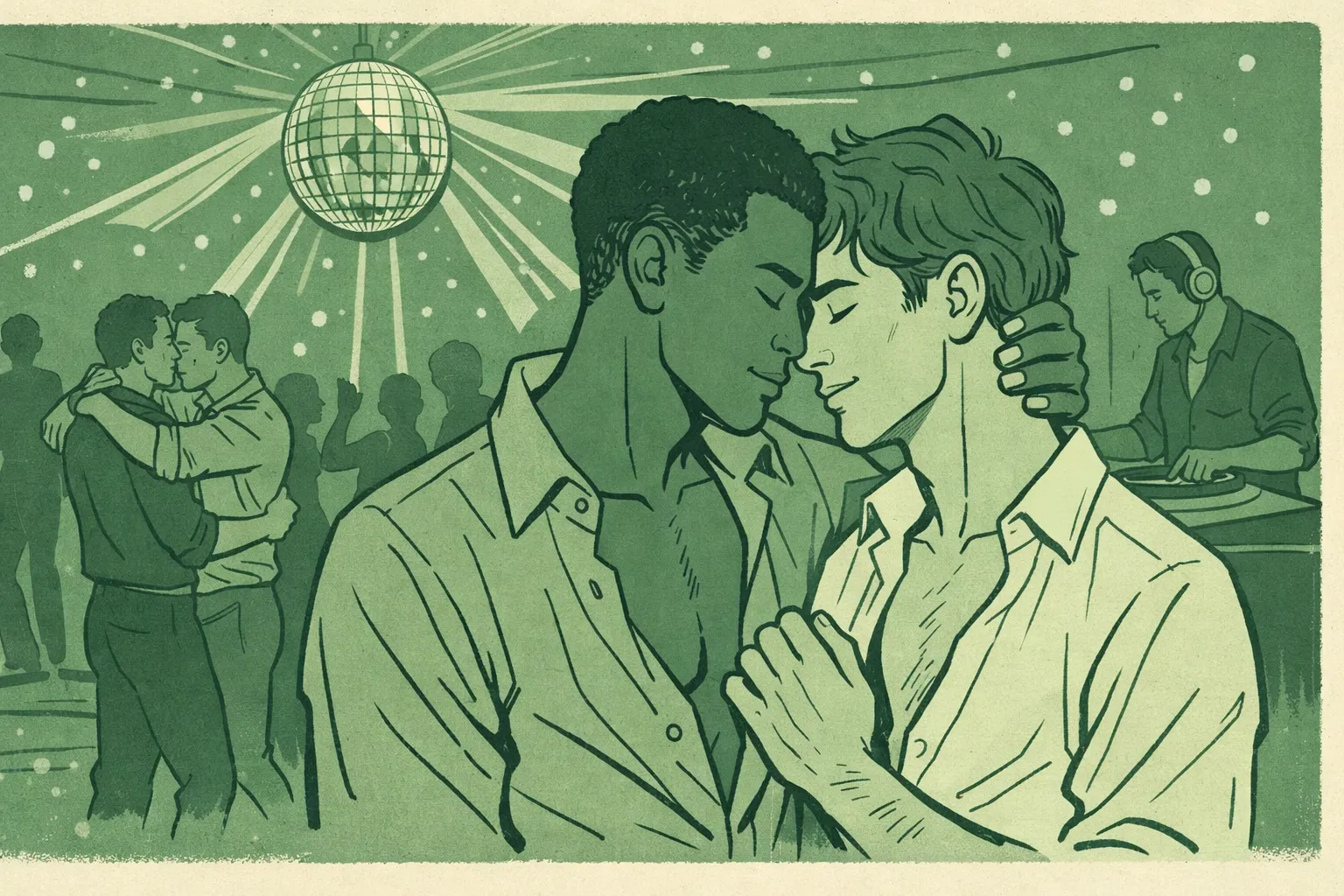
Studio 54 opened its doors on West 54th Street in Manhattan and immediately became the epicenter of everything excessive, fabulous, and unapologetically queer. Steve Rubell and Ian Schrager invested $400,000 to transform a former CBS television studio into what would become the most legendary nightclub in history. Their vision? Simple: create a space modeled directly after New York's thriving gay nightclubs, which were setting the trends for music, fashion, and liberation that straight venues could only dream of replicating.
This wasn't subtle. This wasn't coded. Studio 54 deliberately blurred the lines between gay, bisexual, and straight spaces at a time when such boundary-pushing was revolutionary. Shop our LGBTQ+ fiction collection to discover stories set in this transformative era.
The Door Policy: Celebrity, Beauty, and Chaos
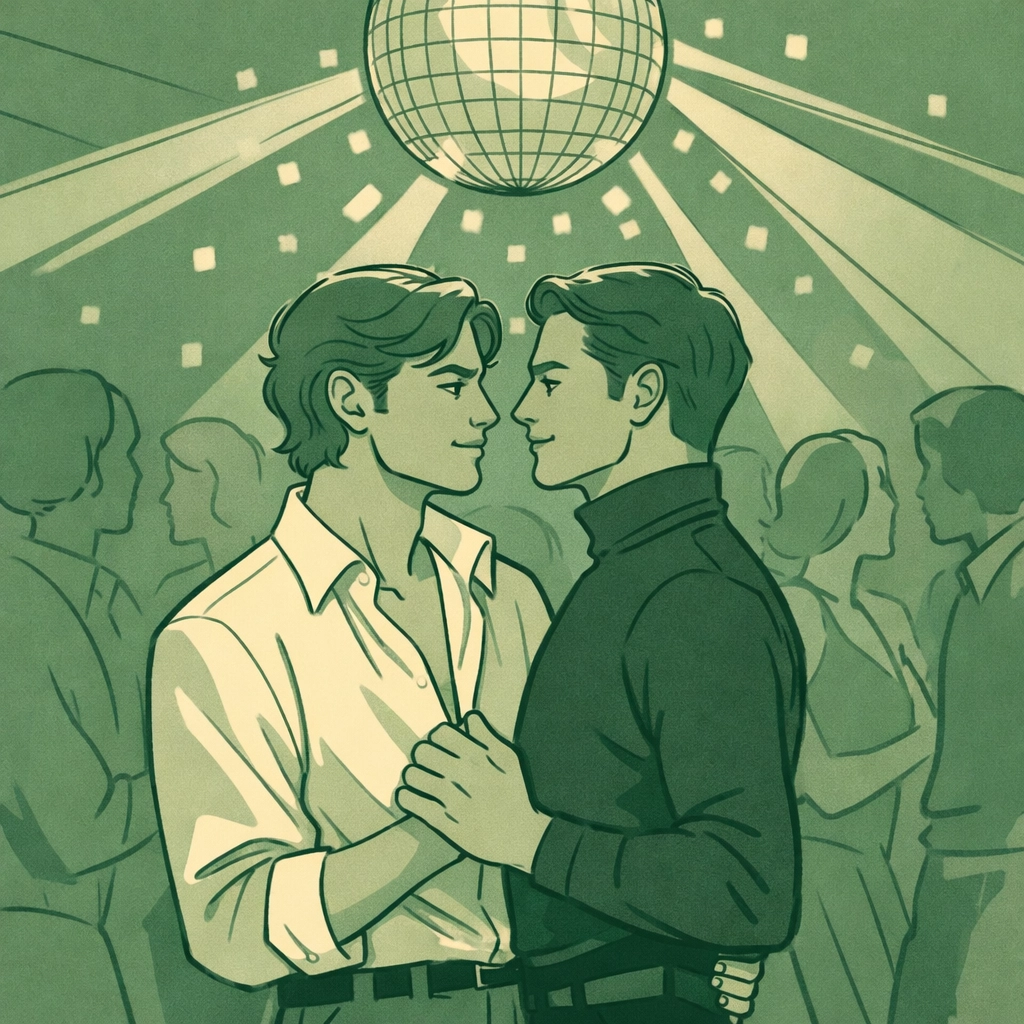
The velvet rope at Studio 54 became as famous as the club itself. Co-owner Steve Rubell personally controlled who entered, creating a guest list that read like a who's who of 1970s cultural royalty. Andy Warhol, Bianca Jagger, Liza Minnelli, Truman Capote, David Bowie, they waltzed past hundreds of hopefuls waiting in the cold.
But here's what made it different: Studio 54 didn't just court celebrities. It welcomed drag queens, hustlers, fashion designers, and anyone who brought energy, beauty, or intrigue. The door policy was notoriously arbitrary, but it created something electric inside, a mix of power, creativity, and sexual freedom that defined late-70s New York.
Average nightly attendance? 2,000 guests. Operating schedule? Tuesday through Saturday. Peak moment? When Bianca Jagger rode a white horse across the dance floor for her birthday, photographers captured the image that would circulate globally and cement Studio 54's reputation for outrageous glamour.
Discover MM romance books capturing this era's liberation at dickfergusonwriter.com.
The Music, The Lights, The Basement
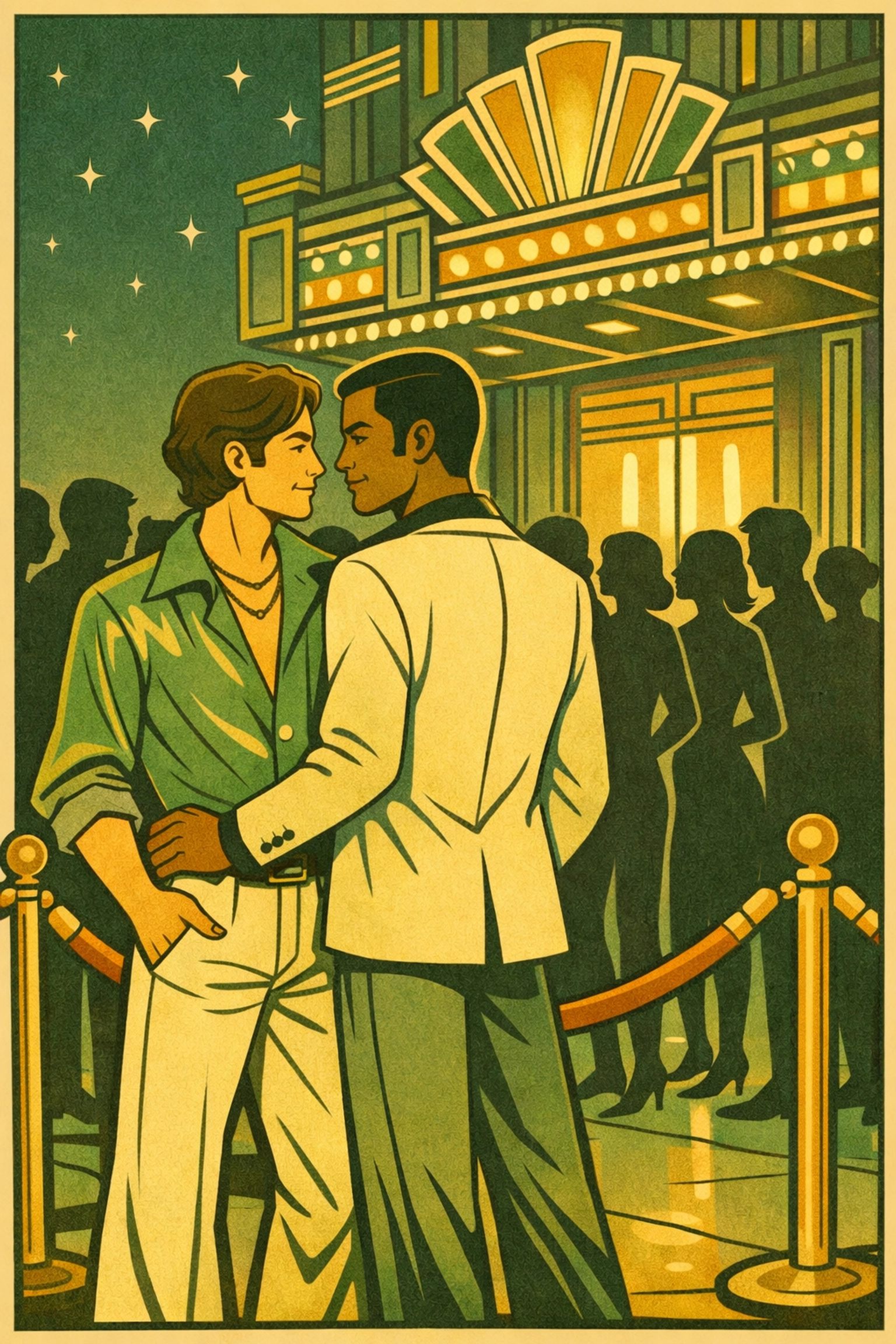
Disco wasn't just background music at Studio 54, it was the religion. DJs spun relentless beats while overhead, innovative lighting systems created theatrical effects that had never been seen in a nightclub. The famous man-in-the-moon with a cocaine spoon (yes, really) dangled from the ceiling, perfectly encapsulating the club's commitment to chemical-enhanced hedonism.
The venue operated multiple experiences simultaneously. Most nights featured disco throughout the main floor. Wednesdays and Sundays hosted "Modern Classix" nights. Down in the basement, a 32-track recording studio allowed artists to create promotional videos and host rock concerts, expanding Studio 54's influence beyond just dance music.
For those seeking darker thrills, the basement also housed the infamous VIP areas where the truly uninhibited indulged in activities that would make your grandmother faint. Gay romance thrived in these shadowy corners, where men met men without pretense or apology.
The Cultural Revolution on West 54th Street
Studio 54 emerged during economic turbulence and social upheaval. New York City was broke, crime-ridden, and crumbling. Yet inside those doors, none of that mattered. The club functioned as a temporary autonomous zone where patrons could "drop the pretense of the outside world and dance into the night."
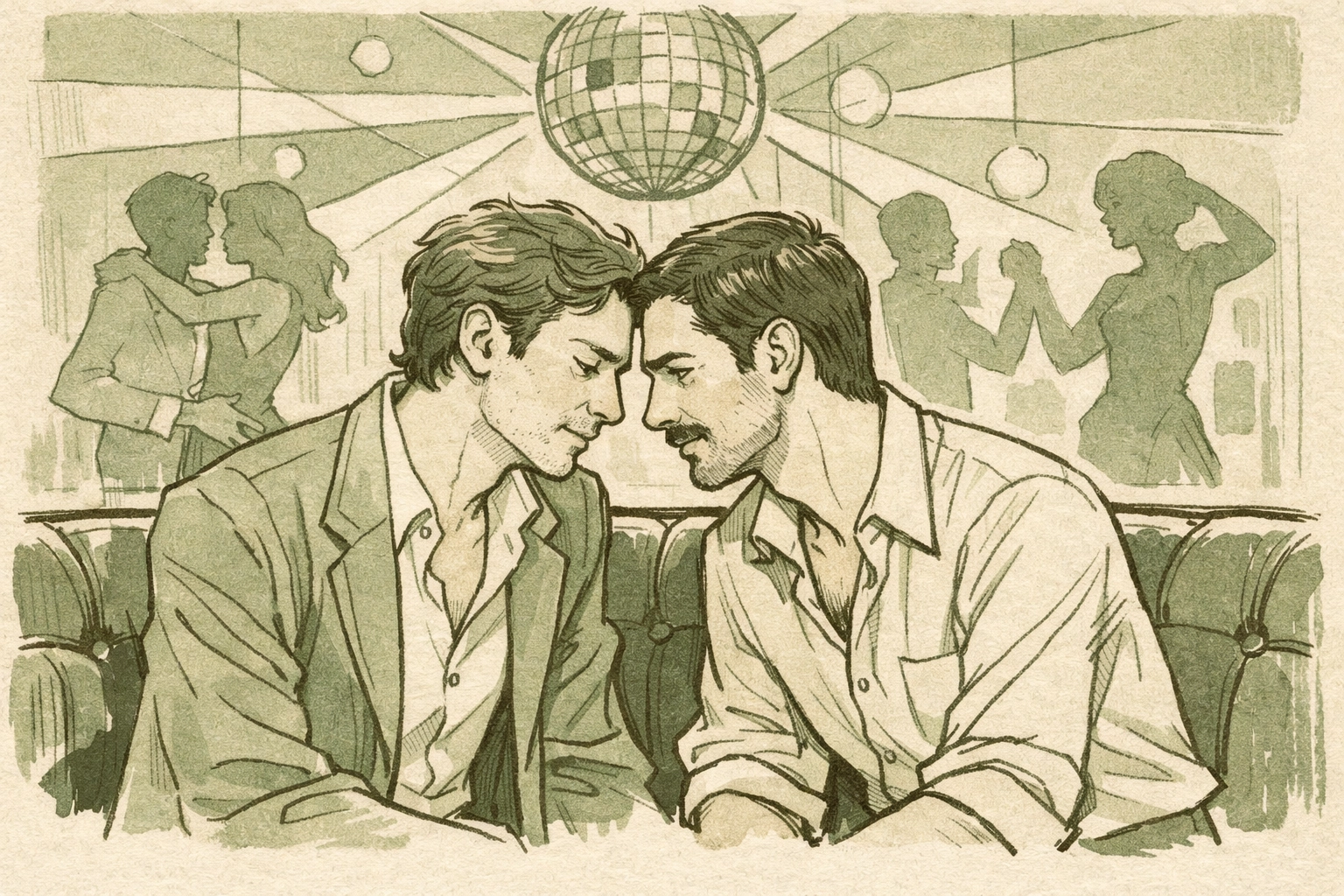
This was particularly significant for the LGBTQ+ community. While gay clubs existed, Studio 54's mainstream visibility and mixed clientele represented progress. Gay men, lesbians, bisexuals, and straight allies danced together on the same floor, under the same lights, celebrating the same liberation.
The club's aesthetic: the theatrical excess, the androgyny, the sexual fluidity: directly borrowed from New York's gay underground and brought it into the spotlight. Literally. Studio 54 took what queer venues had been perfecting for years and scaled it up for mass consumption.
Read gay fiction exploring this transformative moment in LGBTQ+ history. Browse our MM romance books at dickfergusonwriter.com.
Sex, Drugs, and Disco Balls
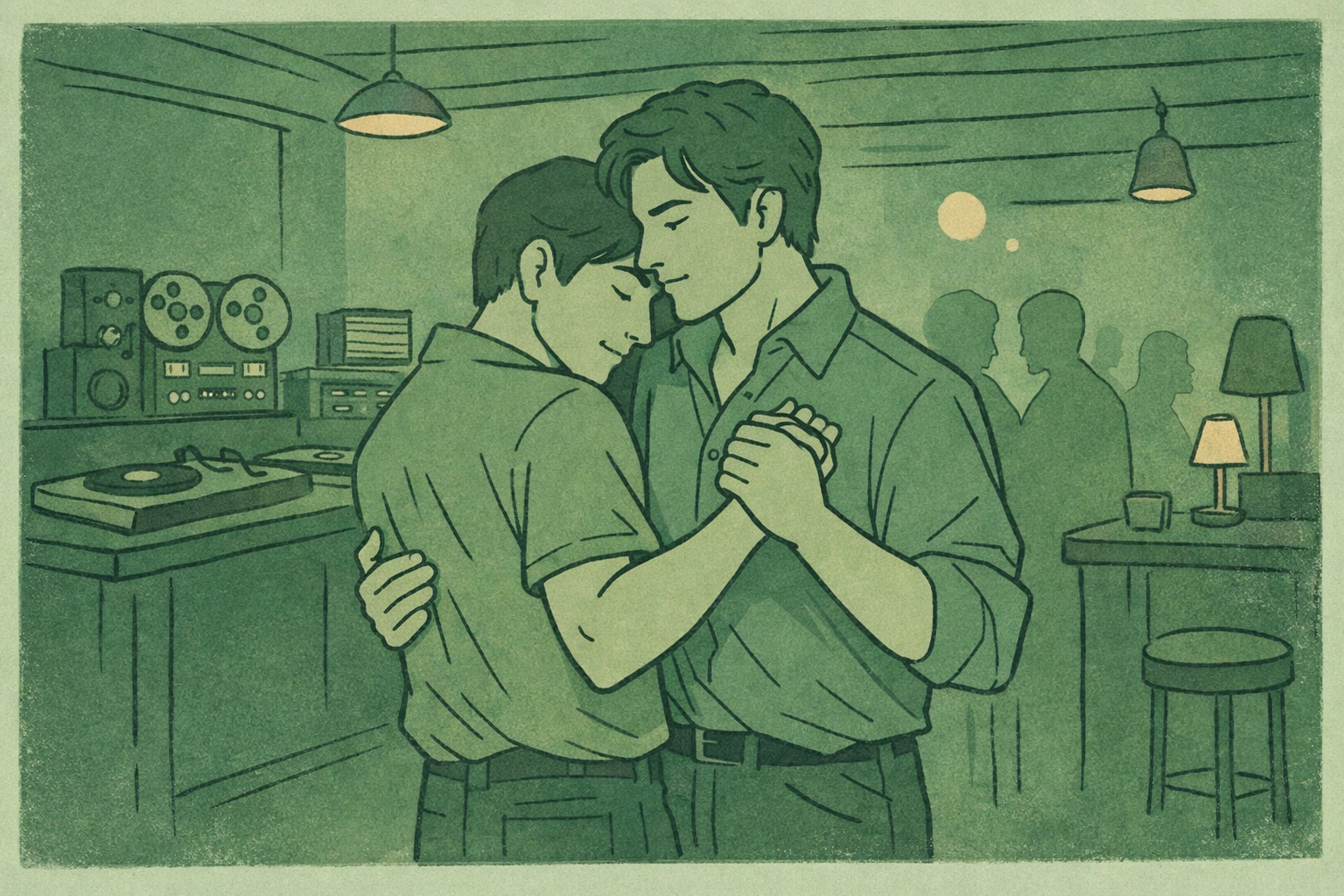
Let's address the elephant: or rather, the pile of cocaine: in the room. Studio 54 was notorious for rampant drug use and sexual hedonism. Quaaludes, cocaine, poppers, and champagne flowed as freely as the music. Private alcoves and dark corners facilitated encounters ranging from romantic to explicit.
This wasn't scandal: it was the point. Studio 54 created a judgment-free zone where consenting adults could explore pleasure without shame. For gay and bisexual men particularly, this represented profound freedom. The AIDS crisis hadn't yet devastated the community. The sexual revolution was peaking. Studio 54 captured that brief, shining moment when liberation felt limitless.
The Fall: Tax Evasion and the End of an Era
Paradise couldn't last. In December 1978, Rubell made a fatal mistake during a television interview, bragging about Studio 54's profits. The IRS took notice. Federal agents raided the club and discovered garbage bags stuffed with cash: unreported income that Rubell and Schrager had skimmed.
Both men were convicted of tax evasion in 1980. They served 13 months in federal prison, and Studio 54's golden age ended abruptly. The club continued under new management but never recaptured its original magic. It became the Ritz rock club in 1989, Cabaret Royale in 1994, and was eventually renovated into a Broadway theater in 1998.
Legacy: Why Studio 54 Still Matters
Studio 54 operated at its peak for only three years, yet its cultural impact spans decades. It represented a moment when LGBTQ+ culture, particularly gay male culture, influenced mainstream entertainment dramatically. The aesthetics, attitudes, and liberation that defined Studio 54 originated in gay clubs that had operated in the shadows for years.
The club proved that queer culture could be wildly successful commercially while remaining authentically subversive. That lesson still resonates in today's gay romance, MM fiction, and LGBTQ+ literature.
SPECIAL OFFER: Explore stories capturing disco-era liberation and gay love stories from the 1970s. Visit Read with Pride for top LGBTQ+ books and new gay releases celebrating our community's history.
Experience the Era Through Fiction
Studio 54's spirit lives on in gay historical romance and MM novels set during this transformative period. Discover emotional MM books and heartfelt gay fiction that capture the liberation, danger, and joy of 1970s queer nightlife.
Browse our complete collection:
Shop now at dickfergusonwriter.com and readwithpride.com.
Follow us on social media:
Instagram: @dickfergusonwriter
X/Twitter: @DickFergus94902
Facebook: Dick Ferguson Writer
Website: readwithpride.com
#Studio54 #GayHistory #DiscoEra #LGBTQHistory #MMRomance #GayRomanceBooks #QueerFiction #ReadWithPride #GayLiterature #GayHistoricalRomance #LGBTQBooks #GayFiction #MMNovels #GayBooks #QueerHistory #1970sNightlife #GayLiberation #GayRomance #MMFiction #LGBTQFiction #GayNovels #GayLoveStories #ReadingWithPride #WriteWithPride #GayBookClub #BestMMRomance #NewGayReleases #2026GayBooks #GayContemporaryRomance #EmotionalMMBooks

Leave a Reply
You must be logged in to post a comment.