

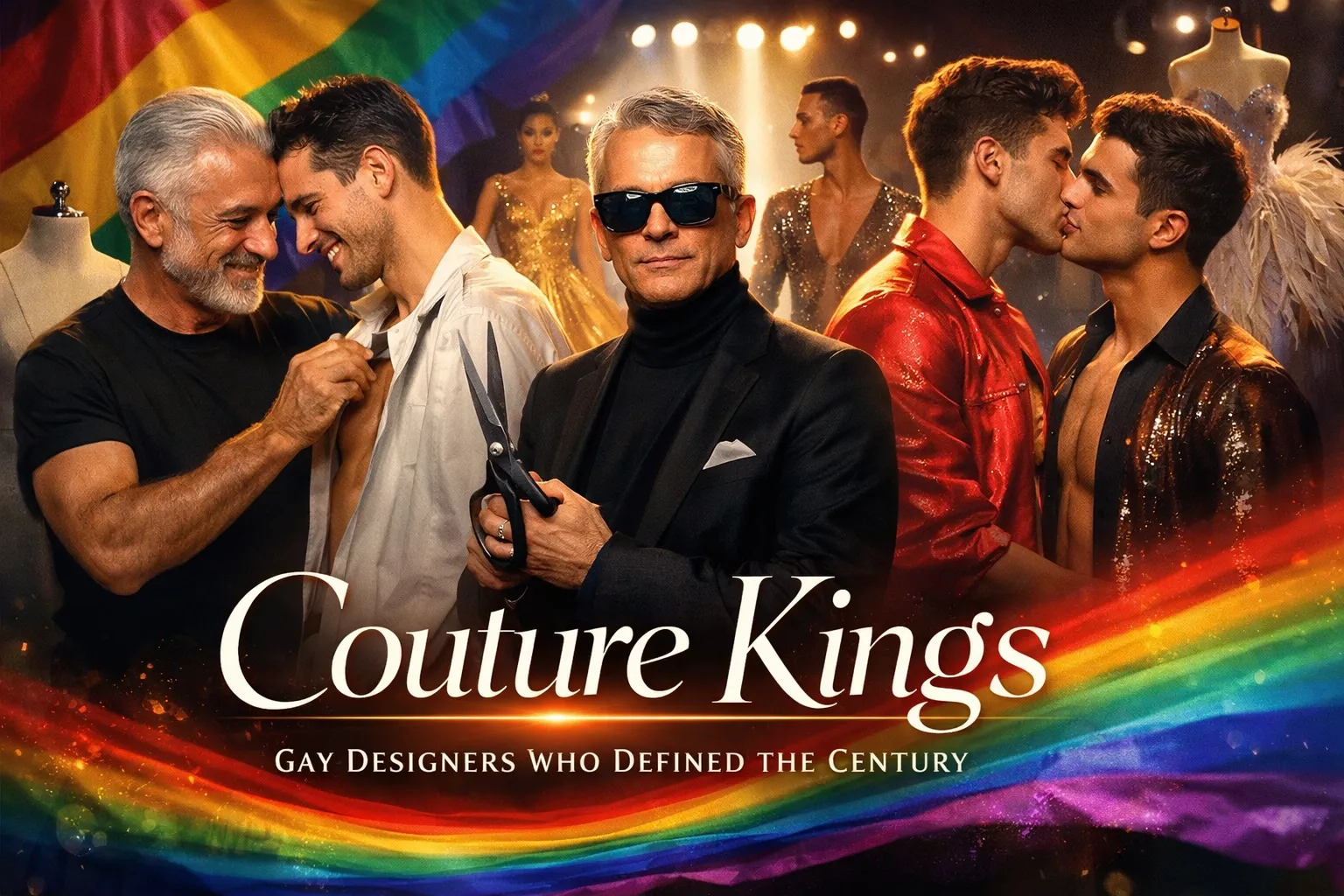
Let's talk about the men who literally dressed the world.
When you think about fashion, real fashion, the kind that stops traffic and makes headlines, you're thinking about the work of gay designers. From the moment Christian Dior unveiled his revolutionary "New Look" in 1947 to the cutting-edge collections dominating today's runways, LGBTQ+ designers haven't just participated in fashion. They've owned it, revolutionized it, and turned it into an art form that challenges everything we think we know about gender, beauty, and self-expression.
This isn't just fashion history. It's our history. And it's absolutely fabulous.
The Foundation: When Couture Became Revolutionary
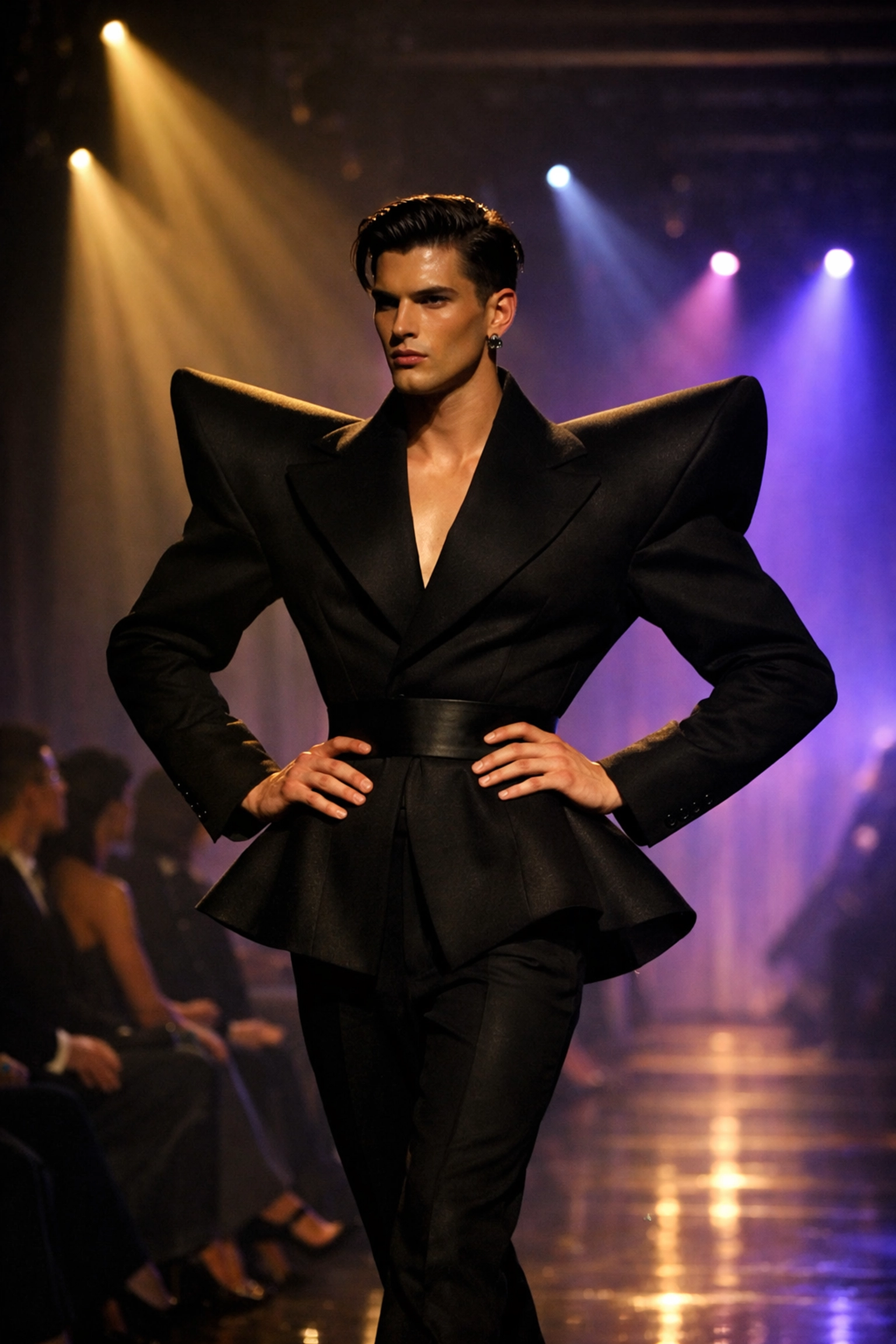
The story really kicks off in post-war Paris, when fashion needed to rediscover joy after years of rationing and restraint. Enter Christian Dior, who dropped his debut collection like a bomb on the fashion world in 1947. His "New Look", with its rounded shoulders, impossibly cinched waists, and voluminous skirts, didn't just introduce a new silhouette. It introduced a whole new way of thinking about femininity, luxury, and transformation.
Dior remained closeted throughout his life (because, you know, the 1940s weren't exactly pride parade central), but his impact was undeniable. Coco Chanel famously sniped that he'd never "known" a woman intimately, a catty observation that says more about the era's attitudes than about Dior's genius. His designs spoke a language of elegance that transcended personal biography.
Then there's Cristóbal Balenciaga, the Spanish master who founded his namesake brand with financing from his long-time partner. When that partner died, Balenciaga designed an entire collection in black, a mourning collection that was both deeply personal and utterly professional. His architectural approach to clothing construction influenced generations of designers, proving that fashion could be both emotionally profound and technically brilliant.
The Revolutionaries: Breaking Every Rule in the Book
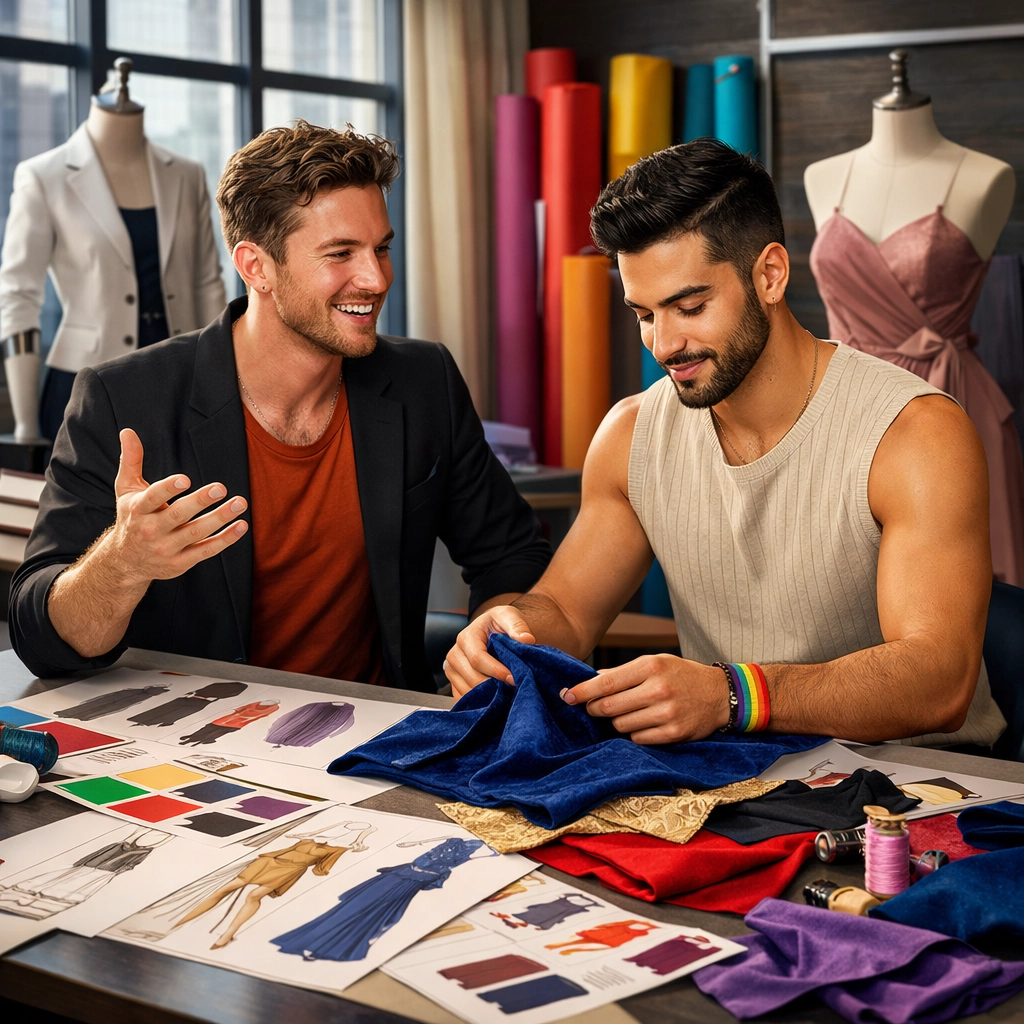
By the 1960s and 70s, the rules were ready to be shattered. Yves Saint Laurent stepped up to do exactly that. Openly gay in an era when that took serious courage, YSL pioneered ready-to-wear luxury and brought haute couture to the masses (well, the masses who could afford it, anyway). His 1966 "Le Smoking" tuxedo for women wasn't just a design: it was a cultural earthquake. Suddenly, women had access to powerful, androgynous dressing that said "I belong in the boardroom, the ballroom, and anywhere else I damn well please."
YSL introduced safari jackets, bohemian touches, and color combinations that made traditionalists clutch their pearls. He understood that fashion wasn't just about looking good: it was about feeling powerful, free, and authentically yourself. Sound familiar? That's the same energy that drives every great MM romance novel you've ever loved.
Halston brought that same liberating energy to 1970s American fashion. His minimal, modern, sexy designs capitalized on women's lib and basically invented the modern influencer by traveling everywhere with his favorite models. He made fashion feel effortless, glamorous, and accessible all at once: the Studio 54 crowd basically lived in his designs.
The Provocateurs: Fashion as Social Commentary
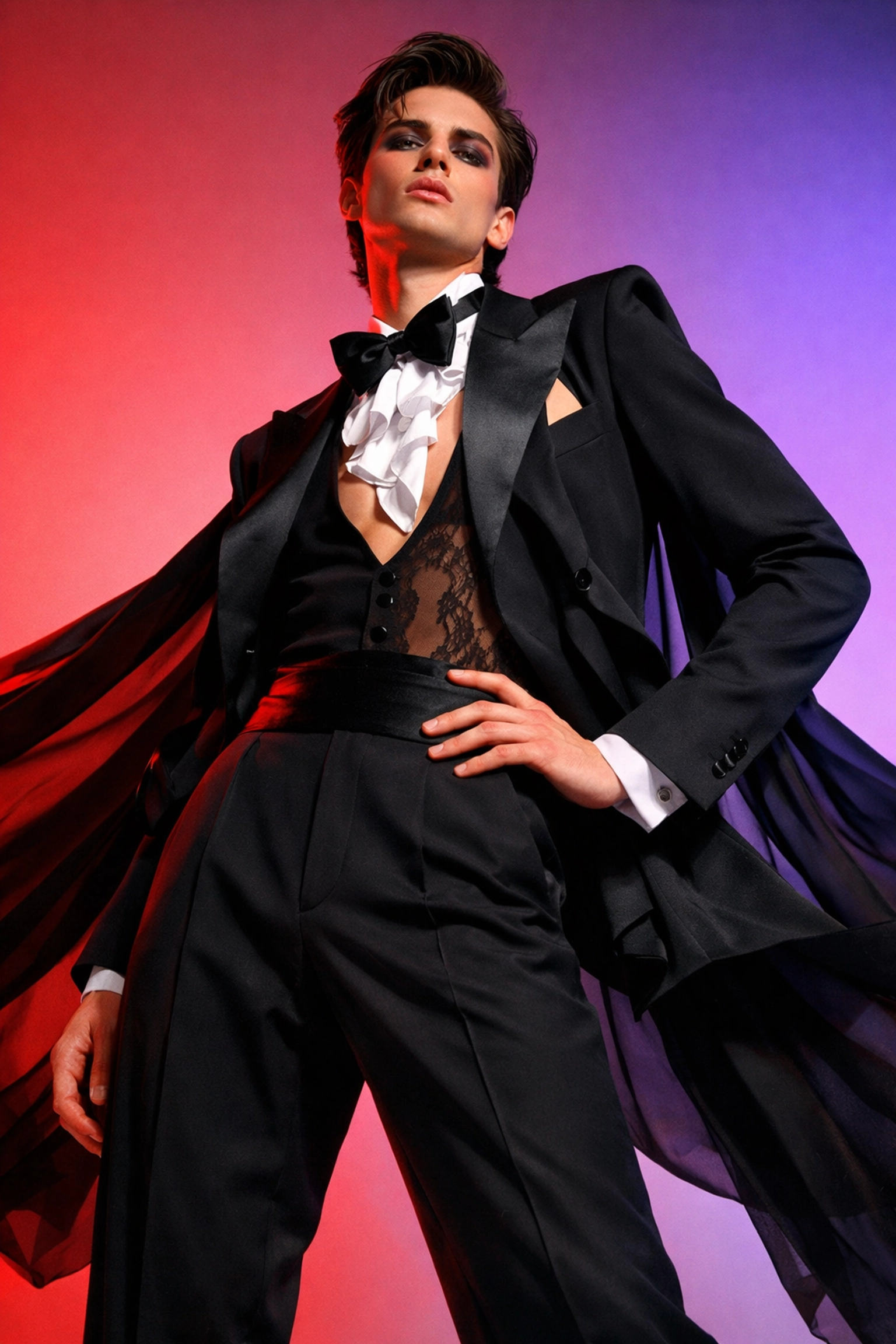
If you want to talk about designers who said "screw your gender norms," let's discuss Jean Paul Gaultier. This man put male models in miniskirts in 1980 (just four years after launching his label) and never looked back. For 50 years, he's been placing men in dresses, corsets, and anything else that challenges our boring assumptions about who gets to wear what.
Gaultier used androgynous model Andrej Pejic to showcase both menswear and womenswear, creating runway shows that felt less like fashion presentations and more like radical acts of inclusion. The "enfant terrible" label stuck because he kept earning it, show after show, season after season.
Then there's Alexander McQueen: genius, rebel, visionary. Before his tragic death in 2010, McQueen created some of the most theatrical, emotionally charged runway shows fashion has ever seen. His impeccable Savile Row tailoring met punk rock aesthetics and fine art sensibilities, resulting in collections that made you gasp, cry, and rethink everything.
McQueen knew he was gay from age six and held a marriage ceremony with his partner George Forsyth on a yacht in Ibiza in 2000. His 1996 bumster trousers: cut so low they redefined where pants could sit: influenced an entire generation of denim design. Every time you see low-rise anything, that's McQueen's legacy.
The Modern Masters: Continuing the Legacy
Karl Lagerfeld presided over Chanel for three decades like a fashion emperor, creating designs so iconic that the 2024 Met Gala dedicated its entire theme to his aesthetic. His razor-sharp wit matched his razor-sharp tailoring, and his influence continues rippling through the industry years after his 2019 death.
Tom Ford brought sleek, sexy minimalism to the forefront, transforming Yves Saint-Laurent's Rive Gauche line and later building his own empire on the foundation of impeccable tailoring and undeniable sex appeal. Ford understood that fashion could be both sophisticated and seductive, refined and rebellious.
Roland Mouret created the Galaxy dress: that figure-hugging masterpiece that celebrated curves and became the red carpet staple for everyone from Kate Middleton to Scarlett Johansson. One dress, infinite impact.
Why This Matters (Beyond the Runway)
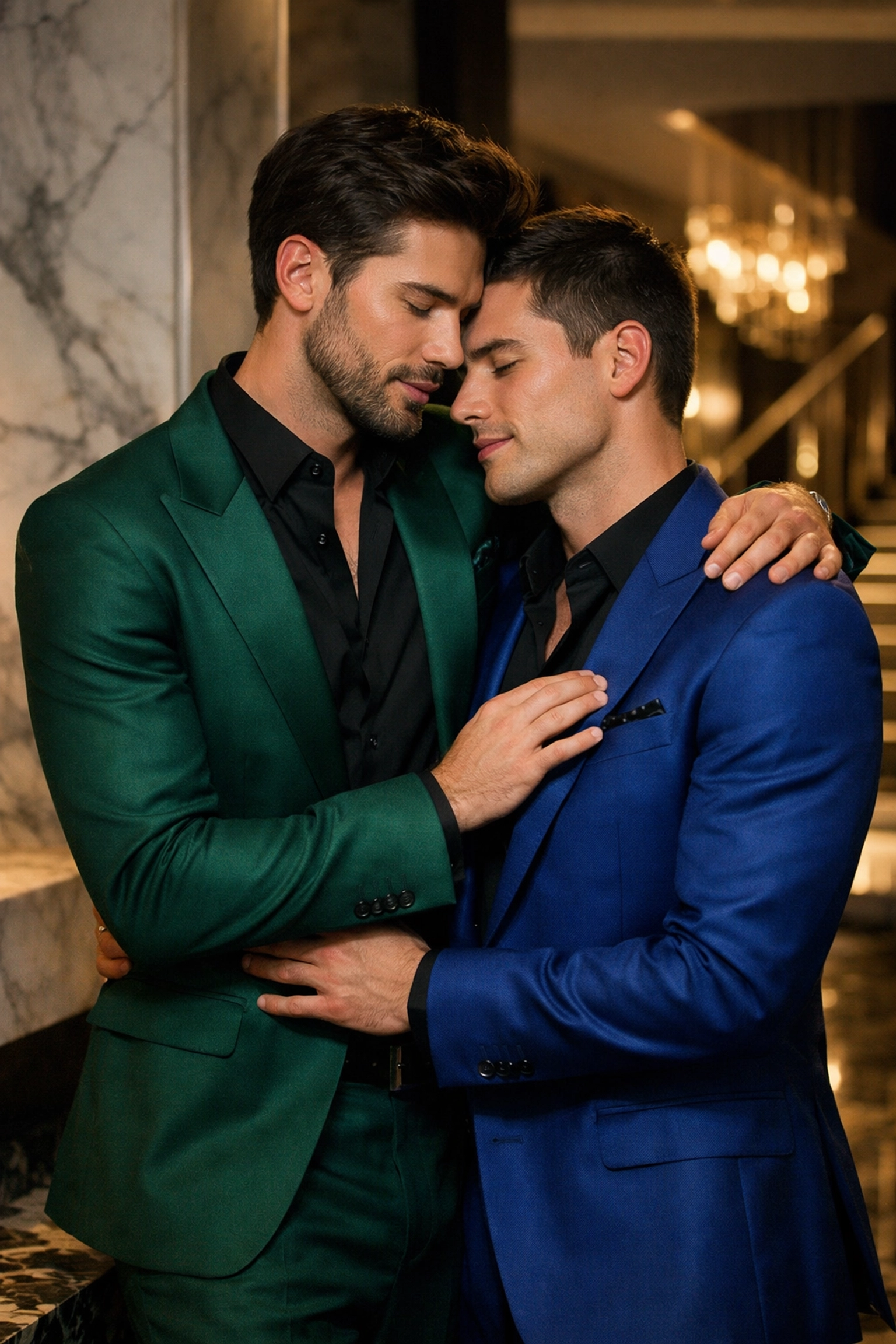
Here's the thing about these designers: they didn't just make beautiful clothes. They created spaces where people could explore identity, challenge norms, and express themselves authentically. They proved that creativity flourishes when you reject conformity and embrace who you really are.
That same spirit of authentic self-expression? It's what makes great gay romance novels and MM romance books so compelling. Whether you're reading about characters finding love against the odds or watching a designer put men in skirts on a Paris runway, you're witnessing the same fundamental truth: people deserve to be themselves, loudly and proudly.
The fashion world has largely embraced gay designers because, quite simply, they're the best at what they do. Their names continue gracing collections long after their deaths because their visions transformed how we see beauty, gender, and possibility.
When you pick up a gay romance book from Read with Pride, you're continuing that tradition of celebrating LGBTQ+ creativity, resilience, and vision. These designers showed us that the best art comes from authentic voices telling authentic stories: whether those stories unfold on runways, in ateliers, or between the pages of your favorite LGBTQ+ fiction.
So here's to the couture kings who stitched together not just garments, but entire worlds of possibility. Their legacy isn't just in museum archives and vintage collections: it's in every person who's ever used fashion (or fiction, or any art form) to declare exactly who they are.
And that's something worth celebrating, darling.
Want more stories celebrating LGBTQ+ creativity and culture? Follow us on Instagram, Facebook, and X for daily doses of pride, and discover your next favorite gay romance or MM contemporary read at ReadwithPride.com.
#CoutureKings #GayDesigners #LGBTQHistory #FashionHistory #ReadWithPride #QueerCreatives #MMRomance #GayRomanceBooks #LGBTQFiction #QueerFashion #YSL #AlexanderMcQueen #JeanPaulGaultier #GayLiterature #PrideReading #AuthenticVoices #LGBTQ2026 #QueerArt #GayBooks #MMRomanceBooks

Leave a Reply
You must be logged in to post a comment.