

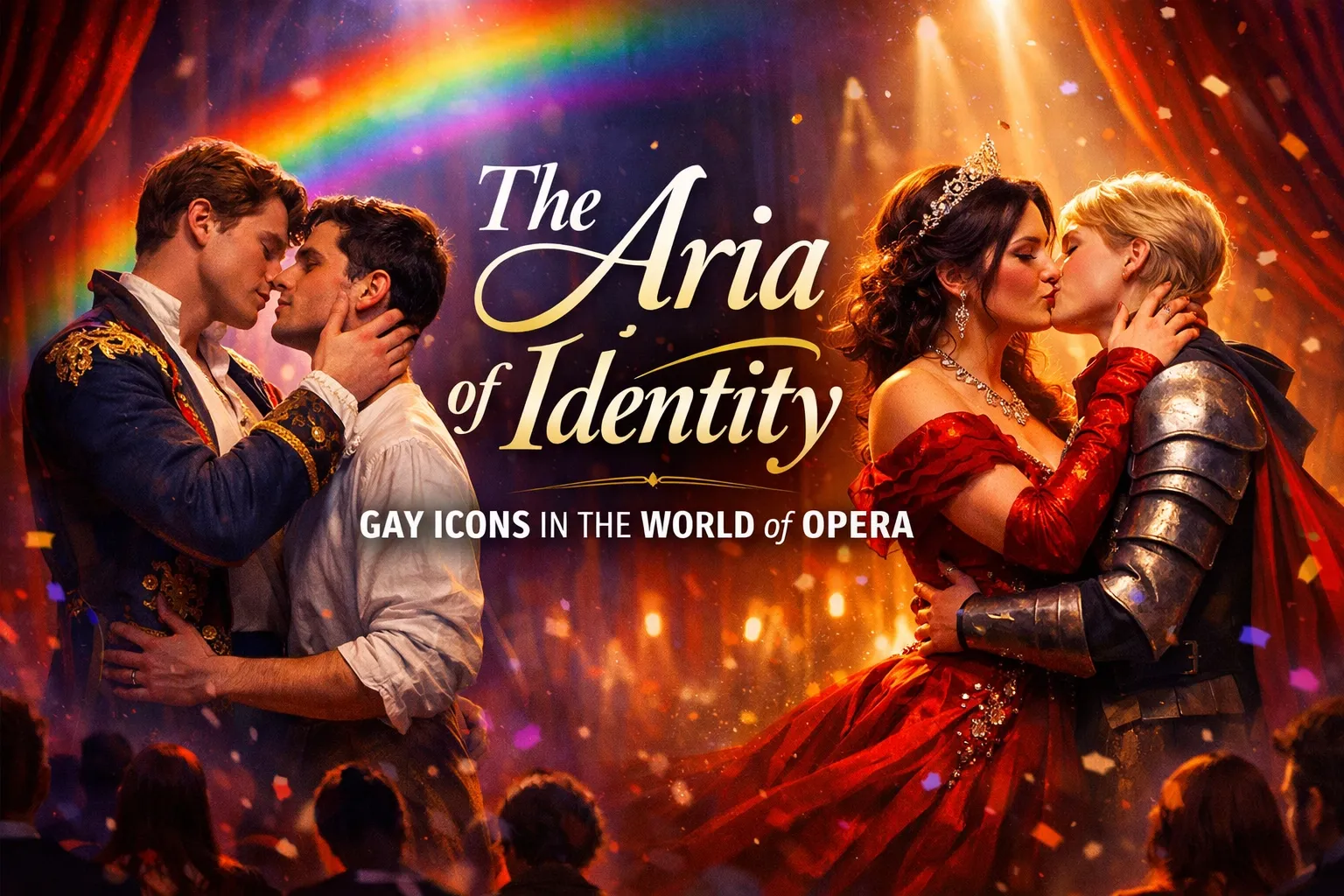
Let's be real, opera has always been incredibly gay. Not just in the campy, dramatic sense (though yes, absolutely that too), but in the literal, historical, deeply meaningful sense. For centuries, opera houses have been sanctuaries where queer artists found their voice, where coded love stories played out under the guise of mythology, and where emotional extremity wasn't just accepted, it was celebrated.
Today, we're diving into the glittering, sometimes tragic, always extraordinary world of LGBTQ+ icons in opera. From composers who channeled their hidden identities into haunting melodies to contemporary performers who are rewriting what it means to stand center stage, this is a story of passion, resilience, and art that refuses to be silenced.
When Opera Was the Closest Thing to a Safe Space
Before Pride parades and marriage equality, opera companies provided something invaluable: employment, dignity, and a place where being different wasn't just tolerated, it was practically a job requirement. The Santa Fe Opera, founded in 1956, became quietly known as a welcoming space for gay artists when few other professional environments offered anything close.
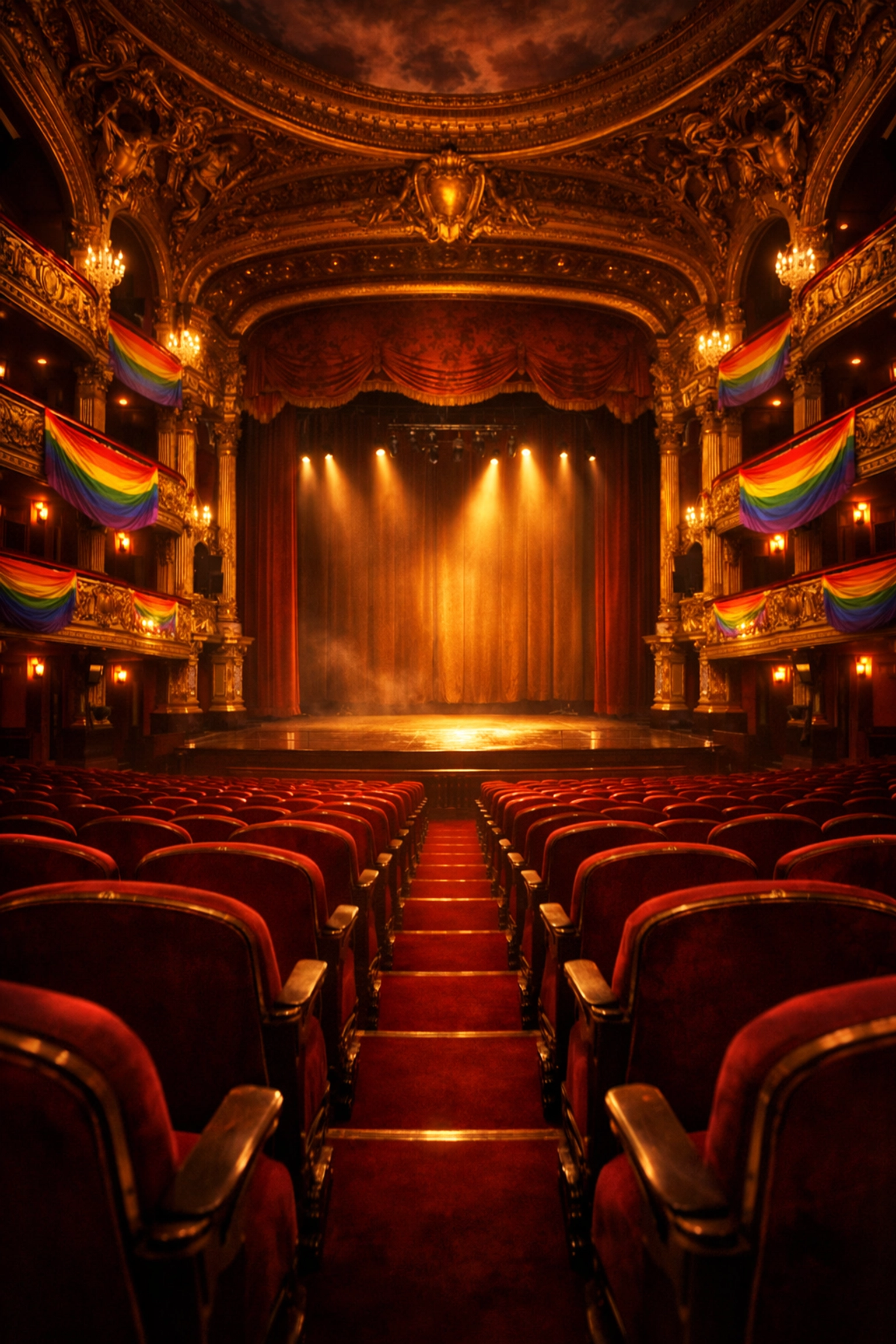
The emotional language of opera, those soaring arias about forbidden love, impossible choices, and societal rejection, resonated deeply with queer audiences who understood those themes intimately. It wasn't just about the music; it was about seeing your own struggles reflected back at you in grand, beautiful, devastating ways.
But this acceptance came at a cost. When the AIDS crisis devastated communities in the 1980s and 90s, the New York City Opera was hit particularly hard, revealing just how central gay men were to every aspect of opera's operations, from the stage to the administrative offices. The industry lost an entire generation of talent, and opera has never quite been the same.
The Composers Who Changed Everything
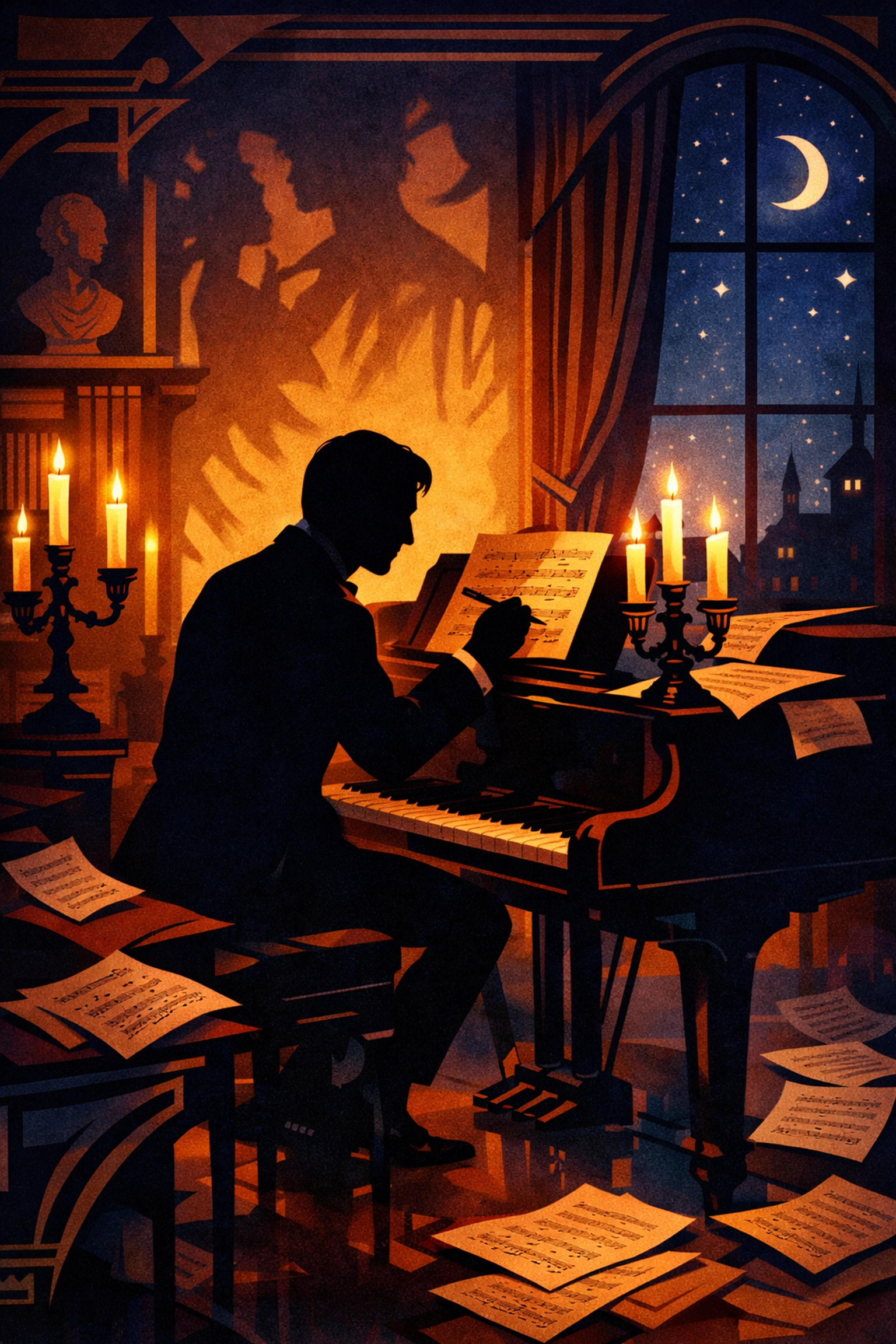
Francis Poulenc stands as one of opera's most important queer voices. The French composer poured his internal conflicts, between his sexuality and his Catholic faith, into works like Dialogues des Carmélites. While he wasn't performing on stage, his music spoke volumes about the experience of living between worlds, of loving in ways that society deemed unacceptable.
Then there's Benjamin Britten, whose Death in Venice (1973) became one of the first major operas to directly address homosexual desire. Sure, it ends in tragedy (spoiler: most early queer narratives did), but the mere fact of portraying that desire openly was revolutionary. Britten, along with his partner Peter Pears, fundamentally shaped 20th-century opera while living as openly as their era allowed.
Leonard Bernstein brought his genius to both Broadway and the opera house, creating works that pushed boundaries while never quite being able to live his truth publicly. His complexity: married with children while maintaining relationships with men: reflected the impossible choices many queer artists faced in that era.
Characters Finally Getting Their Due
Here's a wild fact: the first overtly gay character in opera didn't appear until 1937. Countess Geschwitz in Alban Berg's Lulu broke ground simply by existing as an openly lesbian character, even though (surprise, surprise) her story ends badly.
For decades, LGBTQ+ narratives in opera were either non-existent or wrapped in so many layers of mythology and allegory that you needed a decoder ring to spot them. But the 1990s changed the game. Suddenly, we got operas like Peter Eötvös's Angels in America (2004), featuring Prior Walter and Belize: characters living with HIV but also living, period. Not defined solely by tragedy, but by friendship, humor, and humanity.
Stewart Wallace's Harvey Milk brought the first openly gay elected official in American history to the operatic stage. Charles Wuorinen adapted Brokeback Mountain (2014), and Gregory Spears's Fellow Travelers (2016) explored queer love during the McCarthy era. These works didn't shy away from the real pain of homophobia, but they also centered queer joy, desire, and resistance.
The Performers Changing the Narrative
Patricia Racette did something radical: she came out publicly during her career as a leading soprano. While performing at venues like the Metropolitan Opera and San Francisco Opera, she lived openly with her wife, mezzo-soprano Beth Clayton. In an industry where many still advised silence, Racette's visibility mattered enormously.
David Daniels redefined what masculinity could mean in opera. As the first openly gay countertenor to achieve global fame, this Grammy-winning specialist in Handel and Baroque opera proved that authenticity and artistry aren't just compatible: they're inseparable.
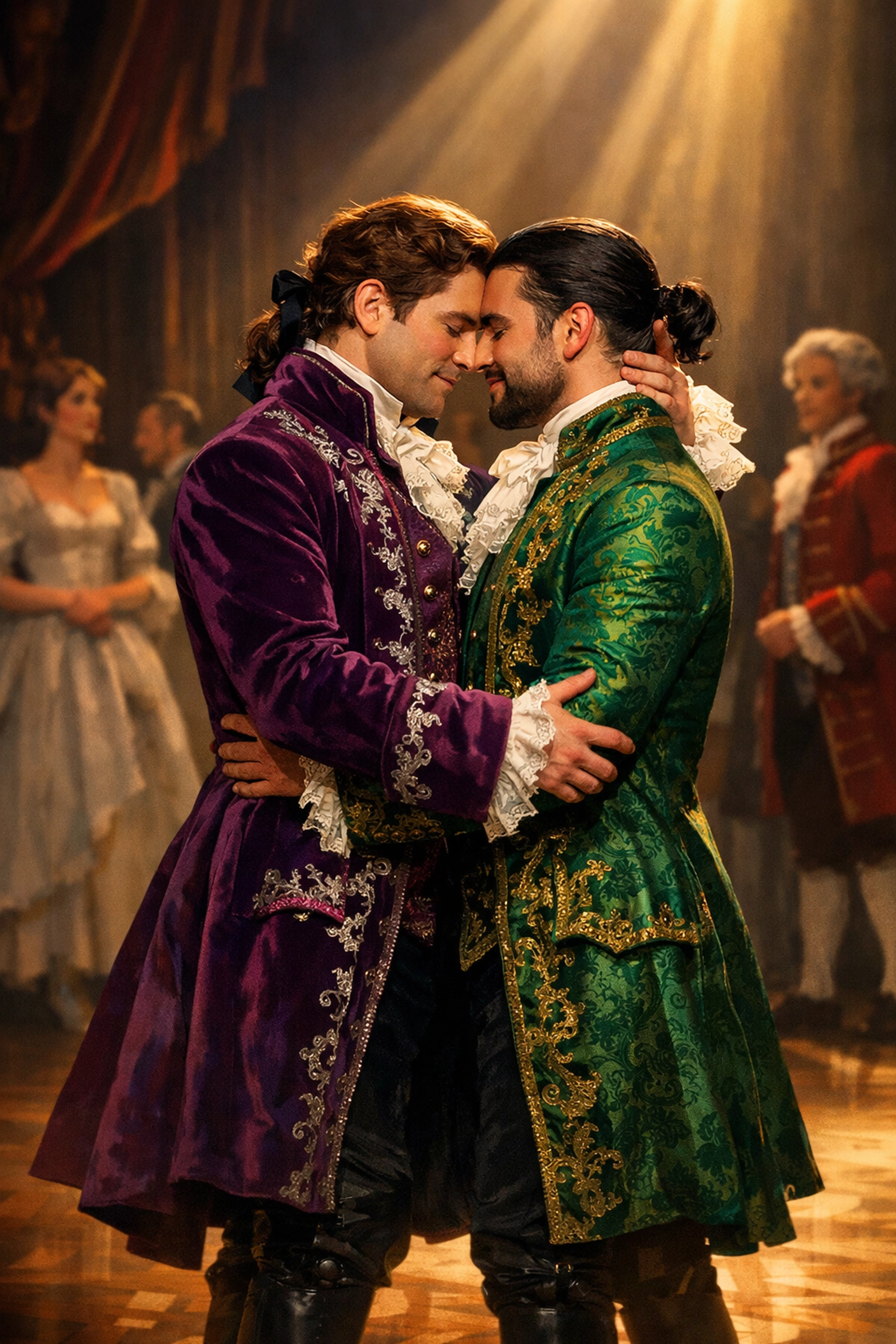
Ned Rorem took it even further. The Pulitzer Prize-winning composer was unapologetically open about his sexuality at a time when that could have ended careers. His memoirs chronicled his romantic life with startling candor, while his vocal music and operas like Our Town became staples of American repertoire. Rorem didn't just compose music; he composed a life lived entirely on his own terms.
And then there's Lucia Lucas, who made history as the first trans woman to perform a principal role on the U.S. operatic stage. Her American debut singing the title role of Don Giovanni at Tulsa Opera wasn't just a performance: it was a statement about who gets to tell stories and whose voice matters.
Why This All Matters (Especially Now)
Opera isn't some dusty relic from a bygone era. It's a living, breathing art form that continues to evolve, and LGBTQ+ artists are leading that evolution. The genre that once forced queer narratives into coded allegory now celebrates artists who sing their truths openly.
When you see a trans woman performing Don Giovanni, when you watch a soprano who's out and proud take center stage at the Met, when you hear new operas that center queer joy rather than just queer suffering: that's progress. That's what happens when we move from survival to celebration.
These stories matter because representation in art shapes how we see ourselves and each other. Every time a queer composer's work gets performed, every time an out performer takes their bow, every time a new opera tells our stories with nuance and authenticity, it makes space for the next generation.
The opera world still has work to do: there are still too few LGBTQ+ narratives that don't end in tragedy, still too few opportunities for trans and non-binary performers, still too many barriers to entry. But the trajectory is clear. Opera is becoming what it always secretly was: magnificently, unapologetically queer.
The Encore
From Francis Poulenc composing his internal conflicts into sublime music, to Lucia Lucas shattering expectations about who can sing what, LGBTQ+ artists have shaped opera into something extraordinary. They've transformed a genre known for its tradition into a space where authenticity and artistry create magic.
So next time you're looking for your next great read or wanting to explore more LGBTQ+ stories across all art forms, remember that the operatic tradition of bold, beautiful queer storytelling continues. Whether you're into MM romance books, gay historical fiction, or just love a good story about people finding their voice, Readwithpride.com has something for you.
Because at the end of the day, whether it's on the operatic stage or in the pages of a novel, queer stories deserve to be heard: in all their complicated, messy, magnificent glory.
Follow us for more LGBTQ+ stories and recommendations:
Facebook: Read with Pride
Instagram: @read.withpride
Twitter/X: @Read_With_Pride
Website: readwithpride.com
#ReadWithPride #LGBTQOpera #GayIcons #QueerArtists #OperaHistory #MMRomance #GayRomanceBooks #LGBTQBooks #QueerFiction #GayLiterature #GayBooks #LGBTQFiction #GayNovels #QueerStories #LGBTQReading #GayHistoricalRomance #MMRomanceBooks #2026GayBooks #OperaLovers #LGBTQHistory #QueerArt #GayComposers #PrideReading #AuthenticStories

Leave a Reply
You must be logged in to post a comment.