

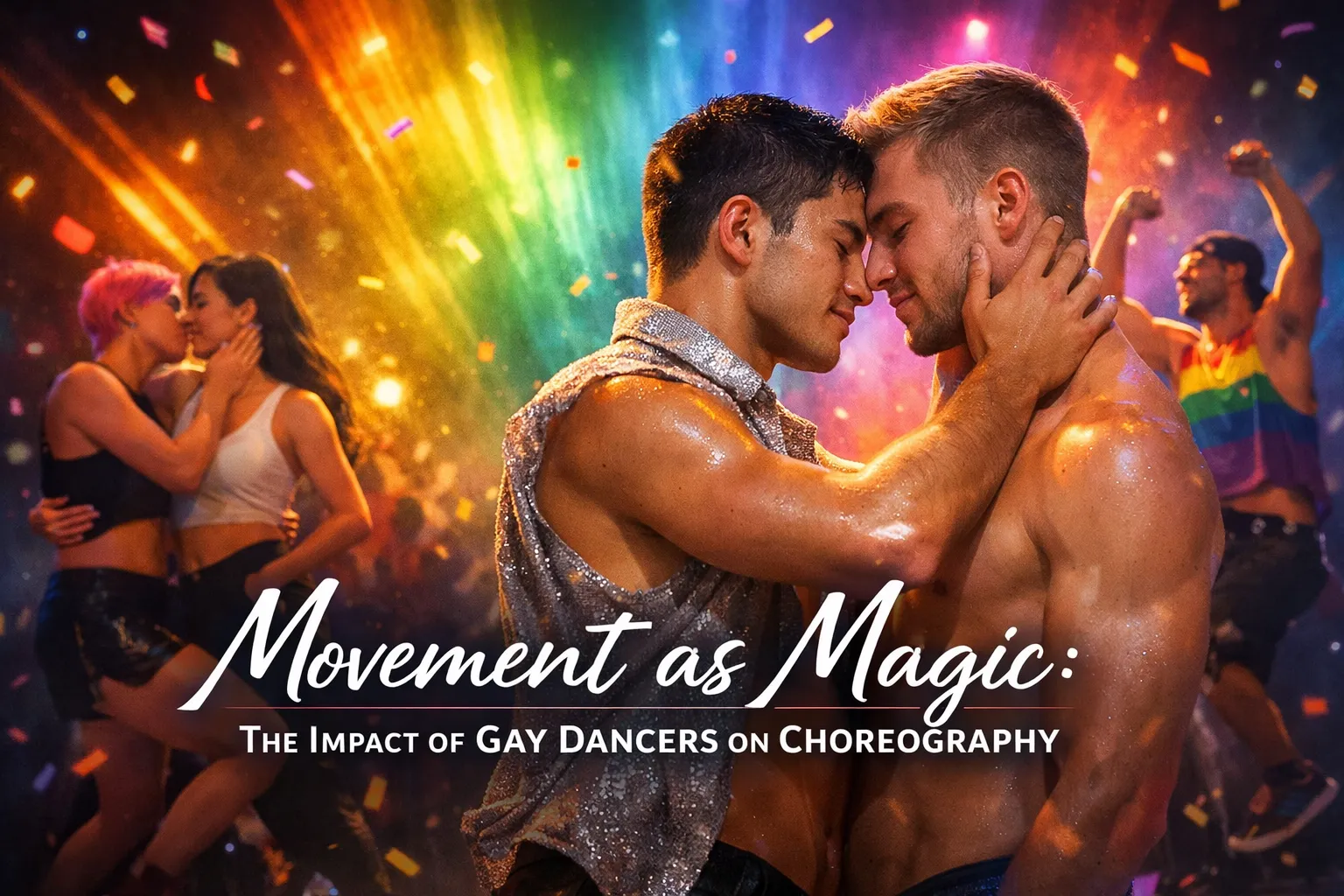
When you think about dance, what comes to mind? Maybe it's the graceful pirouettes of ballet, the fierce energy of hip-hop, or the sultry moves on a club dance floor. But here's something that often goes unspoken: gay dancers and choreographers haven't just participated in dance history: they've fundamentally reshaped it. From the stages of the Ballets Russes to the underground ballrooms of Harlem, queer artists have pioneered movements, created entirely new dance forms, and expanded what bodies can express through motion.
At Read with Pride, we celebrate the stories that often go untold, and the history of gay dancers is one of the most spectacular: and overlooked: narratives in the arts. So let's dive into how LGBTQ+ artists turned movement into magic and changed choreography forever.
The Hidden Revolutionaries
Let's start with a name you might recognize: Alvin Ailey. His masterpiece "Revelations" remains one of the most performed ballets in the world, fusing modern dance, ballet, and jazz while centering Black cultural and spiritual experiences that mainstream choreography had completely ignored. What many people don't know? Ailey was gay, though he kept his identity hidden throughout his career due to the era's oppressive climate.
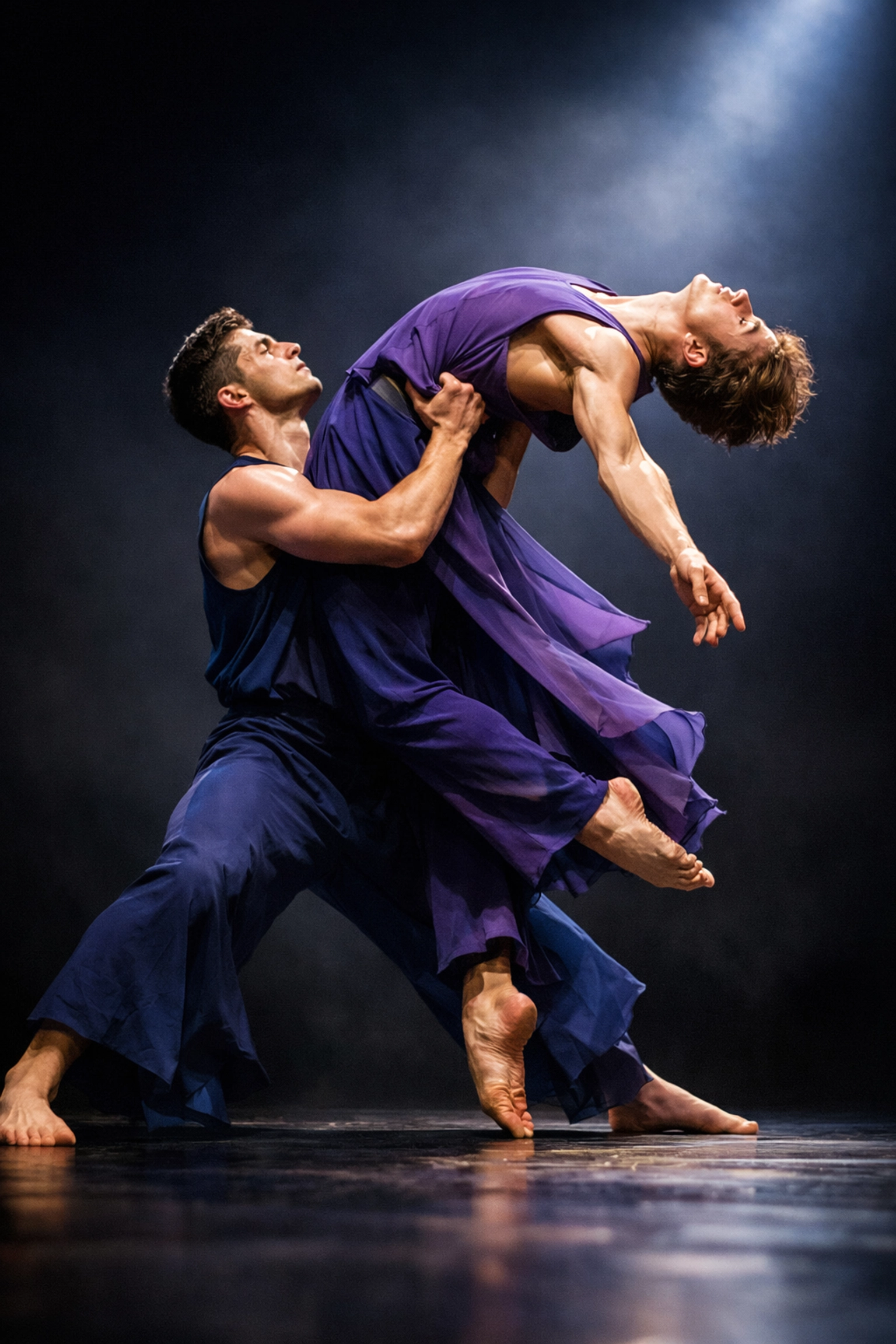
But here's the thing: even when forced into the closet, queer artists found ways to infuse their authentic perspectives into their work. Ailey's choreography broke boundaries not just in technique but in whose stories deserved to be told on stage. His work proved that marginalized narratives: whether about race, spirituality, or the human condition: could create art that resonates universally.
The same pattern appears throughout dance history. The Russian Imperial Ballet and the Ballets Russes: which fundamentally shaped Western ballet: were led by figures like Sergei Diaghilev, Vaslav Nijinsky, and Michel Fokine, many of whom were gay. Yet much of this queer history was actively suppressed or erased, hidden behind euphemisms and coded language.
Creating Entirely New Languages of Movement
But gay dancers didn't just transform existing styles: they invented whole new ones. And we're not talking about subtle tweaks; we're talking about cultural phenomena that shaped how entire generations move, express themselves, and connect.
Voguing, for instance, was created by Black and Latino LGBTQ+ communities in Harlem. Born out of the ballroom scene: a space founded by African-American and Latino queer youth in late 20th-century New York: voguing became a revolutionary form of self-expression and competition. It was art, activism, and survival all at once. The ballroom wasn't just about dance; it was about creating family, celebrating identity, and claiming space in a world that tried to erase queer people of color.
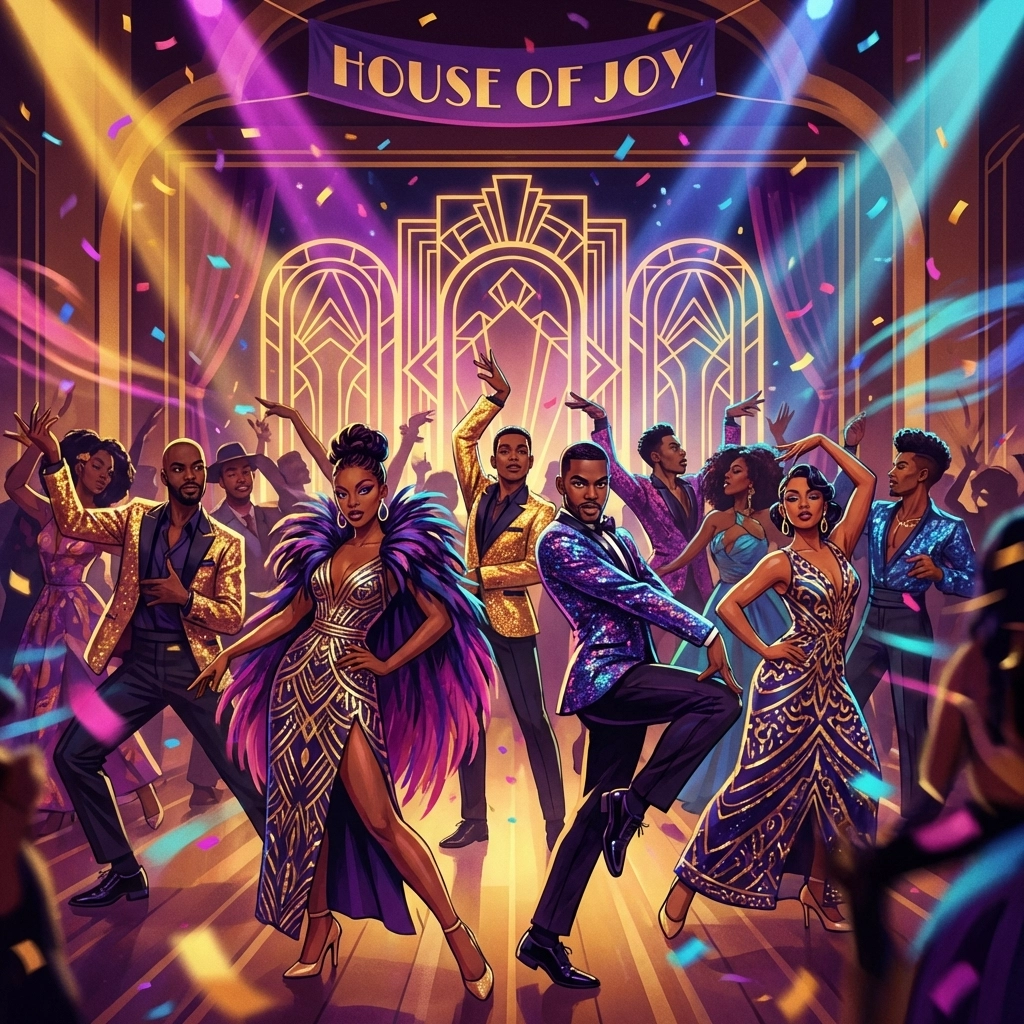
Then there's house music and dance, which traces its roots directly back to disco and the underground Loft Parties of 1970s New York, pioneered by gay dancers including Larry Levan and Frankie Knuckles. These weren't just parties: they were sanctuaries where queer people could be themselves, move freely, and create something entirely new. The pulsing beats and fluid movements that emerged from those dance floors would go on to influence global pop culture.
What's striking is how these art forms emerged from marginalization. When you're excluded from traditional spaces, you don't just knock on the door: you build your own house, create your own rules, and invent your own language. That's exactly what queer dancers did, and the world is richer for it.
The Personal Is Choreographic
Here's where it gets really interesting: many gay choreographers openly acknowledge that their queer identity fundamentally shapes their artistic vision. Choreographer Ronald K. Brown put it beautifully: "my spirituality is fed by my being gay."
Christopher Williams noted that "our sense of beauty is undeniably influenced by our sexuality," and dance: which celebrates the male body's power, grace, and vulnerability: naturally attracts gay artists who can authentically express this perspective without apology.
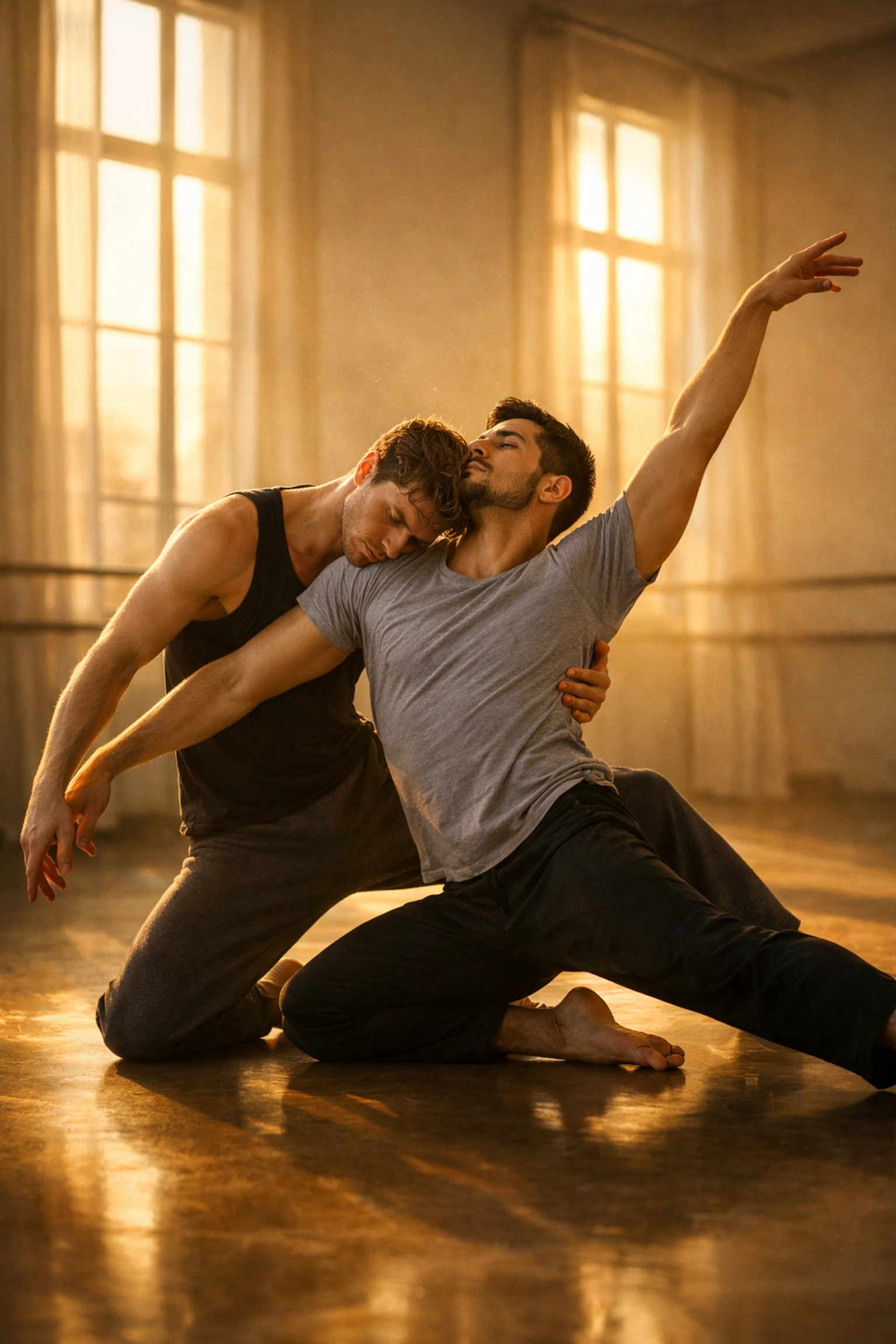
This authenticity created space for groundbreaking work. When choreographer Lar Lubovitch premiered "Concerto 622" at an AIDS benefit in 1986, its central male duet was conceived as a tribute to friends supporting each other during the crisis. It was a rare moment where the emotional reality of gay men appeared openly on the ballet stage: not coded, not hidden, but proudly visible.
Bill T. Jones and Arnie Zane took this even further, presenting gay life as "a joyous fact of life personally and communally." Their partnership: both romantic and artistic: established a model where queer experience wasn't just tolerated but celebrated as central to the work itself. They didn't hide; they radiated.
Breaking Down the Binary
Contemporary queer choreographers continue pushing boundaries, and one of the most exciting developments is the de-gendering of traditional dance roles. In swing culture, dancers like Adam Brozowski have worked to dismantle the rigid "lead and follow" binary, expanding possibilities for who can dance with whom and how.
This matters because traditional dance has often been deeply heteronormative, with roles strictly assigned by gender. But queer dancers are asking: Why? Why can't two men follow each other? Why can't roles be fluid? Why can't we create something entirely new?
Artists including Rosie Herrera, Miguel Gutierrez, Mark Dendy, Larry Keigwin, and Brian Sanders have made LGBTQ+ cultural expression as central to their choreography as any other subject matter. They're not creating "gay dance": they're creating dance that happens to be brilliantly, authentically queer, and in doing so, they're expanding what's possible for all dancers.
The Ongoing Evolution
The influence of gay dancers on choreography isn't just historical: it's ongoing and evolving. Every time a queer choreographer centers a same-sex love story on stage, every time a non-binary dancer challenges traditional gender presentation, every time ballroom culture influences mainstream pop choreography, the legacy continues.
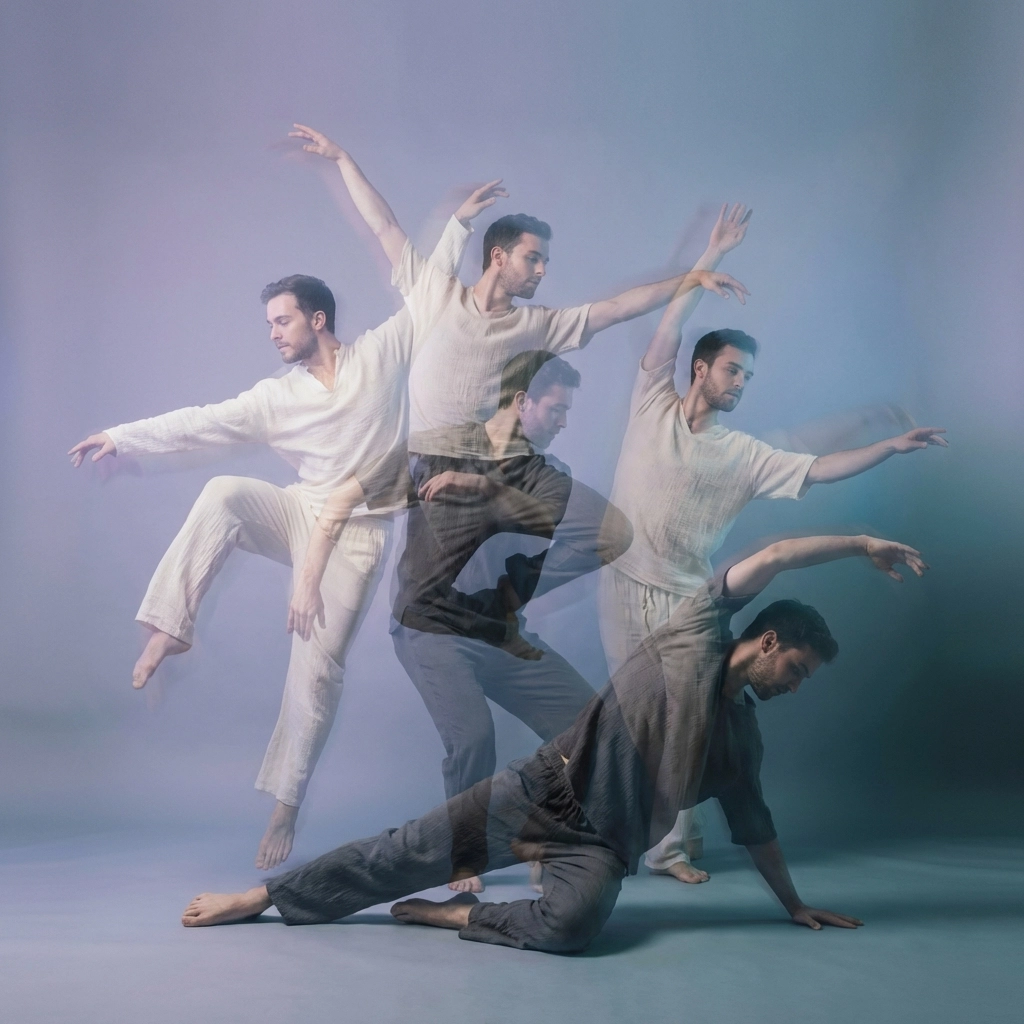
At Read with Pride, we're passionate about amplifying LGBTQ+ stories in all forms: from the MM romance books and gay fiction we publish to the cultural history we celebrate. Because these stories matter. They show us that queer people haven't just survived despite marginalization: we've thrived, creating art that enriches the entire world.
The next time you watch a performance, whether it's ballet, contemporary, hip-hop, or something entirely new, remember: there's a good chance a gay choreographer pioneered some of those moves. There's a good chance queer dancers pushed the boundaries of what bodies could express. There's a good chance the beauty you're witnessing was created by people who were told they didn't belong: and responded by creating something extraordinary.
Moving Forward
Dance, like all art, evolves through the contributions of diverse voices. The impact of gay dancers and choreographers on the field isn't a footnote: it's the main text. From Alvin Ailey's spiritual revelations to the fierce poses of voguing, from intimate male duets to gender-fluid partnering, queer artists have consistently asked: What more can movement say? What stories haven't been told? What magic can we create?
The answer, it turns out, is limitless. Because when you're denied access to traditional spaces, you don't just adapt: you revolutionize. You create new forms, new languages, new possibilities. You turn movement into magic.
And that's a legacy worth celebrating: one pirouette, one vogue, one revolutionary dance at a time.
Want more LGBTQ+ stories that celebrate our incredible history and culture? Check out our collection of gay romance books, MM fiction, and queer literature at Read with Pride. Because every story deserves to be told with pride.
Follow us on Instagram, Facebook, and X for more LGBTQ+ content celebrating our community's creativity, resilience, and artistry.
#LGBTQHistory #GayDancers #QueerArt #BallroomCulture #Voguing #DanceHistory #LGBTQCulture #QueerChoreography #MMRomance #GayFiction #ReadWithPride #LGBTQBooks #QueerLiterature #GayRomanceBooks #PrideReading #LGBTQRepresentation #QueerStories #AuthenticVoices

Leave a Reply
You must be logged in to post a comment.