

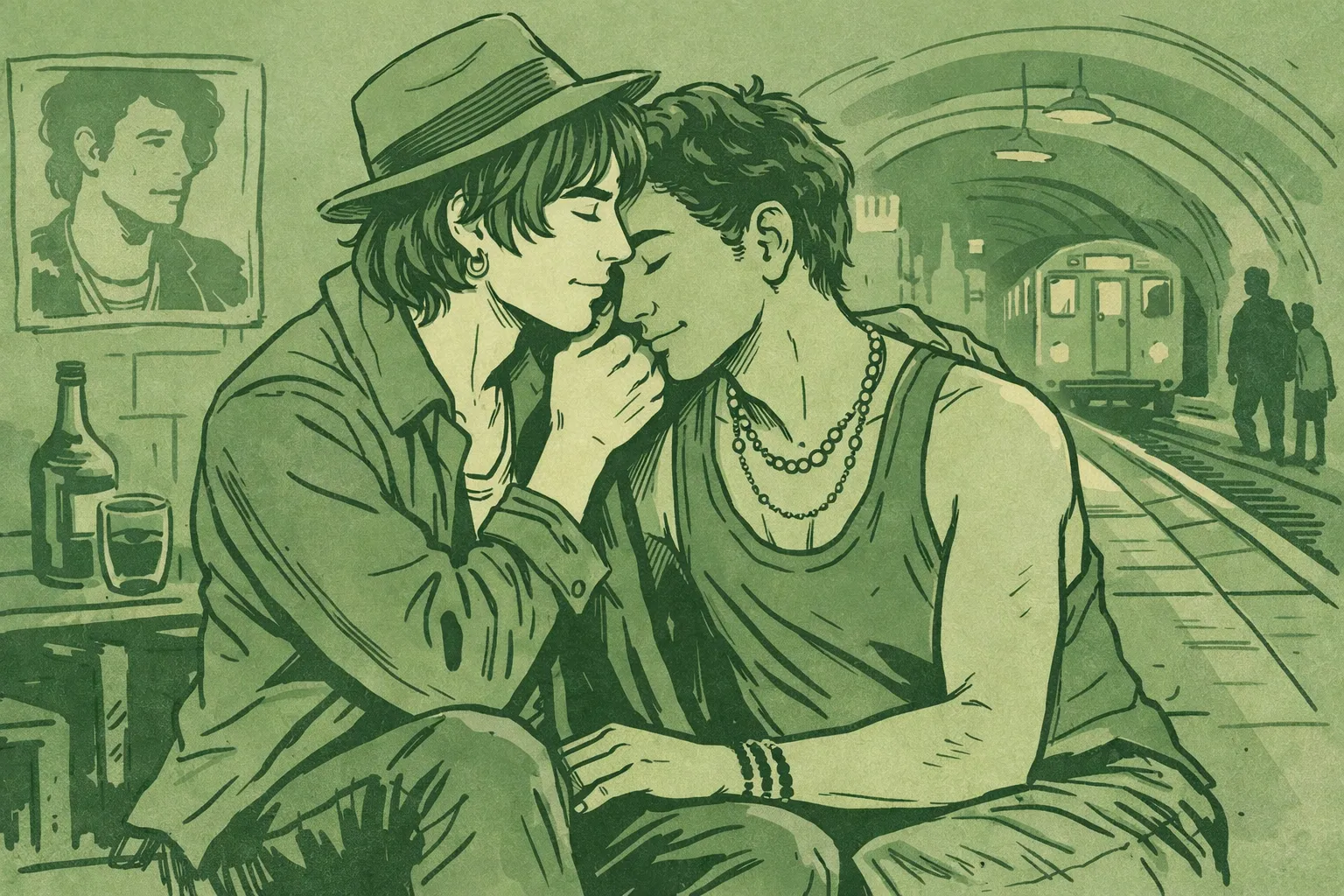
When we talk about gender-fluid icons who changed the game decades before it was even a conversation, Jackie Curtis stands at the front of the line. Born John Curtis Holder Jr. on February 19, 1947, Curtis was a playwright, performer, and Warhol Superstar who made downtown New York's underground scene explode with creativity, chaos, and unapologetic self-expression.
Shop our LGBTQ+ fiction collection at dickfergusonwriter.com and discover stories that celebrate queer history and identity.
Growing Up Gritty: The Lower East Side Years
Curtis wasn't born into glamour, far from it. Raised by his grandmother, "Slugger Ann," on the working-class Lower East Side, Curtis grew up in what could only be described as a quasi-criminal atmosphere. This wasn't the polished, gentrified neighbourhood you might know today. This was raw, unfiltered New York, and it shaped everything about Curtis's artistic vision.
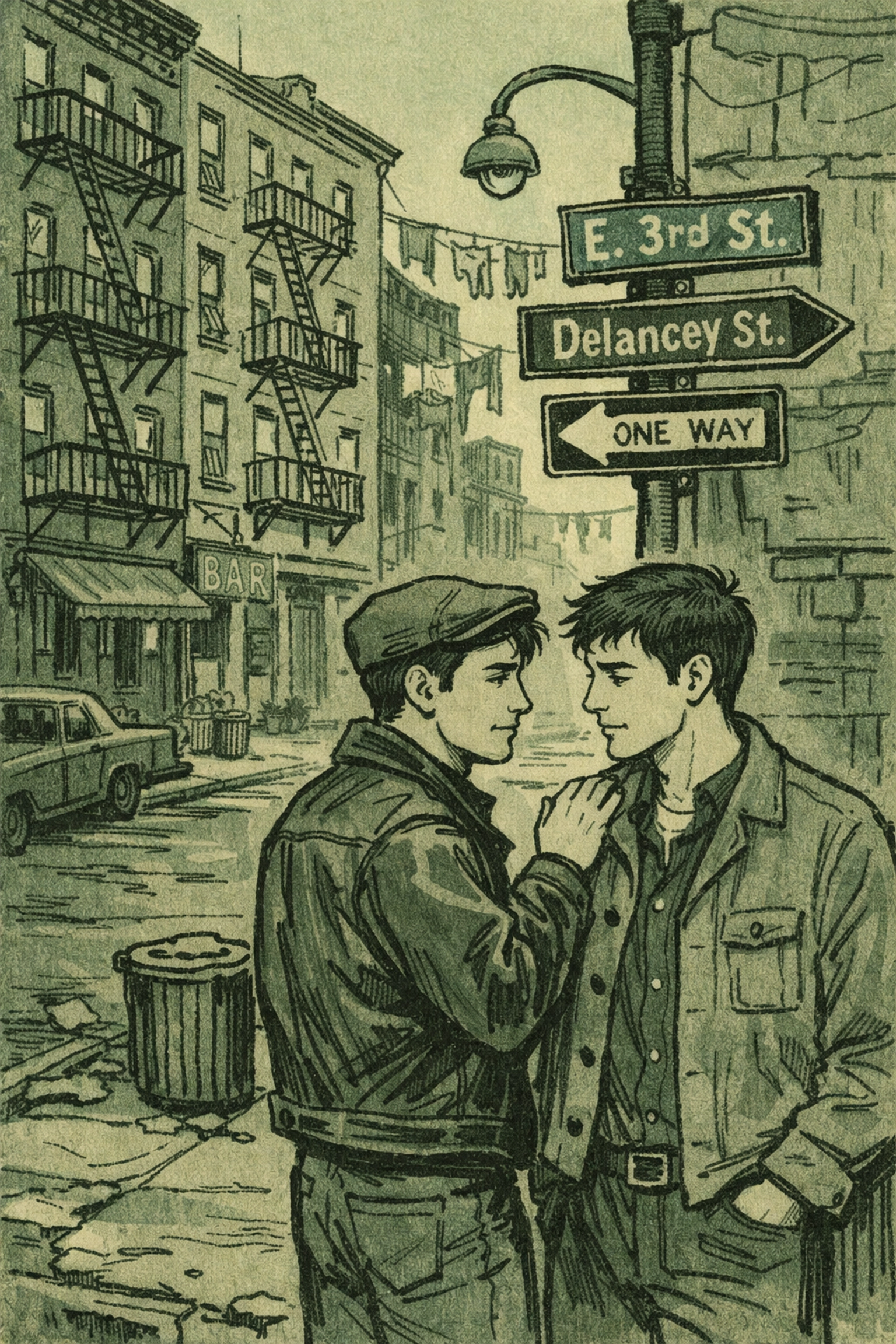
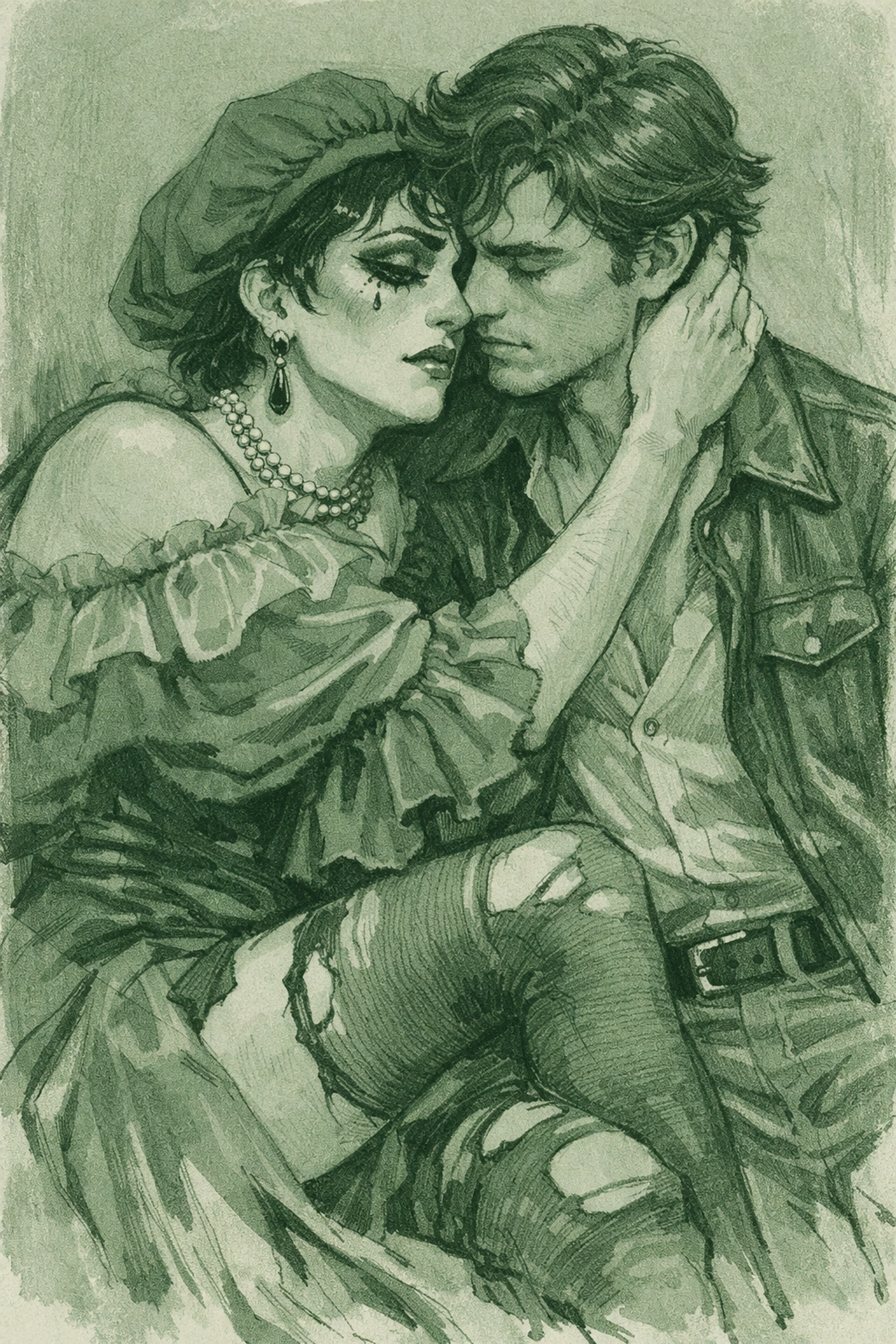
Instead of running from his roots, Curtis made them central to his art. His performances were never about polish or perfection. They were about truth, grit, and the beautiful messiness of real life. Torn stockings weren't wardrobe malfunctions, they were art. When a neighbour died, Curtis broke into their apartment to score vintage Italian black dresses and accessories. This wasn't theft; it was resourcefulness in service of the aesthetic revolution.
Theatrical Genius: Off-Off-Broadway's Brightest Star
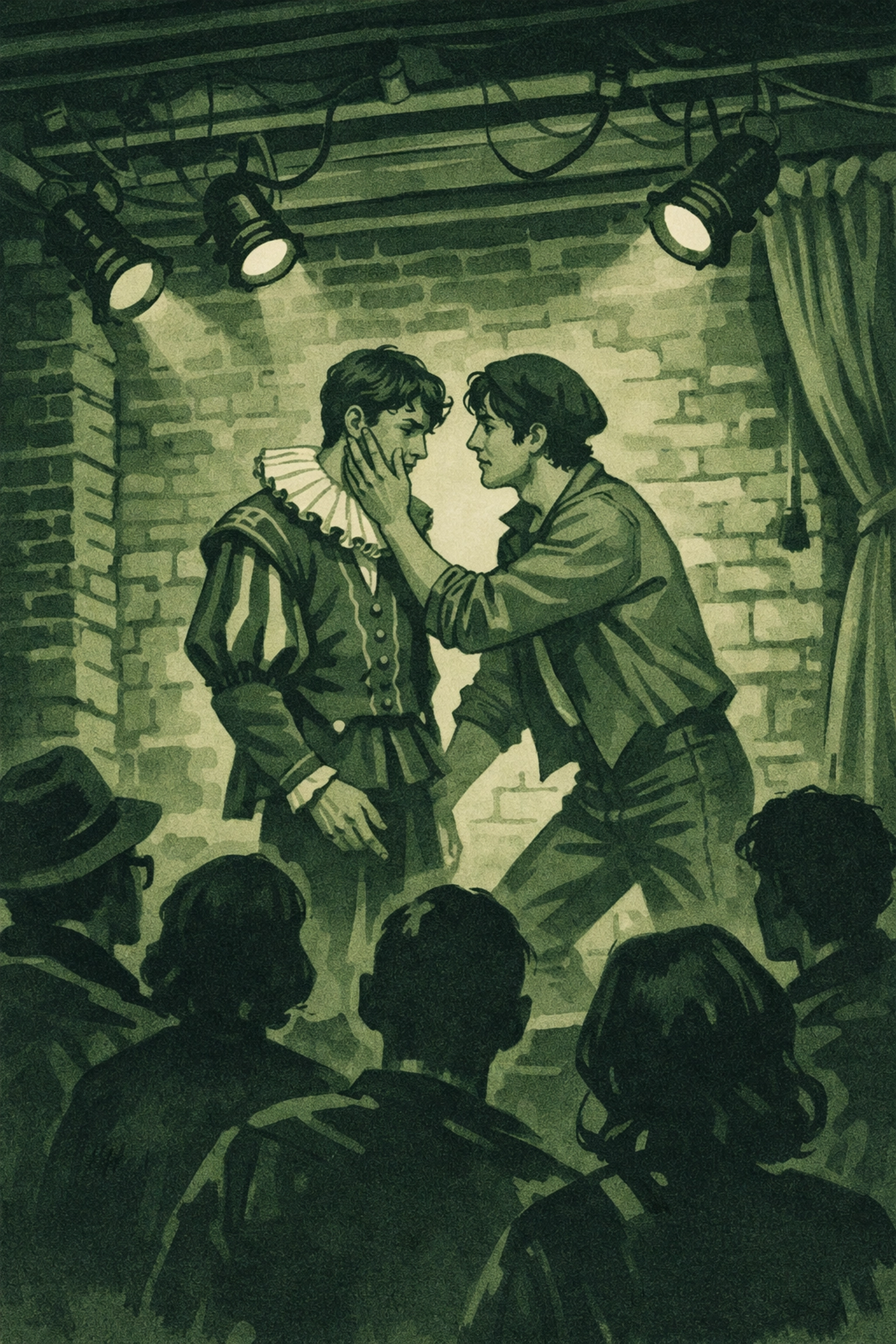
Curtis's theatrical work defined the off-off-Broadway scene during its most experimental period. In 1967, Glamour, Glory and Gold premiered in an East Village basement. The play told the story of a female film star's rise and fall, and featured a young Robert De Niro in his first-ever stage appearance. Yes, that Robert De Niro.
This wasn't mainstream theatre. This was underground, experimental, and absolutely electric. Curtis created spaces where emerging talents could take risks, fail spectacularly, or succeed brilliantly: often all in the same night.
His follow-up plays continued to push boundaries:
- Lucky Wonderful (1968): A musical inspired by eccentric playboy Tommy Manville
- Amerika Cleopatra (1968): A satirical take on power and celebrity
- Heaven Grand in Amber Orbit (1970): Pure experimental chaos
- Femme Fatale (1970): Starring punk poet Patti Smith before she was Patti Smith
- Vain Victory: Vicissitudes of the Damned (1971): The downtown hit that cemented Curtis as an underground celebrity
These productions weren't just plays: they were events. They challenged theatrical norms, centered marginalized voices, and proved that avant-garde expression could emerge from working-class roots.
Explore queer fiction that breaks boundaries at readwithpride.com.
The Warhol Years: Silver Factory Superstar
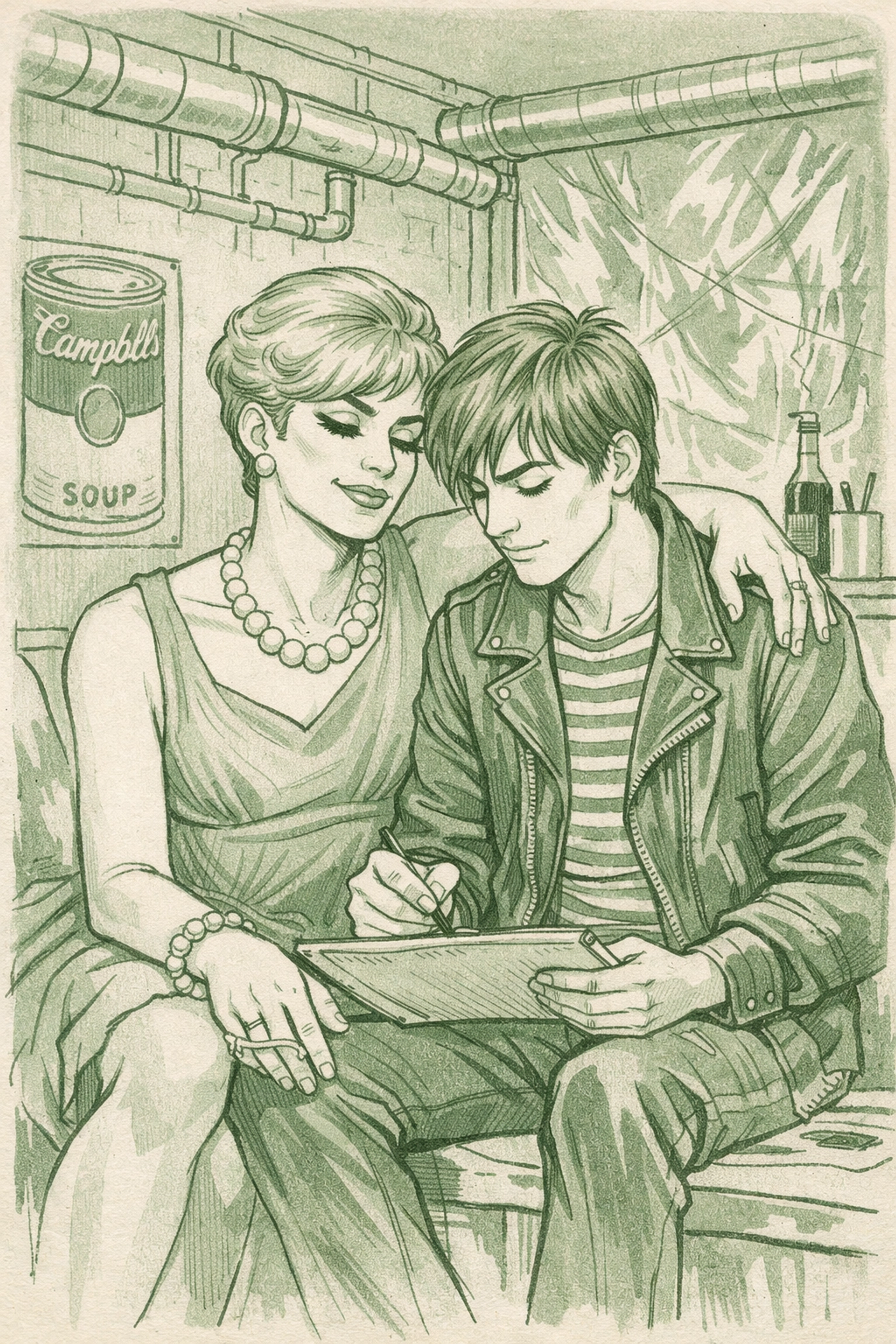
Andy Warhol recognized brilliance when he saw it, and Jackie Curtis became one of his most iconic Superstars. Curtis appeared in Flesh (1968) and starred in Women in Revolt (1971), a satirical take on the Women's Liberation Movement that referenced Valerie Solanas's SCUM Manifesto.
Working with Warhol and director Paul Morrissey, Curtis brought underground aesthetics to film. These weren't Hollywood productions: they were raw, unfiltered glimpses into a countercultural movement that was redefining art, gender, and sexuality in real-time.
Lou Reed immortalized Curtis (along with Candy Darling and Holly Woodlawn) in The Velvet Underground's "Walk on the Wild Side": proof that Curtis's influence extended far beyond theatre and into the broader cultural consciousness.
Gender Revolutionary: Blowing Up the Binary
Here's where Jackie Curtis's story becomes truly revolutionary. This was the 1960s and 70s: decades before mainstream conversations about gender fluidity, non-binary identity, or trans rights. Curtis performed both as a man and in drag, moving seamlessly between presentations without explanation or apology.
As performer Melba LaRose observed: "Jackie was blowing up the idea of gender."
This wasn't costume. This wasn't performance art in the traditional sense. Curtis lived gender fluidity as a genuine, authentic expression of self. The torn stockings, the vintage Italian dresses, the theatrical makeup: all of it was Curtis refusing to be confined by society's expectations.
Curtis's approach to gender predated contemporary conversations by decades. While the world was still rigidly enforcing the binary, Curtis was showing that gender could be fluid, performative, creative, and entirely self-determined. This radical vision influenced generations of drag performers, trans artists, and gender-nonconforming creatives who came after.
Discover The Private Self: A Guide to Honoring Your Truth in Your Own Time for insights on living authentically.
The Downtown Scene: Art as Revolution
Curtis thrived during the most experimental period of New York's downtown scene. As Greenwich Village rents rose, bohemians moved east, transforming the Lower East Side into a laboratory for radical art. This was the era of experimentation, collaboration, and boundary-dissolution.
Curtis proved several essential truths:
- Avant-garde expression could emerge from working-class roots
- Gender could be fluid and performative
- Underground theatre could be intellectually rigorous AND wildly entertaining
- Art didn't need institutional approval to matter
The scene Curtis helped create wasn't about commercial success: it was about freedom, authenticity, and collective creativity. It was about making art that reflected lived reality, not polished fantasy.
Legacy and Loss
Jackie Curtis died of a drug overdose on May 15, 1985, at just 38 years old. The underground scene that burned so brightly in the 60s and 70s had begun to fade, claimed by AIDS, addiction, and the relentless gentrification of Manhattan.
But Curtis's influence remains profound. Every drag performer who challenges gender norms, every playwright who centers marginalized voices, every artist who refuses to polish away the grit: they're all walking in Curtis's footsteps.
Curtis showed us that you don't need permission to be yourself. You don't need institutional approval to make meaningful art. You don't need to choose between being a man or a woman if neither category feels right. You can be fluid, experimental, and unapologetically yourself: and that authenticity can change the world.
Curtis's Influence Today
The conversations we're having now about gender identity, trans rights, and non-binary expression: Jackie Curtis was having them in the 1960s through art, performance, and lived example. Curtis's work laid groundwork for:
- Modern drag culture and performance
- Trans visibility in arts and media
- Gender-fluid expression as artistic practice
- Underground theatre that challenges mainstream norms
Explore more LGBTQ+ stories at dickfergusonwriter.com and join our community celebrating queer voices.
Honoring the Underground Spirit
Jackie Curtis embodied the radical spirit of the underground: the belief that art should be accessible, authentic, and transformative. In a world that demanded conformity, Curtis chose chaos, creativity, and truth.
For anyone exploring their gender identity, questioning societal norms, or simply trying to live authentically, Curtis's life offers a powerful lesson: your truth doesn't need to fit anyone else's categories. Your art doesn't need institutional approval. Your identity can be as fluid, complex, and beautiful as you are.
Follow us on social media for more LGBTQ+ history and stories:
- Instagram: instagram.com/dickfergusonwriter
- X/Twitter: x.com/DickFergus94902
- Facebook: facebook.com/profile.php?id=61572869844598
- Visit: readwithpride.com
#JackieCurtis #TransHistory #GenderFluid #WarholSuperstars #LGBTQHistory #QueerIcons #UndergroundTheatre #TransVisibility #ReadWithPride #LGBTQBooks #QueerFiction #TransStories #GenderRevolution #OffOffBroadway #WarholFactory #QueerArt #TransPride #MMRomance #GayFiction #LGBTQLiterature #QueerCulture #TransIcon #GenderNonconforming

Leave a Reply
You must be logged in to post a comment.