

EXPLORE LGBTQ+ STORIES NOW
Visit Read with Pride for curated LGBTQ+ ebooks, gay romance books, and queer fiction celebrating trans icons and MM romance. Browse our complete collection at eBooks by Dick Ferguson.
Subscribe to our newsletter for exclusive content on LGBTQ+ literature, gay historical romance, and queer authors who shaped history.
Trans Visibility Starts Here: Candy Darling's Legacy
Candy Darling (1944-1974) represents essential transgender visibility in cultural history. This Warhol superstar defined trans beauty standards decades before mainstream acceptance. Her story delivers value for readers seeking LGBTQ+ historical figures and queer fiction inspiration.
Key Facts:
- Warhol Films: Flesh (1968), Women in Revolt (1971)
- Theater: Tennessee Williams' Small Craft Warnings (1972)
- Photography: Cecil Beaton, Richard Avedon
- Venue: Max's Kansas City regular
- Death: March 21, 1974, age 29
FROM QUEENS TO UNDERGROUND STARDOM
Born November 24, 1944, in Queens, New York, Candy Darling studied Hollywood glamour through television. She absorbed Kim Novak's elegance and classic film aesthetics. Post-parental divorce, she relocated to Cape Cod before returning to New York's Off-Off-Broadway scene.
1967 marked her breakthrough. Meeting Andy Warhol at Glamour, Glory, and Gold: written by Jackie Curtis: she secured instant recognition. Warhol cast her in Flesh (1968), launching her screen career. Women in Revolt (1971) solidified her status as a Warhol superstar.
Career Highlights:
- Screen debut at 24
- Tennessee Williams collaboration
- Elite photography sessions
- Celebrity friendships: Jane Fonda, Lily Tomlin, Lauren Hutton
- 1972 Hollywood premiere standing ovation
THE WARHOL FACTORY YEARS: COMMERCIAL SUCCESS
Candy Darling's Factory association generated significant cultural capital. Her six-foot white fox fur entrance at Schwab's nightclub in 1972 triggered spontaneous applause and autograph requests. This visibility promoted transgender representation in mainstream spaces.
Her Warhol films offered queer cinema audiences authentic trans characters performed by trans actresses: revolutionary for the era. Women in Revolt particularly showcased her dramatic range and screen presence.
MAX'S KANSAS CITY: THE NETWORKING HUB
Max's Kansas City provided essential networking opportunities. Darling cultivated relationships with cultural influencers, photographers, and artists. This venue functioned as her professional headquarters, generating collaborations and visibility.
Her regular attendance created brand recognition. Strangers recognized her glamour, associating her image with Warhol's avant-garde circle. This social positioning elevated her beyond underground status into broader cultural awareness.
TENNESSEE WILLIAMS AND LEGITIMACY
Tennessee Williams' casting decision for Small Craft Warnings (1972) validated Darling's acting credentials beyond experimental cinema. Williams recognized her talent, offering mainstream theater exposure. This collaboration demonstrated her versatility across performance mediums.
The production provided income stability and professional credibility. It positioned her as a serious actress, not merely a Factory personality. For LGBTQ+ theater history, this casting choice represented progressive transgender inclusion.
CELEBRITY ALLIES AND SUPPORT NETWORKS
Jane Fonda, Lily Tomlin, and Lauren Hutton provided crucial support. These relationships offered more than friendship: they facilitated medical access and financial assistance. Lauren Hutton specifically helped navigate healthcare systems, demonstrating allyship during a period of limited transgender healthcare options.
These connections illustrate the importance of supportive networks for trans pioneers. Darling's celebrity friendships created safety nets within an often hostile society. Her ability to cultivate these relationships speaks to her charisma and cultural intelligence.
THE REALITY BEHIND THE GLAMOUR
Darling's precarious living situation contrasted sharply with her public image. She relied on friends' couches, cheap hotels, and financial generosity. This economic instability affected most transgender individuals in the 1970s, regardless of fame.
Her last diary entry: "I shall try to be grateful for life . . . Cannot imagine who would want me": reveals vulnerability beneath the glamorous facade. This documentation provides historical insight into transgender experiences during pre-rights-movement America.
Economic Challenges:
- Unstable housing
- Limited employment options
- Dependence on social networks
- Healthcare access difficulties
- Societal discrimination
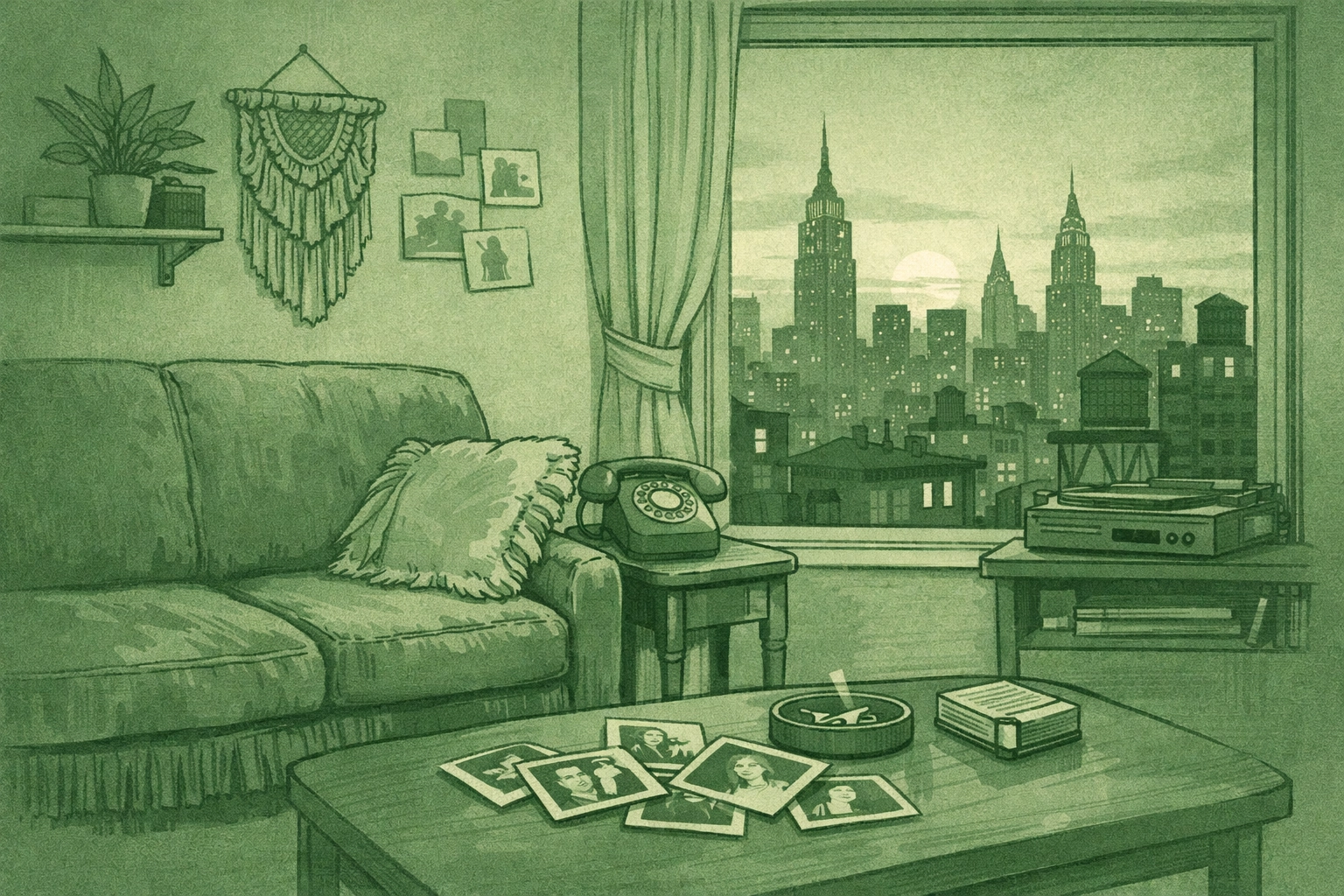
DEATH AND ENDURING INFLUENCE
Candy Darling died March 21, 1974, at 29. Her death represented a loss to queer cinema and transgender advocacy movements just gaining momentum. Yet her legacy accelerated trans visibility conversations in artistic communities.
Her image continues appearing in LGBTQ+ art, gay literature, and queer fiction celebrating trans icons. Contemporary transgender authors cite her as inspiration. Her Warhol collaborations remain studied in film courses examining queer cinema history.
CULTURAL IMPACT METRICS
Darling's influence on LGBTQ+ culture includes:
- First openly trans actress in major underground films
- Inspiration for Lou Reed's "Candy Says" and "Walk on the Wild Side"
- Subject of multiple documentaries and biographies
- Referenced in contemporary gay fiction and MM romance novels
- Symbol of 1970s queer New York glamour
Her aesthetic informed generations of performers, drag artists, and transgender visibility advocates. Her commitment to feminine beauty challenged societal norms while celebrating personal authenticity.
READ MORE LGBTQ+ STORIES
Discover gay historical romance and LGBTQ+ fiction exploring similar themes:
- The Berlin Companions – Historical gay romance in underground culture
- The Private Self – Honoring your truth guide
- Beyond the Closet Door – Coming out narratives
Browse all titles at dickfergusonwriter.com.
WHY CANDY DARLING MATTERS TODAY
Contemporary transgender rights movements build on foundations Darling helped establish. Her unapologetic femininity and artistic contributions normalized trans representation in cultural spaces. She demonstrated that transgender individuals possessed talent, beauty, and cultural value.
For readers of queer fiction and gay novels, her story provides historical context for LGBTQ+ literature themes. MM romance readers exploring transgender characters benefit from understanding pioneers like Darling who lived authentically despite societal challenges.
Her Legacy Includes:
- Breaking entertainment industry barriers
- Normalizing trans beauty standards
- Creating space for future transgender actors
- Documenting queer history through film
- Inspiring LGBTQ+ authors and artists
SUBSCRIBE FOR MORE LGBTQ+ CONTENT
Get exclusive access to gay book recommendations, MM romance releases, and queer author spotlights. Sign up at Read with Pride for weekly updates on LGBTQ+ ebooks and gay fiction celebrating diverse stories.
Newsletter Benefits:
- New MM romance books alerts
- Gay romance series recommendations
- LGBTQ+ reading guides
- Author interviews
- Exclusive content from queer authors
Follow us on social media:
📸 Instagram: @dickfergusonwriter
🐦 X/Twitter: @DickFergus94902
📘 Facebook: Dick Ferguson Writer
🌈 Website: Read with Pride
Hashtags: #ReadWithPride #TransIcon #CandyDarling #WarholSuperstar #LGBTQHistory #TransVisibility #QueerCinema #LGBTQEbooks #GayRomance #MMRomance #QueerFiction #TransPioneers #GayLiterature #LGBTQReading #WarholFactory #TransRepresentation #QueerHistory #GayBooks #TransBeauty #ReadingWithPride

Leave a Reply
You must be logged in to post a comment.