

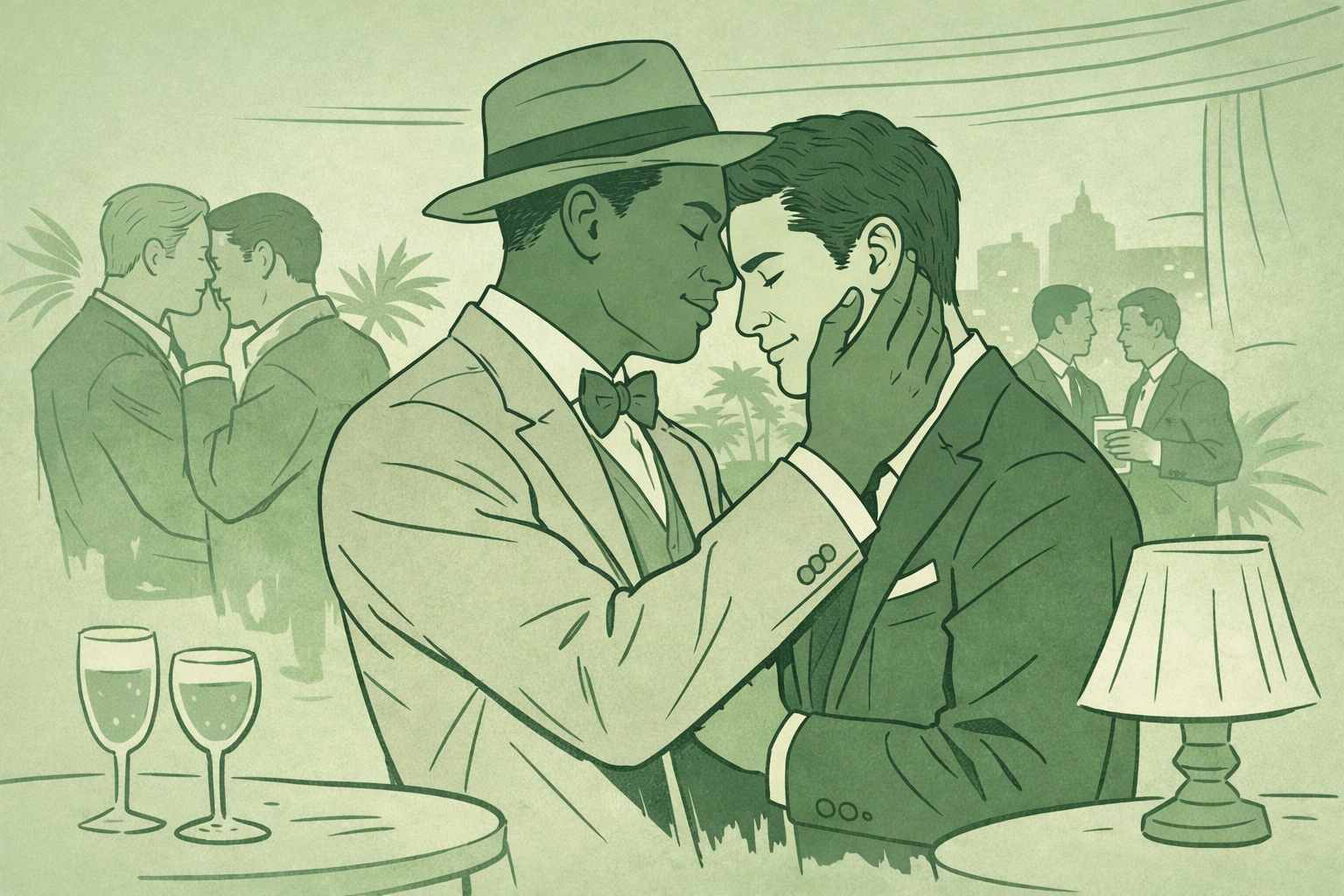
Discover Powerful LGBTQ+ Stories at Read with Pride
Explore authentic queer narratives and transgender history through our curated collection of LGBTQ+ ebooks and gay fiction. Read with Pride brings you stories of resilience, courage, and self-determination: just like the remarkable life of Lucy Hicks Anderson.
A Pioneer Who Refused to Hide
Lucy Hicks Anderson stood six feet tall in early 20th century America and lived unapologetically as the woman she knew herself to be. Born in 1886 in Waddy, Kentucky, Lucy understood her true identity from childhood, insisting on wearing dresses and using her chosen name despite being assigned male at birth. What makes her story extraordinary isn't just her courage: it's that her mother consulted a local physician who gave revolutionary advice for the 1890s: raise Lucy as a girl.
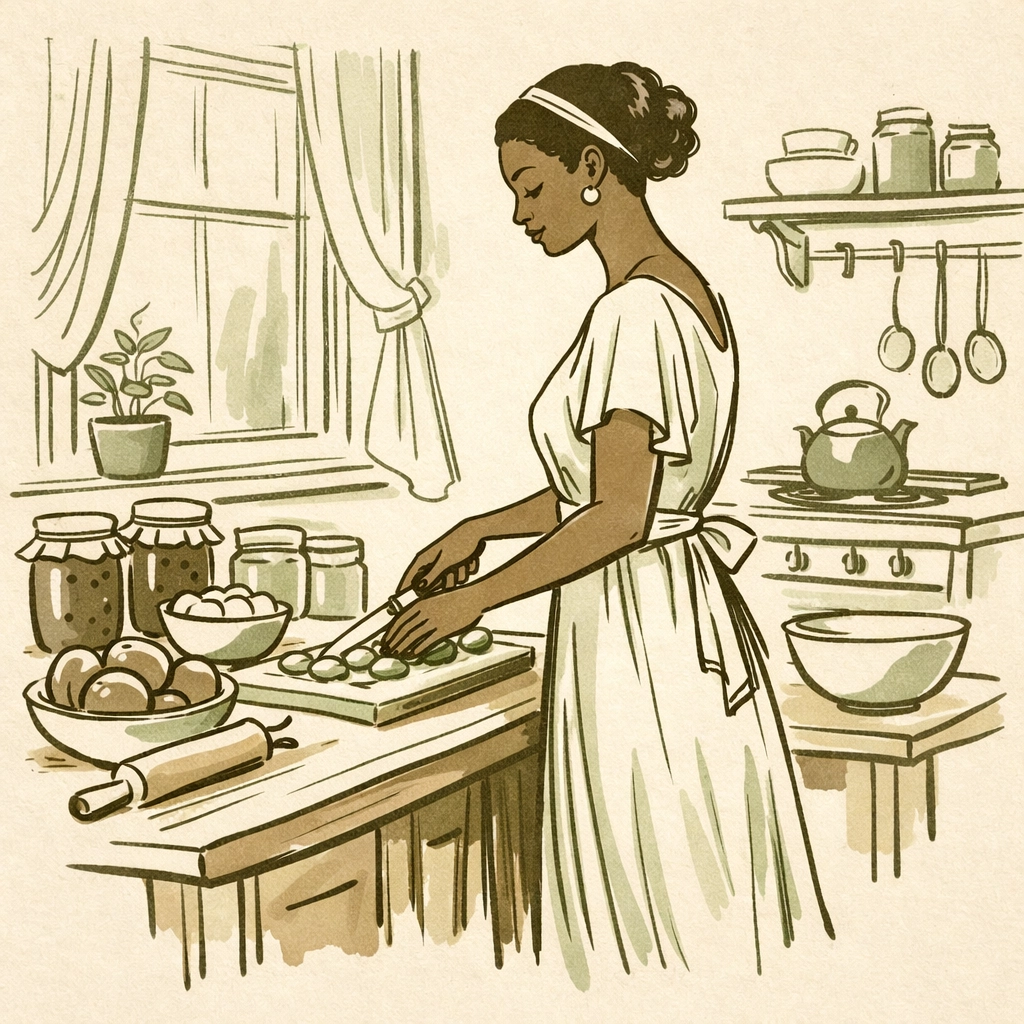
Her family followed this guidance, and Lucy grew up living authentically in a time when transgender identity had no name, no legal recognition, and no protection. This early affirmation set the foundation for a life lived boldly and without apology.
Building an Empire in Oxnard
At 15, Lucy left school and headed west, working as a domestic and housekeeper before settling in Oxnard, California in 1920 at age 34. She married Clarence Hicks, and together they built a life that would make Lucy one of the most recognized socialites in their community.
Lucy's culinary skills became legendary throughout Southern California. She won awards for her cooking, became famous for her light rolls and fig jams, and hosted lavish dinner parties for wealthy families. Her reputation was so sterling that when she was once arrested for selling liquor during Prohibition, the town's leading banker immediately bailed her out: he needed her to prepare his dinner party that evening.
Business Success and Community Standing
Anderson leveraged her social connections to build financial independence. She purchased property and operated a brothel and speakeasy, illegal ventures that her community standing allowed her to maintain discreetly. Her business acumen matched her culinary expertise, creating the financial security that gave her power and influence.
Throughout the 1920s and into the 1940s, Anderson appeared regularly in local Society pages. She threw welcome parties at church, donated generously to charitable causes, and established herself as an indispensable member of Oxnard's social fabric. For over two decades, Lucy Hicks Anderson lived openly, prosperously, and proudly as the woman she was.
The Moment Everything Changed
In 1945, a venereal disease outbreak among Navy servicemen traced back to Anderson's brothel triggered a cascade of events that would test everything she had built. Authorities forced all women at the establishment to undergo medical examinations. During these examinations, officials discovered that Anderson had been assigned male at birth.
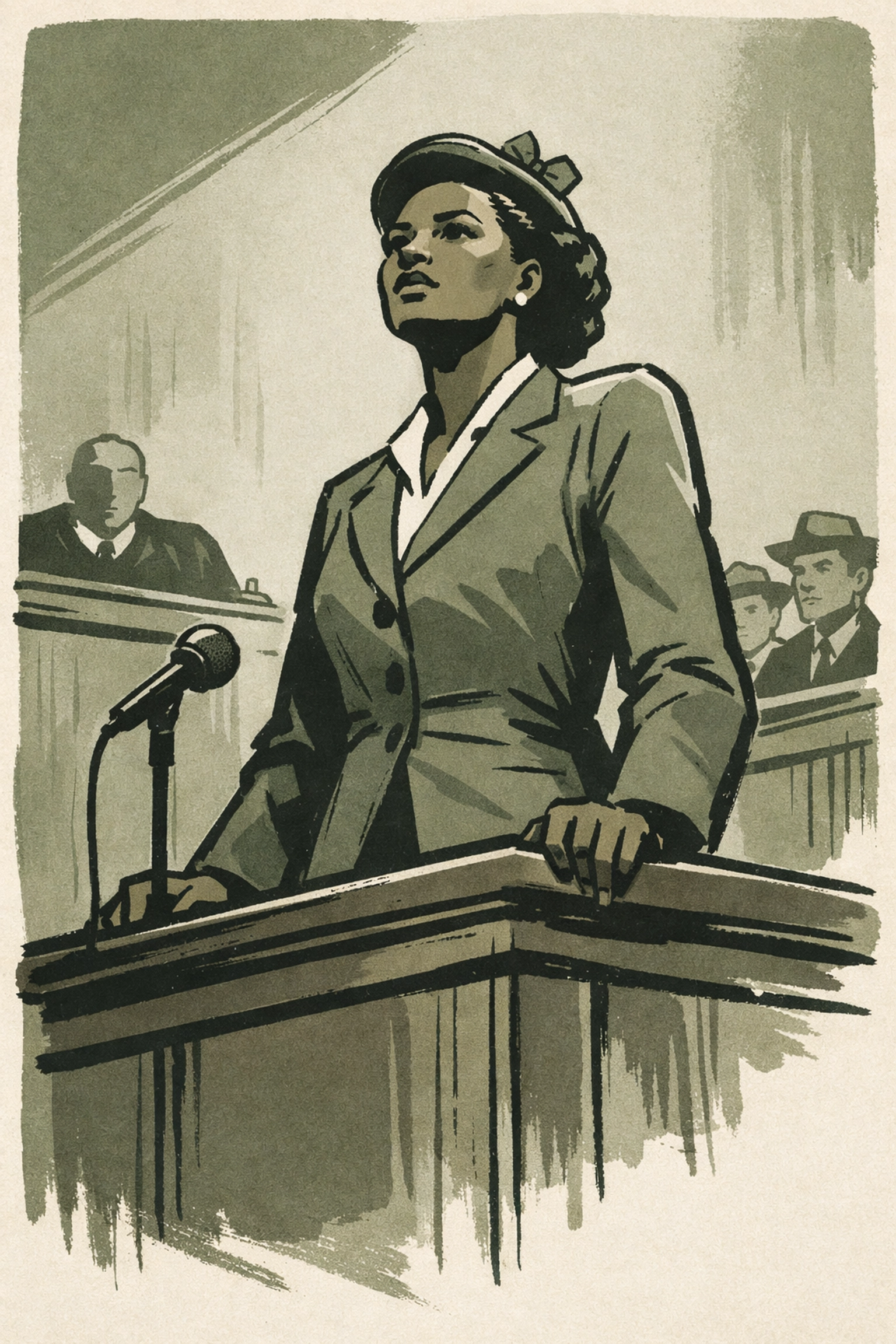
She was charged with perjury for marriage records listing her as female and accused of gender impersonation. The legal system of 1945 America had no framework for understanding transgender identity: only laws designed to punish it.
Standing Her Ground in Court
What happened next made Lucy Hicks Anderson a pioneer in transgender legal history. Rather than accepting shame or retreating from public view, Anderson stood in court and delivered one of the most powerful declarations of transgender identity ever recorded in American legal proceedings:
"I defy any doctor in the world to prove that I am not a woman. I have lived, dressed, and acted just what I am: a woman."
Her testimony was clear, unflinching, and decades ahead of its time. Anderson articulated what modern transgender advocates continue to affirm: gender identity is not determined by doctors, courts, or birth certificates: it is lived, known, and true.
Despite her passionate self-advocacy, the court convicted her. Initially sentenced to jail time, she received 10 years of probation instead. But the court also issued a devastating order: Anderson was prohibited from wearing women's clothes, legally forcing her to live as someone she was not.
Federal Persecution and Forced Exile
The persecution didn't end with the state charges. The federal government alleged that Anderson had illegally received military allotment checks as the wife of her second husband, Reuben Anderson, a retired soldier. The couple was tried and convicted of fraud.
Lucy Hicks Anderson served time in a men's prison: a final indignity imposed by a system that refused to recognize her truth. Upon her release, the Oxnard chief of police banned her from returning to her home, the community where she had been a beloved socialite for over two decades.

Anderson and her husband relocated to Los Angeles, where they lived quietly until her death in 1954. The woman who had once hosted the city's most sought-after dinner parties spent her final years in obscurity, exiled from the life she had built.
A Legacy of Defiance and Truth
Lucy Hicks Anderson's story resonates powerfully in 2026 as transgender Americans continue fighting for legal recognition and protection. She was among the first documented Black transgender figures to legally defend her gender identity in American courts, speaking her selfhood clearly despite intense legal and social pressure.
Her declaration: "I have lived, dressed, and acted just what I am: a woman": echoes through generations of transgender activism. Anderson understood what courts and medical authorities refused to acknowledge: that living one's truth authentically, consistently, and publicly is itself the proof of identity.
Read More LGBTQ+ History and Fiction
Lucy Hicks Anderson's courage reminds us why authentic queer stories matter. Explore our collection of gay romance books, MM fiction, and LGBTQ+ literature that celebrate resilience and self-determination.
Featured titles exploring identity and courage:
- The Private Self: A Guide to Honoring Your Truth in Your Own Time
- Beyond the Closet Door: A Gay Man's Coming Out Plan
Visit Read with Pride for more stories celebrating LGBTQ+ pioneers, contemporary queer fiction, and MM romance novels that center authentic queer experiences.
Follow Us on Social Media
Stay connected with Read with Pride for daily LGBTQ+ content, book recommendations, and queer history:
- Instagram: @dickfergusonwriter
- X/Twitter: @DickFergus94902
- Facebook: Dick Ferguson Writer
- Website: www.readwithpride.com
#ReadWithPride #LGBTQHistory #TransgenderPioneers #QueerFiction #LGBTQBooks #TransHistory #BlackTransHistory #LucyHicksAnderson #TransRights #QueerLiterature #GayBooks #LGBTQFiction #TransVisibility #ReadingWithPride #QueerHistory #TransgenderActivism #LGBTQEbooks

Leave a Reply
You must be logged in to post a comment.