


Writers today face unprecedented opportunities to create meaningful intersectional LGBTQ+ characters: but also unprecedented scrutiny when they get it wrong. As readers demand authentic representation and 2025's literary landscape becomes increasingly diverse, the stakes have never been higher for getting these characters right.
The best MM romance and queer fiction authors are raising the bar, creating characters who feel real, complex, and genuinely intersectional. But many writers still fall into the same traps that flatten these characters into stereotypes or tokenistic add-ons.
Here are the seven most common mistakes: and how today's most successful authors are avoiding them.
Mistake #1: Assuming Religious and Spiritual Rejection
The Problem: Many writers automatically assume LGBTQ+ characters reject religious or spiritual practices entirely. This oversimplifies the complex, often fraught relationships between faith and queer identity.
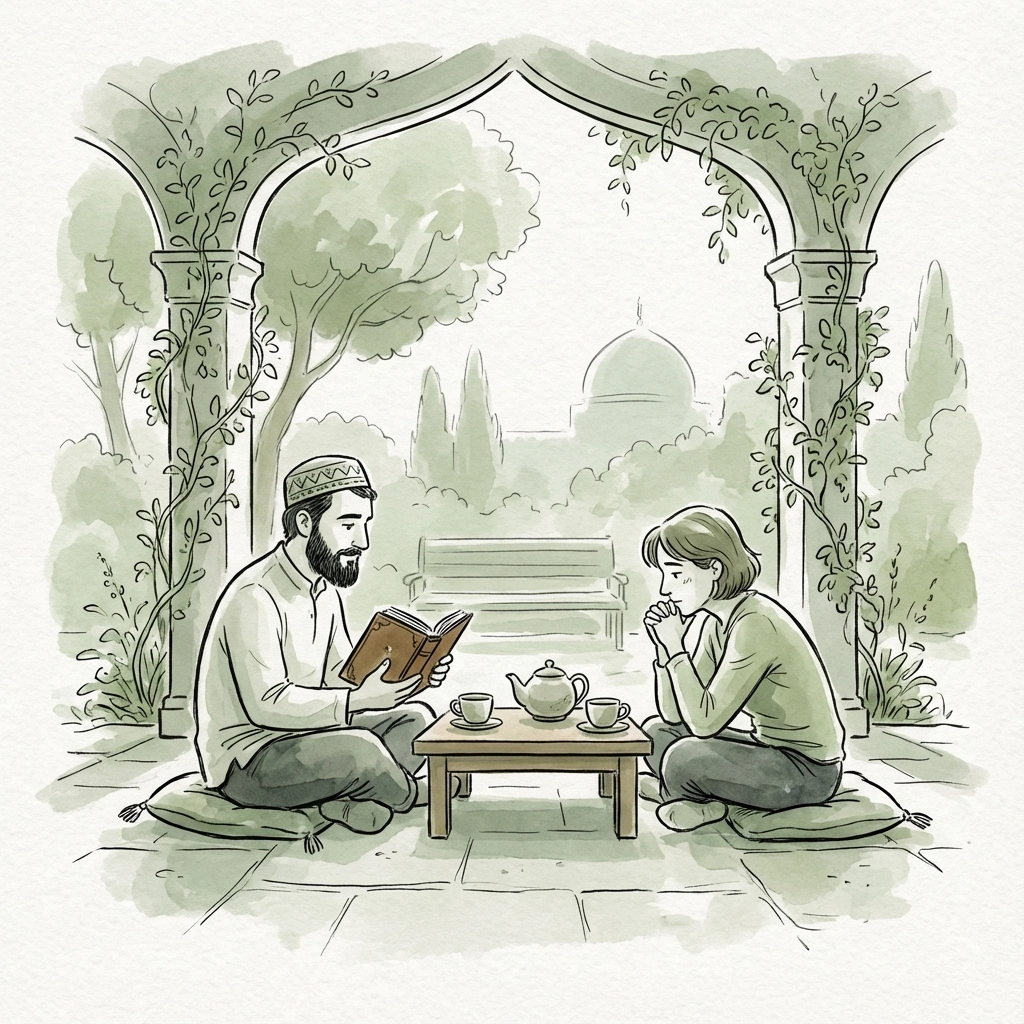
What 2025's Best Authors Do Instead: They explore the nuanced reality of queer faith. Characters might struggle with reconciling their beliefs, find affirming religious communities, or develop personal spiritual practices that honor both their identity and their need for connection to something greater.
Consider a Black gay character who finds strength in gospel music while navigating his relationship with his church community, or a bisexual Jewish character who creates new traditions that celebrate both his heritage and his marriage to another man.
Mistake #2: Making Queerness the Character's Only Defining Trait
The Problem: Characters whose entire personality revolves around being LGBTQ+ feel more like walking pride flags than actual people. Real humans have jobs, hobbies, fears, favorite foods, and annoying habits that have nothing to do with their sexuality or gender identity.
What 2025's Best Authors Do Instead: They create fully-realized humans who happen to be LGBTQ+. A trans character might be obsessed with vintage motorcycles. A gay man might struggle with perfectionism in his career as a surgeon. A bisexual character might have an irrational fear of butterflies.
The key is ensuring these characters would be interesting and complex even if their LGBTQ+ identity were removed from the equation: while still honoring how that identity shapes their worldview and experiences.
Mistake #3: Creating Characters in Queer Isolation
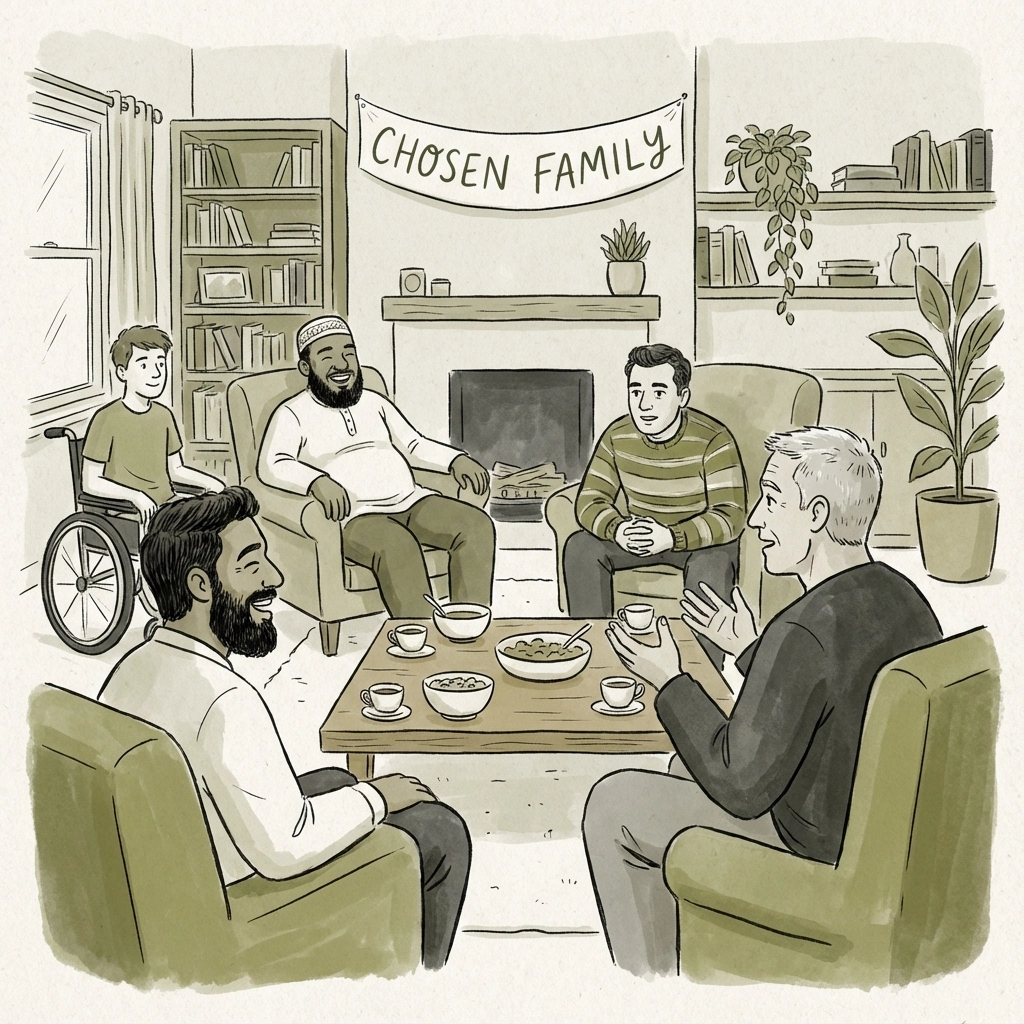
The Problem: Isolated LGBTQ+ characters with no queer community or friends create an unrealistic bubble. Most queer people, especially in 2025, have some connection to queer community, whether online, local, or chosen family.
What 2025's Best Authors Do Instead: They understand that queer community comes in many forms. Characters might have a group of queer friends who meet monthly for dinner, participate in online communities, or have mentoring relationships with older LGBTQ+ individuals who've navigated similar paths.
Even characters in small towns or restrictive environments often find ways to connect: through social media, during trips to larger cities, or through coded interactions with others who share their experience.
Mistake #4: Avoiding Explicit Identity Labels
The Problem: Writers who keep characters' identities vague: perhaps out of fear of "getting it wrong": often create confusion and contribute to bisexual erasure or other forms of identity invisibility.
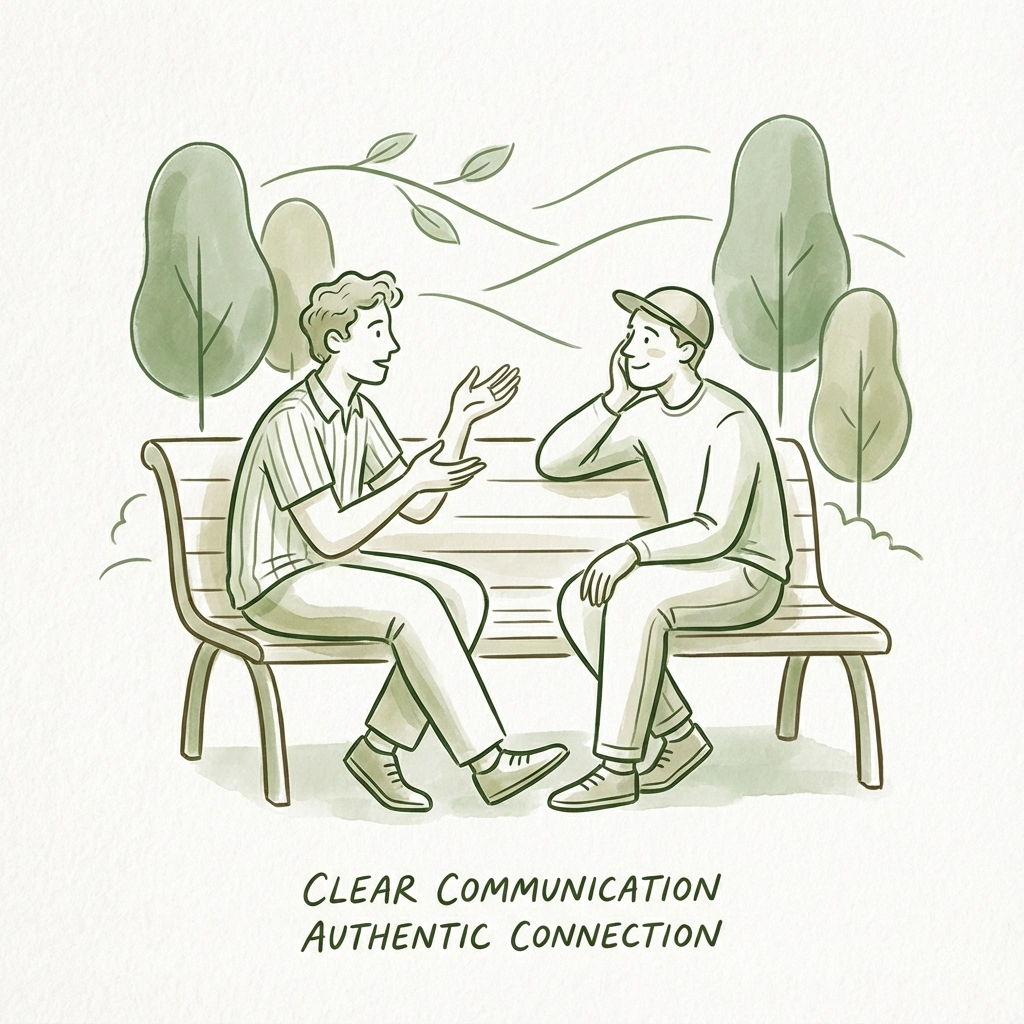
What 2025's Best Authors Do Instead: They use clear, specific language when appropriate. Characters think about their identities, discuss them with trusted friends or partners, or navigate disclosure in various situations.
A bisexual character might explicitly think, "I'm bisexual, not confused," when facing biphobia. A gay character might reflect on his journey to self-acceptance. These moments of clarity help readers understand the character's experience while providing valuable representation.
Mistake #5: Surface-Level Research and Understanding
The Problem: Writers who rely on stereotypes, outdated information, or single sources create characters that feel inauthentic to readers who live these experiences.
What 2025's Best Authors Do Instead: They invest time in research, seek sensitivity readers from relevant communities, and understand that intersectional identities compound rather than simply add together.
A Latina lesbian character's experience isn't just "lesbian experience + Latina experience": it's the unique reality of being both simultaneously, navigating both homophobia in some Latino spaces and racism in some queer spaces, while also finding joy and community in both identities.
Mistake #6: Ignoring How Identities Intersect and Compound
The Problem: Characters written as "gay + Black" or "lesbian + disabled" without understanding how these identities interact, create unique challenges, and offer distinct strengths.
What 2025's Best Authors Do Instead: They research and portray how multiple marginalized identities create compound experiences. A gay Muslim character faces different challenges than a gay Christian character or a straight Muslim character. A disabled transgender character navigates accessibility issues in queer spaces while also dealing with transphobia in disability communities.
The most authentic intersectional characters feel the full weight and joy of their multiple identities working together, not competing against each other.
Mistake #7: Relying on Trauma as the Primary Character Arc
The Problem: While trauma is often part of LGBTQ+ experiences, characters whose entire arcs revolve around suffering, coming out struggles, or overcoming homophobia/transphobia can feel one-dimensional and exhausting to queer readers seeking diverse stories.
What 2025's Best Authors Do Instead: They balance realistic challenges with joy, growth, success, and mundane human experiences. Characters might deal with microaggressions at work while also falling in love, pursuing dreams, building careers, or navigating family relationships that have nothing to do with their LGBTQ+ identity.
The most compelling queer characters experience the full spectrum of human emotion and experience: including happiness, achievement, silly problems, and everyday victories.
The Path Forward: Authenticity Through Research and Respect
Creating authentic intersectional LGBTQ+ characters requires ongoing commitment to learning, listening, and refining your craft. The writers succeeding in 2025 understand that representation isn't about checking boxes: it's about creating characters so real that readers see themselves reflected or gain genuine insight into experiences different from their own.
Start with research, but don't stop there. Engage with sensitivity readers, support LGBTQ+ authors, and remember that authenticity comes from treating characters as full humans deserving of complex, interesting lives.
The readers are waiting for these stories. The question is: are you ready to tell them with the depth and respect they deserve?
SPECIAL OFFER: Save 15% on our complete collection of MM romance and LGBTQ+ fiction with code 15News. Perfect for discovering how today's best authors are crafting authentic, complex queer characters.
Visit our LGBTQ+ collection for emotionally rich, authentic queer fiction that showcases intersectional characters done right.
Follow us on social media:
- Instagram: https://www.instagram.com/dickfergusonwriter
- X (Twitter): https://www.x.com/DickFergus94902
- Facebook: https://www.facebook.com/profile.php?id=61572869844598
Visit our main site: https://dickfergusonwriter.com
Shop on Amazon: https://www.amazon.co.uk/stores/author/B0DRZ1L5MW
#LGBTQFiction #MMRomance #WritingTips #IntersectionalCharacters #QueerBooks #AuthenticRepresentation #ChristmasReading #BookGifts #LiteraryFiction #WritingCommunity

Leave a Reply
You must be logged in to post a comment.