

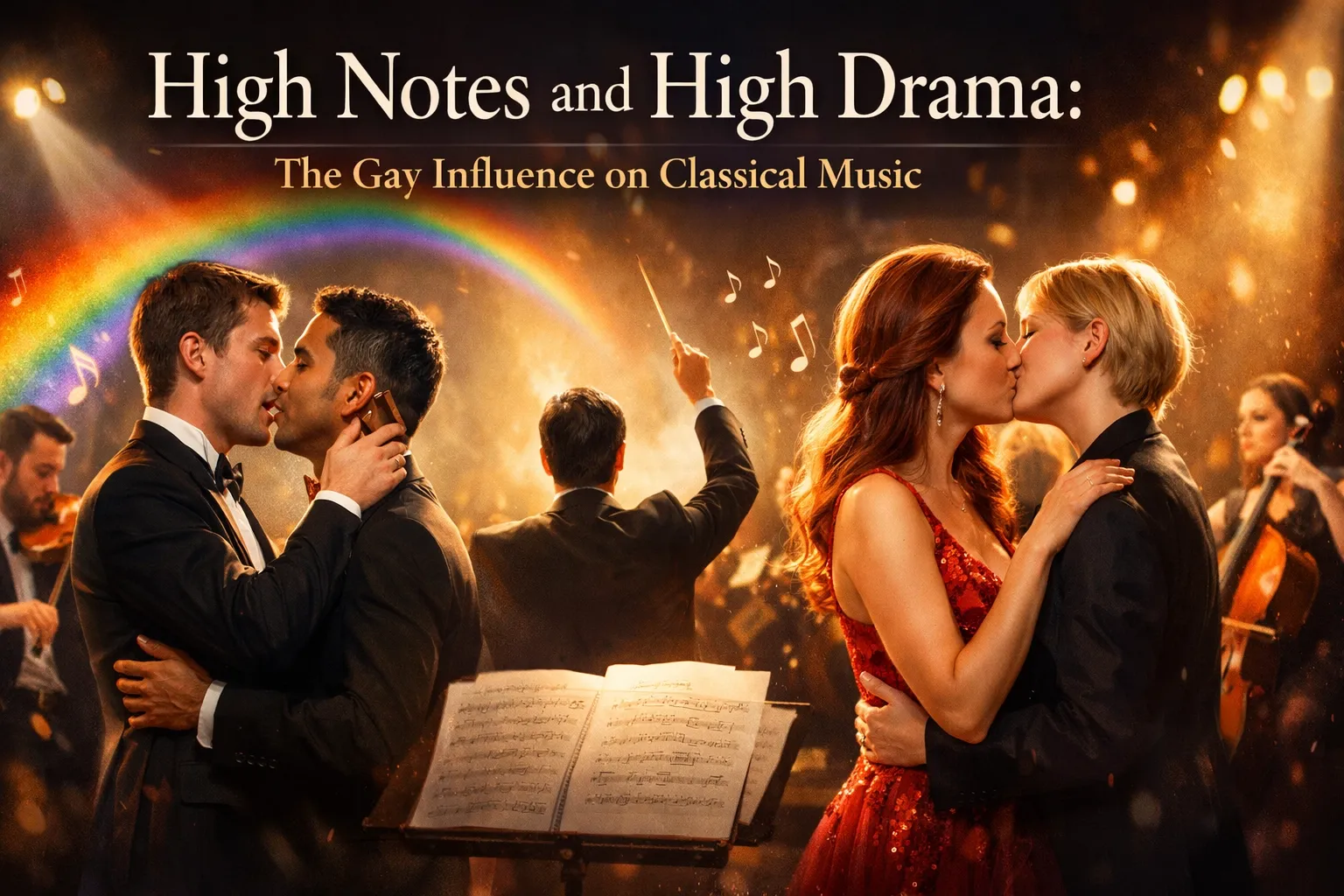
When you think of classical music, what comes to mind? Powdered wigs? Stuffy concert halls? Those incredibly uncomfortable wooden chairs? Well, buckle up, because the real story behind some of the most iconic compositions in Western music is way more fabulous, and way more queer, than your high school music appreciation class ever told you.
From the 15th century to today, LGBTQ+ composers have been absolutely crushing it in the classical music world. They've pioneered new musical forms, revolutionized techniques, and poured their hearts (and their forbidden loves) into works that continue to move audiences centuries later. And they did it all while navigating societies that, let's be honest, weren't exactly rolling out the rainbow carpet.
The Early Trailblazers Who Set the Stage
Let's start with Francesco Cavalli, who was basically doing opera before opera was cool. This 15th-century Italian composer is believed to have been gay and became one of the most influential voices of his time, pioneering opera as an art form. Not bad for someone history books conveniently forgot to mention at Pride.
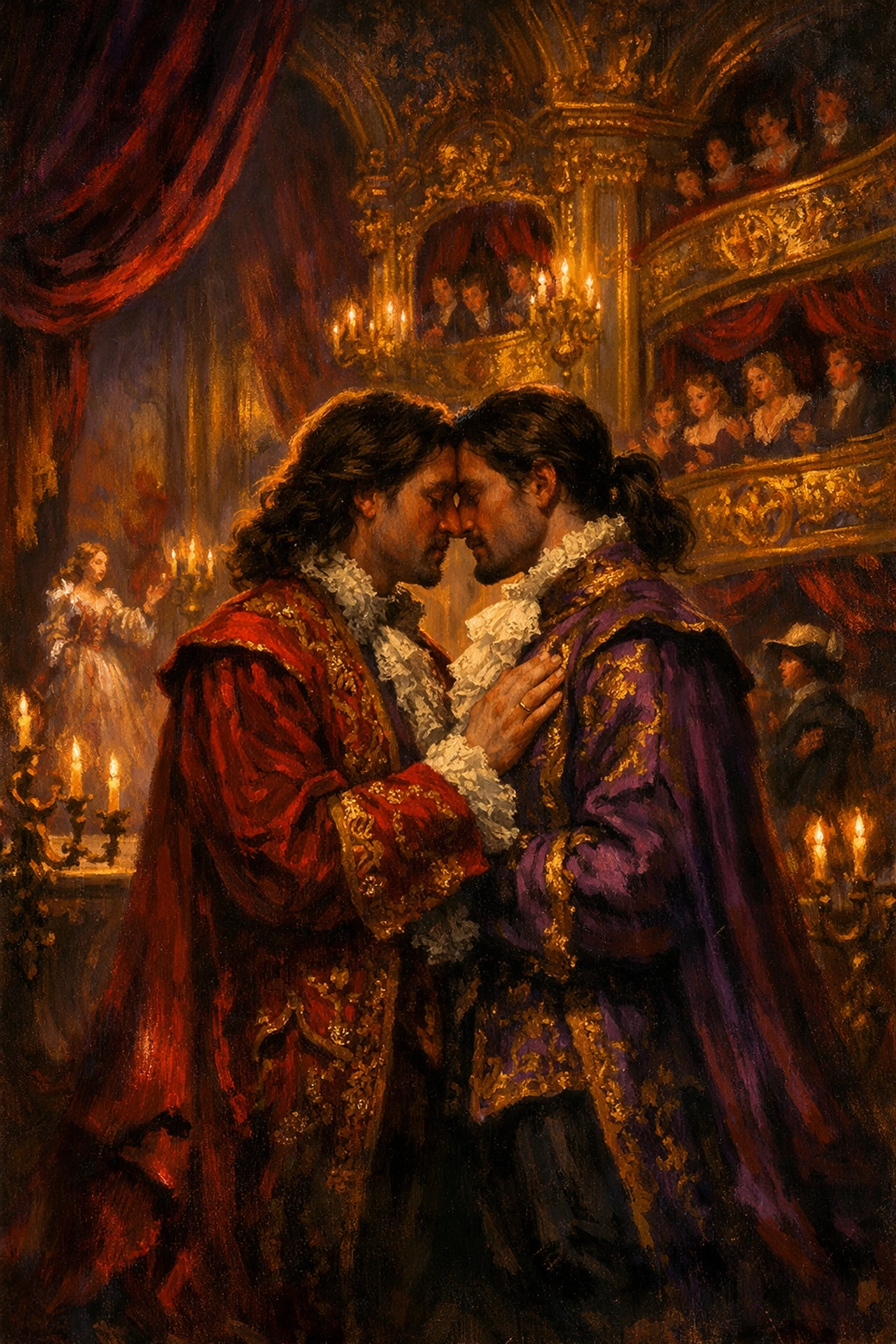
Then there's Jean-Baptiste Lully (1632-1687), who took the French opera scene by storm while working at the court of Louis XIV. Plot twist: Louis XIV wasn't exactly thrilled about Lully's bisexual lifestyle, but that didn't stop our guy from developing the French opera style and standardizing musical notation across France. Talk about leaving your mark.
Arcangelo Corelli (1653-1713) revolutionized violin technique and composition during the Baroque period, creating instrumental works so influential they shaped an entire musical era. These early pioneers weren't just making music, they were building the foundation of classical music as we know it.
When Love Becomes a Symphony
Here's where things get really interesting. LGBTQ+ composers often channeled their experiences of same-sex love, longing, and identity into their work, creating some of the most emotionally resonant pieces in classical music history.
Take Pyotr Ilyich Tchaikovsky, whose passionate ballets like Swan Lake and The Nutcracker became absolute cultural phenomena. His private letters reveal intense feelings for other men, and though he maintained public secrecy (because, you know, 19th-century Russia wasn't exactly Pride-friendly), his emotional depth translated into compositions that still make us weep today.
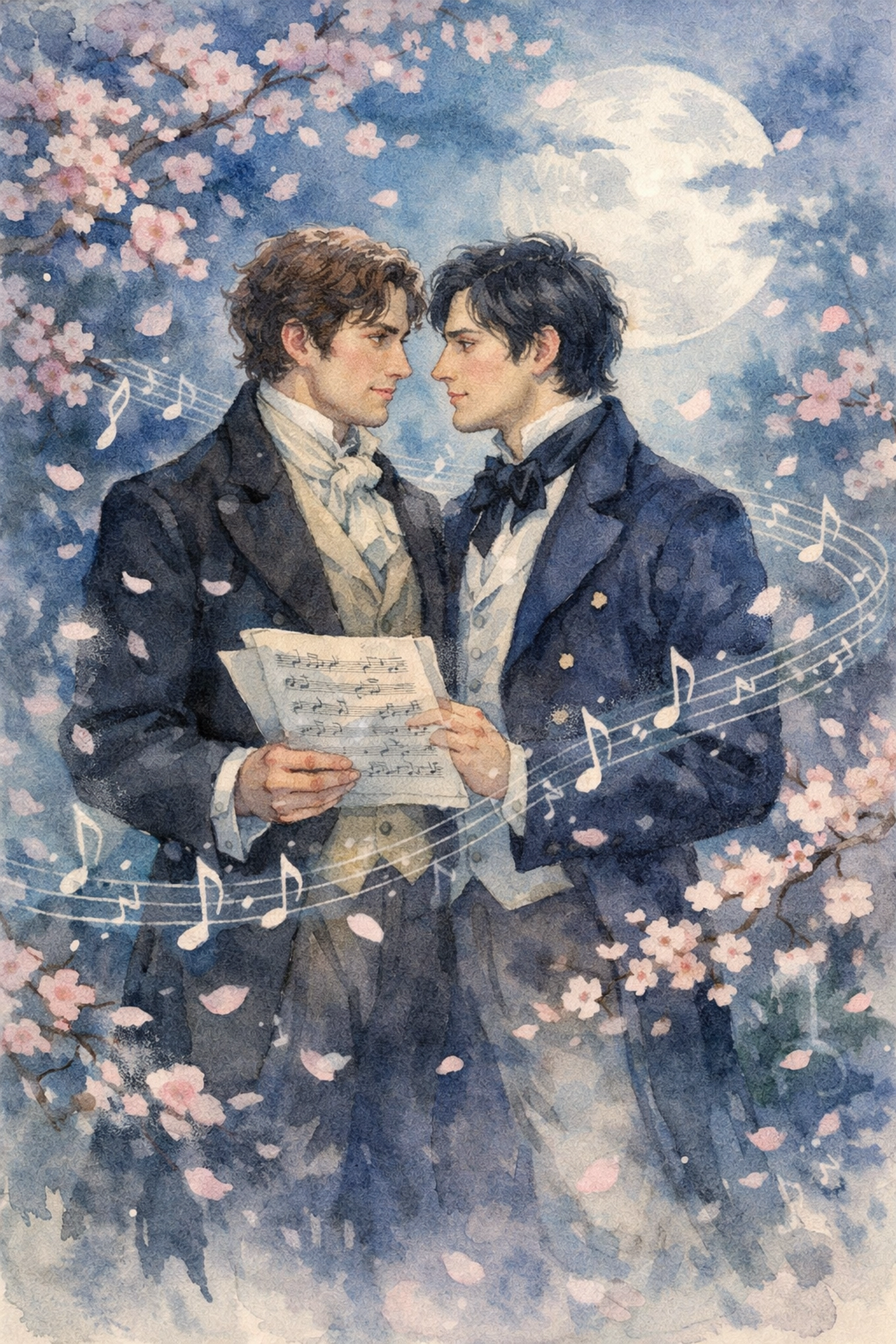
Karol Szymanowski (1882-1937) went even further, writing a two-volume homoerotic novel called Efebos and composing his Third Symphony, subtitled "Song of the Night," which scholars view as particularly homoerotic. The man wasn't subtle, and we love that for him.
Samuel Barber (1910-1981) explored themes of same-sex love in his compositions, representing what many consider a significant stride in LGBTQ+ representation in music. His work provided a platform for expressing queer experiences within a musical context during an era when being openly gay could literally destroy your career, or worse.
Living Out Loud (When the World Wasn't Ready)
Some composers managed to live more openly, even when the world around them was serving up serious homophobia. Francis Poulenc (1899-1963), a celebrated member of the French compositional group Les Six, was one of the first openly gay composers. He somehow managed to maintain both his Catholic faith and his identity, a balancing act that would have given lesser mortals serious whiplash.
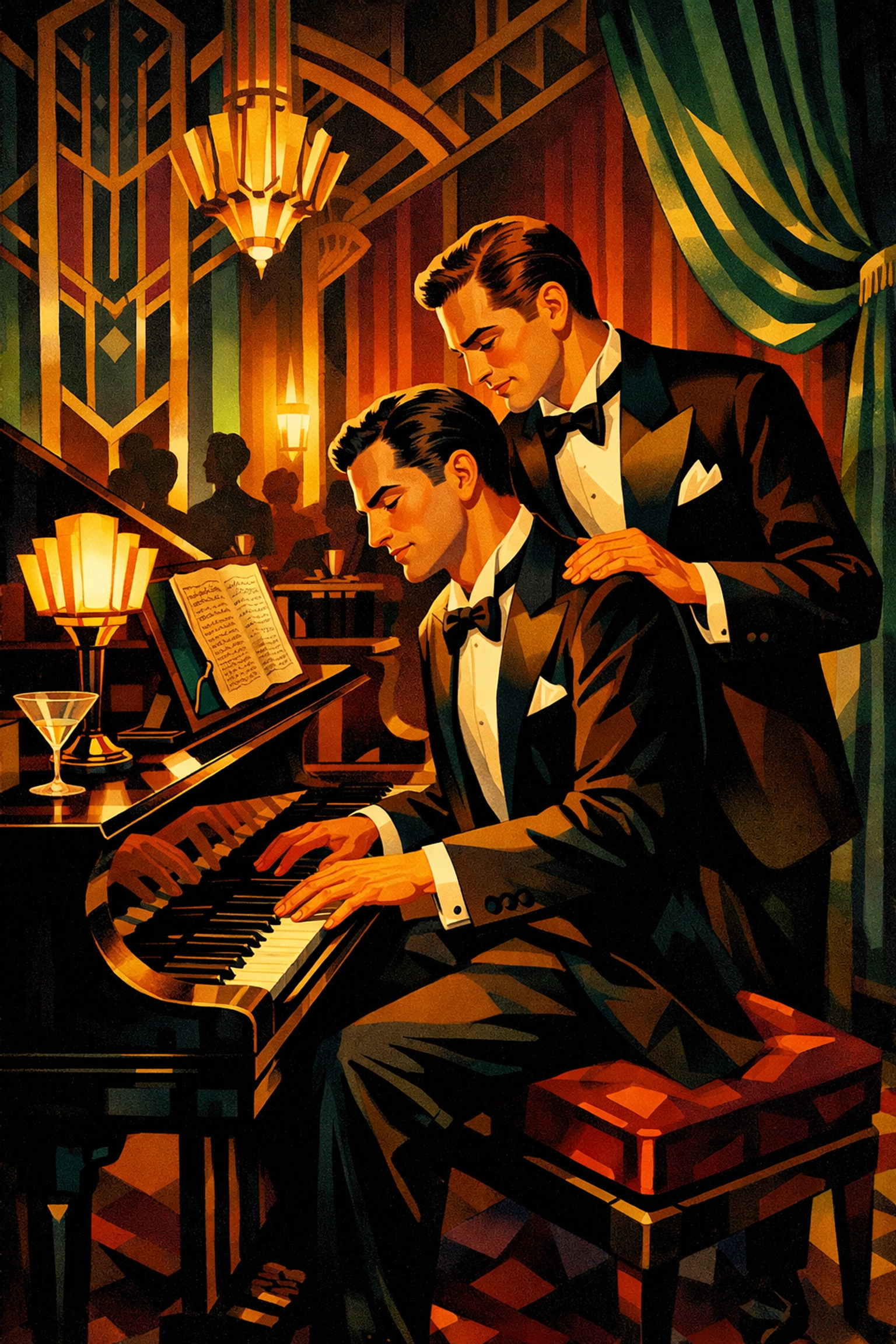
Benjamin Britten (1913-1976) lived openly with his partner, singer Peter Pears, during a time when homosexuality was literally illegal in the UK. His opera Death in Venice directly explored LGBTQ+ themes, and he wasn't afraid to center queer narratives in his work. That takes serious courage.
Lord Berners (1883-1950) took "living authentically" to a whole new level. This eccentric English composer, author, and painter lived openly with his partner Robert Heber-Percy for decades at his estate. In a time when discretion was supposedly everything, Berners was basically hosting the world's fanciest coming-out party and inviting everyone.
The American Sound Gets Its Gay Wings
Let's talk about Aaron Copland (1900-1990), who essentially created the sound of American classical music. You know Appalachian Spring? Fanfare for the Common Man? Those distinctly American compositions that make you want to salute a flag and contemplate wide-open spaces? Yeah, that was a gay Jewish man from Brooklyn. Copland didn't just create iconic works, he mentored an entire generation of American musicians, many of whom were also LGBTQ+.
The Avant-Garde and the Unapologetically Queer
By the 20th century, some composers were getting experimental in ways that would make your music theory professor clutch their pearls. John Cage, famous for his controversial piece 4'33" (that's the one that's literally four minutes and thirty-three seconds of silence), had relationships with both men and women and challenged every convention of what music could be.
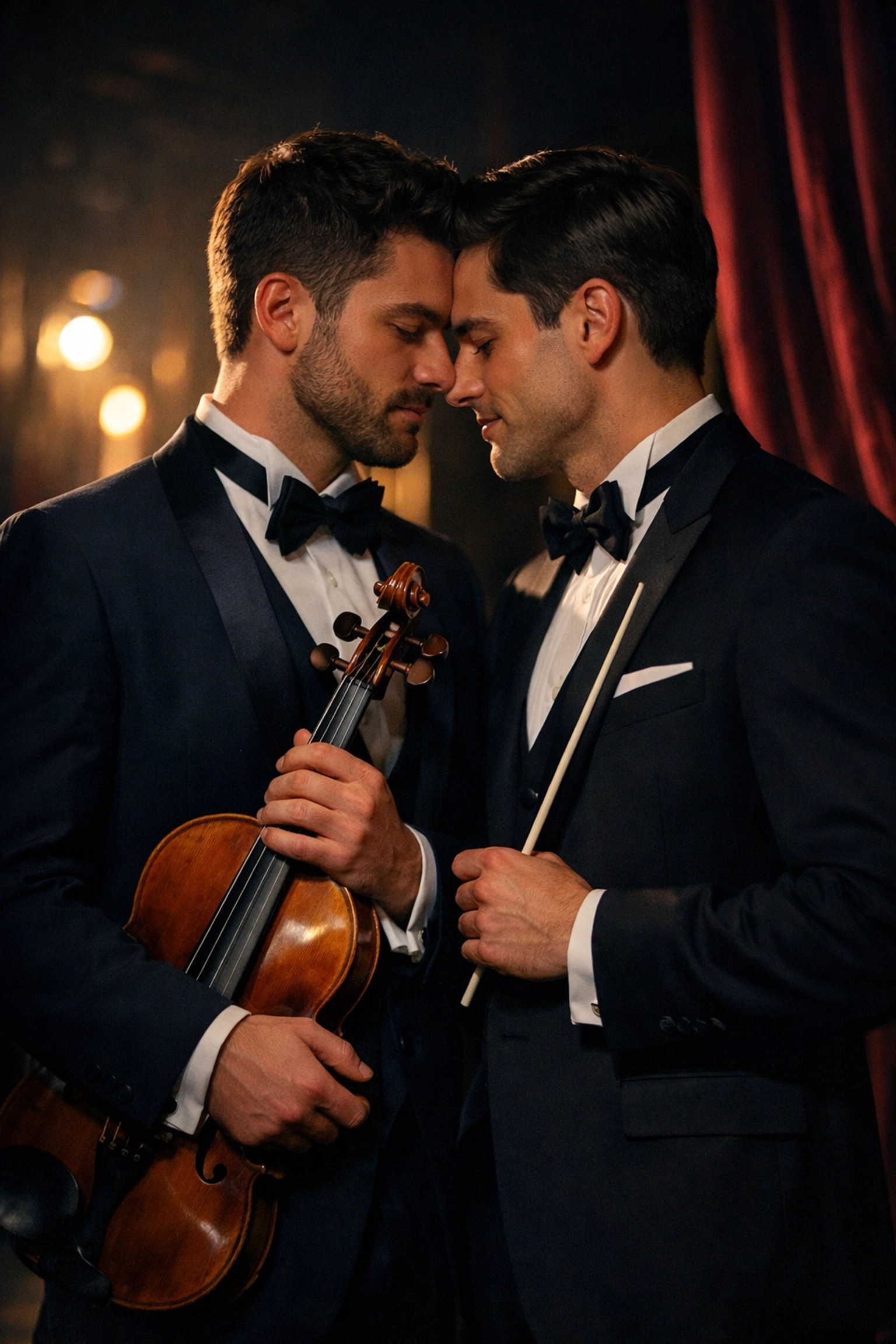
These composers weren't just writing pretty melodies, they were asking fundamental questions about sound, silence, structure, and expression. They were queering music in the most literal sense, refusing to accept traditional boundaries.
Why This Matters for Today's LGBTQ+ Community
Here's the thing: these composers created during eras when being openly gay could mean persecution, imprisonment, or death. They channeled their experiences, their loves, their heartbreaks, and their identities into music that has literally outlived empires. That's not just artistic achievement, that's resistance. That's survival. That's saying "we were here, we mattered, and you can't erase us."
For those of us at Read with Pride, celebrating these stories feels particularly important. Just as we champion LGBTQ+ literature and MM romance books that center queer experiences, we recognize how vital it is to remember the artists who came before, the ones who paved the way for today's openly queer creators.
Whether you're into gay romance novels, contemporary MM fiction, or yes, classical music, knowing our history connects us to a legacy of creative brilliance that spans centuries. These composers remind us that LGBTQ+ people have always been here, creating beauty and pushing boundaries.
The Legacy Continues
The influence of LGBTQ+ composers on classical music can't be overstated. They didn't just contribute to the genre: they helped define it. From establishing opera as an art form to revolutionizing instrumental techniques to exploring emotional territories that straight composers couldn't or wouldn't touch, queer musicians have been essential to classical music's evolution.
So next time you hear a piece of classical music, remember: there's a good chance a queer person wrote it, probably while dealing with way more drama than just the musical kind. And they created something so beautiful, so enduring, that centuries later, we're still listening.
Want more LGBTQ+ stories that celebrate our rich history and vibrant present? Explore our collection of gay romance books and MM fiction that honor the diversity of queer experiences. Because every love story deserves to be told.
Follow us for more LGBTQ+ content:
#ReadWithPride #LGBTQHistory #ClassicalMusic #QueerComposers #GayHistory #MMRomance #LGBTQBooks #QueerCulture #GayRomanceBooks #LGBTQFiction #PrideInHistory #QueerArtists #GayLiterature #LGBTQCommunity #MusicHistory #QueerLegacy #2026Pride

Leave a Reply
You must be logged in to post a comment.