

SPECIAL OFFER: Visit Read with Pride for exclusive LGBTQ+ ebooks featuring stories of unconditional love and acceptance. Browse our complete collection at dickfergusonwriter.com/collections/all.
The Science of Unconditional Acceptance
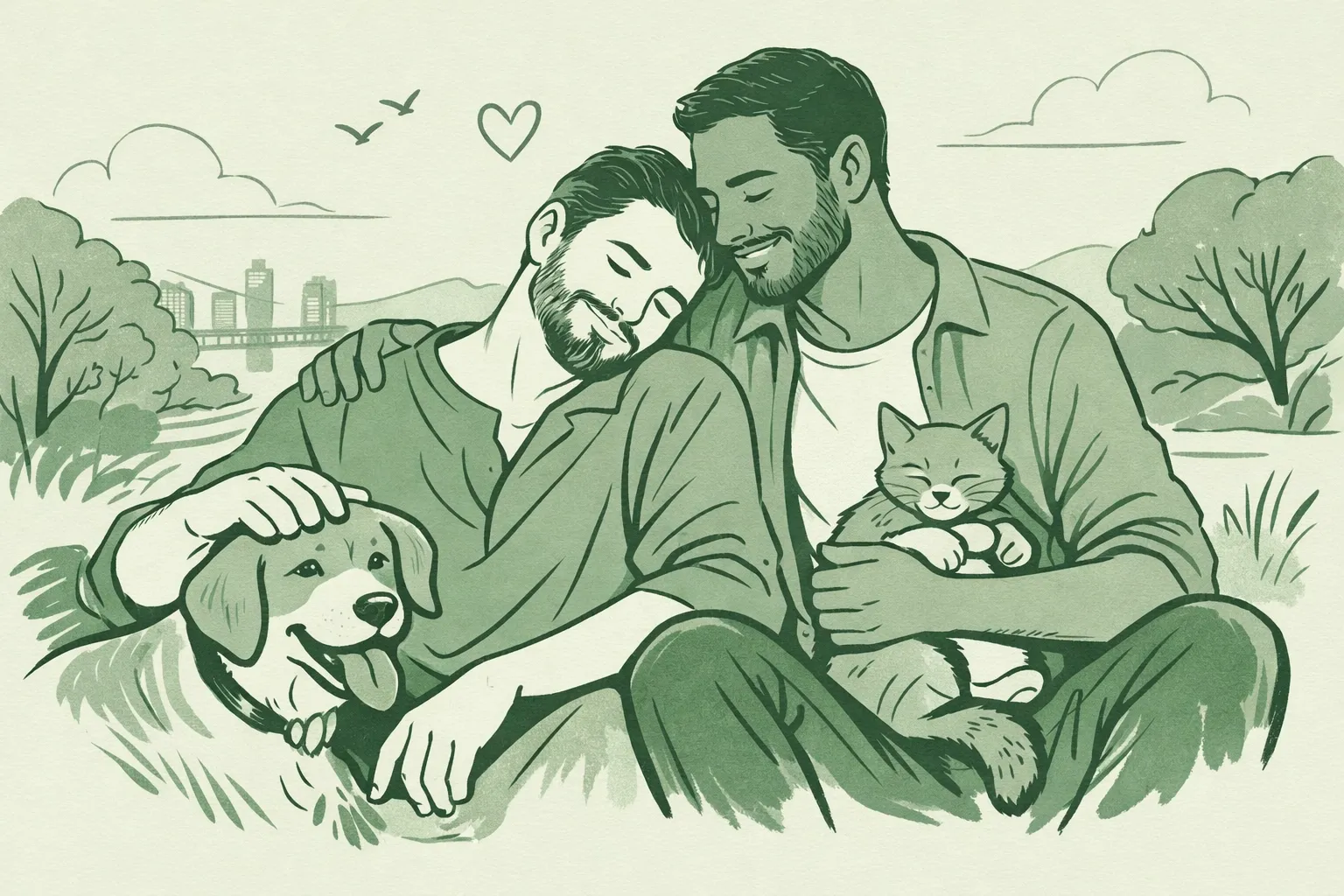
Research confirms that 75% of LGBTQ+ pet owners identify their animals as critical support systems against discrimination, rejection, and microaggressions. This data translates to real-world relief for queer individuals navigating hostile environments.
Animal interaction triggers measurable neurological benefits:
- Increased oxytocin release lowers blood pressure and reduces stress
- Elevated dopamine production enhances mood regulation and happiness
- Boosted serotonin levels directly combat depression symptoms
Studies document measurable drops in self-harm and suicidal ideation among LGBTQ+ individuals who engage with animals regularly. Purpose increases. Mental health stabilizes.
Practical Benefits for LGBTQ+ Mental Health
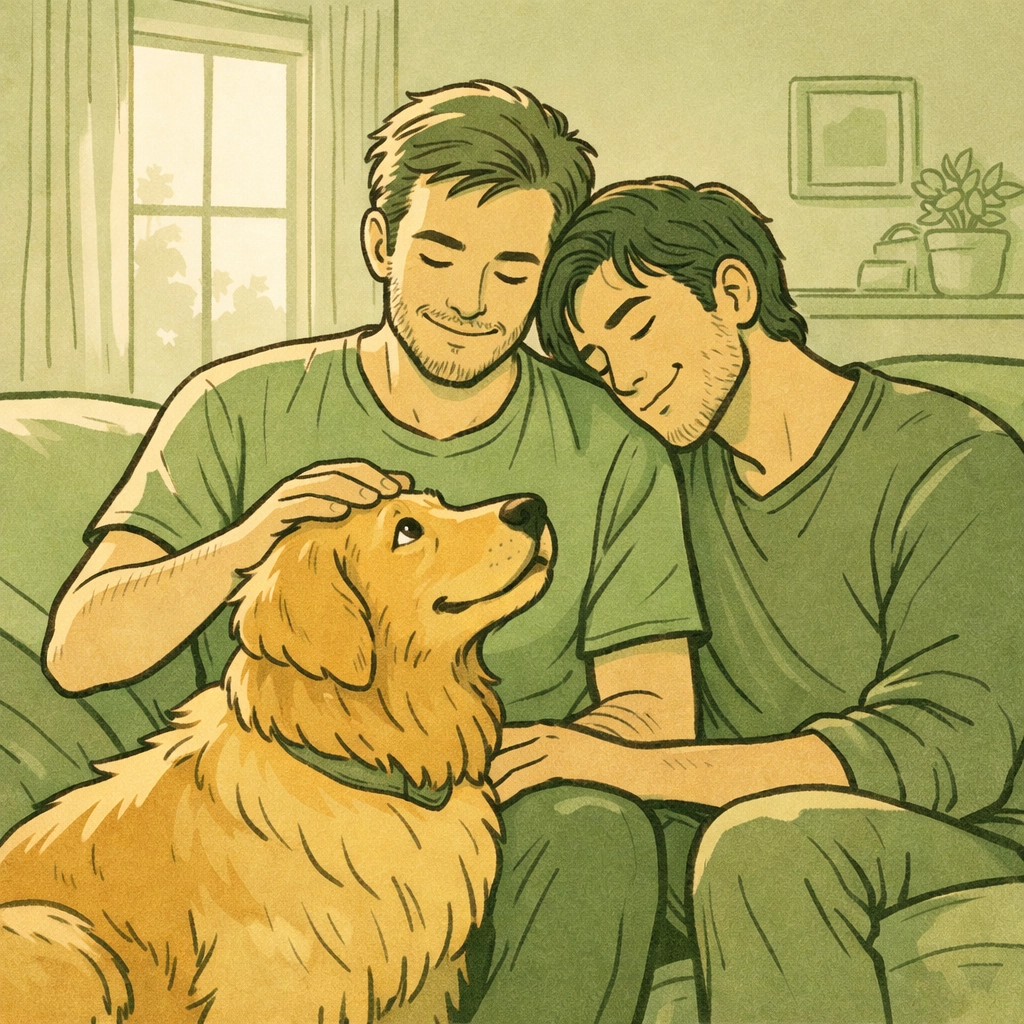
Pet ownership delivers structured routine and accountability. Regular feeding schedules, exercise requirements, and veterinary appointments create stability particularly valuable for those managing mental illness or trauma recovery.
Key advantages include:
- Non-judgmental companionship during identity formation
- Social bridge-building through pet-centered interactions
- Emotional stability exceeding traditional therapy alone in some cases
- Motivation for life changes, including leaving abusive relationships
For LGBTQ+ young adults, pets foster self-esteem during critical identity acceptance periods. When families provide inadequate support, animals fill emotional gaps with consistent presence and unconditional regard.
BROWSE NOW: Explore gay romance books and MM fiction that celebrate unconditional love at Read with Pride. Find your next read today.
Social Connection and Resilience Building
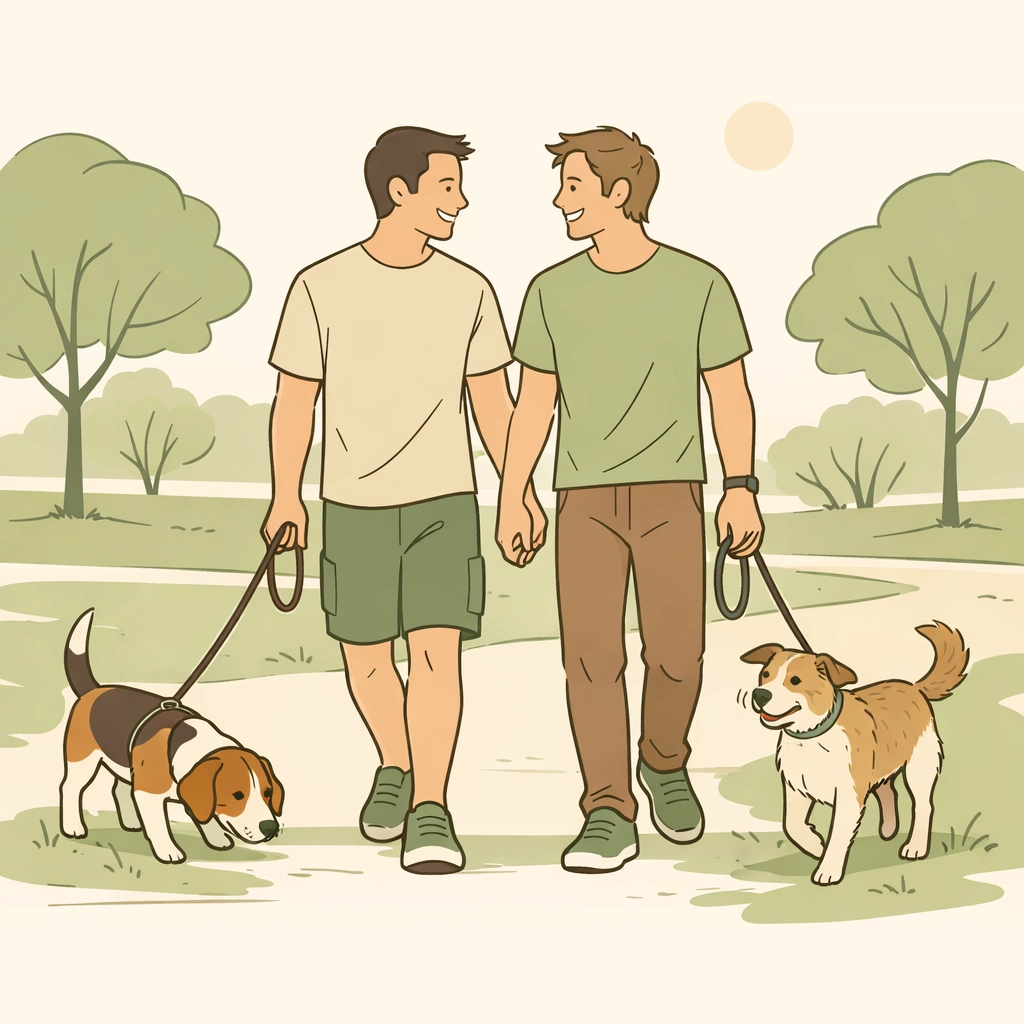
Animal companionship initiates organic social interactions, expanding networks for isolated LGBTQ+ individuals. Simple conversations about pets diffuse tension and create meaningful connections in public spaces.
Older LGBTQ+ adults with limited social networks experience significantly increased perceived support through pet ownership. Physical activity increases through walking and outdoor engagement. Disability accommodation improves with service and emotional support animals trained for specific needs.
Pet care develops improved coping mechanisms for daily discrimination and stress. This consistent emotional anchor provides stability many LGBTQ+ people lack in unsupportive family structures.
Neurochemical Support Against Discrimination
When LGBTQ+ individuals experience rejection or microaggressions, pets offer immediate biochemical relief. Petting animals activates parasympathetic nervous system responses, counteracting fight-or-flight stress reactions triggered by discrimination.
This biological mechanism creates measurable outcomes:
- Reduced cortisol levels after negative social encounters
- Faster emotional recovery from rejection experiences
- Decreased anxiety symptoms through tactile comfort
- Enhanced emotional regulation during identity struggles
DISCOVER MORE: Find stories of acceptance and belonging in our gay fiction collection at dickfergusonwriter.com.
Purpose and Identity Formation
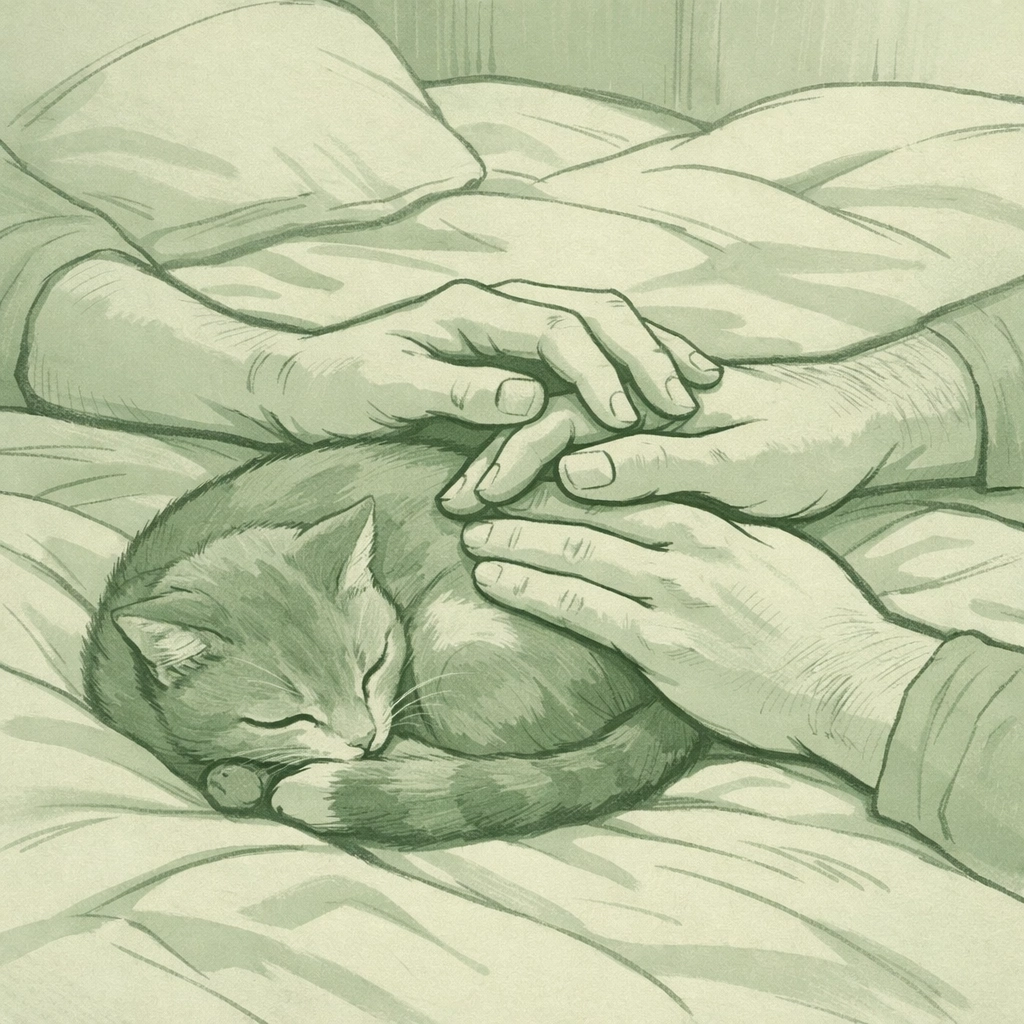
Animals provide purpose when LGBTQ+ individuals question self-worth due to societal rejection. Responsibility for another living being creates meaning independent of external validation.
For queer youth navigating coming out processes, pets offer stable emotional support unaffected by disclosure. This consistency helps young people accept their LGBTQ+ identity without fear of losing companionship.
Research documents that pet owners develop stronger resilience against identity-based stressors. The daily routine of animal care builds psychological armor against discrimination while fostering self-acceptance through unconditional animal love.
Practical Implementation for Community Support
LGBTQ+ organizations increasingly recognize animal companionship benefits:
- Pet-friendly housing advocacy for queer individuals
- Therapy animal programs at LGBTQ+ community centers
- Financial assistance for veterinary care in queer communities
- ESA certification support for those experiencing discrimination-related mental health challenges
SUBSCRIBE NOW: Sign up at Read with Pride for LGBTQ+ literature celebrating all forms of love and acceptance.

Breaking Isolation Through Animal-Centered Activities
Pet ownership creates natural opportunities for LGBTQ+ social connection:
- Dog park interactions with other queer pet owners
- LGBTQ+-friendly veterinary clinic communities
- Pet adoption events at Pride celebrations
- Online communities focused on queer pet parenting
These spaces provide low-pressure socialization where LGBTQ+ identity exists alongside pet caretaker identity, reducing isolation without requiring constant identity disclosure.
Long-Term Mental Health Investment
Animal companionship represents sustainable mental health support for LGBTQ+ individuals facing chronic discrimination. Unlike temporary interventions, pets provide years of consistent emotional stability and unconditional acceptance.
The financial and time investment in pet ownership yields measurable returns:
- Decreased therapy costs through emotional support
- Reduced medication needs for some mental health conditions
- Lower hospitalization rates for mental health crises
- Increased life satisfaction and purpose metrics
SHOP NOW: Browse gay novels and MM romance books exploring themes of loyalty and acceptance at dickfergusonwriter.com/collections/all.
Building Supportive Communities
LGBTQ+ individuals create chosen families that frequently include pets as core members. This family structure validates queer relationships while providing the emotional foundation biological families sometimes deny.
Pet-inclusive LGBTQ+ spaces recognize this reality, offering:
- Pride events welcoming animals
- LGBTQ+ pet blessing ceremonies
- Queer-friendly pet bereavement support
- Animal charity partnerships with LGBTQ+ organizations
VISIT TODAY: Read with Pride | dickfergusonwriter.com
Follow us on social media:
- Instagram: instagram.com/dickfergusonwriter
- X/Twitter: x.com/DickFergus94902
- Facebook: facebook.com/profile.php?id=61572869844598
- Read with Pride: readwithpride.com
#LGBTQebooks #ReadWithPride #GayRomance #MMRomance #QueerFiction #GayFiction #GayLoveStories #LGBTQSupport #PetLove #AnimalCompanionship #MentalHealthSupport #QueerCommunity #GayBooks #MMBooks #LGBTQLiterature #ReadingWithPride #GayNovel #ContemporaryGayRomance #LGBTQPride #UnconditionalLove

Leave a Reply
You must be logged in to post a comment.