

Explore LGBTQ+ history through literature. Visit Read with Pride for curated gay romance books, MM fiction, and queer historical novels. Browse our complete collection now: dickfergusonwriter.com/collections/all
The Hidden World Behind Velvet Curtains
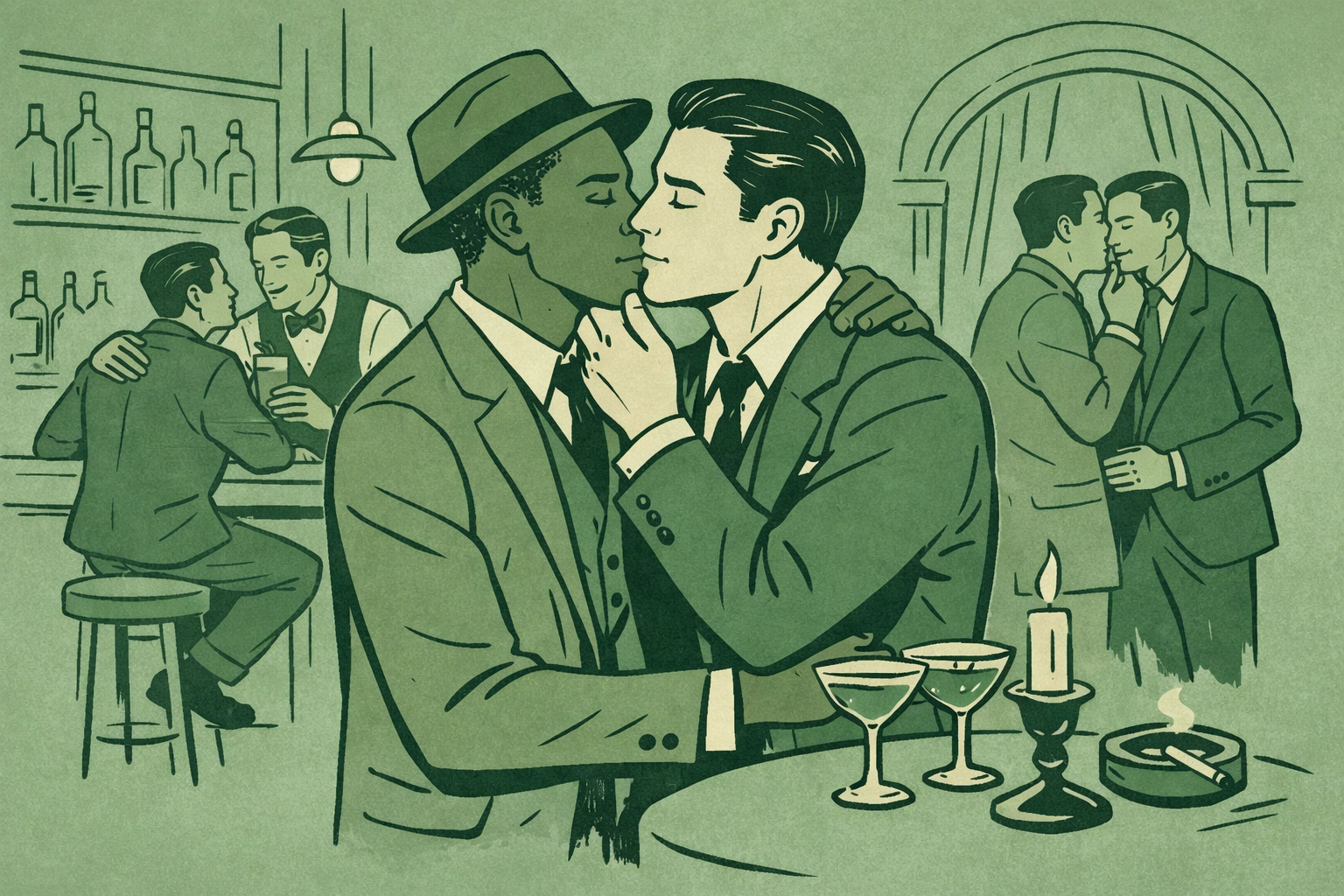
The 1920s gay speakeasy culture represents a pivotal moment in LGBTQ+ history when wealthy elites, artists, and revolutionaries gathered in coded spaces to celebrate queer identity. These underground venues combined illegal cocktails, jazz performances, and same-sex dancing: creating sanctuaries where gay men could express themselves openly despite intense legal persecution.
Discover period-accurate MM romance set in the Roaring Twenties. Our gay historical romance collection captures the tension, elegance, and danger of this era. Shop now: dickfergusonwriter.com
Hamilton Lodge: The Palace of Harlem's Queer Elite
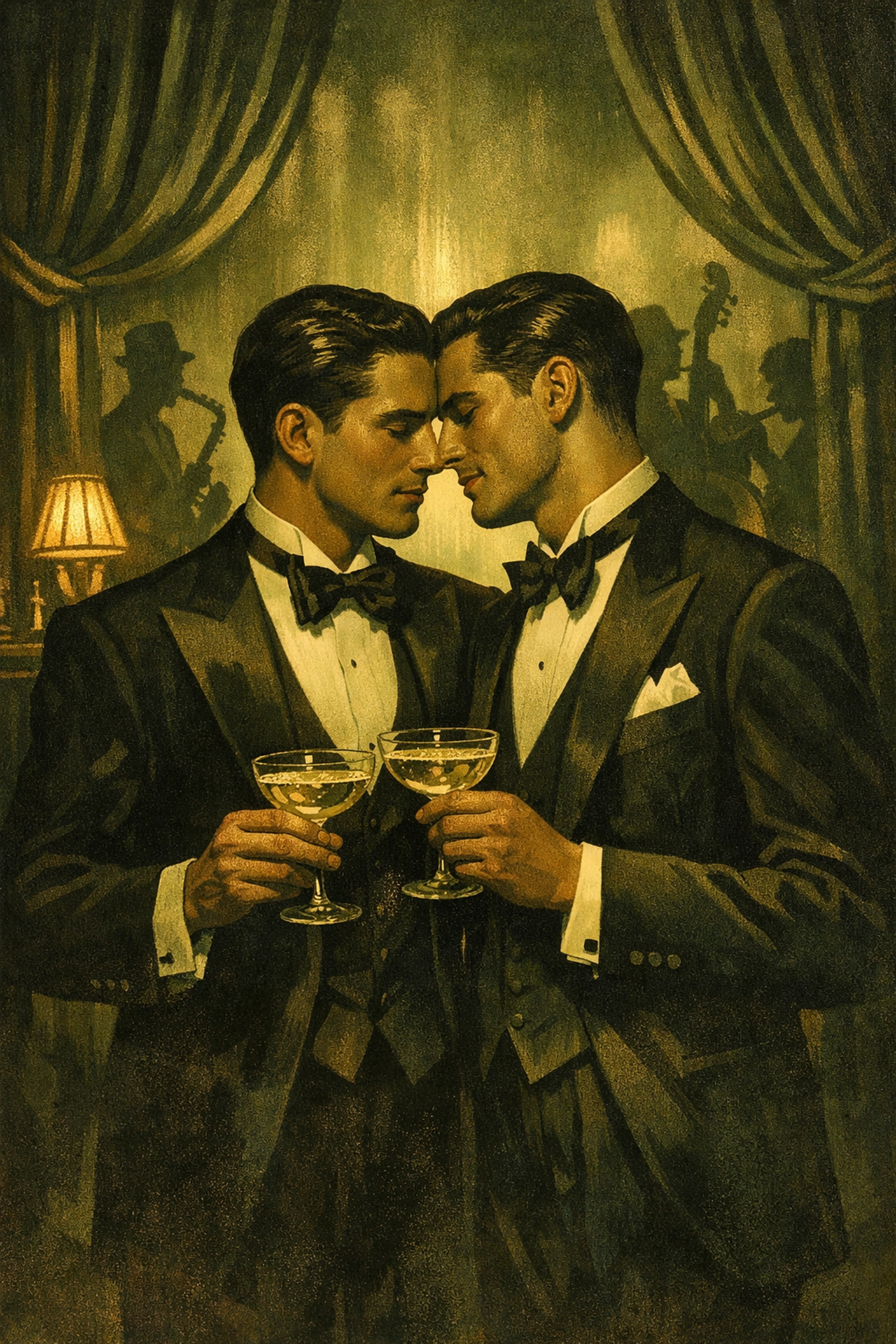
Hamilton Lodge in Harlem stood as the flagship venue for gay speakeasy culture, hosting up to 6,000 attendees at its annual Masquerade balls. Members of America's most prominent families: including the Vanderbilts and Astors: regularly attended these spectacular drag shows and same-sex dance events.
The venue's massive capacity and high-society clientele created a unique intersection of wealth, power, and queer expression. Attendees arrived in formal evening wear, their champagne flutes raised in celebration of identities they could never acknowledge in daylight. These events featured elaborate drag performances, gender-bending artistry, and open displays of same-sex affection protected by the venue's discretion and organized crime connections.
Read MM fiction exploring hidden gay relationships in high society. Check out The Berlin Companions for similar themes of elite queer culture in the 1920s.
Coded Entry: Passwords and Pinkies
Access to elite gay speakeasies required insider knowledge. Word-of-mouth recruitment ensured only trusted individuals learned venue locations. Passwords, secret knocks, and membership cards protected establishments from law enforcement raids. Gay men employed subtle signals: specific clothing items, coded language, and particular gestures: to identify fellow queer patrons without exposing themselves to danger.
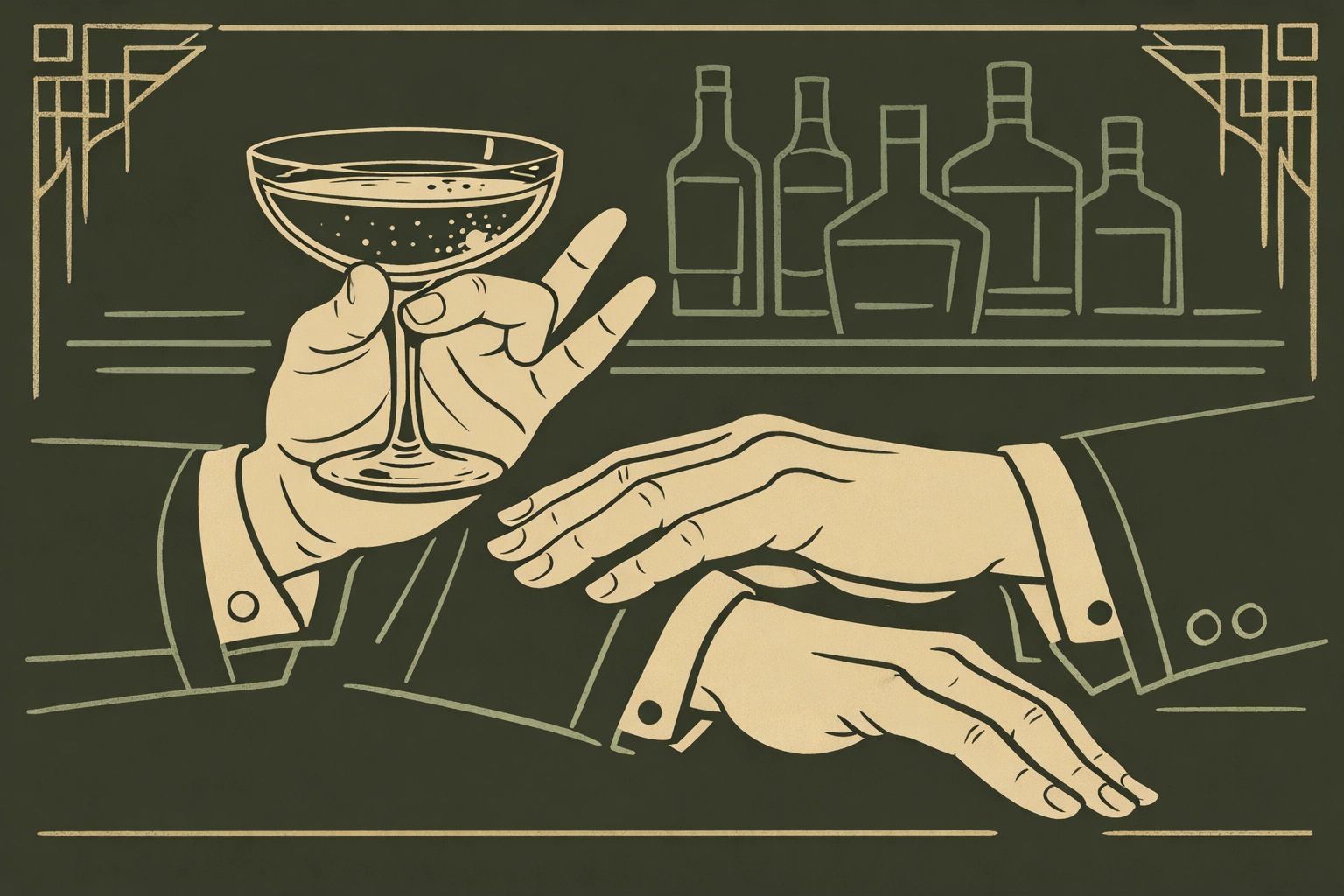
The "pinkie raise" while holding a cocktail glass became one such signal, a seemingly innocent gesture that communicated volumes to those who understood. Wearing red ties on specific days, positioning handkerchiefs in particular pockets, or using certain phrases about "being musical" all served as coded identifiers within this underground world.
The Cocktail Culture of Queer Speakeasies
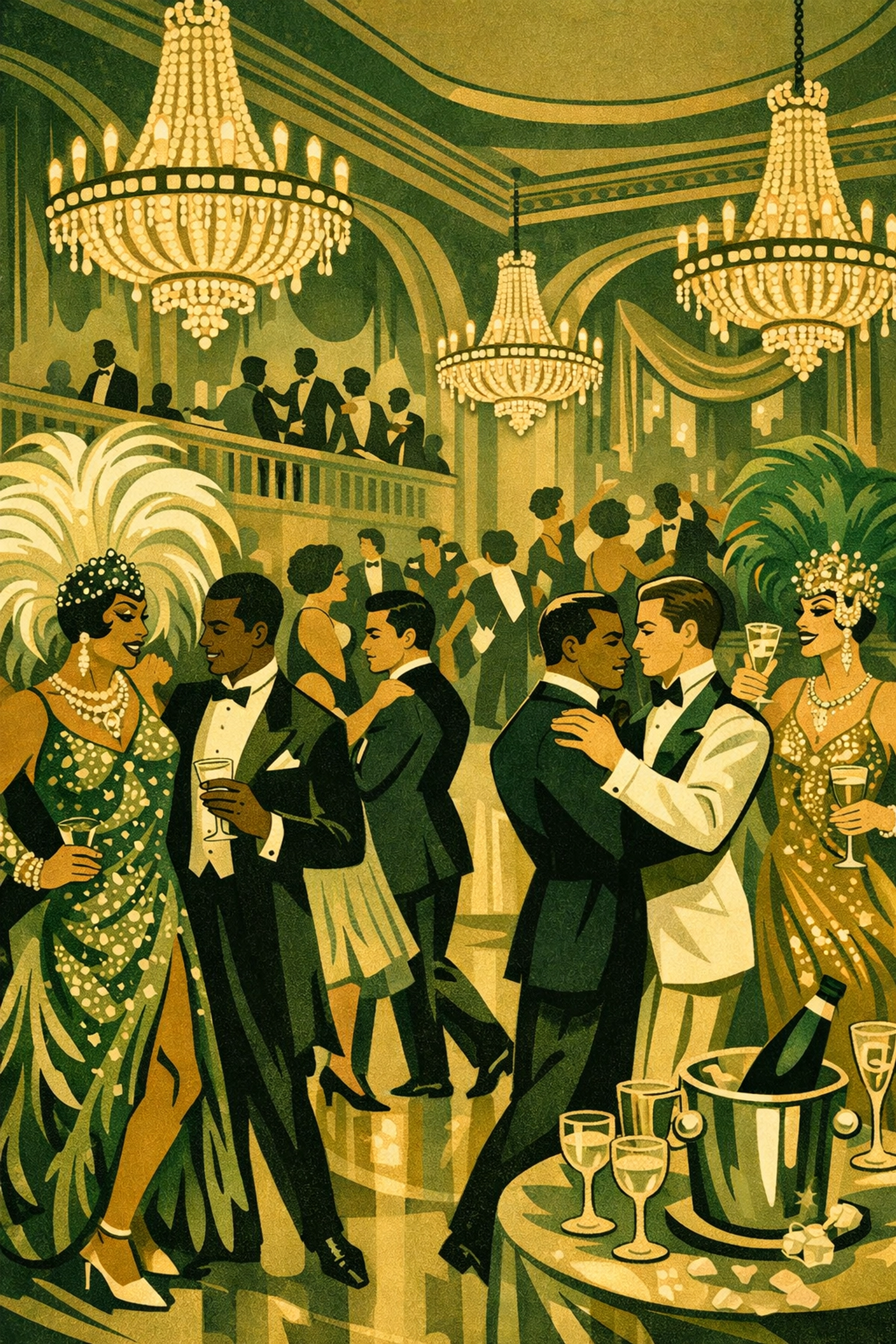
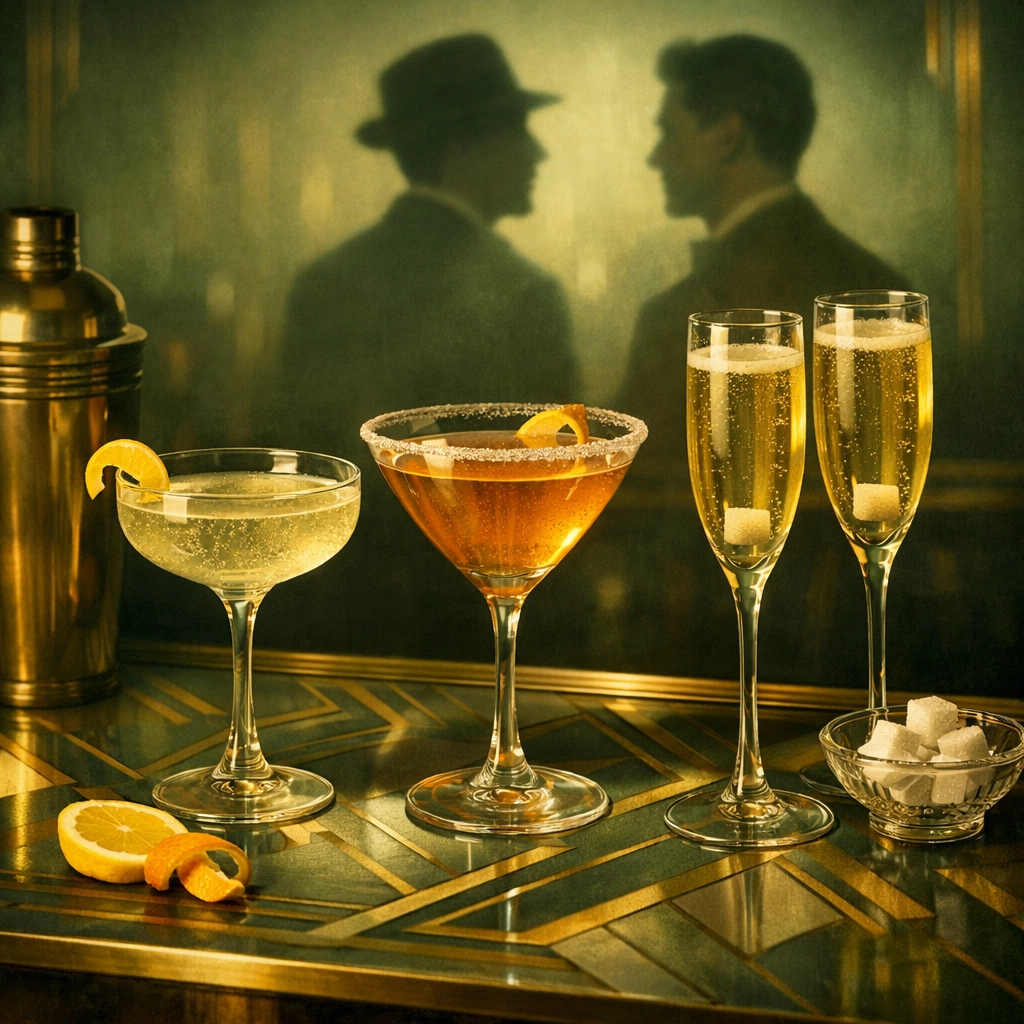
Prohibition-era cocktails became essential to gay speakeasy culture. Bartenders mixed illicit alcohol with fruit juices, syrups, and bitters to create elaborate drinks that masked the harsh taste of bathtub gin and bootlegged whiskey. Popular cocktails included:
The French 75 – Champagne mixed with gin, lemon juice, and sugar, served in elegant coupe glasses that became symbols of sophistication in gay venues.
The Bee's Knees – Gin, lemon juice, and honey, named with the era's slang for "excellent": a term frequently used in coded gay language.
The Sidecar – Cognac, orange liqueur, and lemon juice, favored by wealthy patrons who could afford premium imported spirits.
Champagne Cocktails – Simple but elegant, champagne with a sugar cube and Angostura bitters represented the height of sophistication at Hamilton Lodge events.
These drinks weren't merely beverages: they were props in an elaborate performance of wealth, taste, and belonging. The ritual of ordering specific cocktails, the flourish of raising crystal glasses, and the intimate proximity required at crowded speakeasy bars all facilitated connections between gay men in coded, socially acceptable ways.
Explore gay romance books featuring historical cocktail culture and period authenticity. Visit readwithpride.com for curated LGBTQ+ fiction.
Downtown Daring: Greenwich Village's Lesbian-Run Venues
While Harlem offered grandeur, Greenwich Village provided intimacy. Lesbian-operated clubs featured explicit policies, with signs declaring "Men admitted but not welcome." These venues created rare spaces where women could dance together, dress in masculine clothing, and openly court romantic partners without immediate legal consequences.
The Village's geography: narrow streets, basement venues, and artistic communities: provided natural cover for queer establishments. Many gay speakeasies operated in buildings with multiple exits, allowing quick dispersal during police raids. The neighborhood's bohemian reputation meant that unconventional behavior attracted less suspicion than in uptown Manhattan.
The Pansy Craze and Performance Culture
Gay speakeasies birthed the "Pansy Craze," where drag performers achieved mainstream prominence. Cross-dressing aerialist Barbette captivated audiences with performances that challenged gender norms while maintaining plausible deniability through theatrical framing. These acts allowed straight audiences to consume queer culture as entertainment while gay patrons recognized and celebrated authentic representation.
Drag performances ranged from sophisticated gender illusion to campy comedy, with performers earning celebrity status within queer communities. The most successful drag artists attracted wealthy patrons who funded elaborate costumes, provided protection from harassment, and sometimes engaged in discreet romantic relationships.
Discover MM romance exploring performance, identity, and hidden gay relationships in theatrical settings. Browse The Phoenix of Ludgate and similar titles.
The Mafia's Profitable Protection
Gay speakeasies survived only through organized crime infrastructure. The Mafia provided illegal alcohol and protection from police raids in exchange for substantial payments. This partnership allowed elite queer venues to flourish despite legal persecution, creating a paradox where criminal enterprises enabled LGBTQ+ cultural expression.
Mob protection came with costs beyond money: venue owners surrendered autonomy, accepted forced business partners, and sometimes faced violence when payments lagged. Yet this arrangement created unprecedented spaces for open queer socialization that wouldn't exist again until the post-Stonewall era, decades later.
Legacy and Literature
The 1920s gay speakeasy culture demonstrated that LGBTQ+ communities have always created spaces for authentic expression, even under intense oppression. These venues preserved queer culture, fostered artistic movements, and connected generations of gay men and lesbians who might otherwise have lived in complete isolation.
Explore the full collection of gay historical romance and MM fiction capturing this pivotal era in LGBTQ+ history. Visit dickfergusonwriter.com/collections/all for period-accurate gay novels, queer fiction, and MM romance books.
Understanding this history enriches contemporary LGBTQ+ identity and informs modern gay romance literature. Authors who accurately portray speakeasy culture create immersive MM historical romance that honors the courage, creativity, and resilience of queer ancestors.
Read gay books exploring prohibition-era romance, coded identities, and hidden relationships. Shop MM romance books and LGBTQ+ ebooks at Read with Pride.
Follow Us on Social Media
Stay connected for new gay romance releases, MM fiction recommendations, and LGBTQ+ book news:
Instagram: instagram.com/dickfergusonwriter
X/Twitter: x.com/DickFergus94902
Facebook: facebook.com/profile.php?id=61572869844598
Website: readwithpride.com
#ReadWithPride #GayBooks #MMRomance #LGBTQFiction #GayRomanceBooks #QueerFiction #GayHistoricalRomance #MMHistoricalRomance #GayLiterature #1920sSpeakeasies #GayHistory #LGBTQHistory #ProhibitionEra #MMFiction #GayNovels #QueerHistory #MMBooks #GayRomance #LGBTQBooks #GayLoveStories #HistoricalMMRomance #ReadingWithPride #GayFiction

Leave a Reply
You must be logged in to post a comment.