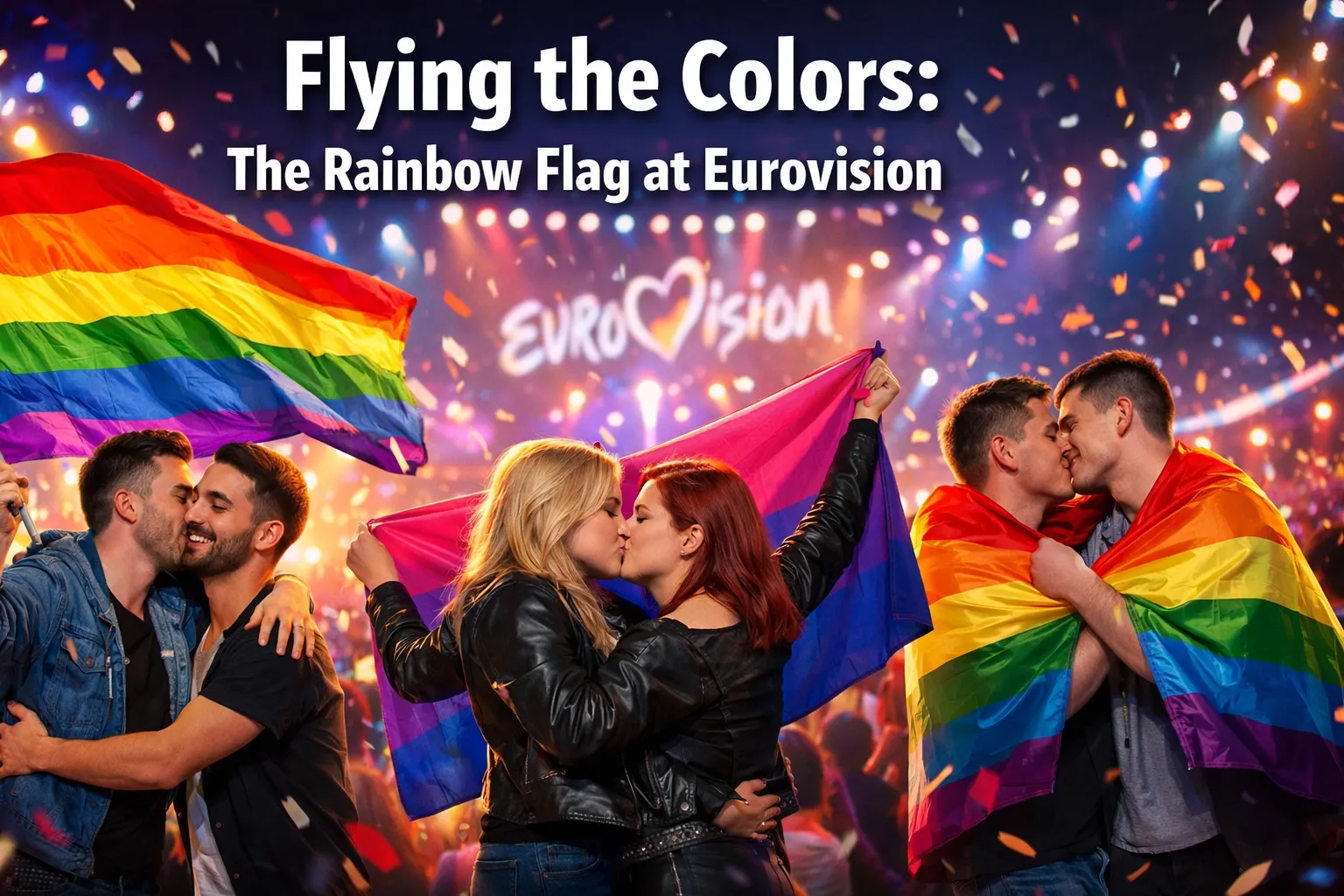
If you've ever watched Eurovision, you know it's basically the world's most fabulous party. Glitter? Check. Over-the-top costumes? Double check. A sea of rainbow flags waving proudly in the audience? Well… that's where things get complicated.
The rainbow flag has become as synonymous with Eurovision as questionable key changes and wind machines. But the relationship between Pride flags and the world's biggest song contest isn't as straightforward as you might think. It's a story of visibility, politics, censorship, and one very big question: Can LGBTQ+ celebration ever truly be "non-political"?
When the Rainbow Became Eurovision's Unofficial Symbol
Let's rewind to understand how we got here. The Pride flag, originally designed by artist Gilbert Baker in San Francisco in 1978, took a while to become the Eurovision staple we know today. While the contest has had a devoted LGBTQ+ fanbase since the 1970s (we see you, ABBA fans), rainbow flags didn't really flood the arenas until the 2000s.
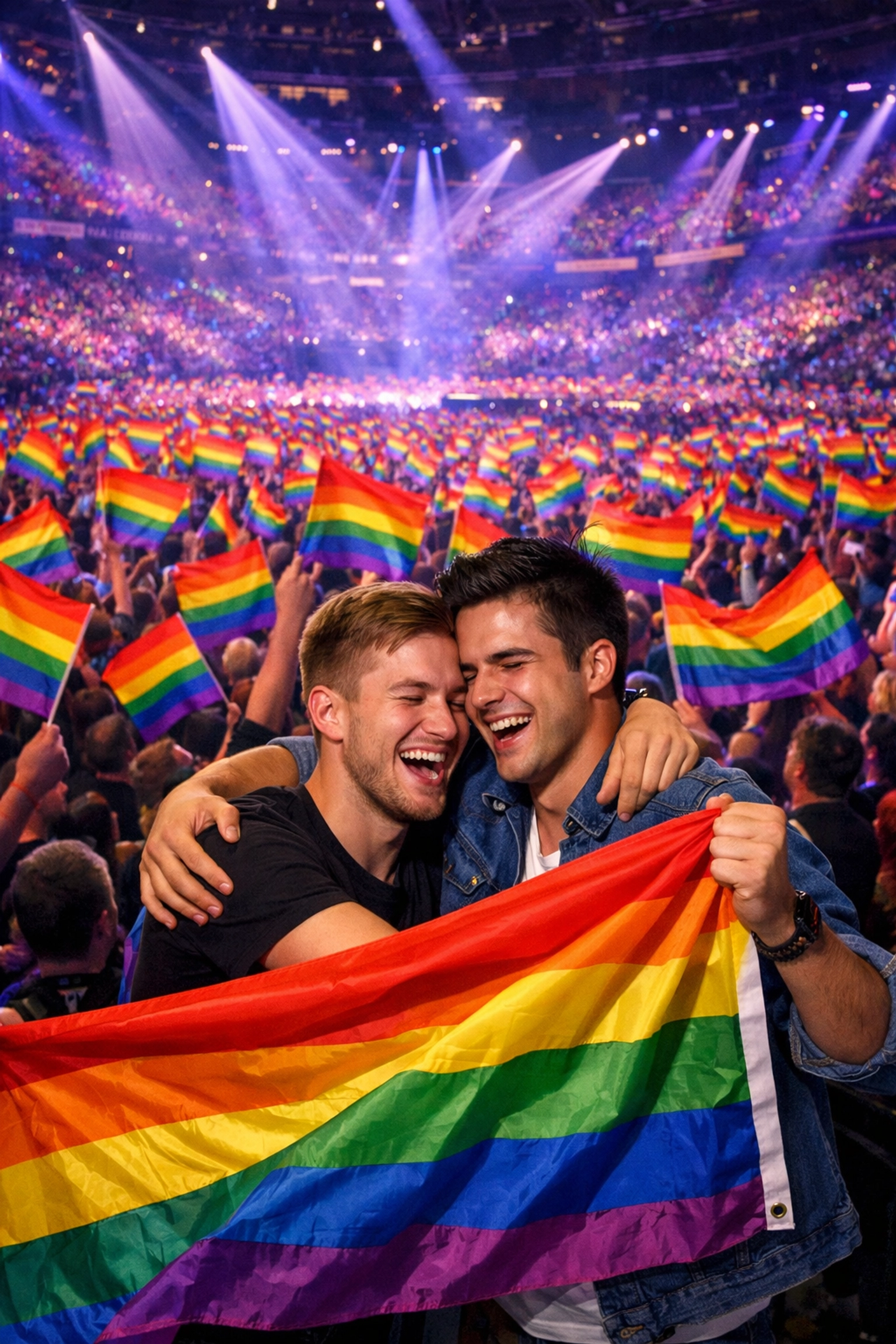
As Eurovision expanded into massive venues across European capital cities, many of which were going through EU accession processes, something magical happened. Thousands of LGBTQ+ fans started showing up with their Pride flags, turning the contest into an unofficial celebration of queer visibility. The flags became a powerful symbol: we're here, we're queer, and we're voting for Sweden again.
For many fans, Eurovision represented something bigger than a song contest. It was a safe space where LGBTQ+ people could be themselves, celebrate love in all its forms, and connect with a community that understood them. The rainbow flag wasn't just decoration, it was a statement of belonging.
The Great Contradiction: "Non-Political" But Make It Pride
Here's where Eurovision's organizers tied themselves in knots. The European Broadcasting Union (EBU), which runs the contest, has always insisted that Eurovision is "non-political." Their rules explicitly prohibit "lyrics, speeches, and gestures of a political, commercial or similar nature." Sounds simple enough, right?
Not so fast. Because here's the thing: the Pride flag, for many activists and LGBTQ+ people worldwide, is political. It's a symbol of struggle, liberation, and resistance against discrimination. It represents decades of fights for basic human rights. You can't just separate the rainbow from its revolutionary roots with a convenient rule change.
But Eurovision tried. They branded themselves using language like "diversity" and "family," wrapping Pride visibility in corporate-friendly packaging. The contest wanted the optics of LGBTQ+ celebration without acknowledging the political reality that makes that celebration necessary in the first place.
2016: The Year Everything Exploded
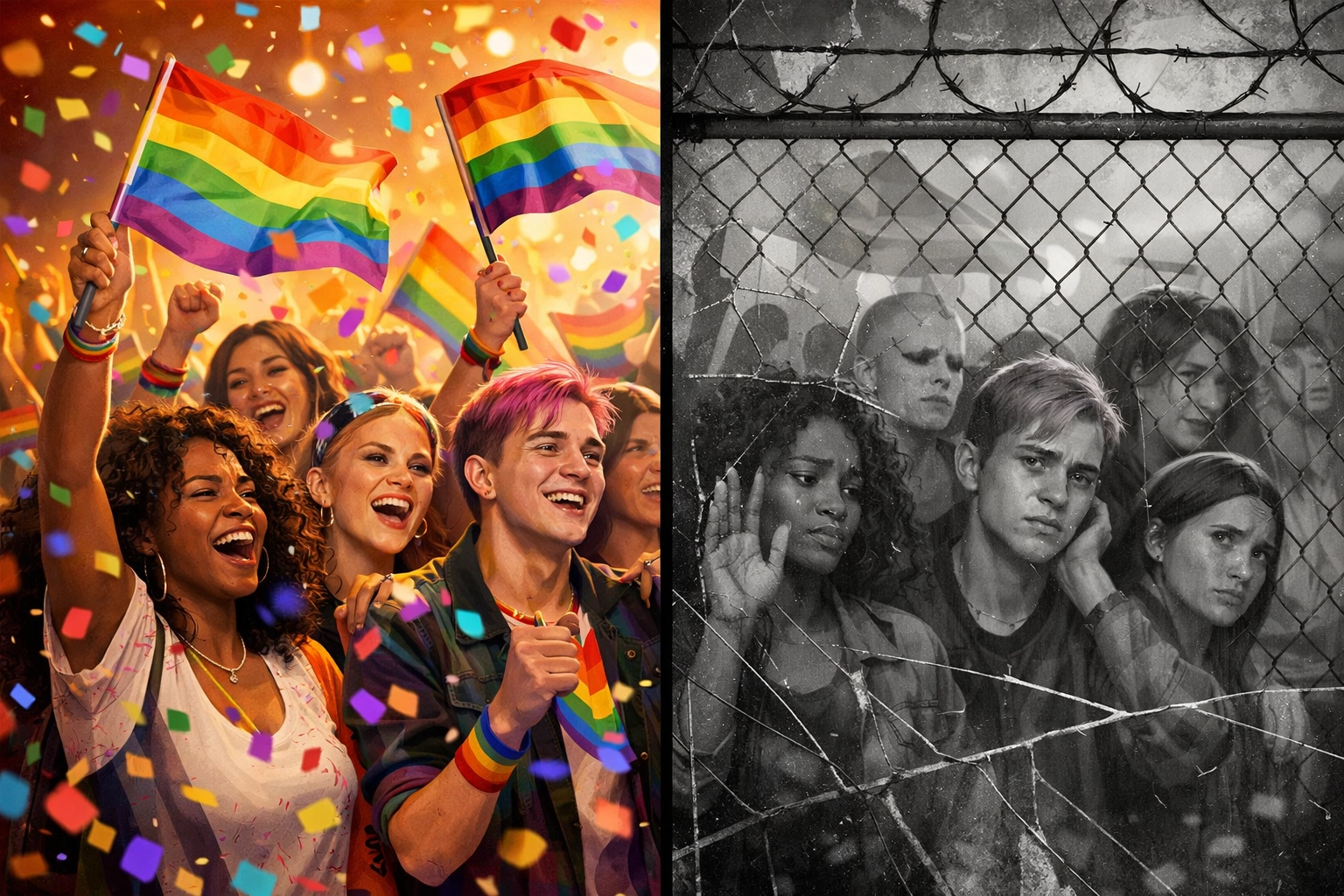
The tension finally came to a head in 2016, creating what would become known as the rainbow flag controversy. Initial instructions to security staff stated that rainbow flags would only be allowed if they were "not used as a tool to intentionally make a political statement during the show."
Wait, what? So we can wave the flag, but only if we promise not to mean it too much? The internet, unsurprisingly, lost its collective mind.
The EBU quickly backpedaled, claiming the rainbow flag "technically represents diversity which is a core symbol of the EBU" and therefore wasn't political at all. Problem solved, right? Well, not exactly. Because in redefining the Pride flag as merely a "diversity symbol," they stripped it of its radical history and political significance.
Even more telling: other Pride flags, like the trans flag, didn't receive the same treatment. The message was clear: some LGBTQ+ identities were "acceptable" enough for Eurovision's brand of diversity, while others remained too controversial.
The Real Issue: Who Decides What's "Too Political"?
Here's where things get really messy. By drawing arbitrary lines between "acceptable" and "radical" displays of Pride, Eurovision created a system ripe for discrimination. Security staff had to make judgment calls about which flag-wavers were there for "innocent celebration" and which were "radical activists" making political statements: even though they might be holding identical flags.
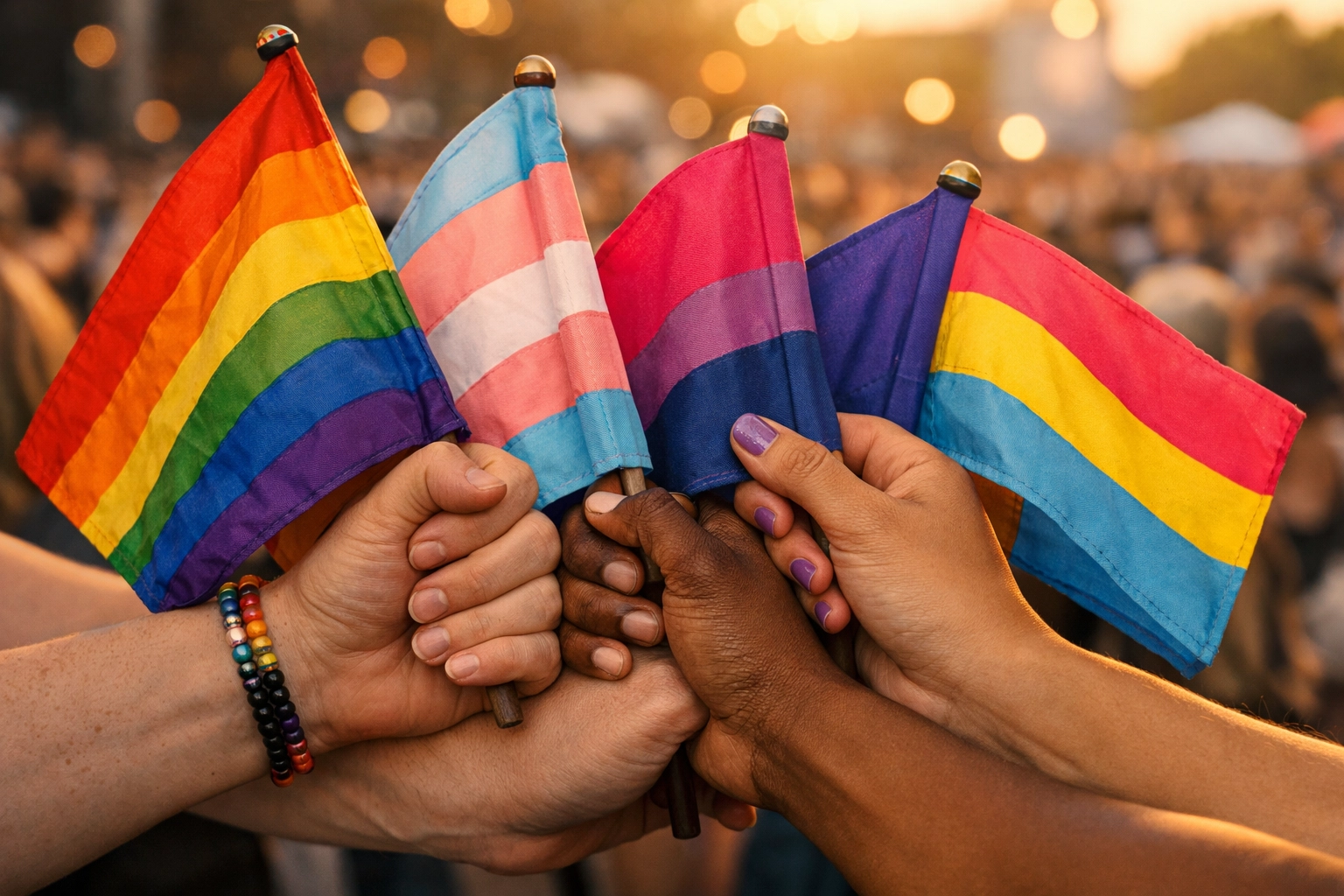
This kind of policing inevitably targets the most marginalized within the LGBTQ+ community. Trans people, non-binary folks, and queer people of color are more likely to be seen as "too political" simply for existing visibly. The very people who need visibility the most face the strictest censorship.
It's a classic move: co-opt LGBTQ+ imagery for good PR while keeping actual queer liberation at arm's length. Eurovision wanted the rainbow flag as aesthetic decoration, not as the symbol of resistance it truly is.
Recent Restrictions: Taking Steps Backward
If you thought things improved after 2016, think again. Recent reports indicate Eurovision has actually expanded restrictions, banning contestants and delegations from carrying Pride flags at official venues altogether. While audience members can still bring their flags (for now), the people on stage: the ones with the biggest platform: face the most limitations.
This sends a chilling message to LGBTQ+ artists and fans alike. At a contest that has historically provided a stage for queer performers and hosted some of the most iconic LGBTQ+ moments in music history, Pride visibility is now actively discouraged for participants.
Why This Matters for LGBTQ+ Visibility
You might be thinking, "It's just a song contest. Does this really matter?" But Eurovision reaches hundreds of millions of viewers worldwide, including millions in countries where being LGBTQ+ is still criminalized or heavily stigmatized. For many people in those regions, Eurovision represents one of the few times they see LGBTQ+ people celebrated on television.
When the rainbow flag waves in those arenas, it's a lifeline. It tells closeted teenagers in conservative countries that they're not alone. It shows LGBTQ+ people in repressive societies that there are places where they can live freely. It creates visibility that literally saves lives.
By restricting Pride symbols, Eurovision isn't just enforcing arbitrary rules: it's limiting potentially life-changing representation.
The Path Forward: Authenticity Over Aesthetics
So where do we go from here? Eurovision can't have it both ways. They can't market themselves as a "celebration of diversity" while simultaneously policing how that diversity can be expressed. They can't embrace LGBTQ+ fans when it's profitable but silence us when our presence becomes inconvenient.
Real allyship means accepting that LGBTQ+ existence is political: not because we choose to make it so, but because society has made it that way. Until every LGBTQ+ person can live freely and safely worldwide, Pride symbols will carry political weight. And that's exactly as it should be.
The rainbow flag at Eurovision isn't just about colors and spectacle. It's about visibility, resistance, and the radical act of existing loudly in spaces that would prefer us quiet. It's about ensuring that every LGBTQ+ person watching from home knows they deserve to take up space in this world.
The Eurovision rainbow flag controversy reminds us that visibility is always a battleground. Every flag waved is a small act of defiance, a declaration that we won't be erased. At Read with Pride, we believe in stories that celebrate LGBTQ+ experiences authentically: no censorship, no watering down, no apologies. Because our stories, like our flags, deserve to fly freely.
Whether you're into MM romance books, gay fiction, or just want to Read with Pride, we've got the stories that honor our community in all its complexity. Check out our collection of LGBTQ+ ebooks that tell the truth about queer experiences: the political, the personal, and everything in between.
Follow us for more LGBTQ+ stories and content:
- Facebook: Read with Pride
- Instagram: @read.withpride
- X/Twitter: @Read_With_Pride
- Website: readwithpride.com
#Eurovision #RainbowFlag #LGBTQVisibility #PrideFlag #ReadWithPride #GayRomance #MMRomance #QueerStories #LGBTQFiction #GayBooks #LGBTQPride #QueerVisibility #EurovisionHistory #PrideHistory #GayCulture #LGBTQHistory #QueerCommunity #ReadWithPride2026 #MMRomanceBooks #GayFiction #LGBTQEbooks

Leave a Reply
You must be logged in to post a comment.