
A Journey from Fear to Freedom
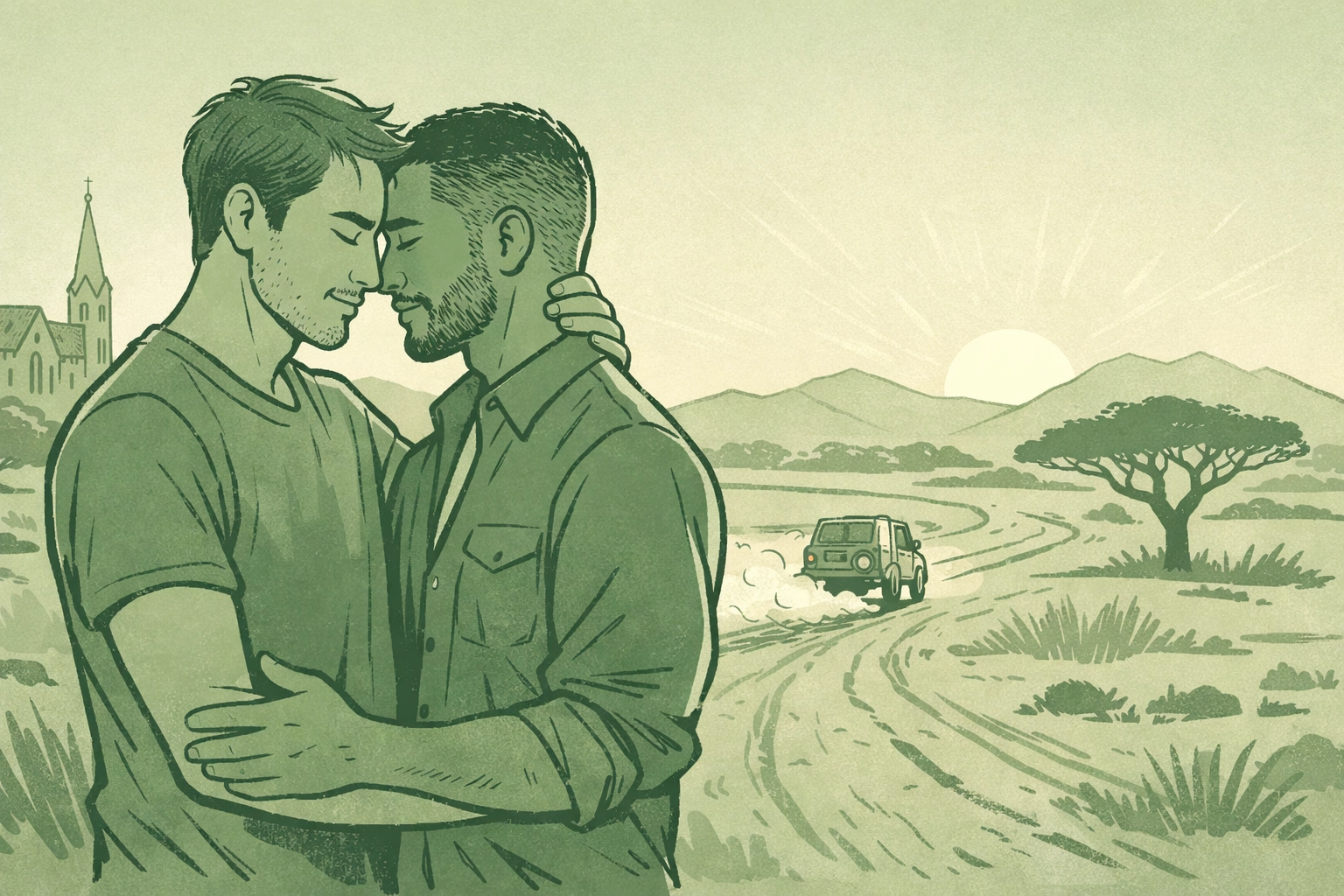
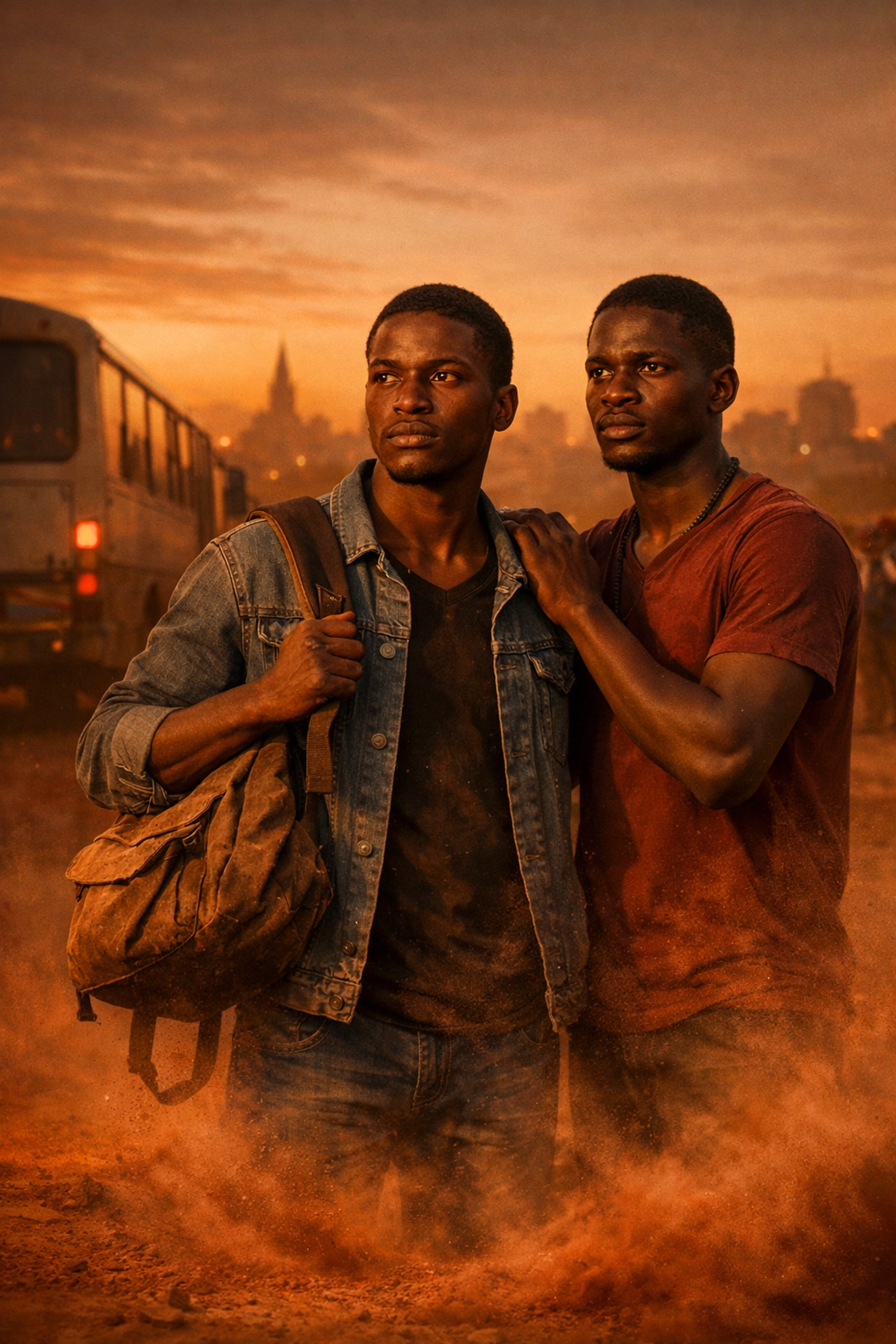
The red dust of Windhoek settles on everything. It clings to your shoes, your clothes, your skin: a constant reminder of where you are and what you're leaving behind. For Thomas, a 27-year-old teacher from Namibia's capital, that dust represented more than just the arid landscape of his homeland. It represented the weight of living in silence, of hiding who he loved, of existing in the shadows.
Namibia is one of over 60 countries worldwide where being LGBTQ+ isn't just stigmatized: it's criminalized. More than 71 million LGBTQ+ people globally live under laws that make their very identity illegal. In Namibia, colonial-era sodomy laws inherited from South Africa remain on the books, carrying potential prison sentences for same-sex intimacy between men.
The Reality of Criminalization
Thomas's story isn't unique. Across Southern Africa, despite the region's progressive leader in South Africa, many countries maintain punitive laws against LGBTQ+ individuals. While these laws may not always be actively enforced, their existence creates an atmosphere of fear, enables discrimination, and leaves LGBTQ+ people vulnerable to violence, blackmail, and persecution.
"You learn to read every room," Thomas explains. "You calculate every gesture, every word. You become an expert at invisibility."
The psychological toll of this constant vigilance is immense. Depression, anxiety, and isolation are common among LGBTQ+ individuals living in criminalizing countries. Many, like Thomas, eventually reach a breaking point where the only option is to leave.
The Decision to Flee
Making the decision to become a refugee isn't simple. It means leaving family, friends, career, and everything familiar. For Thomas, the catalyst came when a former student threatened to expose him to school administrators after seeing him at a known gay-friendly venue in Windhoek. The threat was clear: his life as he knew it was over.
"I had 48 hours to decide my entire future," he recalls. "Stay and face potential arrest, violence, or worse: or leave everything behind and start over."
Cape Town became his destination. Just 1,500 kilometers south, South Africa represents a beacon of hope in the region. Since 1996, South Africa's constitution has prohibited discrimination based on sexual orientation: the first in the world to do so. Same-sex marriage has been legal since 2006, and comprehensive anti-discrimination protections exist in law.
The Journey South
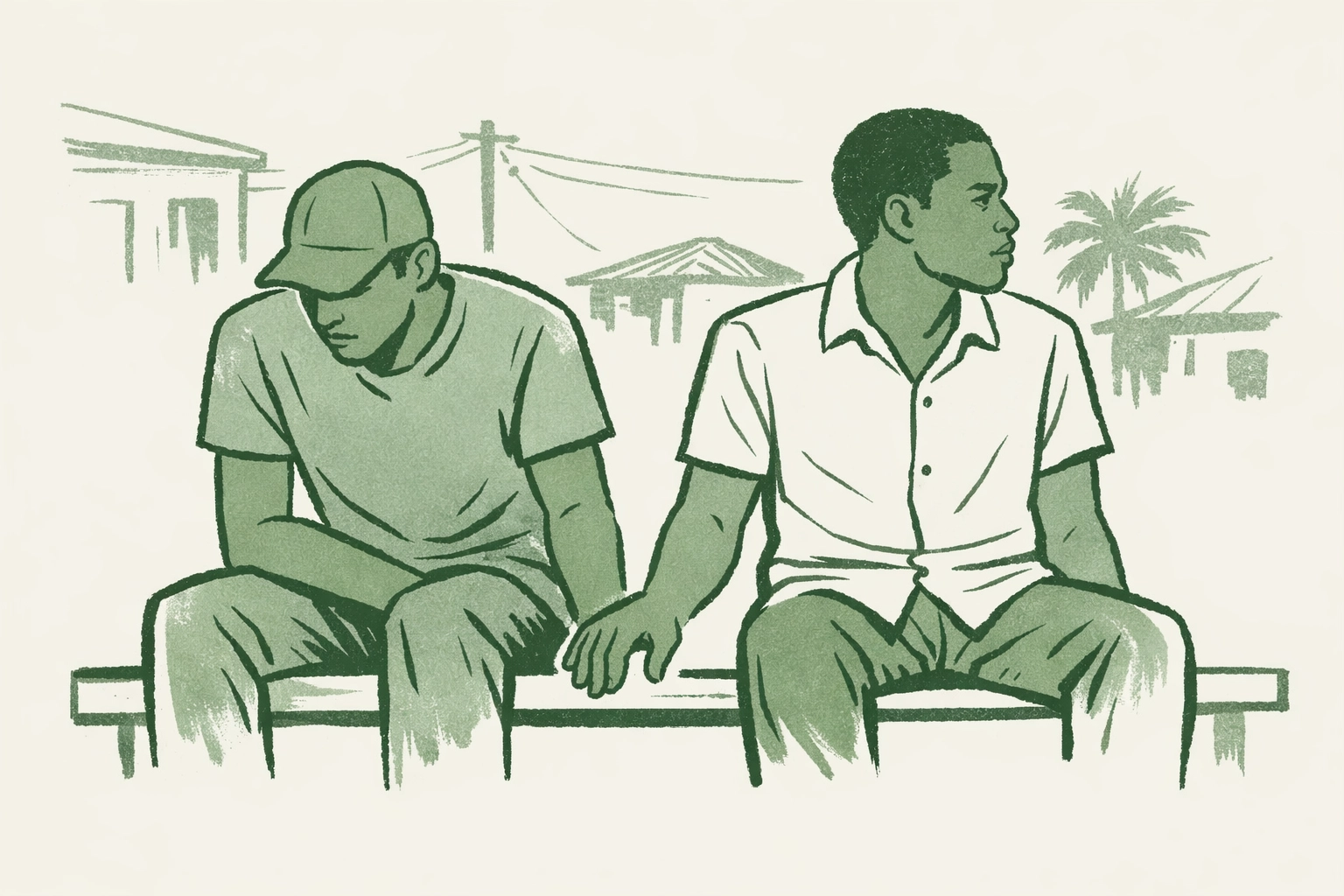
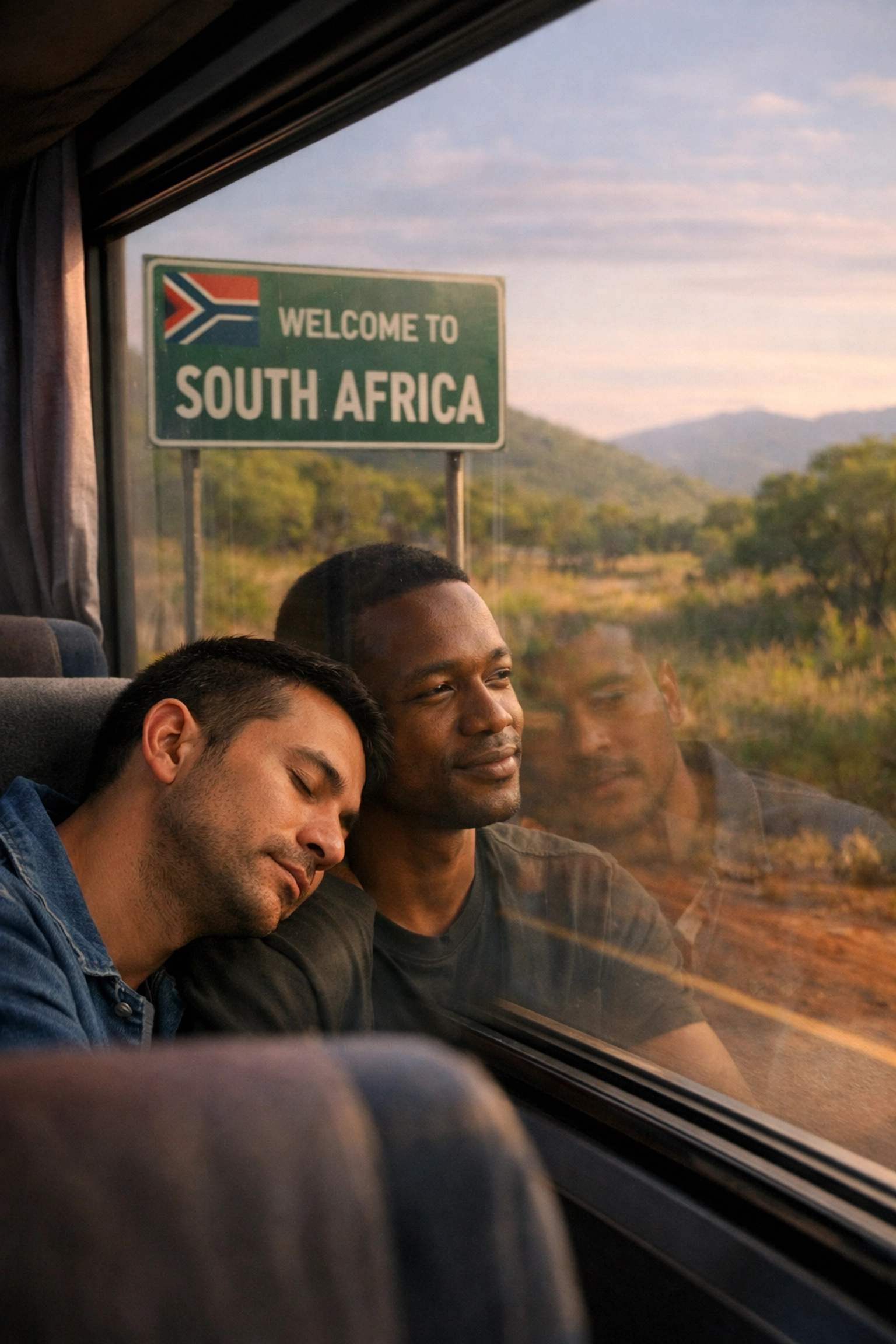
The route from Windhoek to Cape Town is long. Thomas traveled by bus, carrying a single backpack with his essential documents, some clothes, and a photograph of his grandmother: the only family member who knew his truth. The journey took three days, crossing the Orange River border into South Africa at Vioolsdrif.
"When we crossed that border, I felt something shift inside me," Thomas remembers. "It wasn't freedom yet: I still had nothing, no home, no job, no legal status. But it was the possibility of freedom."
Cape Town has become a refuge for LGBTQ+ people from across the African continent. The city's vibrant queer community, concentrated in neighborhoods like Green Point and De Waterkant, offers both visibility and support networks. Organizations like Triangle Project and OUT LGBT Well-being provide crucial services for LGBTQ+ refugees, including legal assistance, housing support, and mental health services.
Legal Victories and Continuing Struggles
South Africa's legal framework for LGBTQ+ rights is among the most progressive globally. The Constitutional Court's landmark decisions have established crucial precedents, and the Promotion of Equality and Prevention of Unfair Discrimination Act explicitly protects sexual orientation and gender identity.
However, legal protection on paper doesn't always translate to safety in practice. Homophobic violence remains a serious problem, particularly in townships and rural areas. Corrective rape, hate crimes, and discrimination still occur despite constitutional protections. For refugees like Thomas, accessing these legal protections can be complicated by immigration status and bureaucratic hurdles.
"South Africa gave me legal rights I never had in Namibia," Thomas explains. "But exercising those rights as a refugee, without documentation or resources, is another challenge entirely."
The Work Still to Be Done
While South Africa represents progress, significant work remains: both within the country and across the region. Advocacy organizations continue pushing for better implementation of existing protections, increased visibility for LGBTQ+ communities, and support for refugees fleeing persecution.
Regional efforts through the Southern African Development Community (SADC) aim to promote human rights, but progress is slow. Countries like Botswana have seen recent legal victories: the High Court decriminalized same-sex relations in 2019: demonstrating that change is possible.
For Namibia specifically, activists continue working toward law reform. The Pink List and other local organizations advocate for decriminalization and anti-discrimination protections, though they face significant social and political resistance.
Building a New Life
Two years after arriving in Cape Town, Thomas has built a new life. He works for an NGO supporting LGBTQ+ refugees, helping others navigate the journey he once made. He lives openly, has found community, and no longer calculates every gesture.
"I can hold my partner's hand walking down Long Street," he says. "That sounds simple, but it's everything. It's freedom."
Stories like Thomas's remind us why LGBTQ+ literature and representation matter. Books exploring these experiences: from historical gay romance to contemporary queer fiction: help readers understand these struggles and celebrate the resilience of LGBTQ+ communities worldwide.
At Read with Pride, we're committed to amplifying diverse LGBTQ+ voices and stories, including those of refugees and people living under persecution. Our collection includes MM romance, gay fiction, and queer literature that explores themes of identity, freedom, and love against adversity.
Taking Action
For readers moved by stories like Thomas's, there are concrete ways to help:
- Support organizations working with LGBTQ+ refugees, such as the UNHCR's work with persecuted sexual minorities
- Advocate for asylum protections for LGBTQ+ people in your country
- Amplify the voices of LGBTQ+ activists working in criminalizing countries
- Read and share LGBTQ+ stories that build understanding and empathy
The red dust of Windhoek may have settled on Thomas's shoes for the last time, but it remains a daily reality for millions of LGBTQ+ people worldwide who cannot yet leave. Until every country recognizes the basic human rights of LGBTQ+ individuals, the work continues.
Discover more powerful LGBTQ+ stories at dickfergusonwriter.com and readwithpride.com
Follow us on social media:
- Instagram: @dickfergusonwriter
- X/Twitter: @DickFergus94902
- Facebook: Dick Ferguson Writer
#ReadWithPride #LGBTQRefugees #MMRomance #GayFiction #QueerLiterature #LGBTQRights #AfricanLGBTQ #GayRomanceBooks #LGBTQBooks #MMNovels #GayLoveStories #ReadingWithPride #LGBTQAdvocacy #HumanRights #QueerStories #GayNovels #PrideReading #LGBTQFiction #GayBooks

Leave a Reply
You must be logged in to post a comment.