

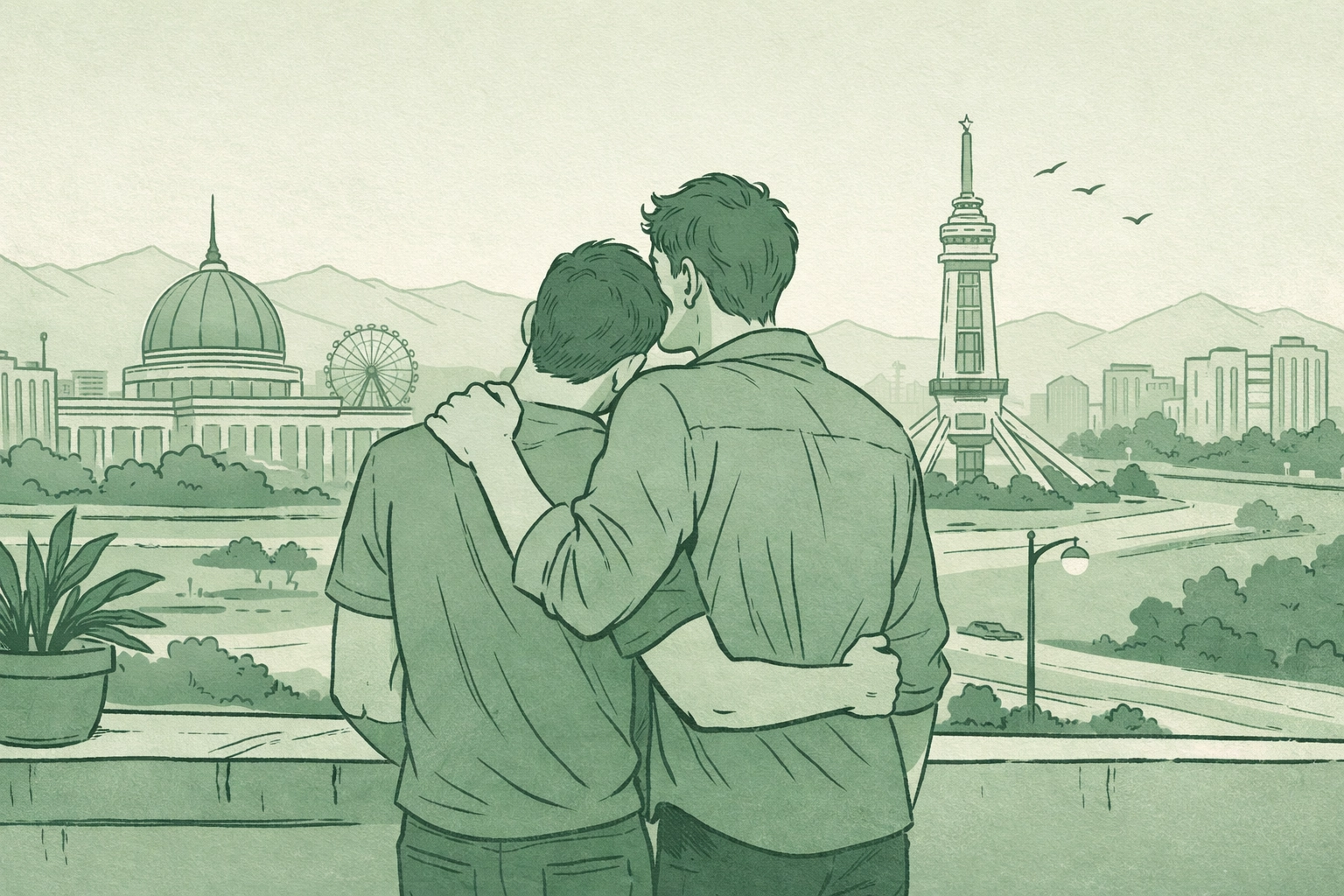
When Love Becomes a Crime: One Man's Journey from Turkmenistan to Freedom
In Turkmenistan, being gay isn't just frowned upon: it's illegal. Same-sex intimacy can land you in prison for up to two years. But the real danger doesn't come from the law alone. It comes from the silence.
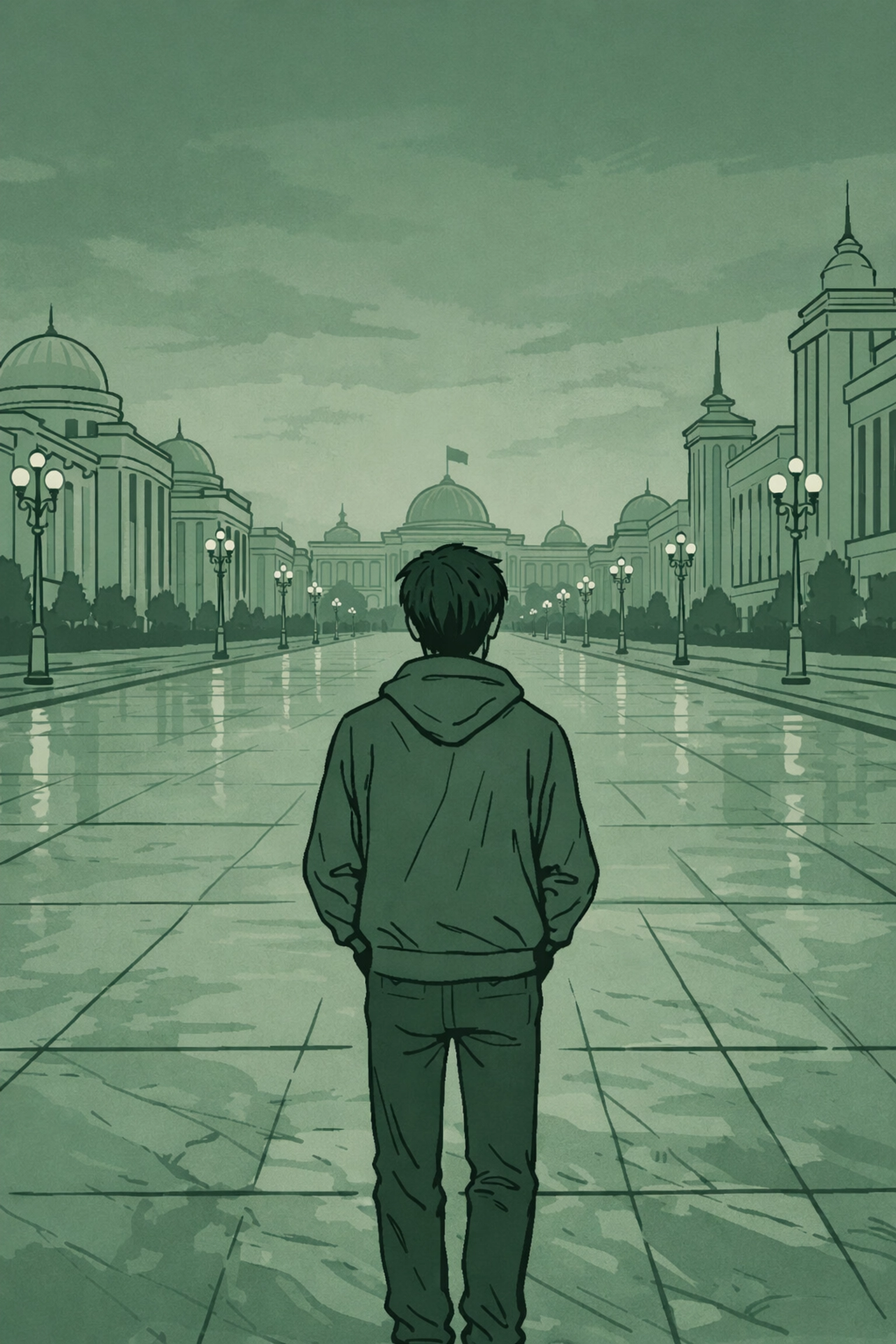
Ashgabat, the capital city, gleams with white marble buildings and wide, empty boulevards. It's been called both the "City of White Marble" and the "City of the Dead": a place where everything looks pristine on the surface, but underneath, there's an eerie emptiness. For LGBTQ+ people living there, that emptiness isn't just architectural. It's existential.
The Weight of Invisibility
Rashid (name changed for safety) grew up in Ashgabat knowing he was different. By the time he was sixteen, he understood he was gay. By seventeen, he understood he could never tell anyone.
"There were no clubs, no community, nothing," he recalls. "I didn't even know the words for what I was. The internet was heavily monitored. You couldn't search for information without risking everything."
Turkmenistan ranks among the most repressive countries in the world. With over 71 million LGBTQ+ people living in nations where their identity is criminalized, and more than 60 countries still outlawing same-sex relationships, Turkmenistan stands out for its particular brand of enforced invisibility. There are no LGBTQ+ organizations, no pride events, no safe spaces. Just silence.
For Rashid, the isolation was crushing. He watched friends get married to women they didn't love. He heard whispered rumors about men who'd disappeared after being seen with the "wrong" people. He learned to keep his head down, his desires buried, his authentic self locked away.
The Breaking Point
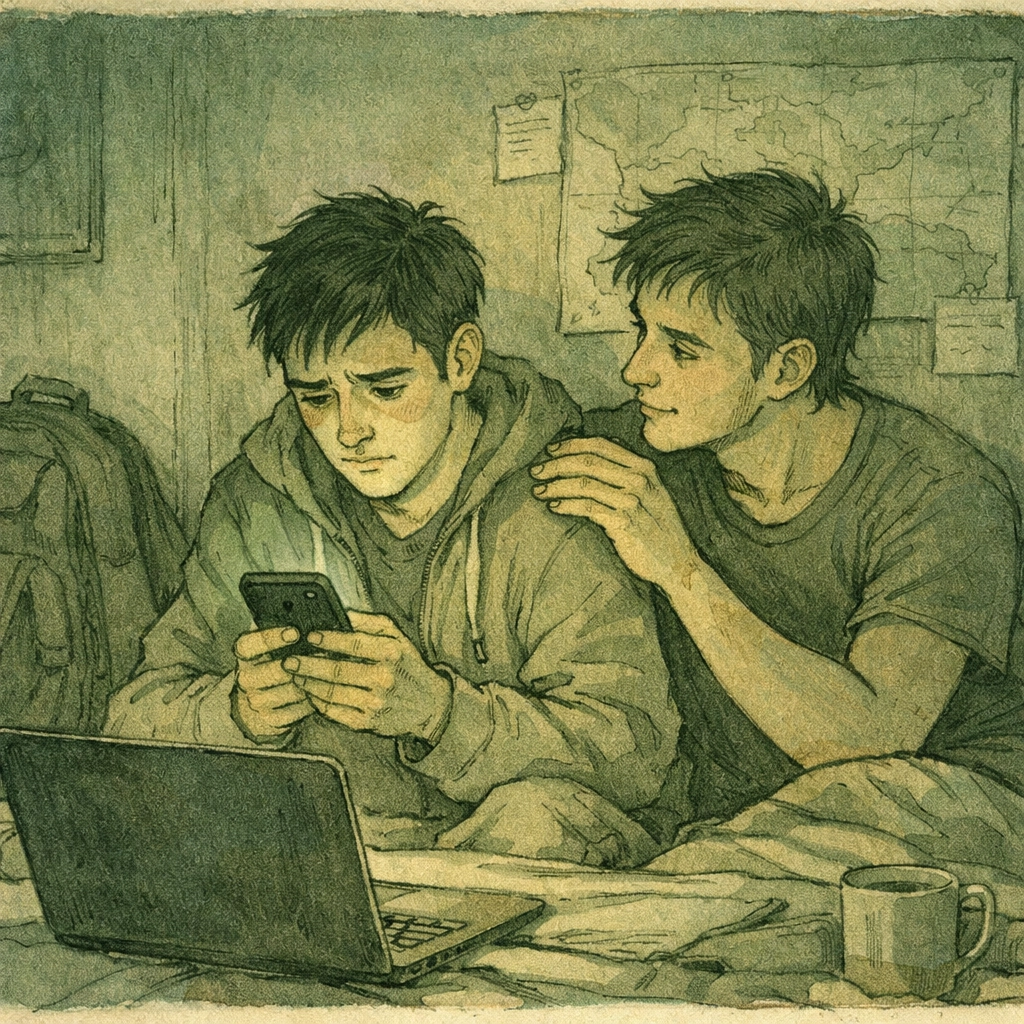
The decision to leave didn't come from a single moment. It built slowly, like water behind a dam.
"I was twenty-four and working at a government office," Rashid explains. "I met someone. We were careful, so careful. But someone saw us. A neighbor, maybe, or a colleague. The rumors started."
In countries where homosexuality is criminalized, persecution doesn't always come from the state. Often, it comes from family members, neighbors, and communities enforcing social codes through violence and ostracism. Rashid's parents confronted him, demanding he deny everything. When he couldn't, the threats began.
"My father said they would 'fix' me. I knew what that meant. Forced psychiatric treatment, maybe worse. I had three weeks, maybe a month, before they'd take action."
Those three weeks became a desperate race to escape. With the help of a cousin who understood, Rashid gathered what money he could, applied for a tourist visa to Turkey, and bought a one-way ticket out of his homeland.
The Journey to Sanctuary
Getting out of Turkmenistan was only the first step. Rashid spent six months in Istanbul, living in a cramped apartment with five other LGBTQ+ refugees, all waiting for asylum claims to be processed. The uncertainty was agonizing, but at least he could breathe.
"In Istanbul, I saw two men holding hands for the first time in my life," he says. "I just stood there on the street and cried."
His asylum application to Italy was eventually approved. In 2024, he arrived in Milan: a city that couldn't be more different from Ashgabat's marble silence.
Finding Home in Italy
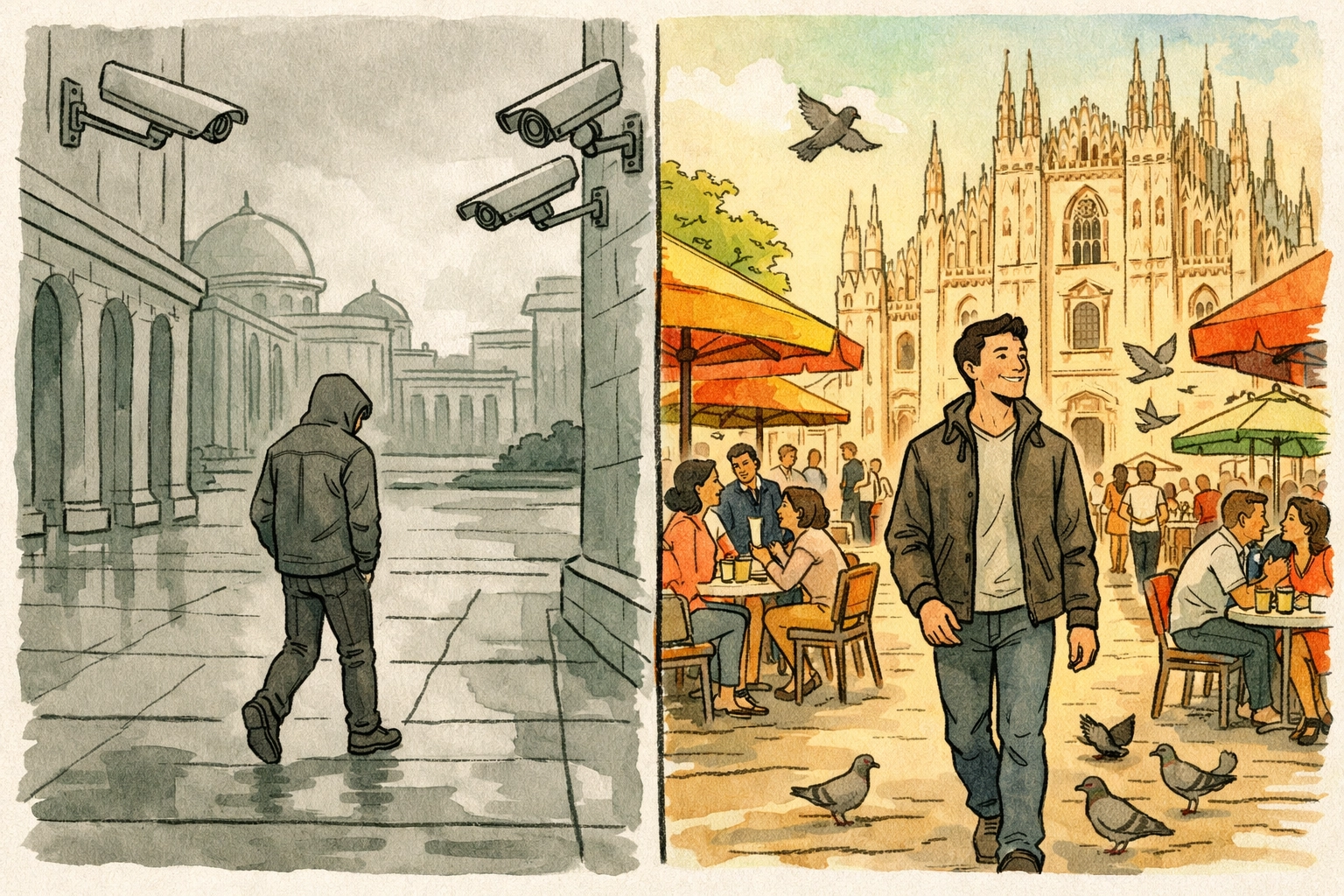
Milan welcomed Rashid with color, noise, and life. The contrast with Ashgabat was staggering. Where Turkmenistan enforced conformity through surveillance and fear, Italy: despite its own challenges: offered something revolutionary: the possibility of being himself.
"The first time I went to a gay bar, I was terrified," Rashid admits. "I kept looking over my shoulder, waiting for the police to raid it. When nothing happened, when I realized I was actually safe, it felt unreal."
Italy isn't perfect. Rashid still faces bureaucratic hurdles, occasional discrimination, and the painful reality of being cut off from his family. His parents haven't spoken to him since he left. But he's building a new life: one where he can exist openly.
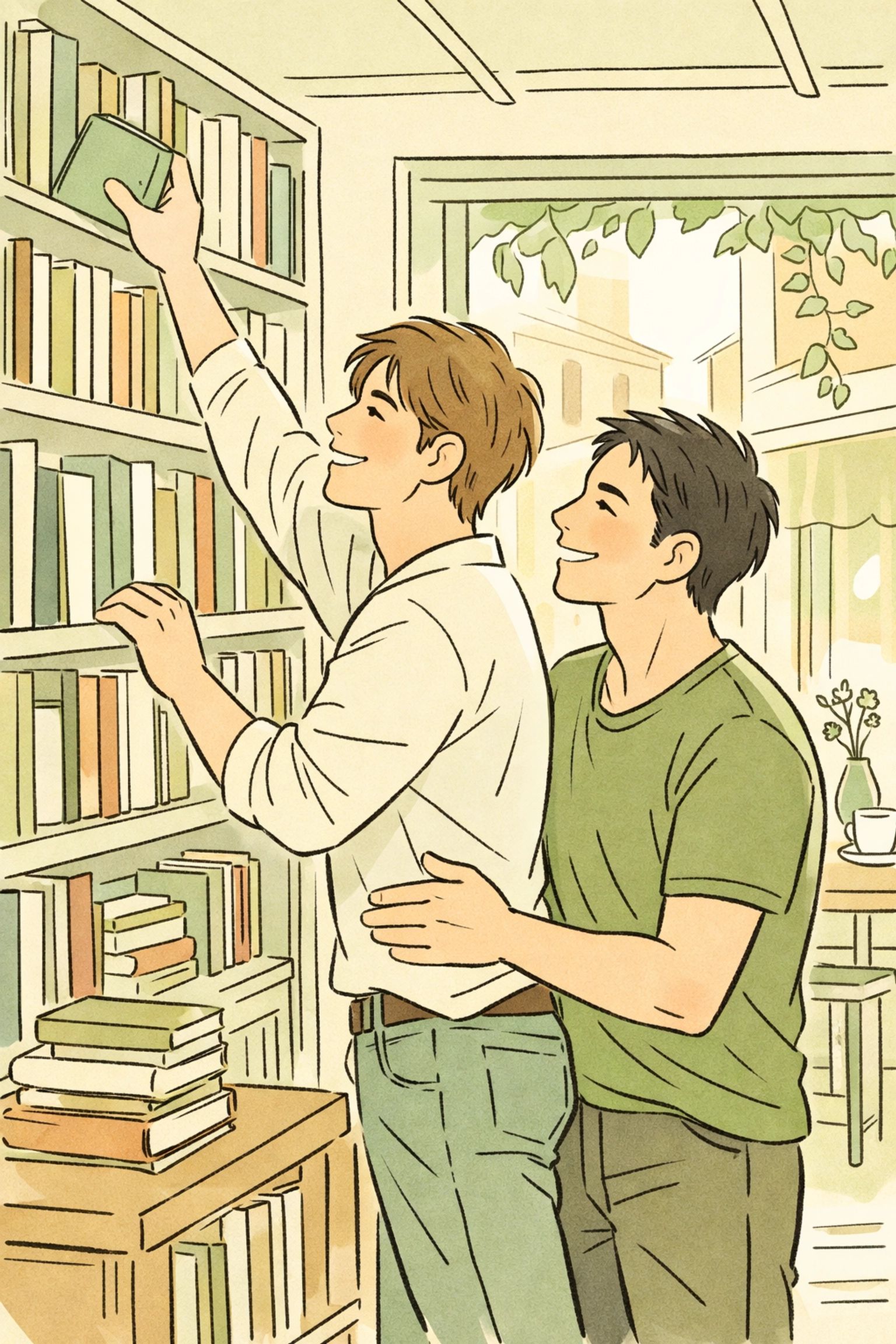
He works at a bookshop now, sharing an apartment with a partner he met at a community center. They cook dinner together. They hold hands walking to the metro. They plan a future.
"These small things: going to the grocery store together, introducing him as my partner, not hiding: they're everything," Rashid says. "People who grew up with these freedoms don't realize how miraculous they are."
The Global Crisis
Rashid's story isn't unique. Across the globe, LGBTQ+ people are making impossible choices between staying in their homeland and living authentically. In Turkmenistan, Iran, Saudi Arabia, Yemen, and other nations, being gay can carry the death penalty. In dozens more countries, it means imprisonment, torture, or state-sanctioned violence.
The journey to safety is dangerous. Many LGBTQ+ refugees face exploitation, assault, and re-traumatization during their escape. Even reaching a safe country doesn't guarantee protection: asylum processes are lengthy, uncertain, and often hostile.
Yet they keep coming. Because the alternative is unthinkable.
Stories That Need to Be Told
At Read with Pride, we believe in the power of LGBTQ+ stories to create understanding, build empathy, and celebrate the resilience of our community. From gay romance novels that imagine worlds where love is celebrated, to real stories of survival like Rashid's, representation matters.
Books like The Divided Sky: Secrets of a Secret Love explore what it means to love in places where that love is forbidden. They remind us that behind every statistic about criminalization and persecution, there are real people making heart-wrenching decisions.
What You Can Do
Supporting LGBTQ+ refugees isn't abstract. Organizations like Rainbow Railroad, ORAM, and local asylum support groups need funding, volunteers, and advocacy. Contacting your representatives about refugee protections makes a difference. So does reading, sharing, and amplifying LGBTQ+ voices: especially those from countries where speaking out remains dangerous.
Every book purchased, every story shared, every conversation started contributes to visibility. And visibility, ultimately, is the antidote to silence.
From Silence to Song
Rashid recently visited Venice for the first time. Standing in St. Mark's Square, surrounded by tourists and pigeons and the overwhelming beauty of a city that has welcomed queer people for centuries, he felt something shift.
"In Ashgabat, everything was so quiet. Not peaceful: just absent. Here, there's noise and mess and life. I'm part of that life now. I'm not hiding anymore."
He paused, watching gondolas glide through green water.
"I wish I could tell every LGBTQ+ person still trapped in those silent places: there's a world waiting for you. It's not perfect, but it's real. And you deserve to be part of it."
Explore more LGBTQ+ stories and voices at dickfergusonwriter.com and readwithpride.com.
Follow us on social media:
Instagram: @dickfergusonwriter
X/Twitter: @DickFergus94902
Facebook: Dick Ferguson Writer
#ReadWithPride #LGBTQRefugees #GayRights #LGBTQBooks #MMRomance #GayFiction #QueerStories #LGBTQAsylum #ReadingWithPride #GayLiterature #LGBTQFiction #MMBooks #QueerFiction #GayNovels #PrideReading #LGBTQRights #RefugeesWelcome

Leave a Reply
You must be logged in to post a comment.