

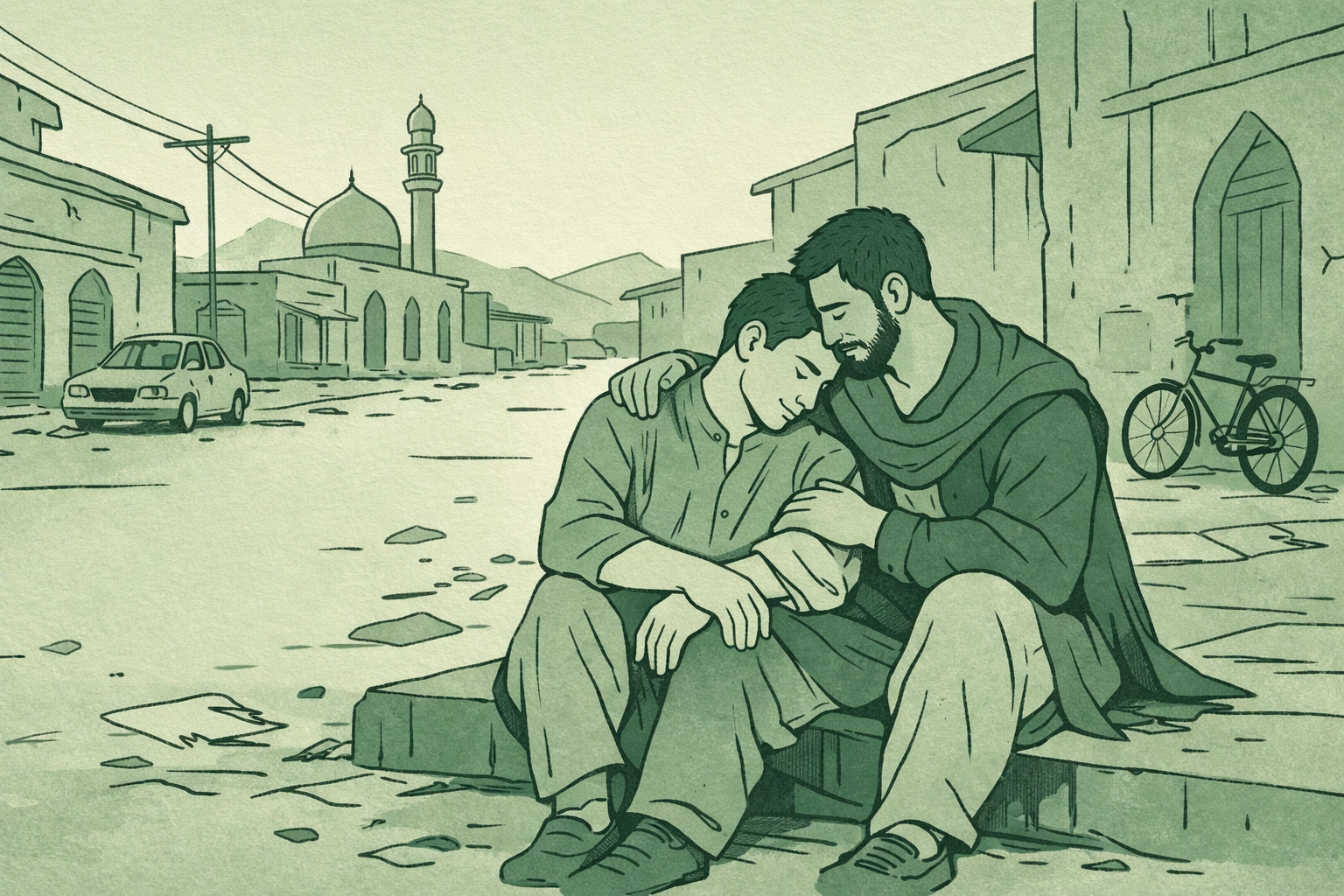
The streets of Kabul hold their breath. For Zara: not her real name: the silence became deafening after August 2021, when the Taliban returned to power. As a trans woman in Afghanistan, her very existence became a death sentence.
The Reality Under Taliban Rule
Over 71 million LGBTQ+ people live in nations where their identity is criminalized. Afghanistan represents one of the most dangerous places on earth for transgender individuals. Under Taliban interpretation of Sharia law, being trans isn't just illegal: it's considered worthy of execution.
Zara lived her truth quietly for years in Kabul, working as a hairdresser in a small salon frequented by women. She kept her head down, navigated the complexities of existing in a conservative society, and found small moments of authenticity among trusted friends. But when the Taliban seized control, everything changed overnight.
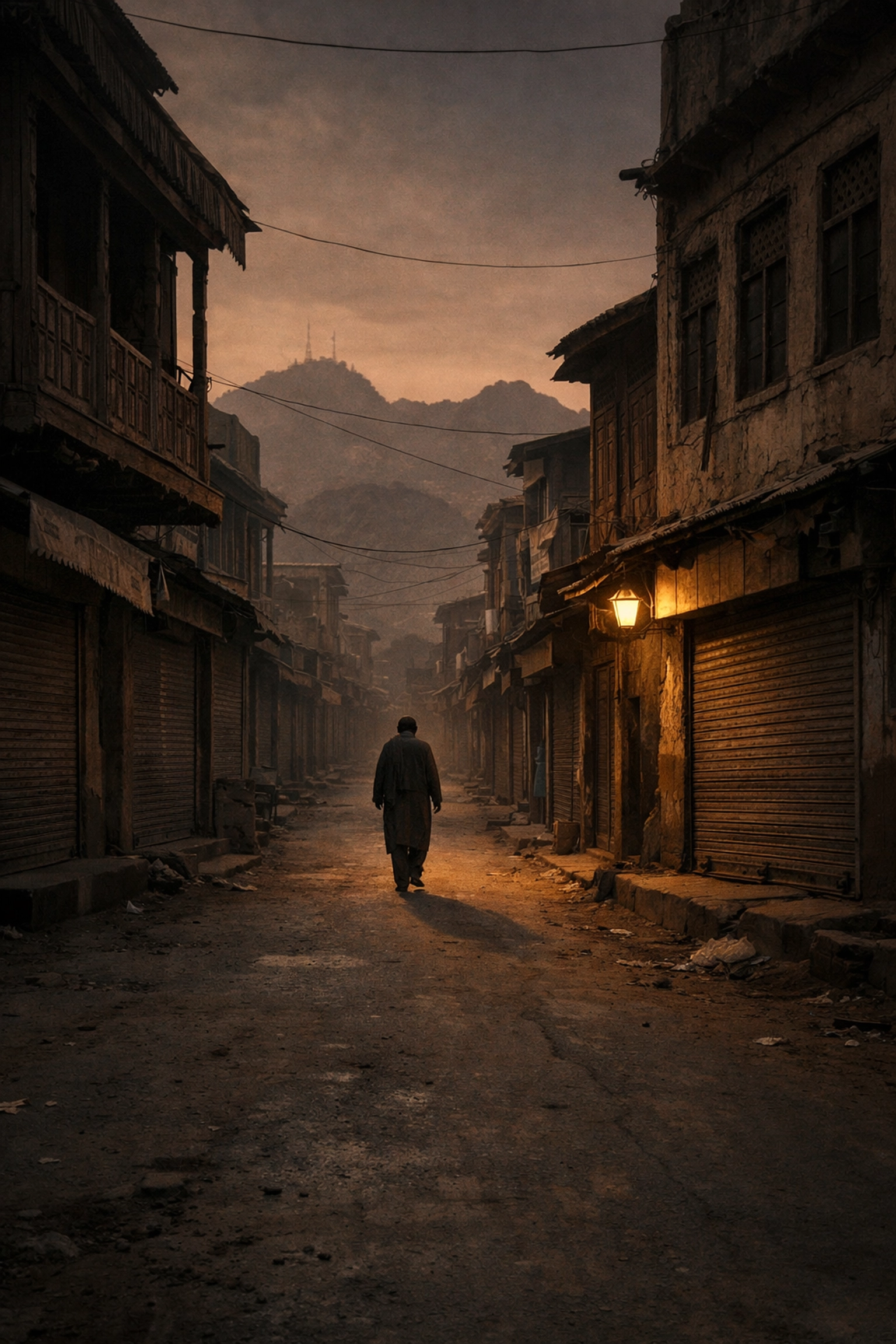
When Home Becomes a Hunting Ground
The Taliban's Ministry for the Propagation of Virtue and the Prevention of Vice began systematic crackdowns on anyone who didn't conform to their strict interpretation of gender and sexuality. Trans women faced particular brutality: viewed as both immoral and an affront to their version of masculinity.
Zara's neighbor reported her. The knock came at 3 AM, but she wasn't home: she'd been staying with a friend who'd heard rumors of Taliban units targeting LGBTQ+ individuals in their neighborhood. That night, her apartment was ransacked. The message left behind was clear: they knew who she was, and they were coming for her.
"I couldn't go back," Zara later told aid workers in Pakistan. "My own neighbors, people I'd lived beside for years, were ready to turn me in. The punishment for being trans is death. Not prison. Death."
Over 60 Countries Criminalize Same-Sex Intimacy
Afghanistan is far from alone in its persecution of LGBTQ+ people. More than 60 countries still criminalize same-sex intimacy, with penalties ranging from imprisonment to execution. For transgender individuals, the situation is often worse: they face violence not just from state authorities but from vigilante groups and even family members seeking to "restore honor."
The countries where being LGBTQ+ can result in the death penalty include: Iran, Saudi Arabia, Yemen, Nigeria (in northern states), Somalia, Mauritania, and, effectively, Afghanistan under Taliban rule. In these nations, LGBTQ+ individuals live in constant fear, unable to express their identity, form relationships, or simply exist without risking their lives.
The Dangerous Journey to Safety
Zara's escape from Afghanistan took eighteen months and nearly killed her three times.
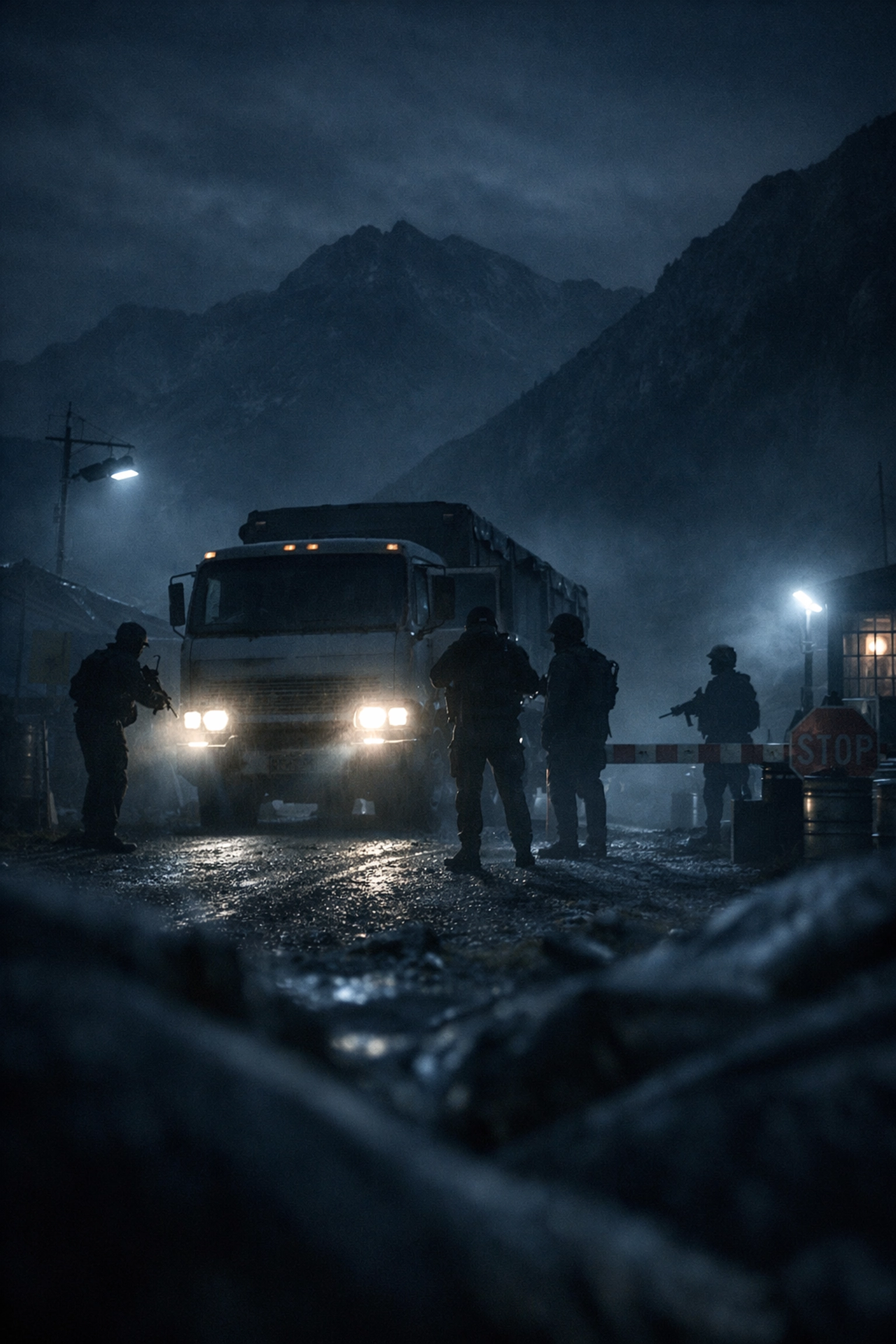
First, she had to reach Pakistan, crossing through Taliban checkpoints where discovery would mean immediate execution. She traveled hidden in the back of a truck carrying grain, barely breathing, praying the soldiers wouldn't search thoroughly. The journey that should have taken six hours stretched to fourteen as the truck was stopped and questioned repeatedly.
In Pakistan, she lived in limbo for eight months, hiding in a safe house run by an underground network that helps LGBTQ+ refugees. Pakistan doesn't recognize refugee status for Afghans, and being trans meant she couldn't risk seeking official help. She was trapped: unable to stay in Afghanistan, unable to move forward, unable to even leave the house without risking assault or arrest.
"Every day felt like a year," she recalls. "I watched other people get resettlement offers to Canada, to Germany. But for trans women, the process is longer. We're considered 'high risk,' which means more vetting, more waiting, more time in danger."
Norway: A Lifeline for LGBTQ+ Refugees
Norway has emerged as one of the more welcoming destinations for LGBTQ+ refugees, particularly those from countries where persecution is severe. The Norwegian Directorate of Immigration (UDI) recognizes persecution based on sexual orientation and gender identity as valid grounds for asylum.
Zara's application took ten months. During that time, she lived in constant fear that Pakistani authorities would discover her, that the Taliban would track her down, or that her application would be denied and she'd be sent back to certain death.
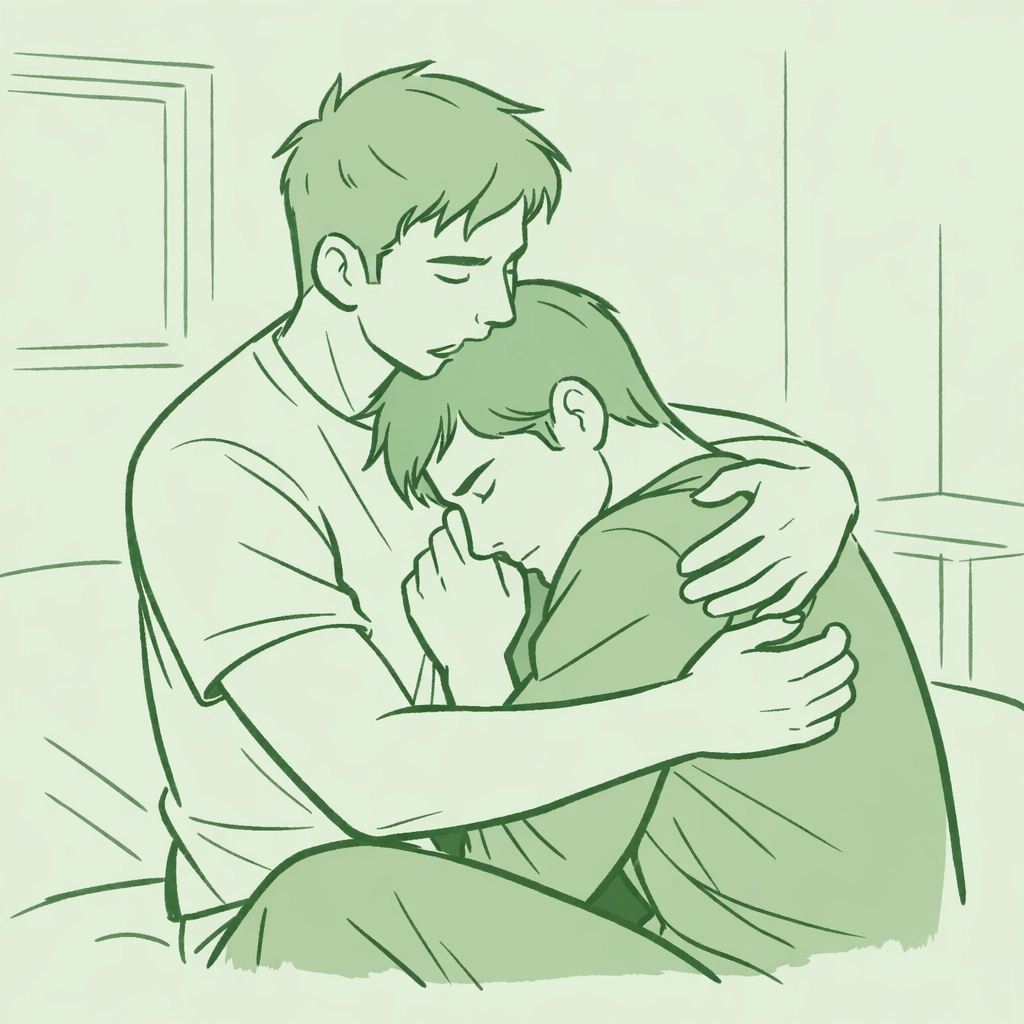
When the approval finally came, she wept for three days straight.
"I couldn't believe it was real," she says. "I kept thinking they'd made a mistake, that they'd take it back. I'd spent so long just trying to survive each day that the idea of actually having a future felt impossible."
Starting Over in Oslo
Arriving in Norway in winter 2025, Zara faced a new kind of challenge: building a life from nothing, in a country where she didn't speak the language, understand the culture, or have any support network.
The Norwegian government provides integration programs for refugees, including language classes, housing assistance, and job training. But for LGBTQ+ refugees, especially those who've experienced severe trauma, the psychological scars run deep.
"The hardest part wasn't learning Norwegian or finding work," Zara explains. "It was learning how to not be afraid anymore. For years, every knock on the door could mean death. Every stranger on the street could be a threat. That fear doesn't just disappear because you're somewhere safe now."
Stories That Need to Be Told
At Read with Pride, we believe in amplifying LGBTQ+ voices and stories that often go unheard. Zara's experience represents just one of millions: stories of courage, survival, and the fundamental human need for safety and acceptance.
Our collection includes narratives that explore the realities of LGBTQ+ life across different cultures and contexts. The Divided Sky examines forbidden love in Cold War Berlin, while The Private Self offers guidance for those navigating their identity in challenging circumstances.
For stories celebrating LGBTQ+ resilience and community, explore our full collection.
What You Can Do
The persecution of LGBTQ+ individuals isn't a distant problem: it's happening right now, in over 60 countries, to over 71 million people. Organizations like Rainbow Railroad, the International Refugee Assistance Project (IRAP), and UNHCR work tirelessly to help LGBTQ+ refugees reach safety.
Supporting LGBTQ+ literature, particularly stories from refugee and immigrant experiences, helps amplify voices that mainstream narratives often silence. Every story shared, every book read, every conversation started contributes to greater understanding and change.
A New Chapter
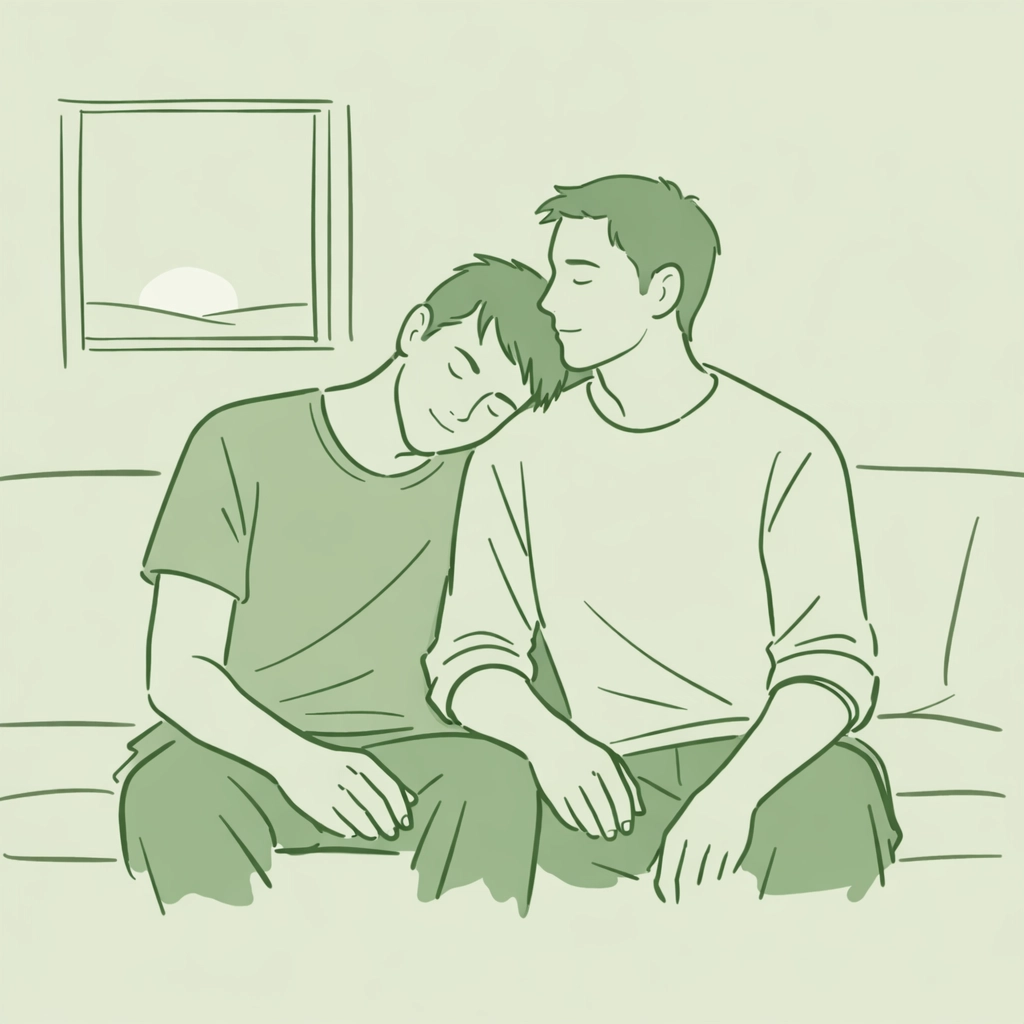
Today, Zara works in an Oslo salon, speaks conversational Norwegian, and lives in a small apartment she can call her own. She's begun tentative steps toward medical transition, something that would have been unthinkable: and deadly: in Afghanistan.
"I still have nightmares," she admits. "But I also have mornings where I wake up and remember I'm safe. That I can leave my apartment, walk down the street, and just exist. That's not something I ever had in Kabul."
Her story is one of survival, but it shouldn't have to be. No one should have to flee their home country simply for being who they are. No one should have to choose between their identity and their life.
The silence of Kabul's streets isn't peace: it's fear. And until LGBTQ+ people can live openly and safely in every country, our work isn't finished.
Explore more LGBTQ+ stories and support queer voices at Read with Pride and Dick Ferguson Writer.
Follow us on social media:
- Instagram: @dickfergusonwriter
- X/Twitter: @DickFergus94902
- Facebook: Dick Ferguson Writer
- Visit: www.readwithpride.com
#ReadWithPride #LGBTQRefugees #TransRights #AfghanistanCrisis #LGBTQBooks #QueerFiction #GayLiterature #MMRomance #LGBTQFiction #TransStories #RefugeeStories #HumanRights #LGBTQPersecution #ReadingWithPride #QueerAuthors #LGBTQEbooks #GayBooks #TransVisibility #LGBTQAdvocacy #PrideInReading

Leave a Reply
You must be logged in to post a comment.