

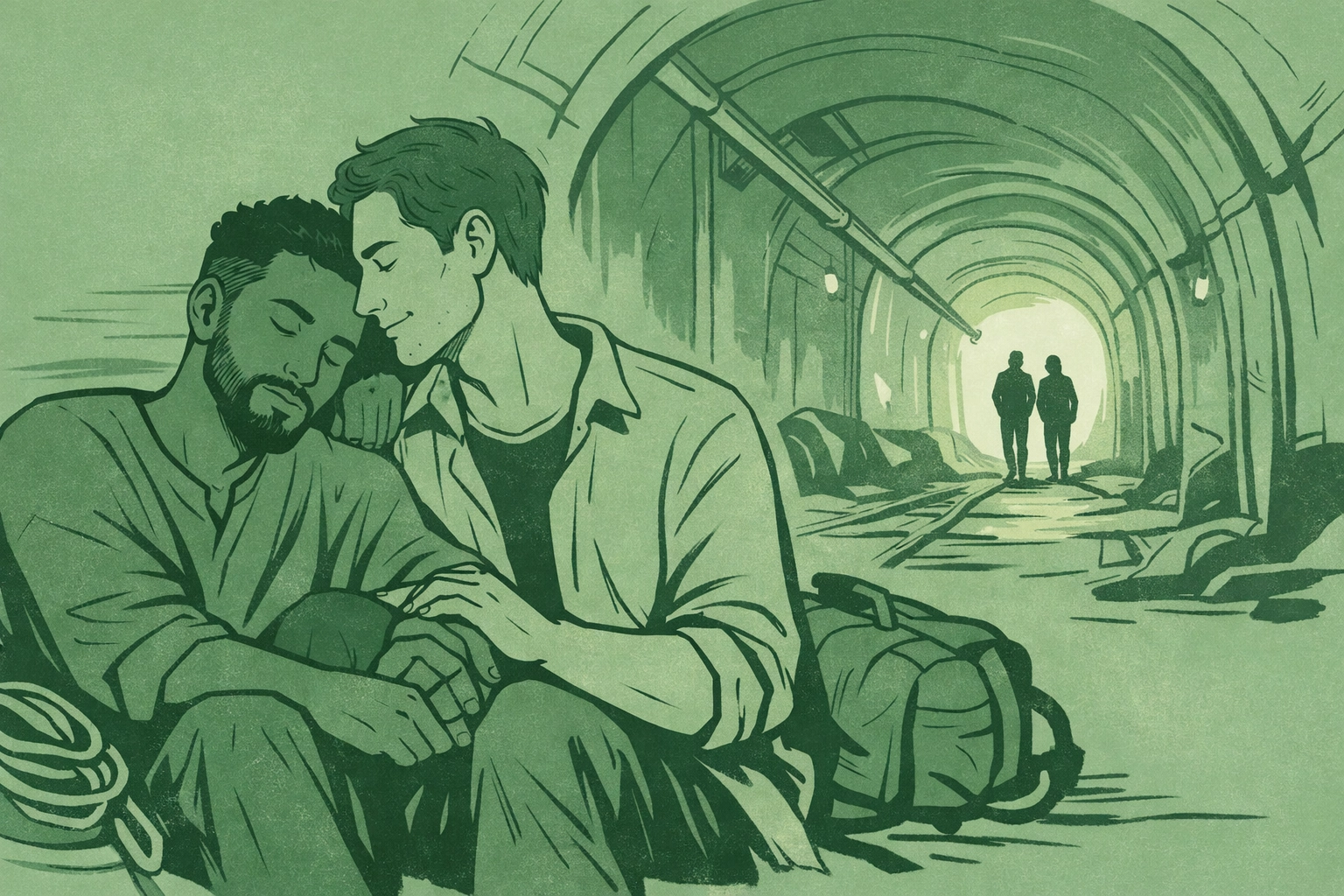
When Survival Means Leaving Everything Behind
In Sudan, being LGBTQ+ isn't just illegal: it's punishable by death. Article 148 of Sudan's Criminal Code prescribes flogging, imprisonment, or execution for same-sex intimacy. For Ahmed, a 28-year-old activist whose real name we've changed for safety, this wasn't abstract legal theory. It was a death sentence with his name on it.
The knock on the door came at 3 AM on a Tuesday in January 2024. Ahmed had exactly seven minutes to decide between certain death and uncertain exile. He chose to run.
The Price of Visibility
Ahmed had been careful: or so he thought. His LGBTQ+ advocacy work operated through encrypted channels, using VPNs and anonymous profiles. He organized safe spaces for queer Sudanese youth, distributed harm reduction information, and connected people with mental health resources. In a country where simply existing as LGBTQ+ makes you a criminal, his work was essential. It was also deadly.
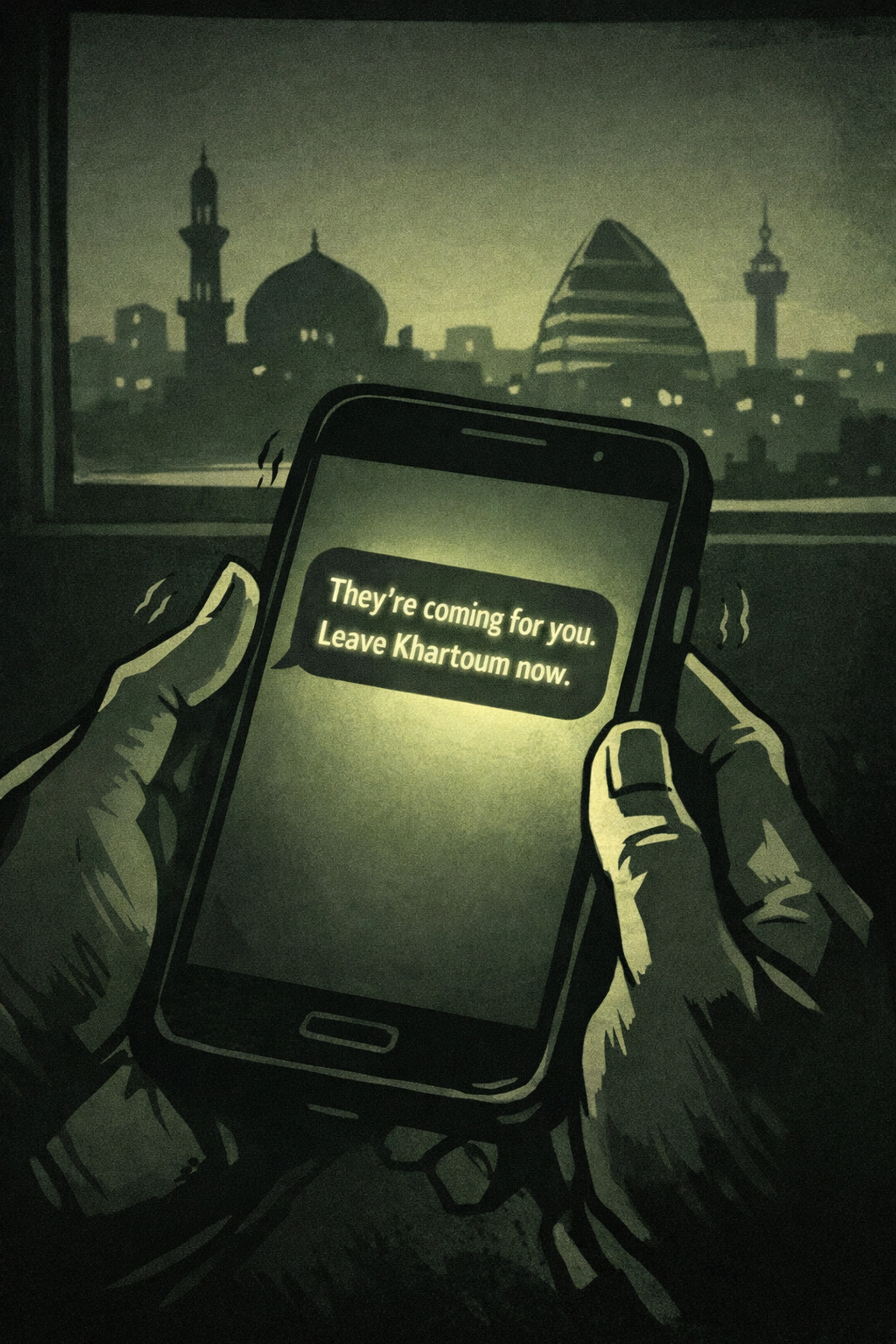
Someone had infiltrated their network. Within 48 hours, three members of their group had been arrested. Ahmed received a single text message from a trusted contact: "They have your address. Leave now."
The reality of persecution in countries like Sudan isn't just about laws on paper: it's about midnight raids, torture in detention centers, and families who turn their backs to save themselves from guilt by association. Over 71 million LGBTQ+ people worldwide live in nations where their identity is criminalized. Ahmed was now fighting to not be another statistic.
The Ancient Routes of Escape
Khartoum to the Eritrean border: 700 kilometers. Under normal circumstances, a straightforward journey. For someone fleeing state persecution, every checkpoint becomes a potential execution site.
Ahmed had to abandon the main roads entirely. Through his activist network, he connected with smugglers who knew the old caravan routes: ancient paths that merchants had used for centuries, now repurposed for those running from violence. These weren't underground tunnels as you might imagine from spy novels, but hidden overland routes through the desert, navigating by night, avoiding military positions and checkpoints.
What should have been a 12-hour drive became an 18-day nightmare. Ahmed traveled in the backs of trucks, hidden among cargo. He walked for hours through desert terrain when vehicles couldn't pass. He shared cramped safe houses with other refugees: some LGBTQ+, others fleeing the ongoing civil conflict, all united by desperation.
The Weight of Those Left Behind
The hardest part wasn't the physical danger or the grueling journey. It was the text message Ahmed had to send to his younger brother: "I can't explain. Don't try to find me. I love you."
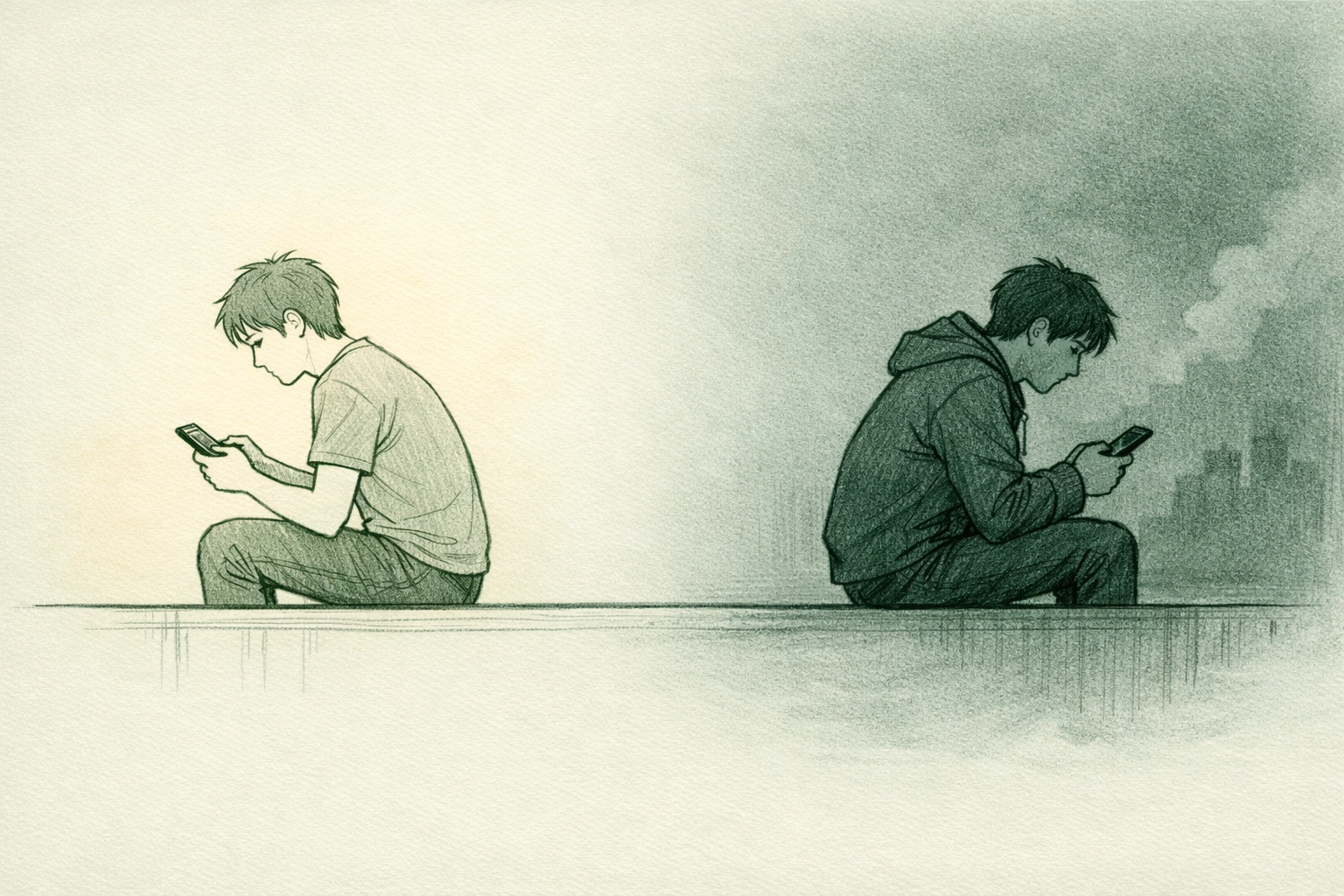
His brother was 19, just beginning to question his own sexuality. They'd had careful conversations: coded language, knowing glances, the unspoken understanding between queer family members in hostile territories. Ahmed had been planning to help him, to eventually get him to safety too.
Now, every kilometer away from Khartoum felt like betrayal.
This is the psychological toll that statistics don't capture. Over 60 countries criminalize same-sex intimacy, but the real number is the millions of individual relationships severed, the siblings left behind, the communities that lose their advocates, the lovers separated by borders and laws and violence.
Ahmed thinks about them constantly: the 17-year-old who had just come out to their group three weeks before he fled. The woman who'd found courage to leave her forced marriage. The teacher who was creating subtle LGBTQ+ inclusive curriculum. They're all still there, still navigating the danger he escaped.
Arrival Isn't Safety
Ahmed made it to a country that doesn't criminalize homosexuality. That's not the same as being safe.
The refugee application process can take years. His status is temporary, always temporary. He can't work legally. He lives in limbo, dependent on aid organizations and the generosity of strangers. He's learned that escaping persecution doesn't end trauma: it just transforms it into new shapes.
The stories we publish at Read with Pride matter because they give voice to experiences like Ahmed's. Our collection of LGBTQ+ fiction, MM romance, and queer literature creates space for narratives that are criminalized in most of the world. Every gay love story, every MM novel, every piece of queer fiction is an act of resistance against the laws that forced Ahmed to flee.
What Happens to the Movement
When activists like Ahmed are forced to flee, entire networks collapse. The safe spaces close. The support systems fragment. The next generation of queer youth in Khartoum has one fewer person to turn to.
This is how persecution works: it doesn't just punish individuals, it systematically destroys community infrastructure. Every LGBTQ+ person who escapes is both a success story and a loss. The movement needs its activists, but the activists need to survive.
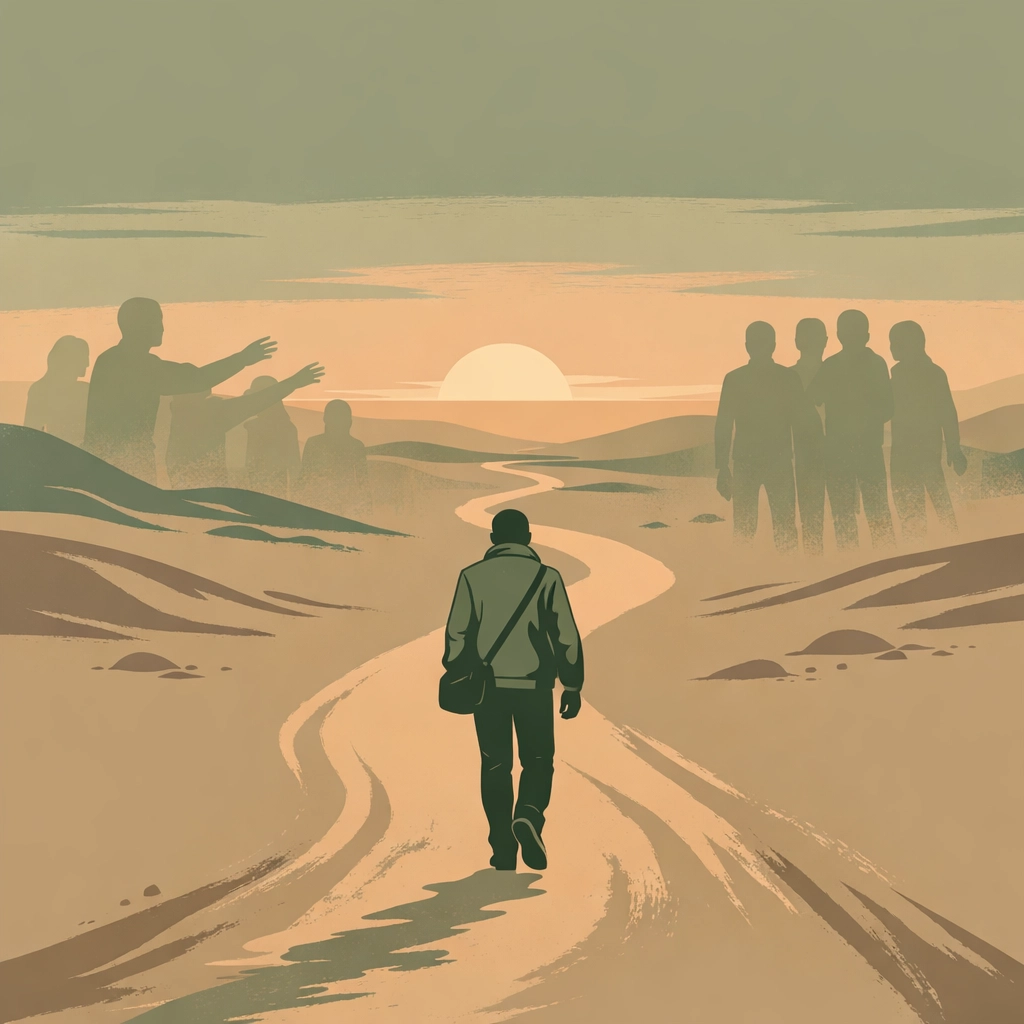
Ahmed now works remotely, when he can, trying to maintain connections with those still in Sudan. But encrypted messages are poor substitutes for the community spaces they'd built. And every day, he wonders if someone else in their network will need to make the same impossible choice he did.
The Global Context of Criminalization
Sudan is far from alone. Across the Middle East, Africa, and parts of Asia, LGBTQ+ people face state-sanctioned violence:
- Death penalty for homosexuality: Iran, Saudi Arabia, Yemen, Nigeria (northern states), Somalia, Mauritania
- Life imprisonment: Uganda, Tanzania, Sierra Leone
- Lengthy prison sentences: Over 40 additional nations
These aren't just laws rarely enforced: they're active tools of oppression. They justify police raids on private homes, torture in detention, and vigilante violence with state backing.
The books in our gay romance collection and MM fiction catalog at eBooks by Dick Ferguson represent freedoms that 71 million people don't have. The ability to read a gay love story without fear. To imagine happy endings. To see yourself reflected in literature without risking imprisonment.
Supporting Those Who Escape
Organizations working on LGBTQ+ refugee resettlement face overwhelming demand. The Rainbow Railroad, the #OkongoProject, ORAM (Organization for Refuge, Asylum & Migration), and many others work tirelessly to create paths to safety for people like Ahmed.
But individual action matters too. Reading queer fiction and LGBTQ+ books from diverse publishers supports an industry that amplifies marginalized voices. Sharing these stories normalizes LGBTQ+ existence in countries where visibility can create change. Every purchase, every review, every social media share contributes to building a culture where escape shouldn't be necessary.
Explore our 2026 gay books and new gay releases at Read with Pride: stories of resilience, survival, and love that persist despite persecution.
Ahmed's Message
Before ending our conversation, Ahmed wanted to share a message for anyone reading this who might be in a similar situation:
"Document everything safely. Build multiple networks. Trust carefully but trust someone. And know that survival is not selfish. The movement needs living activists more than it needs martyrs."
He paused, then added: "And to those in safe countries: use your freedom. Tell our stories. Don't let the world forget we exist."
At Read with Pride, we're committed to amplifying LGBTQ+ voices and supporting queer literature. Browse our collection of MM romance books, gay fiction, and LGBTQ+ ebooks at dickfergusonwriter.com.
Follow us on social media:
- Instagram: @dickfergusonwriter
- X/Twitter: @DickFergus94902
- Facebook: Dick Ferguson Writer
Support LGBTQ+ refugees and read with pride. Every story matters.
#ReadWithPride #LGBTQRefugees #MMRomance #GayBooks #QueerFiction #LGBTQRights #GayRomanceBooks #MMNovels #LGBTQEbooks #ReadingWithPride #GayLiterature #QueerStories #LGBTQSupport #RefugeeStories #GayActivism #2026GayBooks #LGBTQFiction #GayNovels

Leave a Reply
You must be logged in to post a comment.