

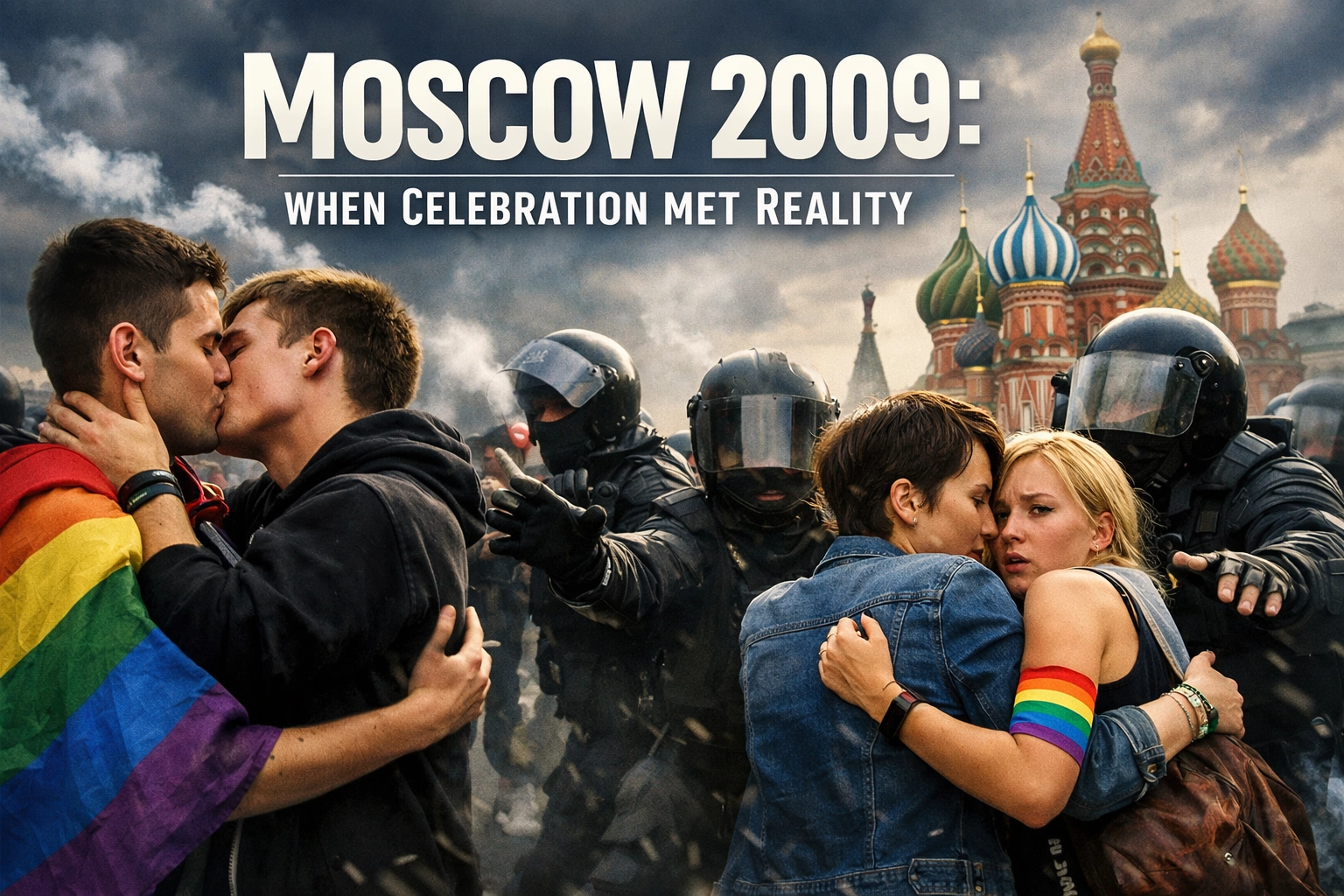
Eurovision has always been more than just a song contest. It's a celebration of diversity, a glittering spectacle where sequins meet solidarity, and where the LGBTQ+ community has long found a home. But what happens when this beacon of acceptance lands in a place where being queer isn't celebrated, it's condemned?
That's exactly what happened in May 2009, when Moscow hosted the Eurovision Song Contest.
The Glitter Meets the Grey
The 54th Eurovision Song Contest rolled into Moscow with all the fanfare you'd expect. Norway's Alexander Rybak won with "Fairytale," charming Europe with his violin and boyish smile. The stage was spectacular, the performances dazzling, and for one week, Moscow sparkled under international spotlights.
But behind the sequined curtain, a darker reality played out.
For many queer fiction lovers and LGBTQ+ fans traveling to Moscow for the contest, the excitement was tinged with genuine fear. Russia's track record on LGBTQ+ rights was, and remains, abysmal. Moscow's mayor at the time had banned Pride events for 100 years (yes, you read that right). Same-sex relationships weren't illegal, but they weren't exactly welcomed either, and visibility came with real risks.
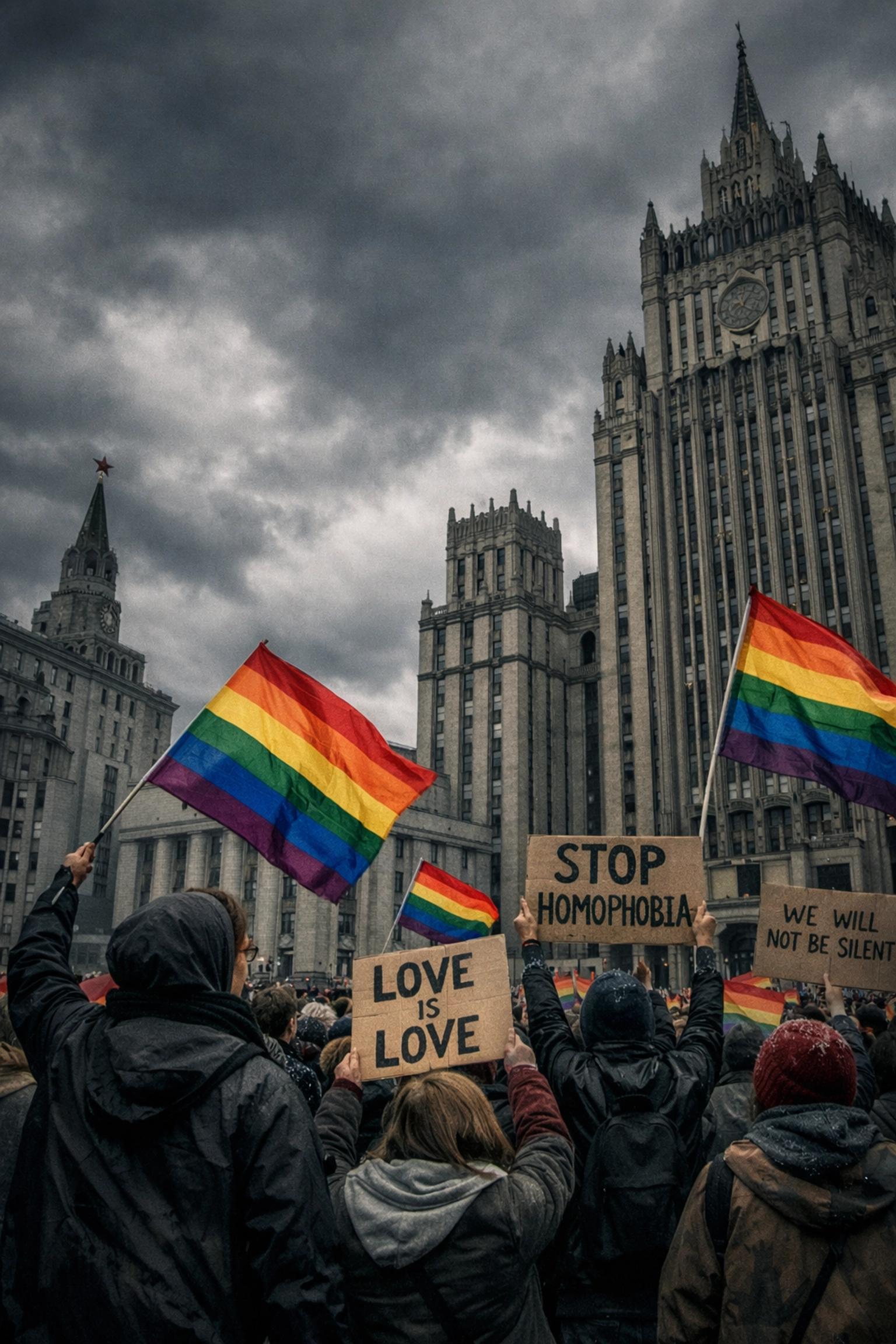
The irony was impossible to ignore: Eurovision, arguably the world's gayest event, was being hosted in a city where being openly gay could get you attacked, arrested, or worse.
When Fans Became Activists
Despite: or perhaps because of: the hostile environment, many LGBTQ+ activists and Eurovision fans refused to stay silent. In the days leading up to the contest, human rights groups organized protests and visibility actions, trying to shine a light on Russia's treatment of its queer citizens.
On May 16, 2009, the day of the final, around 40 activists attempted to hold a peaceful protest near Red Square. They carried signs supporting LGBTQ+ rights and tried to draw attention to the disconnect between Eurovision's inclusive values and Russia's discriminatory policies.
The response was swift and brutal. Police arrested protesters within minutes. Some were roughed up. Others faced harassment from counter-protesters who showed up specifically to intimidate them. The whole thing lasted barely ten minutes before authorities shut it down completely.
Meanwhile, inside the Olympic Stadium, the show went on. Drag queens dazzled. Camp performances delighted millions of TV viewers. The Eurovision bubble floated blissfully above the reality outside its walls.
The Uncomfortable Questions
The 2009 Moscow Eurovision forced uncomfortable questions that still resonate today. Should major international events like Eurovision be held in countries with poor human rights records? Does hosting bring positive change through visibility, or does it simply provide a veneer of respectability to oppressive regimes?
There's no easy answer. Some argued that bringing Eurovision to Moscow could open minds and hearts, showing Russians that LGBTQ+ people exist and deserve celebration. Others pointed out that the contest provided Putin's government with exactly what it wanted: international legitimacy and tourist dollars, without requiring any actual progress on human rights.
For the gay romance and MM romance community at Read with Pride, these tensions feel painfully familiar. We know that representation matters: that's why we champion LGBTQ+ fiction and gay novels that tell authentic queer stories. But we also know that visibility without safety is a hollow victory.
The Artists Who Spoke Up
To their credit, several Eurovision participants refused to ignore the elephant: or rainbow flag: in the room.
French singer Patricia Kaas dedicated her performance to "tolerance and against homophobia." Several delegations wore subtle rainbow pins or made statements supporting LGBTQ+ rights. These weren't grand gestures, but in the context of Moscow 2009, even small acts of solidarity carried weight.
The Ukrainian entry, "Be My Valentine! (Anti-Crisis Girl)" by Svetlana Loboda, included an androgynous dancer in the performance: a subtle but deliberate choice that felt quietly radical given the location.
These moments mattered because they refused to let the celebration exist in a vacuum. They insisted that Eurovision's values couldn't be checked at the border.
What Moscow 2009 Taught Us
More than fifteen years later, the lessons from Moscow 2009 remain painfully relevant. Russia's treatment of LGBTQ+ people has only worsened since then, with the introduction of the infamous "gay propaganda" law in 2013 and escalating violence against queer communities.
Eurovision eventually did respond. When Russia invaded Ukraine in 2022, the European Broadcasting Union expelled Russia from the contest: a decision that was as much about values as politics. But it took a war to get there.
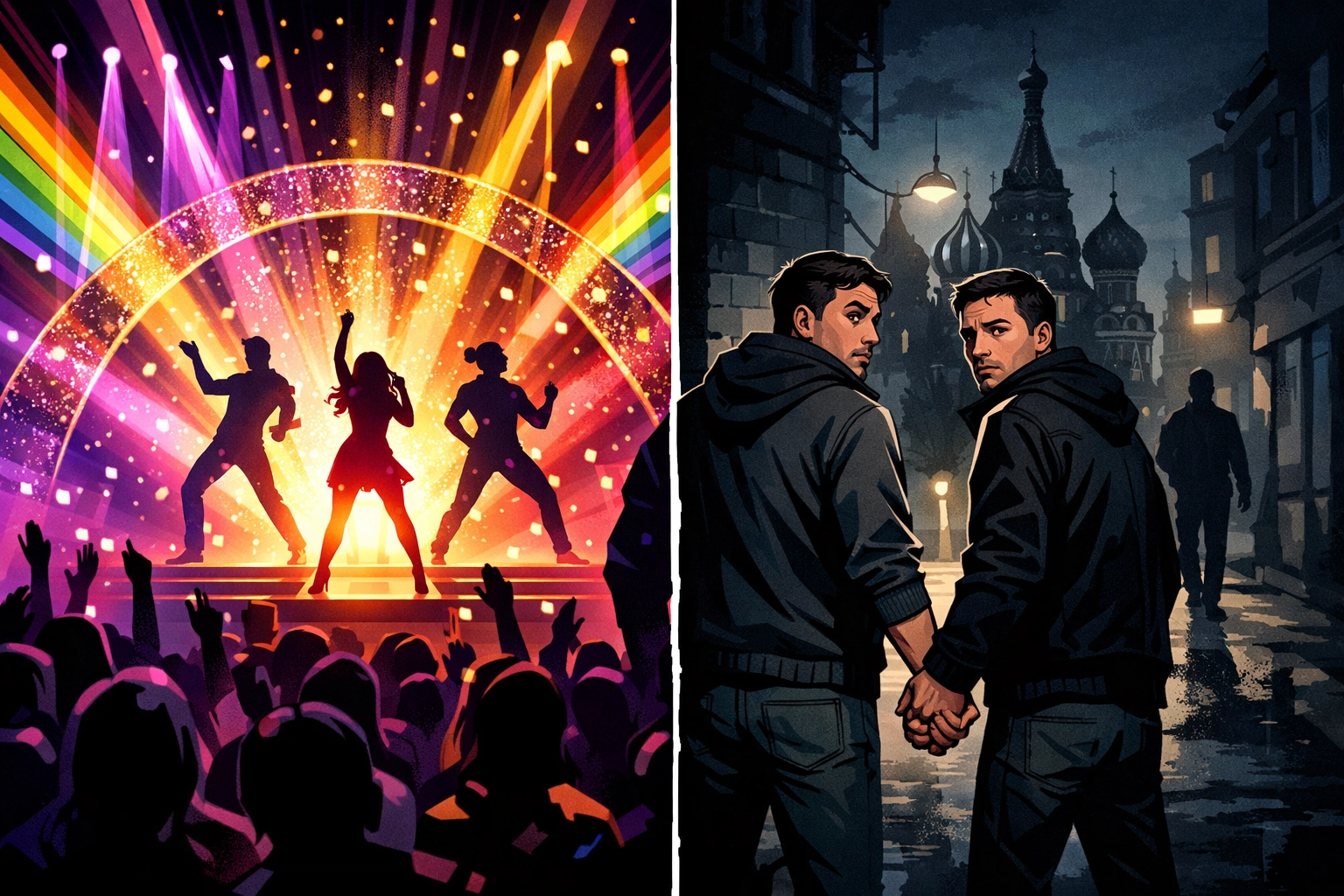
The 2009 contest showed us that celebration and oppression can exist side by side, often in the same city at the same time. It reminded us that glitter doesn't erase injustice, and that sometimes the most radical act is simply refusing to pretend everything is fabulous when it's not.
Stories That Need Telling
This is why stories matter: whether they're Eurovision performances, MM romance books, or the real-life narratives of queer people navigating hostile spaces. At Read with Pride, we believe in the power of gay fiction and queer literature to bear witness, to document, and to resist.
The protesters who showed up on May 16, 2009, knowing they'd be arrested, were writing their own story. The fans who traveled to Moscow despite the risks were claiming their space. The artists who spoke up were using their platforms for something bigger than a song contest.
These are the gay love stories that don't always make it into romance novels, but they're just as essential. They're about courage in the face of hostility, about refusing to be erased, about insisting that our joy and our existence matter: even when the world tells us otherwise.
Finding Hope in Solidarity
If there's a silver lining to Moscow 2009, it's this: the Eurovision community showed up. Not everyone, and not perfectly, but enough people refused to let the celebration ignore the crisis. Fans wrote letters, artists spoke out, and the protests: brief as they were: made headlines around the world.
That solidarity matters. It's the same solidarity we try to foster at readwithpride.com through LGBTQ+ ebooks and gay romance novels that center queer experiences. Every story told, every protest witnessed, every moment of visibility adds up.
Moscow 2009 was a clash between celebration and reality, between Eurovision's inclusive ideals and Russia's harsh truths. It was uncomfortable, complicated, and often painful to watch. But it was also necessary: a reminder that our community's fight for dignity and safety isn't over, and that sometimes the most important battles happen when the cameras are rolling.
Because representation without rights is just performance. And our community deserves so much more than that.
Discover more LGBTQ+ stories and celebrate queer love at Read with Pride. Follow us on Facebook, Instagram, and X/Twitter for daily updates.
#Eurovision2009 #LGBTQHistory #QueerActivism #ReadWithPride #MMRomance #GayRomanceBooks #LGBTQFiction #QueerStories #GayBooks #PrideMatters #EurovisionHistory #HumanRights #LGBTQRights #QueerVisibility #GayLiterature

Leave a Reply
You must be logged in to post a comment.