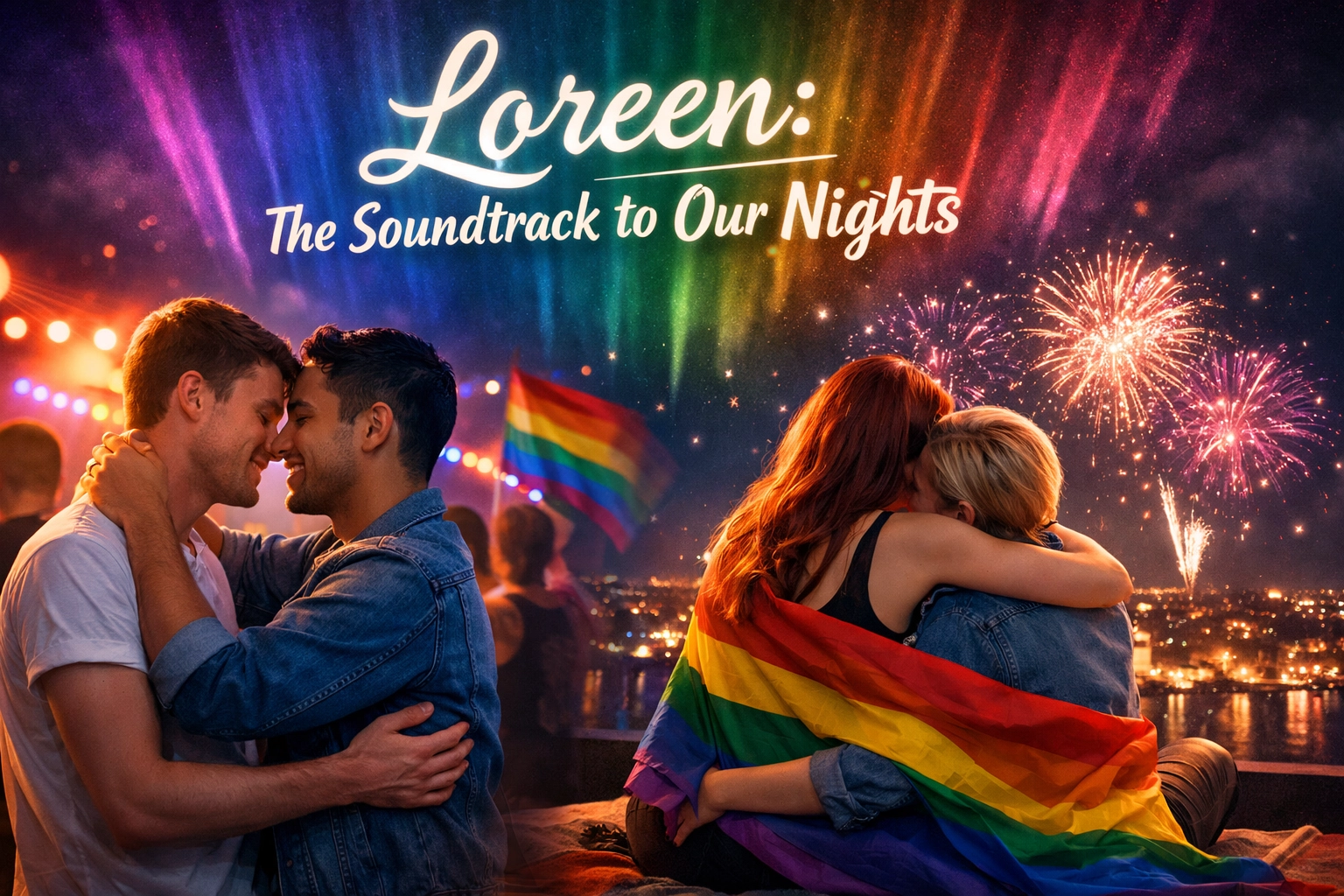
There are songs that play in the background of our lives, and then there are songs that become our lives. Songs that pulse through the speakers at 2 AM when the dance floor is packed and everyone's singing along like their heart depends on it. For the queer community, Loreen gave us two of those songs, and in doing so, she became part of our collective memory, our joy, and our resilience.
Let's talk about how a Swedish powerhouse took Eurovision by storm not once, but twice, and how "Euphoria" and "Tattoo" became the soundtracks to a decade of queer celebration.
When Euphoria Hit Different
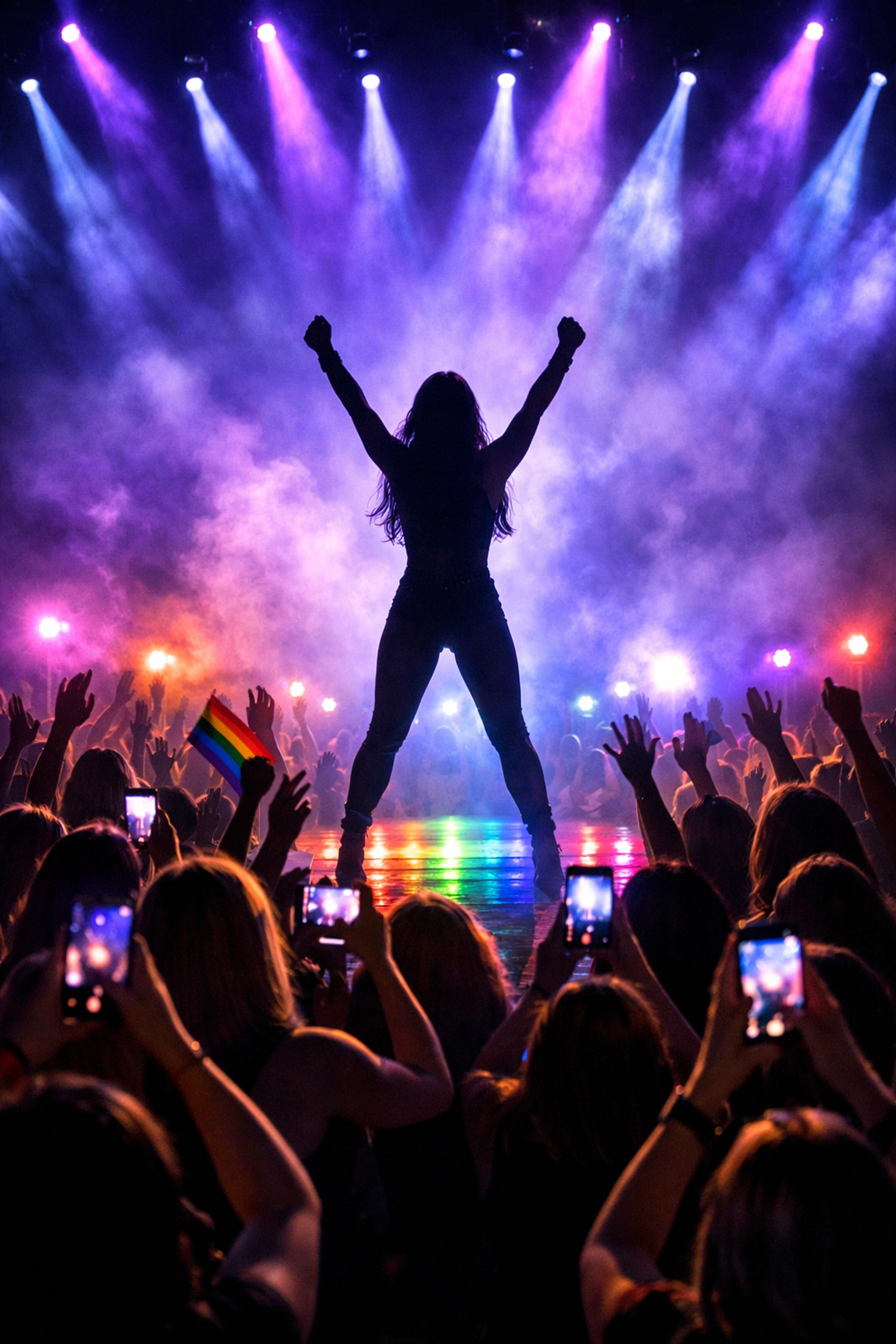
It was May 2012 in Baku, Azerbaijan, and the Eurovision Song Contest was about to witness something special. Loreen stepped onto that stage in a flowing dress, wind machines blazing, and delivered a performance that felt less like a competition entry and more like a spiritual experience. "Euphoria" wasn't just a song, it was a moment.
The track itself was already a club banger waiting to happen. That driving beat, those soaring vocals, the kind of production that makes your chest vibrate when the bass drops. But what made it resonate so deeply with the LGBTQ+ community wasn't just the sound. It was the feeling.
"An endless piece of art, a beating love within my heart" wasn't just a lyric. For so many queer people, it became an anthem about finding joy, about embracing the parts of ourselves that the world told us to hide. Eurovision has always had a special relationship with the queer community, it's camp, it's theatrical, it's unapologetically extra, and Loreen delivered all of that while somehow making it feel genuine and raw.
Within weeks of her victory, "Euphoria" was everywhere in queer spaces. Pride events blasted it. Drag queens performed to it. Club DJs knew that dropping it at the right moment could transform a good night into an unforgettable one. It became one of those rare songs that could unite an entire room, where everyone, regardless of age, background, or how many drinks they'd had, knew every single word.
The Club Phenomenon
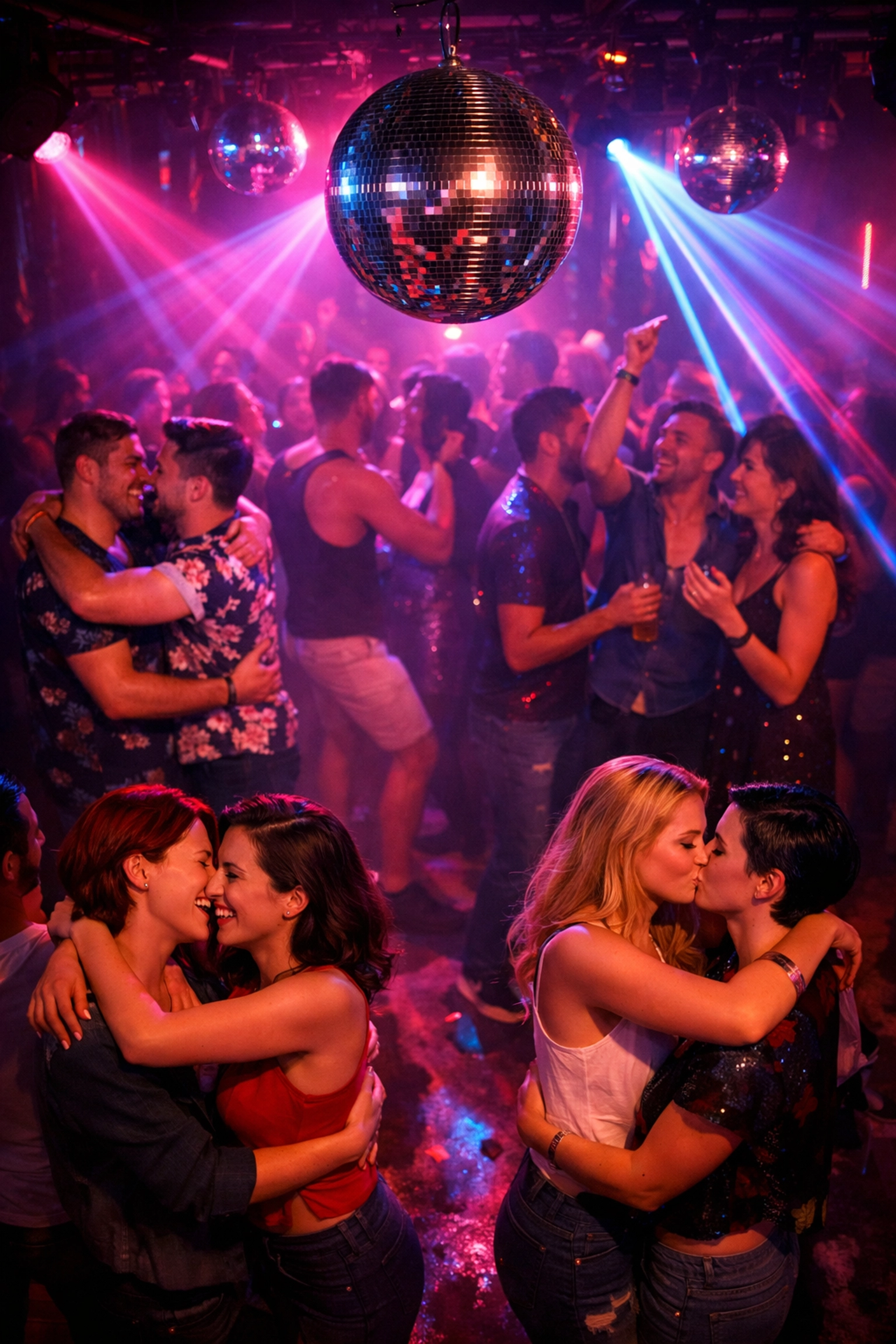
Here's the thing about queer clubs: they're not just places to dance. They're sanctuaries. They're where we can be fully ourselves, where we can show affection without fear, where the music isn't just entertainment, it's salvation.
"Euphoria" understood that assignment. The song's build-up, that tension before the chorus explodes, mirrors the experience of being queer in a world that often asks us to compress ourselves. And then that release, that drop, that moment where Loreen's voice soars, it's cathartic. It's liberation set to a beat.
DJs quickly learned that "Euphoria" had a kind of magic timing. Play it too early, and you've peaked too soon. Save it for that sweet spot around 1 AM when everyone's loose and connected, and you've created a moment. The kind where strangers become friends, where people cry happy tears on the dance floor, where someone inevitably posts a shaky video on social media with the caption "THIS SONG STILL HITS."
From London to New York, Berlin to Sydney, São Paulo to Bangkok, "Euphoria" became a constant presence in LGBTQ+ nightlife. It transcended language barriers, because feeling doesn't need translation.
A Decade Later, She Did It Again
Fast forward to May 2023 in Liverpool. Loreen returned to Eurovision, and let's be honest, most of us were skeptical. Lightning doesn't strike twice, right? How do you follow up one of the contest's most iconic victories?
Well, Loreen said "watch this" and delivered "Tattoo."
The song was different from "Euphoria", darker, more mature, with a pulsing rhythm that felt like a heartbeat. But it had that same quality, that emotional honesty that cuts through all the glitter and spectacle. And when she won, becoming only the second artist ever to win Eurovision twice, it felt like coming full circle.
But here's what made "Tattoo" special for the queer community: it arrived at a different moment in time. In 2012, we were riding a wave of optimism about LGBTQ+ rights. By 2023, we were fighting harder than ever against backsliding, against rising hate, against politicians using us as political pawns. "Tattoo" felt like a reminder to stay strong, to remain indelible, like ink under skin.
"I let you carve your name, deep in my soul" hits different when you're part of a community that's constantly told our love, our identities, our very existence is somehow up for debate. "Tattoo" became a defiant statement: we're permanent, we're not going anywhere, and we'll keep dancing through it all.
Why These Songs Matter
It's easy to dismiss pop music as frivolous, but that completely misses the point. For queer people, pop culture has often been one of the few spaces where we could see glimpses of ourselves, where we could find community before we even had the words for what we were feeling.
Loreen's songs work because they're emotionally honest without being preachy. She never positioned herself as a queer icon or tried to capitalize on the community's support. She just made incredible music that happened to resonate deeply with people who understand what it means to search for euphoria in a world that sometimes feels determined to deny it to us.
And let's not forget the sheer technical brilliance. Loreen can sing. In an era of pitch correction and studio magic, watching her deliver those vocals live, often while doing choreography that would leave most people breathless, is genuinely impressive. There's something satisfying about seeing someone earn their success through pure talent.
The Lasting Legacy
Today, both "Euphoria" and "Tattoo" remain fixtures in LGBTQ+ spaces. They're played at Pride celebrations, referenced in drag performances, and yes, still absolutely dominating club playlists. A new generation of queer kids is discovering these songs, having their own euphoric moments on dance floors.
That's the real test of an anthem, isn't it? Not just whether it captures a moment, but whether it continues to mean something years later. Both songs have passed that test with flying colors.
For those of us who've lived through the past decade-plus with these songs as our soundtrack, they're more than just catchy tunes. They're time capsules of specific nights, specific feelings, specific moments of joy we grabbed with both hands. They remind us that even in difficult times, we can still find euphoria. We can still dance. We can still celebrate who we are.
At Read with Pride, we believe in celebrating all aspects of LGBTQ+ culture: from the books we read to the music that moves us. Whether you're looking for MM romance novels that give you that same emotional high or gay fiction that explores our community's stories, we've got you covered.
Ready to explore more stories that celebrate queer culture? Check out our collection of LGBTQ+ books and gay romance novels that capture the joy, struggle, and triumph of our community.
Follow us for more LGBTQ+ culture content:
Facebook | Instagram | X/Twitter
#Readwithpride #LGBTQculture #Eurovision #Loreen #Euphoria #QueerAnthem #MMromance #GayBooks #LGBTQbooks #QueerFiction #GayRomance #PrideReading #LGBTQpride #QueerHistory #EurovisionHistory #GayClubCulture #QueerMusic #MMromancebooks #GayLiterature #LGBTQfiction

Leave a Reply
You must be logged in to post a comment.