

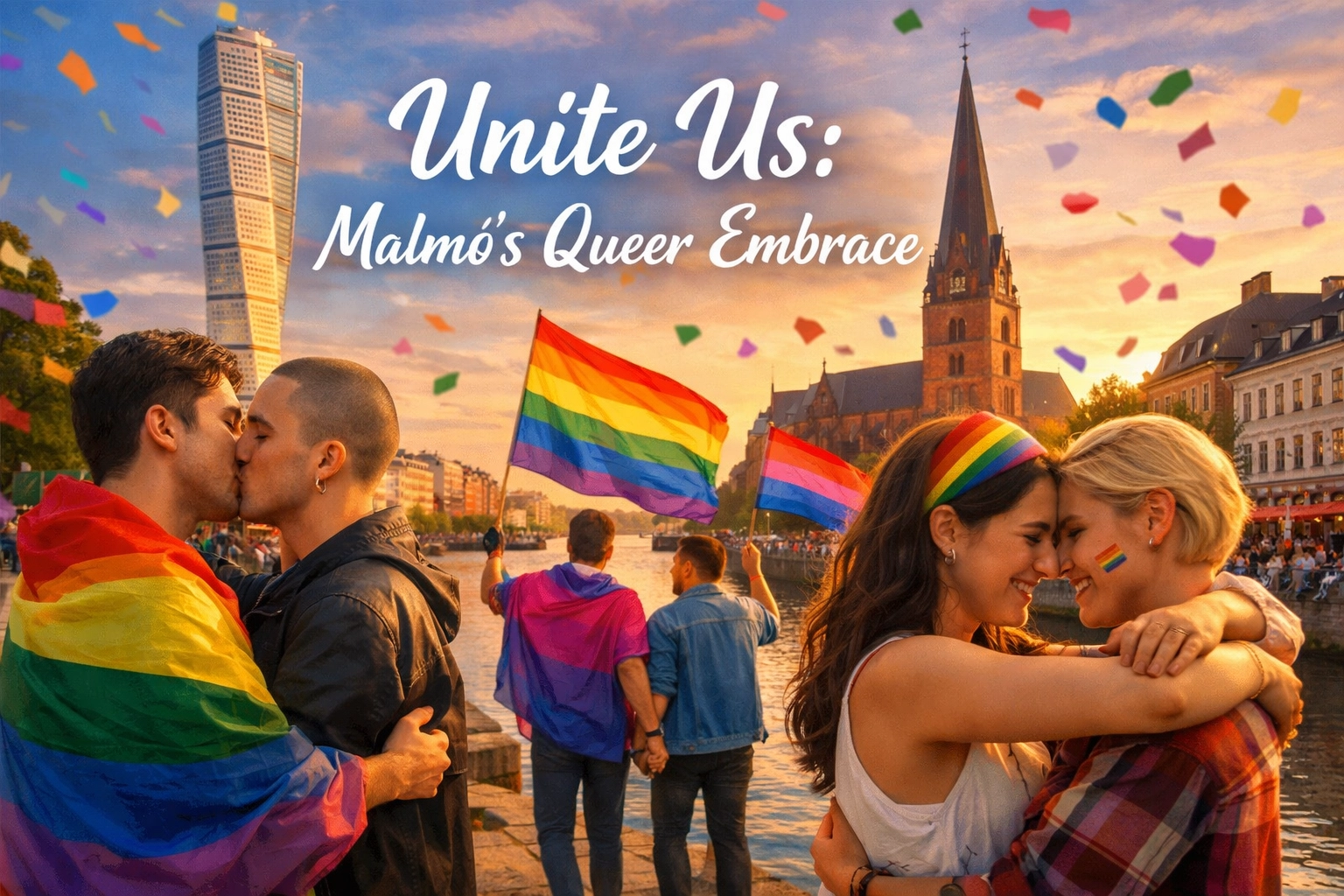
Eurovision isn't just a song contest, it's a celebration, a safe space, and for many in the LGBTQ+ community, it's home. And if any contest embodied that truth, it was Malmö 2013. Sweden didn't just host Eurovision that year; they threw open the doors and said, "Come as you are. We've been waiting for you."
The 2013 contest, held in the Malmö Arena, wasn't afraid to lean into what Eurovision has always been at its heart: gloriously, unapologetically queer. From the visual identity to the performances themselves, Malmö 2013 became a watershed moment that reminded us why this contest matters so much to our community.
Sweden Knew the Assignment
When Sweden won the right to host Eurovision after Loreen's stunning "Euphoria" victory in 2012, they had a choice. They could play it safe, corporate, and bland. Or they could embrace what makes Eurovision special. Malmö chose the latter, and we're still feeling the impact.
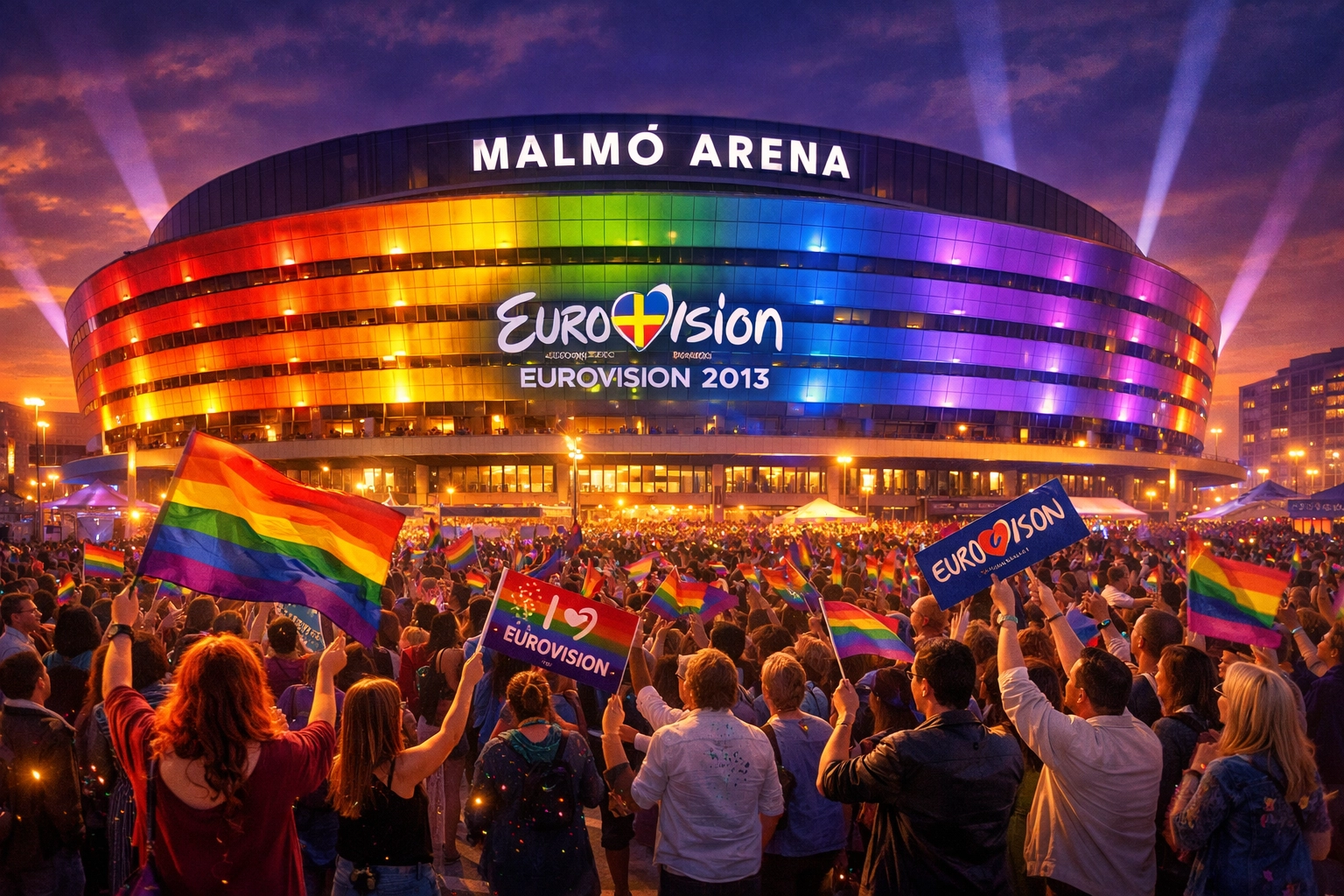
The theme "We Write the Story" wasn't just a slogan, it was an invitation. It acknowledged that Eurovision's story has always been written by outsiders, by people who didn't fit into neat boxes, by the queer community that's been the contest's beating heart since day one. Malmö understood this assignment on a cellular level.
Sweden's progressive stance on LGBTQ+ rights wasn't window dressing. This was a country that legalized same-sex marriage in 2009, that had anti-discrimination laws protecting LGBTQ+ people since the 1980s. Malmö itself had cultivated a reputation as one of Europe's most welcoming cities for queer folks. When they hosted Eurovision, they brought that energy to the stage.
The Visual Language of Inclusion
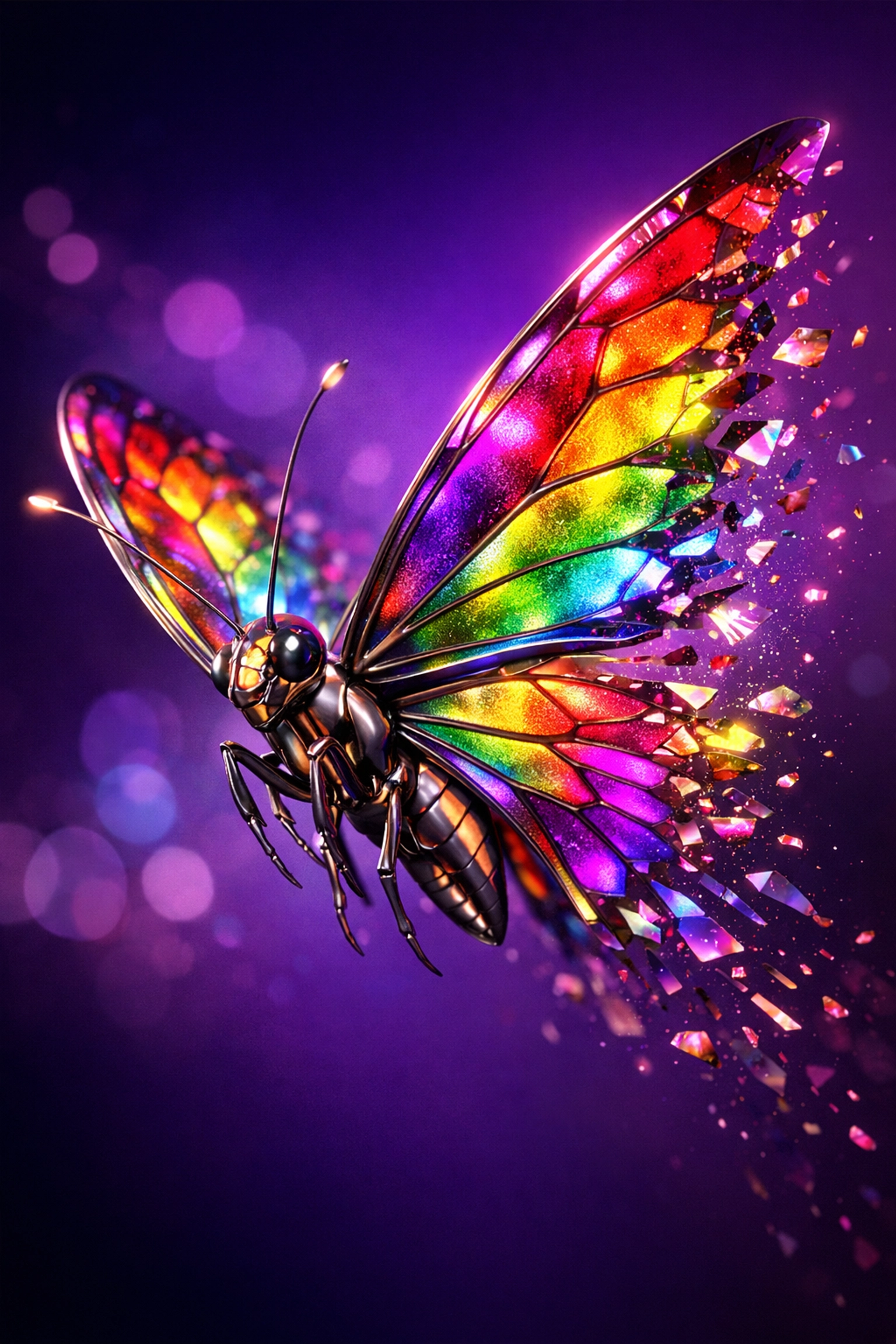
The stage design and visual identity of Malmö 2013 spoke volumes. The butterfly motif used throughout the contest wasn't just pretty, it symbolized transformation, metamorphosis, becoming who you're meant to be. If that's not a queer narrative, I don't know what is.
The interval acts featured celebrations of diversity and Swedish culture that didn't shy away from showcasing LGBTQ+ performers and themes. There was a deliberate choice to make the contest feel inclusive, not through tokenism, but through genuine representation woven into the fabric of the show.
The production team created an atmosphere where drag queens, leather daddies, twinks, dykes, and everyone in between could see themselves reflected on screen. The camera work during voting sequences regularly cut to queer couples in the audience, normalizing what shouldn't need normalizing but still does in many parts of Europe.
Performances That Spoke to Us
While every Eurovision has its share of camp (it's Eurovision, darling), Malmö 2013 had performances that particularly resonated with queer audiences. Romania's Cezar with "It's My Life" gave us operatic drama served with a vampire aesthetic that was pure queer gothic energy. Love it or hate it, you couldn't ignore it, and isn't that the point?
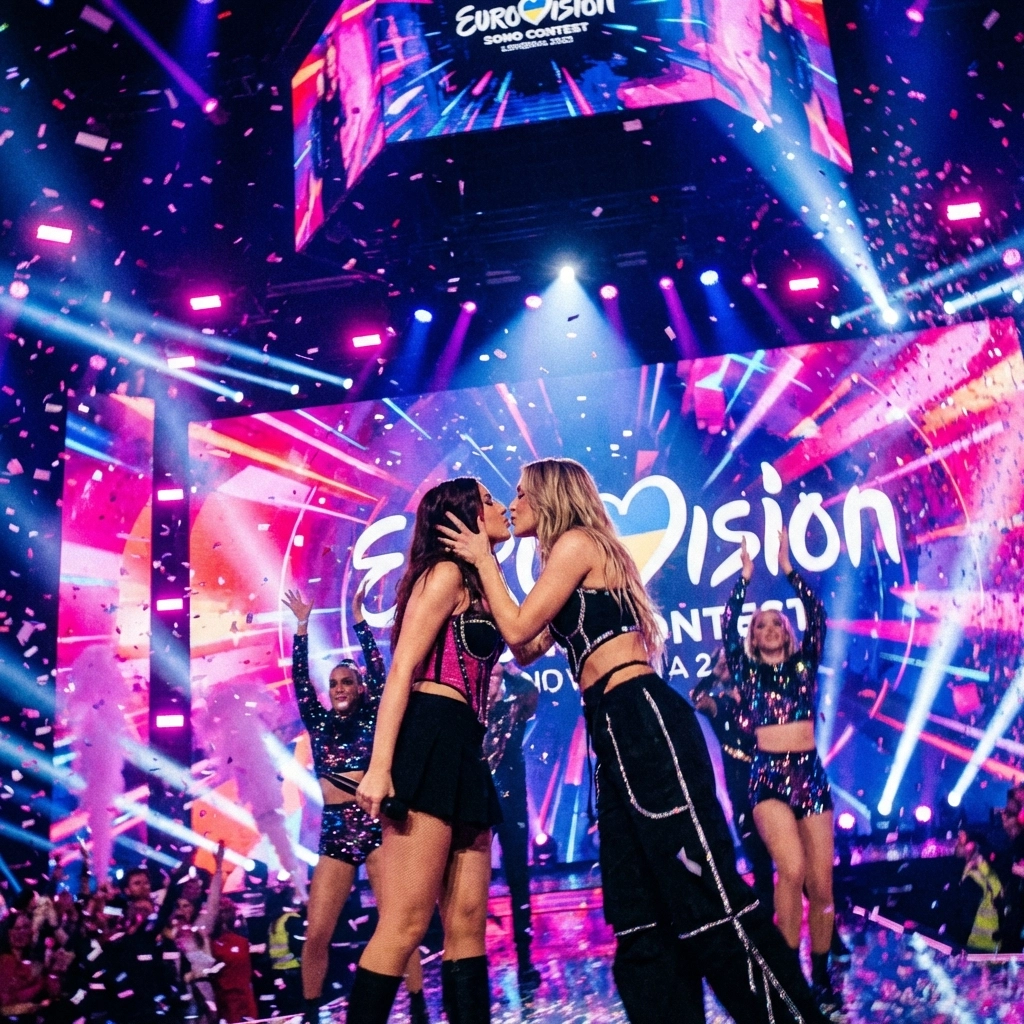
Finland's Krista Siegfrids ended her performance with a kiss between two women, a staged moment, yes, but one that sparked conversation across Europe. In a contest broadcast to countries where being gay is still illegal, that kiss mattered. It was a statement, a small act of defiance dressed up as a performance element.
Even the hosting reflected the inclusive spirit. Hosts Petra Mede and her team delivered humor that was knowing and clever without punching down, that celebrated Eurovision's camp heritage while respecting its artistry. The famous interval act "Swedish Smörgåsbord" was peak Eurovision absurdism: exactly the kind of self-aware ridiculousness that makes us love this contest.
The City Embraced the Rainbow
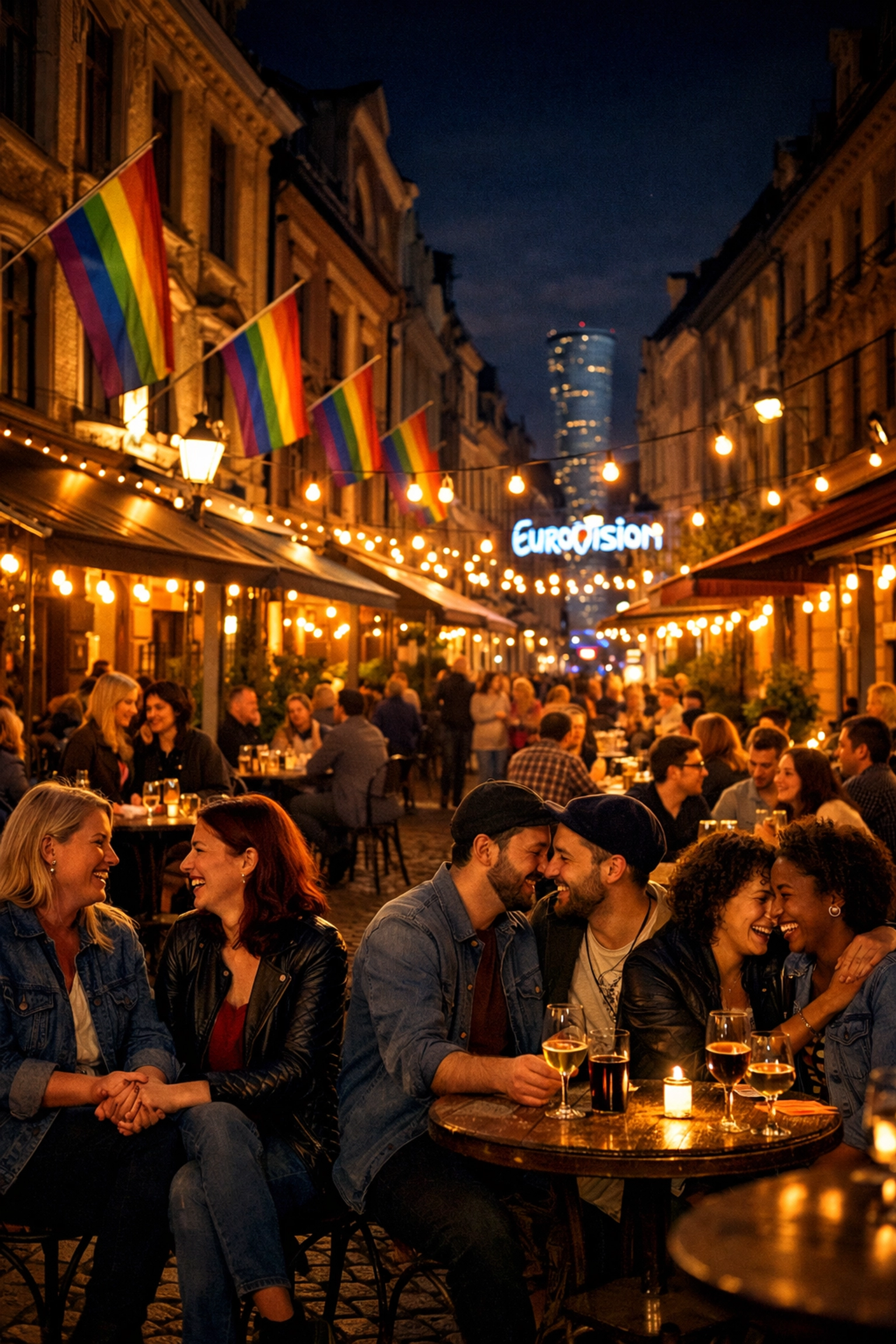
Beyond the arena, Malmö itself became a Eurovision village that welcomed the influx of queer tourists with open arms. Local LGBTQ+ venues hosted viewing parties and events. The city's gay bars and clubs saw their biggest weeks of the year, creating spaces where fans from across Europe could connect, celebrate, and feel safe.
For many queer fans traveling from less accepting countries, those weeks in Malmö offered something precious: the ability to be openly themselves. To hold hands with their partners in public. To express gender in ways that felt authentic. To exist without fear, even if just for a few days.
The local LGBTQ+ organizations partnered with the Eurovision organizers to ensure safety and inclusivity measures were in place. It wasn't just about flying a rainbow flag; it was about creating genuine infrastructure of welcome.
Why It Mattered Then (And Now)
Context matters. The 2013 contest took place during a period of significant LGBTQ+ rights progress in some parts of Europe, but also backlash in others. Russia's "gay propaganda" laws had recently passed. Several Eastern European countries were seeing rises in homophobic rhetoric and violence.
Eurovision became a counterpoint to that darkness. Malmö 2013 specifically showed that one of Europe's most-watched television events could be openly, proudly queer-friendly and survive. Thrive, even. The ratings were strong. The show was acclaimed. The city benefited economically and culturally.
For closeted kids watching in conservative countries, seeing their community celebrated on such a massive stage provided hope. For out adults, it was validation. For allies, it was education wrapped in entertainment.
The Eurovision Spirit Lives On
What Malmö 2013 understood: and what keeps bringing us back to Eurovision year after year: is that this contest has always been about more than music. It's about connection. It's about finding your people. It's about three minutes where anything is possible and everyone is welcome.
At Read with Pride, we understand that same spirit. Whether you're reading MM romance books or diving into gay fiction that explores identity and love, it's about seeing yourself reflected in stories. Eurovision does that with music; we do that with words.
The themes of Malmö 2013: transformation, inclusion, writing your own story: resonate with the LGBTQ+ fiction we celebrate. The bravery of being yourself on the biggest stage mirrors the courage in gay love stories that dare to center queer joy instead of just queer pain.
Stories We Write Together
The legacy of Malmö 2013 extends beyond that one contest. It set a standard. It showed future host countries that embracing queer culture isn't just the right thing to do: it's good television, good business, and good for the soul of the contest.
Every subsequent Eurovision has built on what Malmö achieved. Vienna 2015's "Building Bridges," Kyiv 2017's "Celebrate Diversity," Lisbon 2018's recognition of LGBTQ+ icons: they all owe something to the foundation Malmö laid.
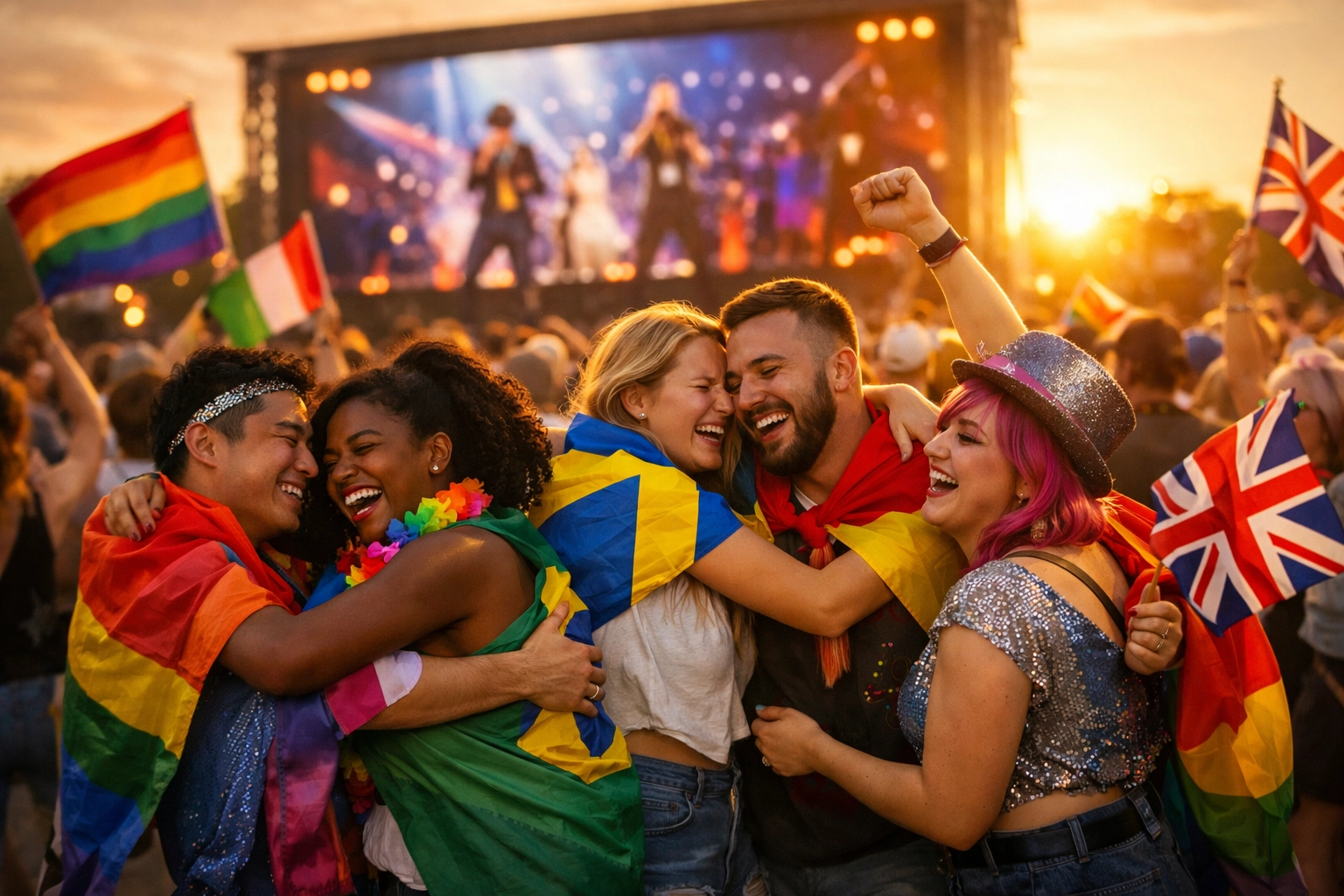
For those of us who live Eurovision every year, Malmö 2013 remains special. It was a moment when everything aligned: a progressive host city, organizers who understood the assignment, and a community ready to celebrate. It proved that Eurovision's queer heart isn't a bug; it's the feature.
If you're looking for that same sense of belonging and celebration in your reading life, explore the gay romance novels and queer fiction at Readwithpride.com. Just like Eurovision, we're here to celebrate authentic stories, diverse voices, and the power of love in all its forms.
Because whether it's a song contest in Sweden or a love story in a book, we all deserve to see ourselves as the heroes of our own narratives. We all deserve spaces that say, "Come as you are. We've been waiting for you."
That's what Malmö 2013 gave us. That's what we carry forward.
Follow us for more LGBTQ+ stories and celebration:
- Facebook: Read with Pride
- Instagram: @read.withpride
- X/Twitter: @Read_With_Pride
#ReadWithPride #Eurovision2013 #MalmoPride #LGBTQEurovision #QueerCulture #EurovisionHistory #MMRomance #GayFiction #LGBTQBooks #QueerReads #GayRomanceBooks #LGBTQFiction #PrideReading #QueerStories #GayLoveStories #Eurovision #WeWriteTheStory #LGBTQCommunity #ReadWithPride2026 #MMRomanceBooks

Leave a Reply
You must be logged in to post a comment.