

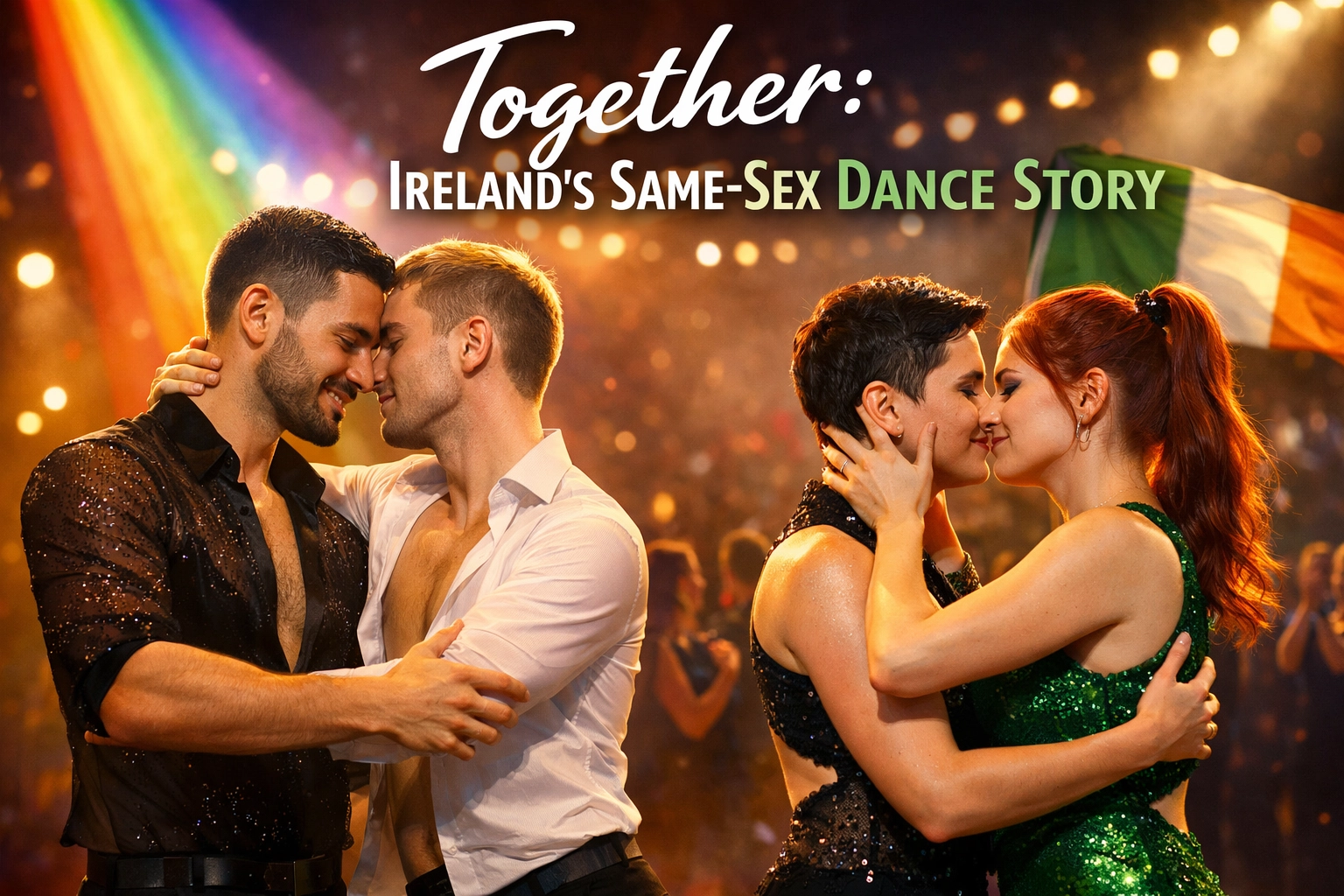
When Ryan O'Shaughnessy stepped onto the Eurovision stage in Lisbon on May 8, 2018, he wasn't just representing Ireland: he was making history. His performance of "Together" featured something Eurovision had never seen on its stage before: a same-sex love story told through dance. Two male dancers, Alan McGrath and Kevin O'Dwyer, performed an achingly beautiful routine that captured hearts across Europe and beyond.
This wasn't just another Eurovision entry. This was a statement, a celebration, and a powerful moment of LGBTQ+ visibility on one of the world's biggest stages.
A Song That Needed to Be Seen
Ryan O'Shaughnessy, an Irish singer-songwriter who had previously appeared on Britain's Got Talent and The Voice of Ireland, brought more than just vocals to Lisbon. His song "Together" was a tender ballad about love and commitment, but it was the visual storytelling that elevated it into something unforgettable.
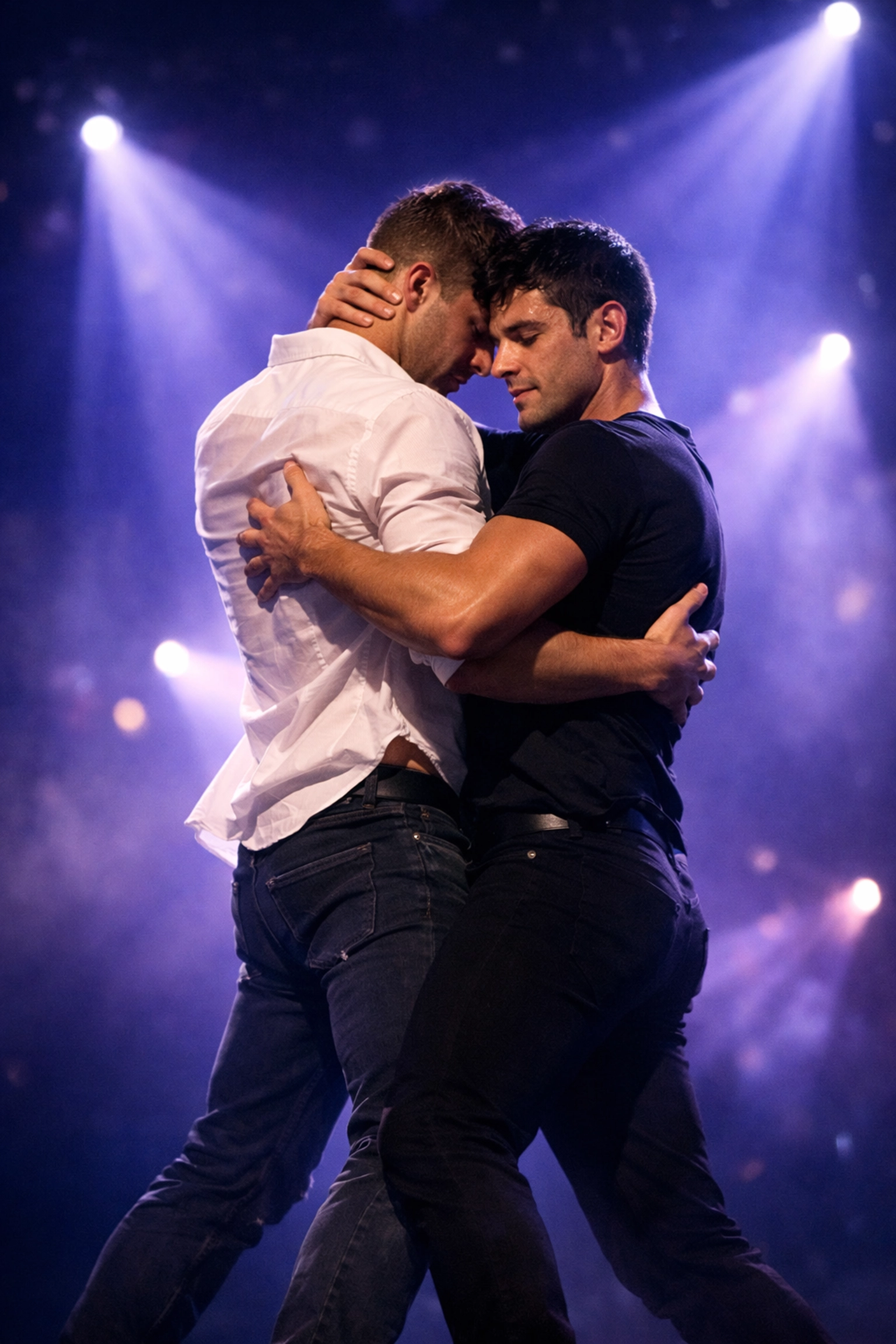
The performance opened with O'Shaughnessy on stage alone, his voice carrying the emotional weight of the lyrics. Then the dancers entered. What followed was a three-minute narrative of connection, separation, and reunion: a love story told entirely through movement. The choreography by Suzanne McNicholas was intimate and genuine, showing two men falling in love, facing obstacles, and ultimately finding their way back to each other.
It was simple. It was powerful. And for many LGBTQ+ viewers watching at home, it was representation on a scale they'd never experienced before.
Why This Moment Mattered
Eurovision has long been embraced by the LGBTQ+ community as a celebration of diversity, camp, and self-expression. But same-sex representation on stage had typically been coded or implied rather than explicit. Ireland's 2018 entry changed that equation.
The decision to feature same-sex dancers wasn't made lightly. Ireland's public broadcaster RTÉ and the production team knew they were breaking new ground. Some countries still held deeply conservative views on LGBTQ+ relationships, and there were genuine concerns about how the performance would be received: and whether it might even be censored in certain regions.
But the creative team stood firm. This was the story they wanted to tell, and they weren't going to compromise the integrity of the performance.
The reaction across social media was immediate and overwhelmingly positive. LGBTQ+ fans praised the visibility and authenticity of the performance. Straight allies applauded the courage to present same-sex love as beautifully ordinary. The moment became one of the most talked-about aspects of the entire contest.
Ireland's Journey to This Moment
To understand the significance of Ireland's 2018 entry, you need to know the country's remarkable journey toward LGBTQ+ equality. This was the same nation that had decriminalized homosexuality only 25 years earlier in 1993. The first Pride march in Ireland happened in 1974 with just ten brave souls. By 2015, Ireland became the first country in the world to legalize same-sex marriage by popular vote: a watershed moment that signaled how far the country had come.
Ryan O'Shaughnessy's performance at Eurovision was part of this ongoing story of progress. It showed an Ireland that had transformed from criminalization to celebration, from silence to visibility, from margins to mainstream.
The performance also reflected a broader shift within Eurovision itself. The contest had always been a safe space for LGBTQ+ fans, but now it was actively showcasing queer stories on stage. This was progress you could see and feel.
The Competitive Journey
While "Together" didn't win the competition: it finished in 16th place: its impact extended far beyond the scoreboard. The song qualified from the second semi-final, ensuring that the performance would be seen by the massive Eurovision final audience of over 180 million viewers worldwide.
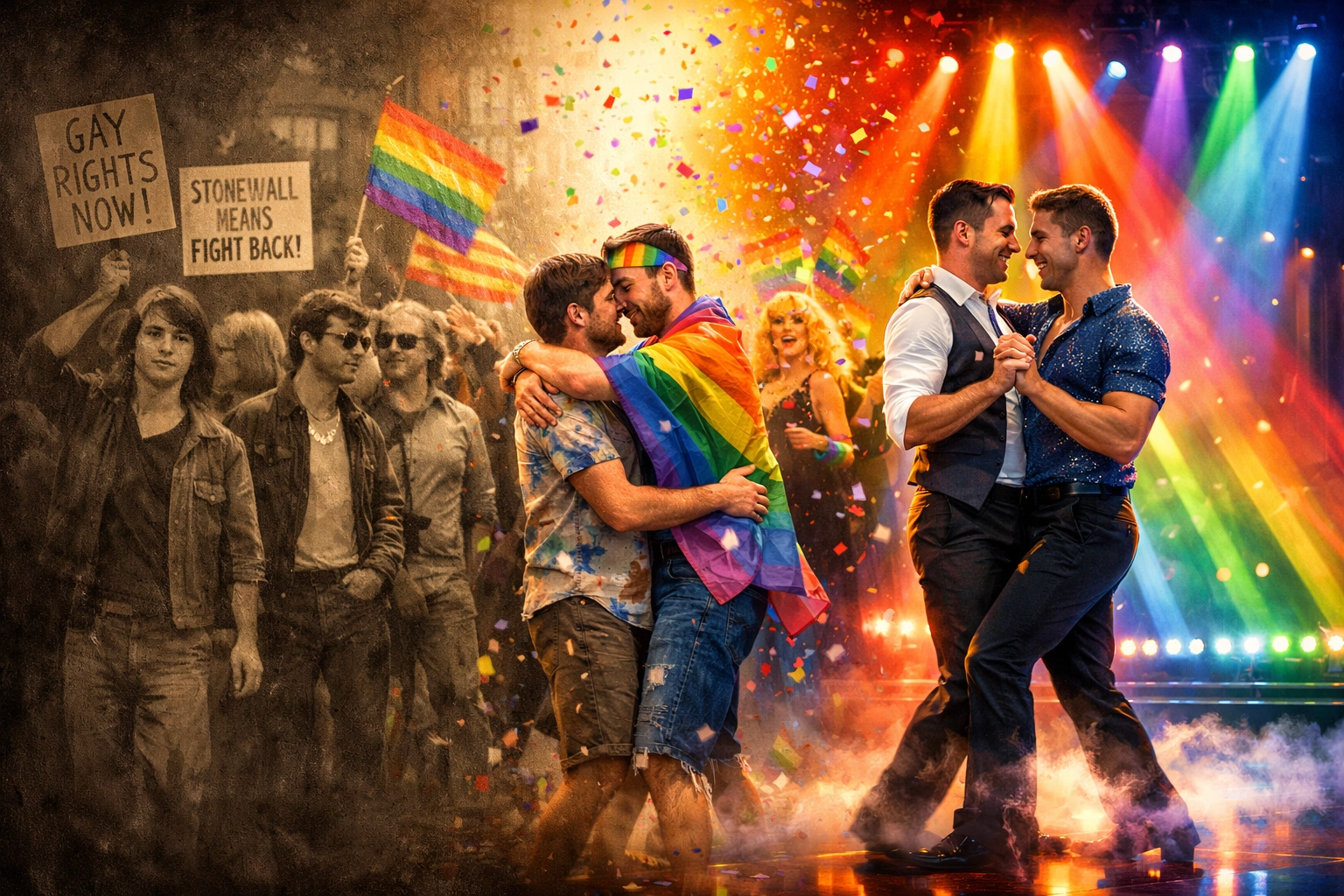
Critics and fans praised the performance's emotional authenticity. It wasn't trying to be provocative or make a political statement: it was simply showing love for what it is: universal, human, and beautiful. That genuine approach resonated with people across Europe and around the world.
For many young LGBTQ+ people watching, especially those in countries where same-sex relationships were still stigmatized or illegal, seeing this representation on such a massive platform was life-changing. Social media flooded with messages from viewers who were moved to tears, who felt seen, who felt less alone.
The Ripple Effect
Ireland's 2018 Eurovision entry created ripples that extended well beyond that one performance. It opened doors for future LGBTQ+ representation at the contest. It started conversations in countries where such discussions were rare or forbidden. It showed broadcasters and producers that authentic queer storytelling could be embraced by mainstream audiences.
Two years later, Ireland would break another barrier when Dancing with the Stars Ireland featured its first same-sex dance pairings: Brian Dowling with Kai Widdrington, and Lottie Ryan with Emily Barker. That 2020 milestone had roots in the courage shown at Eurovision 2018.
The performance also became a touchstone for discussions about LGBTQ+ representation in entertainment. It demonstrated that you don't need to make queerness the entire story: sometimes the most powerful representation is simply showing gay love as naturally as straight love has always been shown.
Why We Remember It
Years later, "Together" remains one of the most beloved Eurovision performances among LGBTQ+ fans. It's not just nostalgia: it's genuine appreciation for a moment that mattered. The performance captured something essential about queer love: it's ordinary and extraordinary at the same time.
Ryan O'Shaughnessy, Alan McGrath, and Kevin O'Dwyer didn't just perform a song. They told a story that millions of LGBTQ+ people recognized as their own. They showed vulnerability, connection, and the simple human desire to be together with the person you love.
For those of us who love MM romance books and gay love stories, this performance was real life mirroring the fiction we cherish: the tender moments, the obstacles overcome, the ultimate affirmation that love wins.
The Legacy Continues
Eurovision 2018 proved that mainstream audiences were ready for authentic LGBTQ+ representation. It showed that same-sex love stories could be told with the same romance, drama, and emotion as any heterosexual narrative. And it demonstrated that visibility matters: not just for the community, but for everyone who believes in love and equality.
As we continue to celebrate queer fiction and gay romance through platforms like Read with Pride, moments like Ryan O'Shaughnessy's performance remind us why representation is so crucial. Whether it's on a Eurovision stage, in the pages of a novel, or in everyday life, seeing ourselves reflected back to us with dignity and love makes all the difference.
Ireland's 2018 Eurovision entry wasn't just about a song or a competition. It was about courage, visibility, and the universal language of love. And that's a story worth remembering and celebrating.
Want to explore more LGBTQ+ love stories that celebrate authentic connections? Visit readwithpride.com for our collection of MM romance, gay fiction, and queer love stories that deserve to be told.
Follow us on Facebook, Instagram, and X for more celebrations of LGBTQ+ culture and stories.
#Eurovision #Eurovision2018 #LGBTQHistory #IrishPride #RyanOShaughnessy #Together #MMRomance #GayRomance #ReadWithPride #QueerVisibility #LGBTQRepresentation #GayLoveStories #EurovisionHistory #LoveIsLove #QueerFiction #GayFiction #PrideInLove #MMRomanceBooks #LGBTQBooks #AuthenticLove

Leave a Reply
You must be logged in to post a comment.