

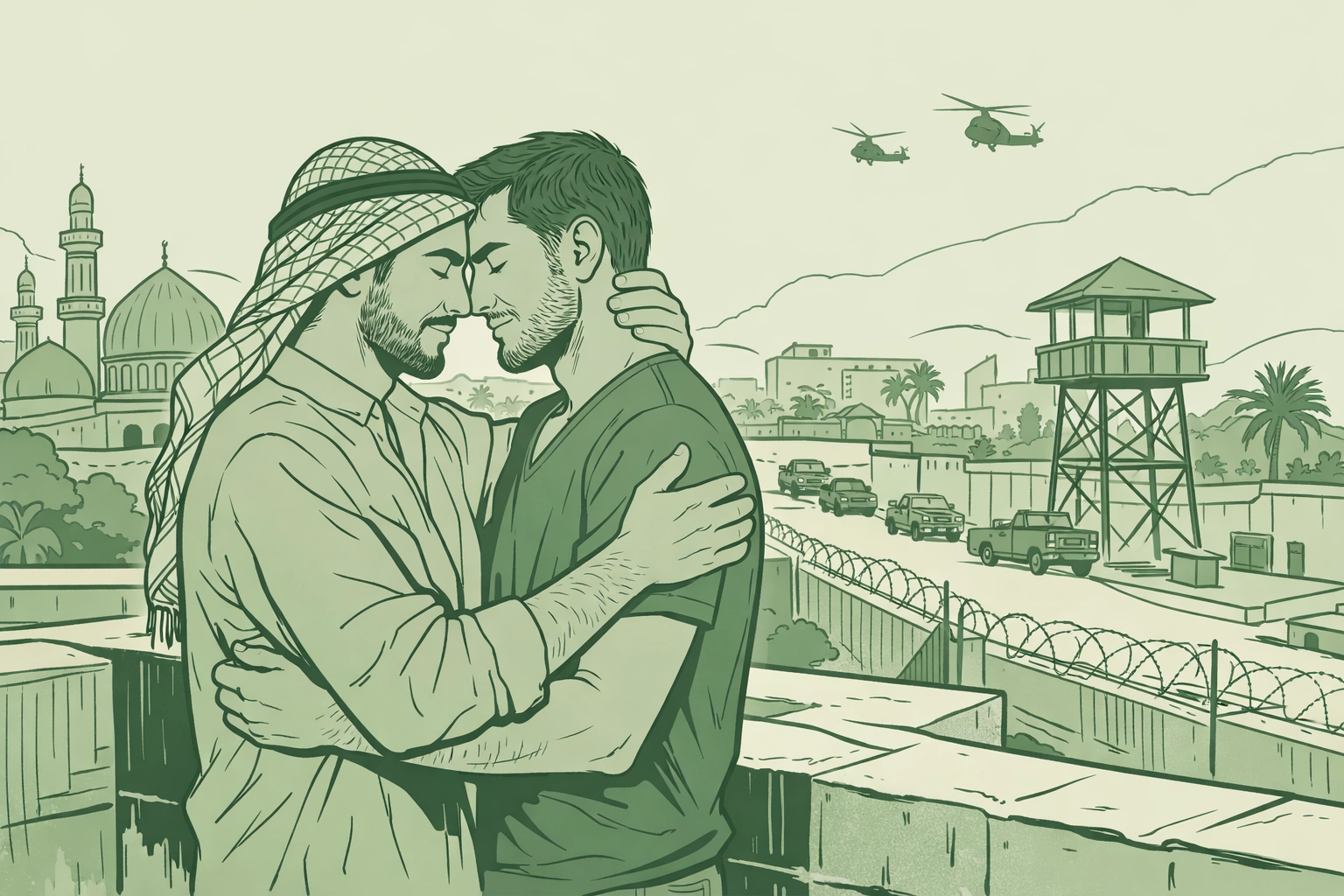
When Love Becomes a Crime: Fleeing Iraq for Survival
In over 60 countries worldwide, being LGBTQ+ remains criminalized. For the 71 million queer people living under these oppressive laws, every day presents a choice between authenticity and survival. Iraq stands among the most dangerous places on earth for gay men, where same-sex relationships can result in imprisonment, torture, or execution, both by the state and by militant groups operating with impunity.
This is Karim's story. A story of red lines crossed, boundaries broken, and a desperate journey from Baghdad to Amsterdam that would leave scars no border could erase.
The Invisible Life in Baghdad
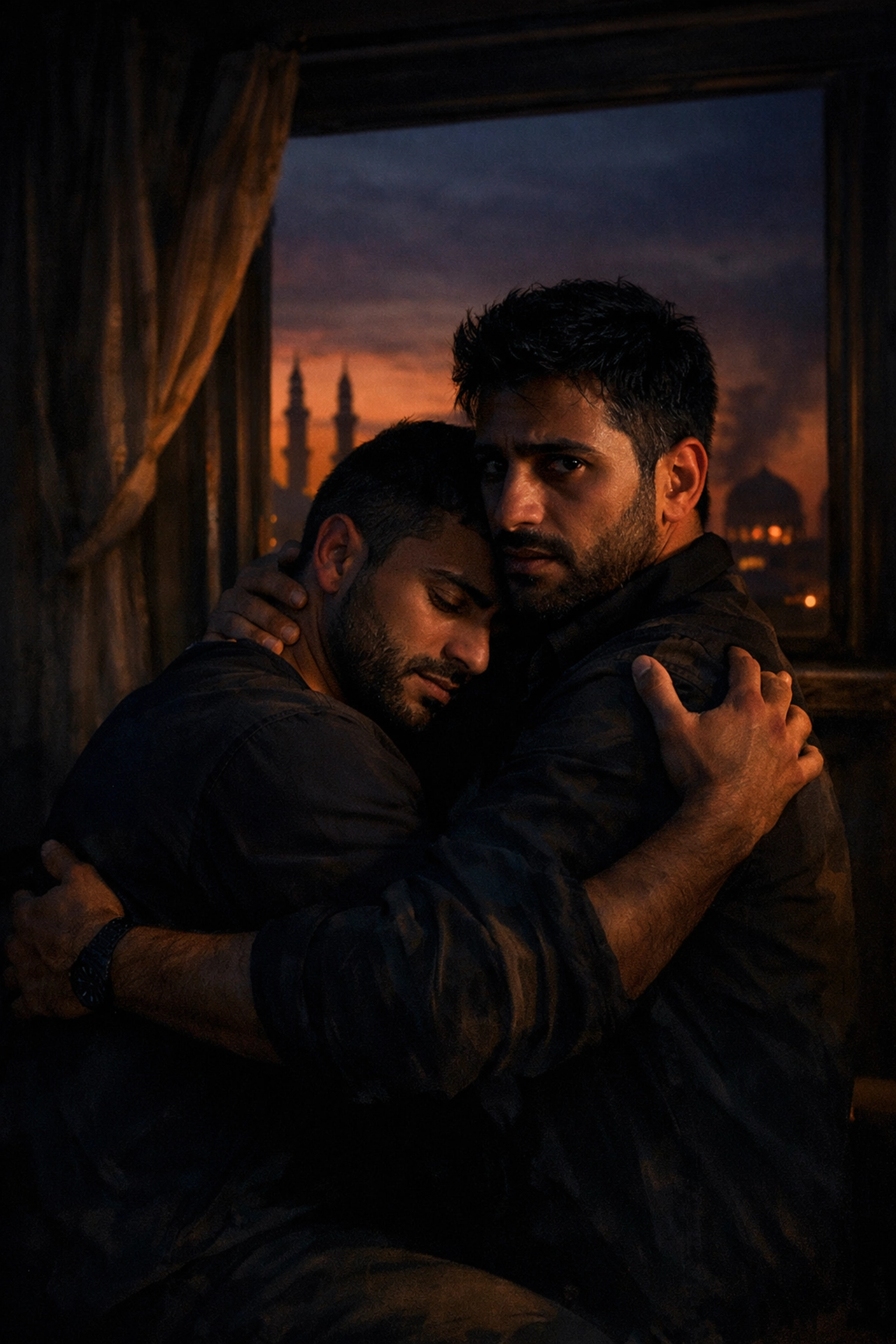
Karim grew up knowing he was different. In the conservative neighborhoods of Baghdad, where masculinity was rigidly defined and deviation meant danger, he learned early to hide. He perfected the art of invisibility, the careful monitoring of his voice, his gestures, his gaze. Every interaction was a performance designed to survive.
By his twenties, Karim had built what appeared to be a normal life. He worked at his uncle's electronics shop, attended Friday prayers, and deflected his mother's questions about marriage with vague promises of "soon, Inshallah." But at night, in the dangerous shadows of chat rooms and encrypted apps, he connected with other gay men navigating the same impossible existence.
The gay fiction and queer literature he discovered online, stories of men loving men openly, building lives together, seemed like science fiction. These MM romance novels from Read with Pride offered glimpses of a world he couldn't imagine inhabiting.
When the Red Line is Crossed
Everything changed the night Karim met Omar at a supposed safe house. What he didn't know was that militant groups had begun actively hunting gay men, using fake profiles and informants to identify and target them. The meeting was a trap.
Karim barely escaped. Omar wasn't as fortunate. Within days, Omar's body was found in the street, bearing the marks of torture that served as a warning to others. Karim's name had been mentioned during interrogation.
Iraq's law criminalizes same-sex relationships under "immorality" statutes, but the reality is far worse than legal prosecution. Militia groups, operating outside official channels, have conducted systematic campaigns against LGBTQ+ individuals. Between 2015 and 2025, human rights organizations documented hundreds of killings, with many more unreported.
Karim had 48 hours to disappear.
The Underground Railroad of the 21st Century
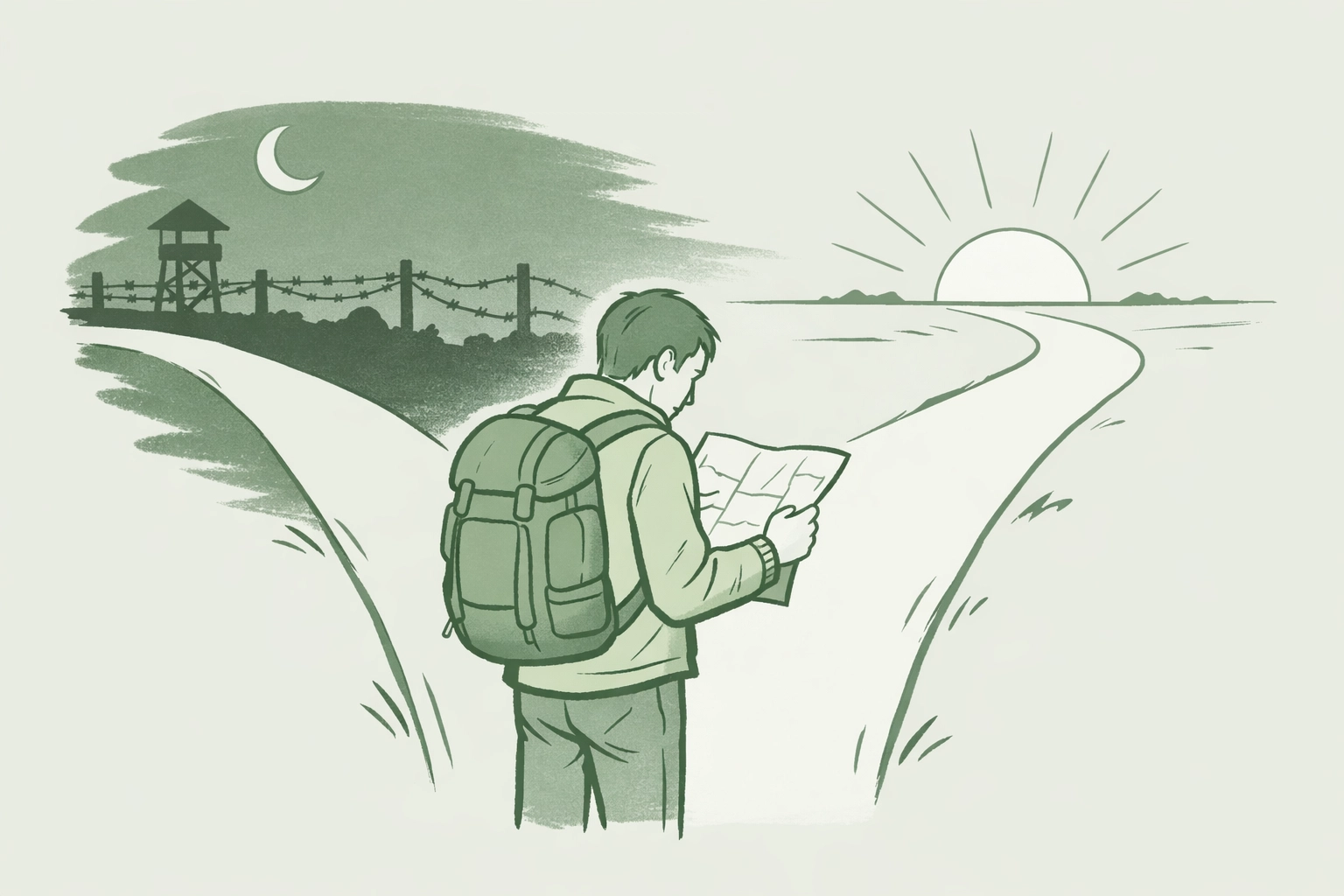
Escaping Iraq as a gay man requires navigating a complex network of activists, sympathetic lawyers, and international organizations. Karim contacted an underground network that had helped others flee, a modern underground railroad operating through encrypted channels and safe houses across borders.
The journey was neither quick nor cheap. Karim sold everything he owned, borrowed money he might never repay, and said goodbye to his family with lies about a job opportunity in Turkey. His mother cried. His father embraced him. Neither knew they might never see him again.
The route took him through Kurdistan, into Turkey, then through a maze of asylum processes that consumed months. He lived in limbo: too far to return, not yet safe enough to rest. The LGBTQ+ books he'd downloaded became his companions during endless waiting periods, stories of survival and hope when his own seemed impossibly distant.
The Netherlands: Safety Doesn't Mean Healed
When Karim finally received asylum approval in the Netherlands, he expected relief. Instead, he found himself in a new kind of invisibility: that of the refugee, the outsider, the traumatized survivor in a society that didn't always understand.
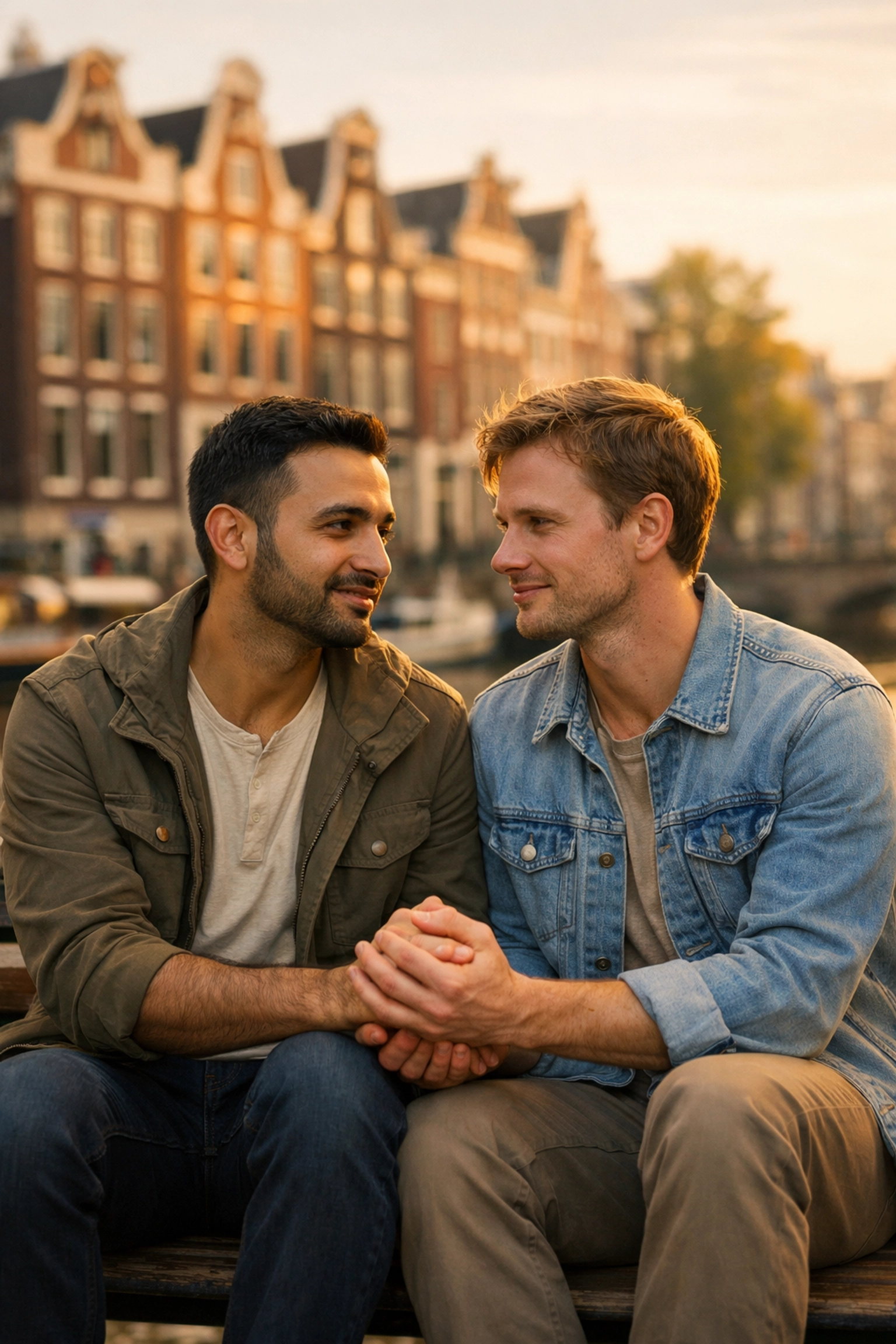
Amsterdam offered freedoms Baghdad never could. He could walk hand-in-hand with another man without fearing death. He could visit gay bars, attend Pride events, live openly. But freedom came with ghosts.
Post-traumatic stress manifested in unexpected ways. Karim couldn't sleep without nightmares. Loud noises sent him into panic. He flinched at Arabic voices in public, terrified of being recognized. The body keeps score, and Karim's body remembered every moment of fear.
The Long Road to Healing
Integration and healing happen slowly. Karim enrolled in Dutch language courses, where he met other asylum seekers with similar stories: from Chechnya, Uganda, Iran, Saudi Arabia. Each had crossed their own red lines, fleeing countries where their existence was criminal.
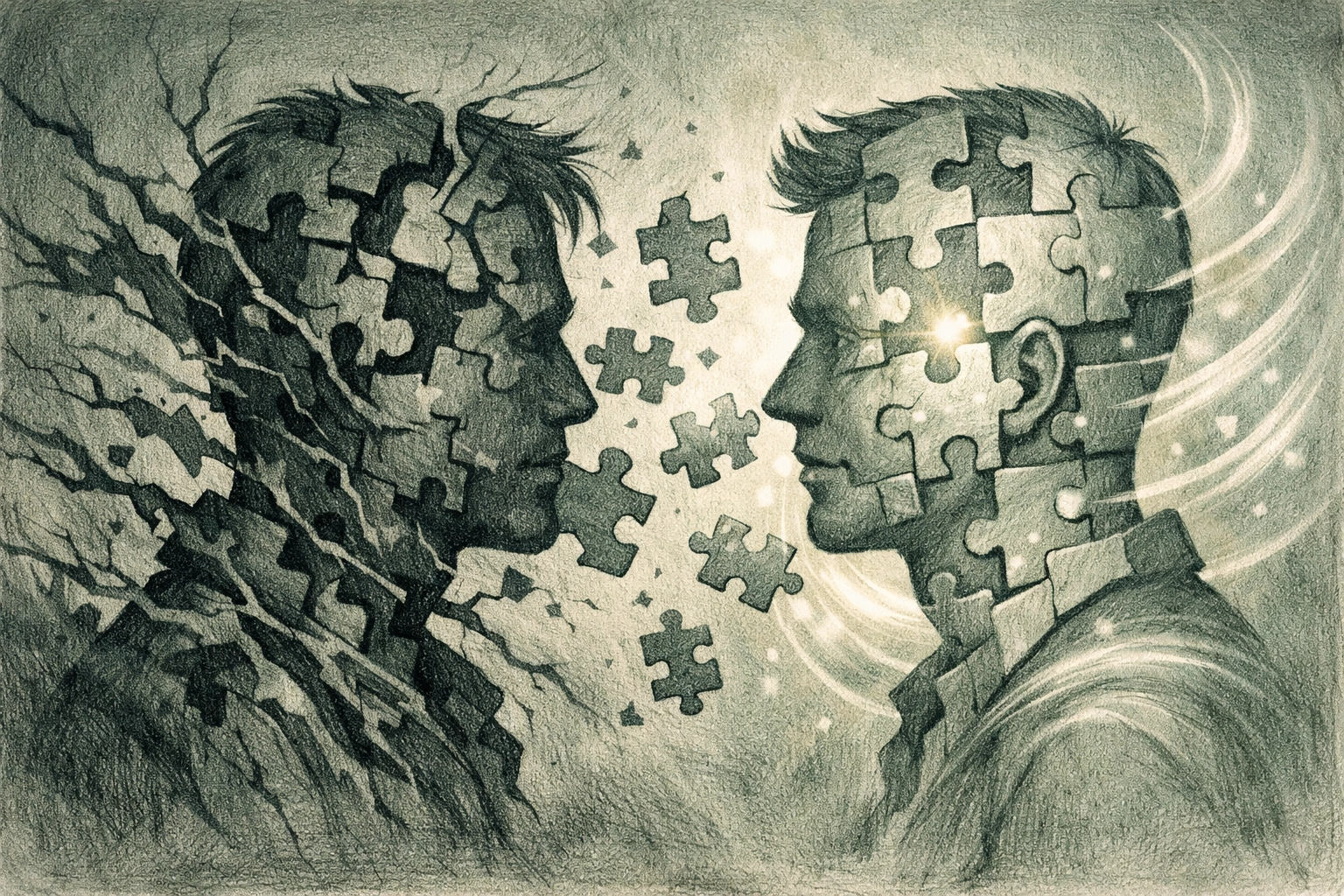
He found therapy through an LGBTQ+ refugee organization, where counselors understood the unique trauma of fleeing your homeland because of who you love. He discovered gay contemporary romance novels that reflected his experience: stories of refugees rebuilding lives, finding love after trauma, creating new identities from broken pieces.
The collections at Read with Pride became therapeutic tools, showing him that his story wasn't unique, that survival was possible, that happiness could be reclaimed. Books like "The Divided Sky" resonated deeply: stories of secrets, separation, and the cost of living authentically.
The Scars We Carry
Three years after arriving in Amsterdam, Karim has built a new life. He works at a tech startup, shares an apartment with his Dutch boyfriend, and visits his favorite café in De Pijp every Sunday. To outsiders, he's integrated successfully.
But the scars remain. He still can't tell his family the real reason he left. He monitors Iraqi news compulsively, grieving for those who remain trapped. He carries survivor's guilt: why did he make it when Omar didn't? Why was he lucky enough to have resources to escape when thousands of others remain in danger?
Healing isn't linear. Some days, Karim feels fully Dutch, fully free. Other days, Baghdad haunts him. He's learned that you can escape a country but not your memories. The red lines of Baghdad followed him across borders, etched into his psyche.
Why These Stories Matter
Karim's story represents millions of untold narratives. According to human rights organizations, LGBTQ+ asylum seekers face unique challenges proving their persecution claims, often required to provide "evidence" of their sexual orientation to skeptical immigration officials. Many never make it out.
This is why LGBTQ+ fiction and gay novels matter. They provide windows into experiences that mainstream media ignores. They offer hope to those still trapped in hostile countries and validation to survivors rebuilding their lives. MM romance books aren't just entertainment: they're lifelines showing that happy endings are possible.
The gay literature collection at Read with Pride includes stories of resilience, survival, and hope specifically crafted for readers who've lived through persecution or who seek to understand these experiences.
What You Can Do
Support LGBTQ+ refugees by donating to organizations that facilitate escapes, provide legal aid, and offer integration services. Amplify their stories. Challenge your government to accept more LGBTQ+ asylum seekers. Remember that in 60+ countries, being gay remains punishable by imprisonment or death.
And read their stories. Engage with queer fiction that centers refugee experiences. Understanding begins with empathy, and empathy begins with listening.
Read with Pride – Because every love story deserves to be told, and every survivor deserves to be heard.
Follow us on social media:
Instagram: @dickfergusonwriter
X/Twitter: @DickFergus94902
Facebook: Dick Ferguson Writer
Visit us: ReadWithPride.com | Dick Ferguson Writer
#ReadWithPride #LGBTQRefugees #GayRomance #MMRomance #QueerFiction #LGBTQBooks #GayFiction #RefugeeStories #HumanRights #LGBTQAsylum #GayLiterature #MMNovels #ReadingWithPride #LGBTQRights #GayBooks #QueerLiterature #SurvivalStories #MMContemporary #LGBTQFiction #GayNovels

Leave a Reply
You must be logged in to post a comment.