

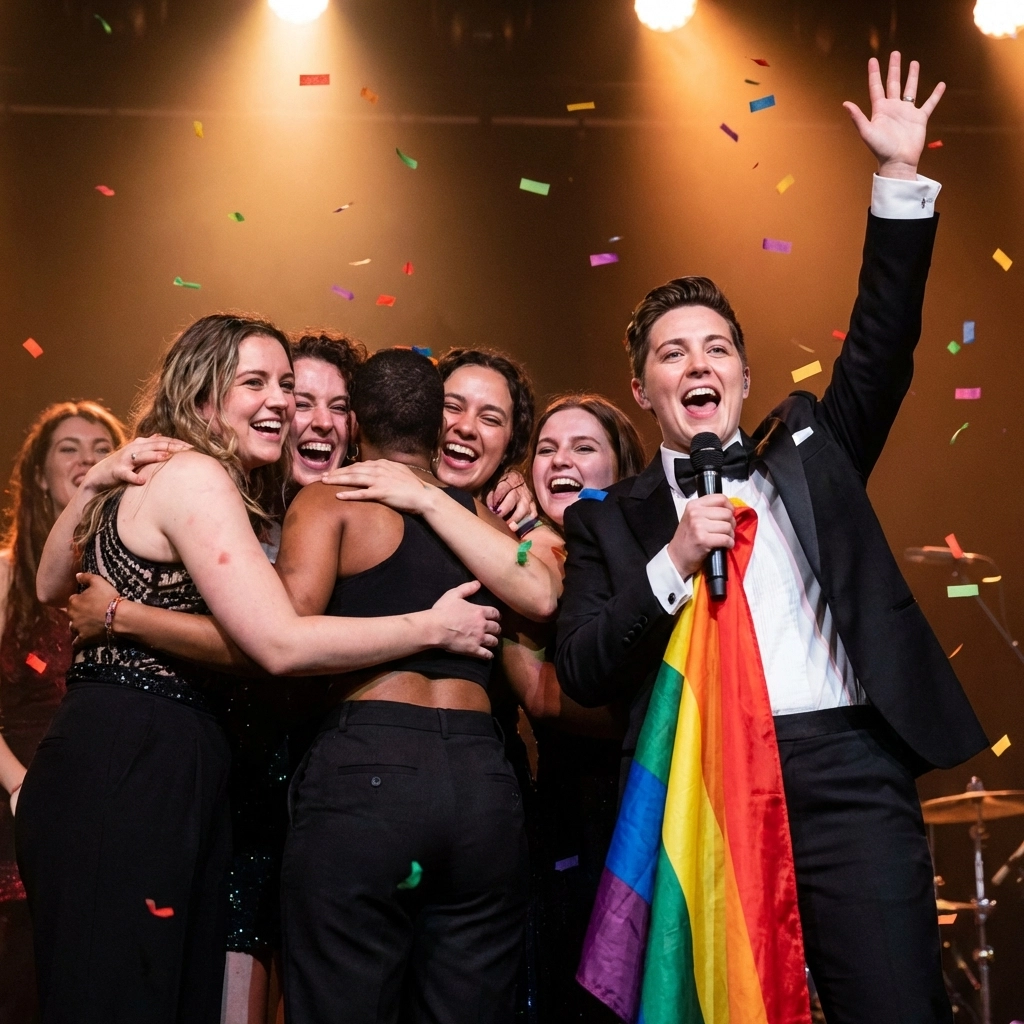
There are Eurovision moments that sparkle with sequins and pyrotechnics, and then there are moments that hit you straight in the chest with nothing but raw, unfiltered truth. Marija Šerifović's 2007 performance of "Molitva" was the latter: a vocal powerhouse wrapped in authenticity that didn't just win the contest, it claimed space for something real in a competition often known for its glittery excess.
When Marija walked onto that Helsinki stage, dressed in a simple black suit, short hair slicked back, and planted her feet like she owned every inch of that floor, something shifted. No costume changes. No backing dancers. No gimmicks. Just a woman, a microphone, and a song that translated to "Prayer" in English: and honey, did she deliver it like one.
The Power of Standing Still
In a contest where movement is currency and spectacle is king, Marija did something radical: she barely moved at all. While other contestants danced, twirled, and threw everything including the kitchen sink at their three minutes, Marija stood there and sang. And that voice? That voice could crack open mountains.
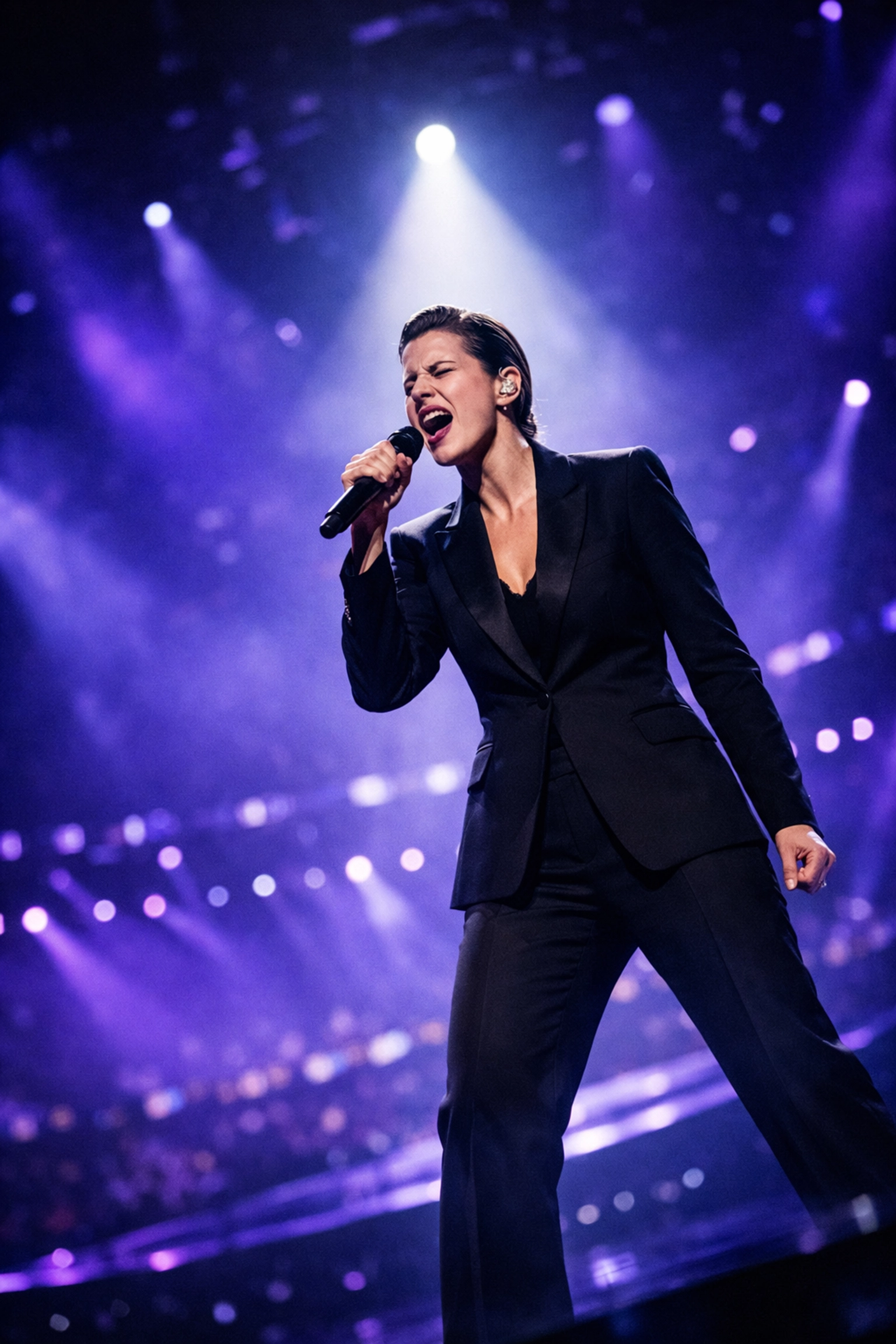
The song itself, written in Serbian, carried an emotional weight that transcended language barriers. You didn't need to understand every word to feel the longing, the devotion, the ache of it. "Molitva" built slowly, deliberately, reaching a crescendo that felt less like a performance technique and more like witnessing someone's soul pouring out in real-time.
The queer community saw something in that performance that went beyond the competition itself. Here was a woman who refused to perform femininity in the expected way, who claimed masculine presentation without apology, and who channeled emotion with a kind of vulnerability that felt brave. In 2007, that mattered. It still matters.
Authenticity as Resistance
Let's be real: Eurovision has always been a haven for LGBTQ+ fans, but 2007 was still a different time. Many European countries were years away from marriage equality. Queer visibility was growing, but authentic representation? That was still fighting for space.
Marija didn't wave a rainbow flag or make a political statement. She didn't need to. Her very presence: butch, powerful, unapologetically herself: was the statement. For queer women especially, seeing someone who looked like them, dressed like them, performed gender like them on one of Europe's biggest stages? That was everything.
The gay romance novels we love at Readwithpride.com often explore the power of being seen, of finding yourself reflected in stories that matter. Marija's victory was a real-life chapter in that narrative: proof that authenticity could win, that you didn't have to sand down your edges to be celebrated.
The Victory That Shook Europe
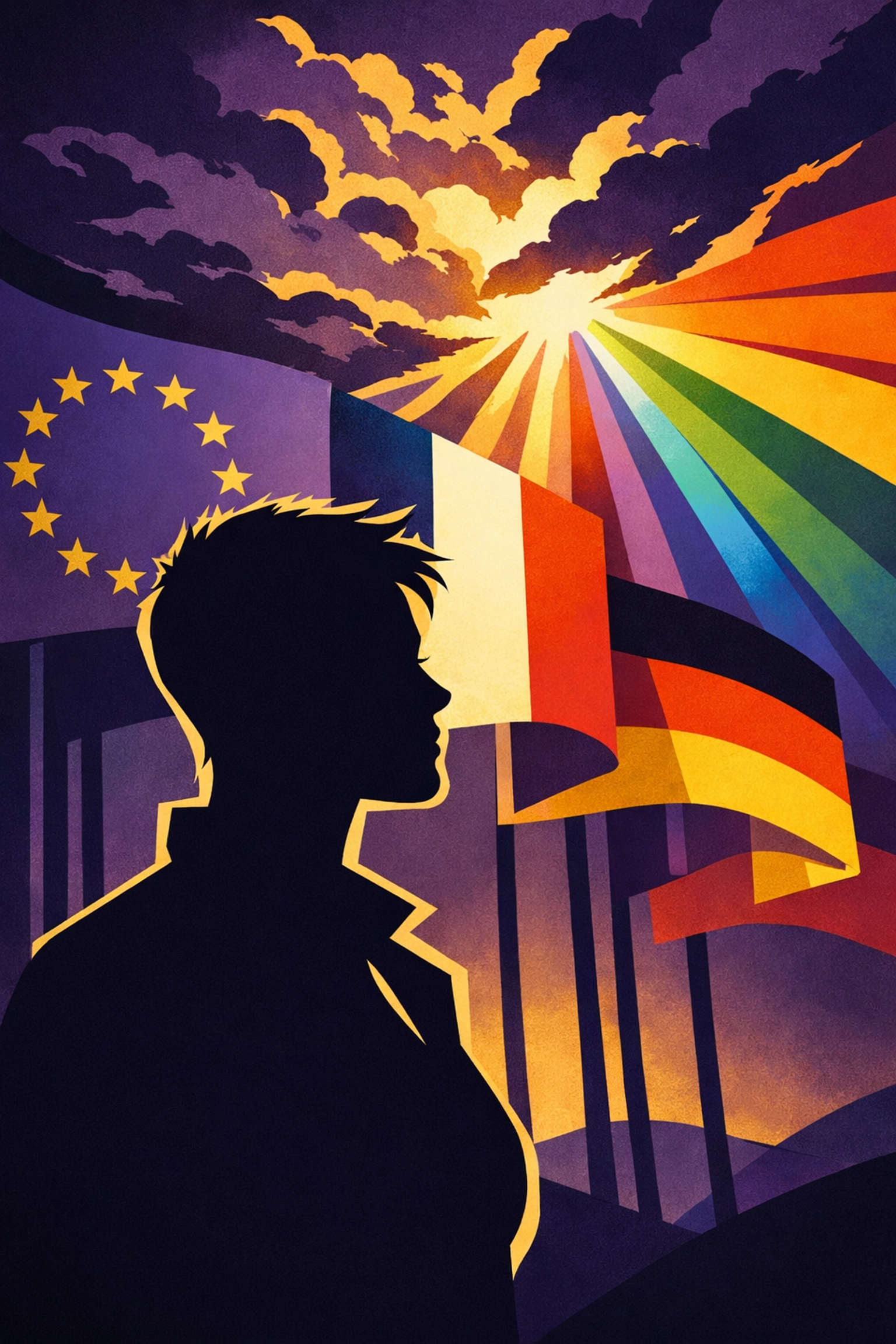
When the points rolled in and Serbia topped the scoreboard with 268 points, it wasn't just a win for Marija or for Serbia: it was validation for everyone who'd ever felt like they had to perform a version of themselves that didn't quite fit. The MM romance community understands this deeply; it's why stories about characters finding the courage to be themselves resonate so powerfully.
The victory brought Eurovision 2008 to Belgrade, marking a historic moment for Serbian culture on the international stage. But more than that, it proved that emotional honesty and authentic presentation could triumph over polish and pretense. In a competition often criticized for being all style over substance, "Molitva" was pure substance delivered with style that didn't compromise its core.
Why It Still Matters
Nearly two decades later, Marija's performance remains a touchstone for LGBTQ+ Eurovision fans. It's referenced in conversations about authentic queer representation, about the power of claiming space without explanation or justification, about the way art can communicate what words sometimes can't.
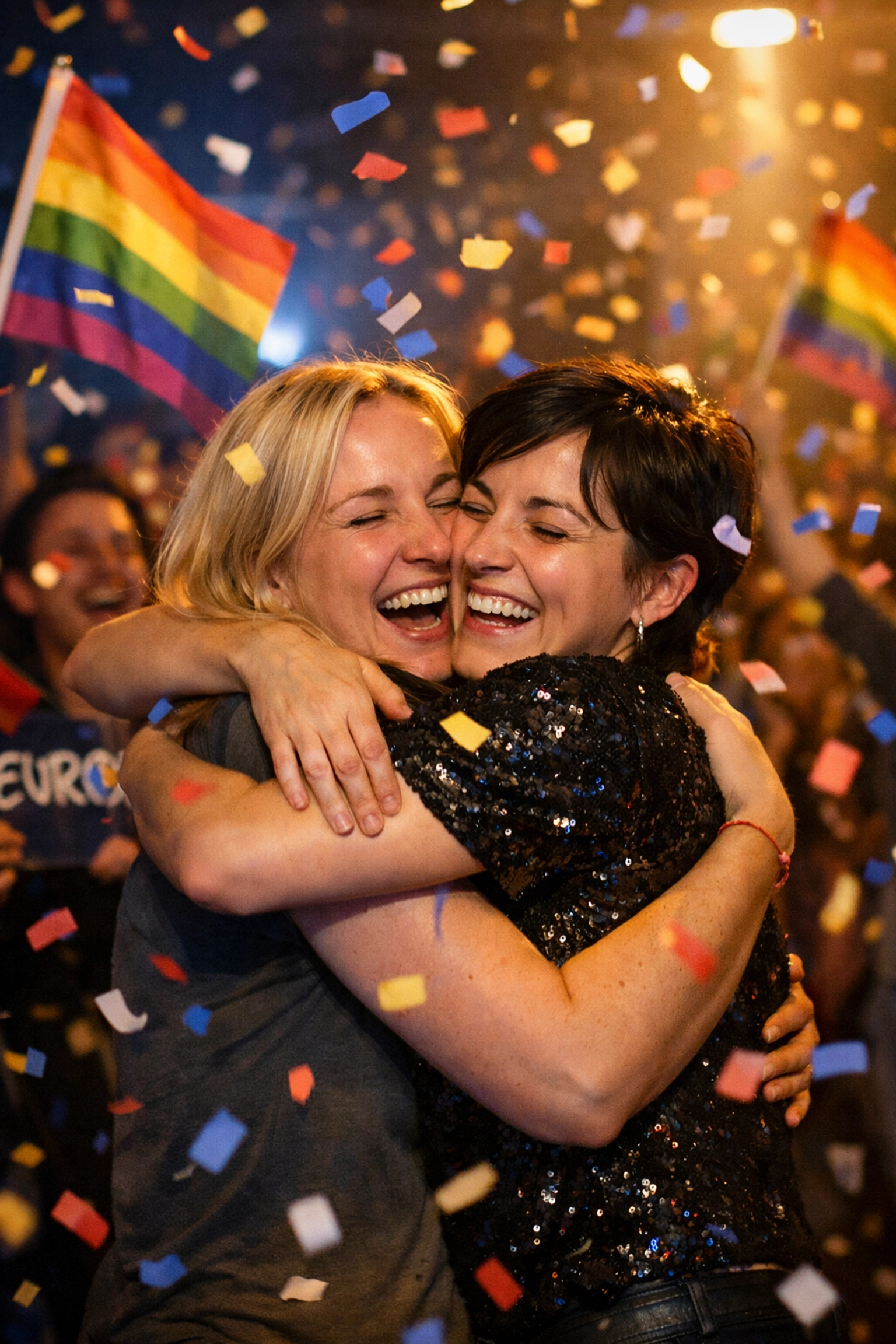
The queer community has always found its icons in unexpected places: in the artists who might not explicitly claim the label but whose presence, whose defiance of norms, whose refusal to perform for the straight gaze creates space for all of us. Marija stands in that tradition alongside the likes of k.d. lang, Tegan and Sara, and so many others who simply showed up as themselves and changed the game by doing so.
For readers who love gay fiction and LGBTQ+ literature, Marija's story hits the same notes as the best queer narratives: the journey to self-acceptance, the courage to be visible, the power of finding your voice and refusing to modulate it for anyone else's comfort. These are the themes that make MM romance books and gay romance novels resonate: because they reflect the real struggles and triumphs of living authentically in a world that doesn't always make space for us.
The Emotional Architecture of "Molitva"
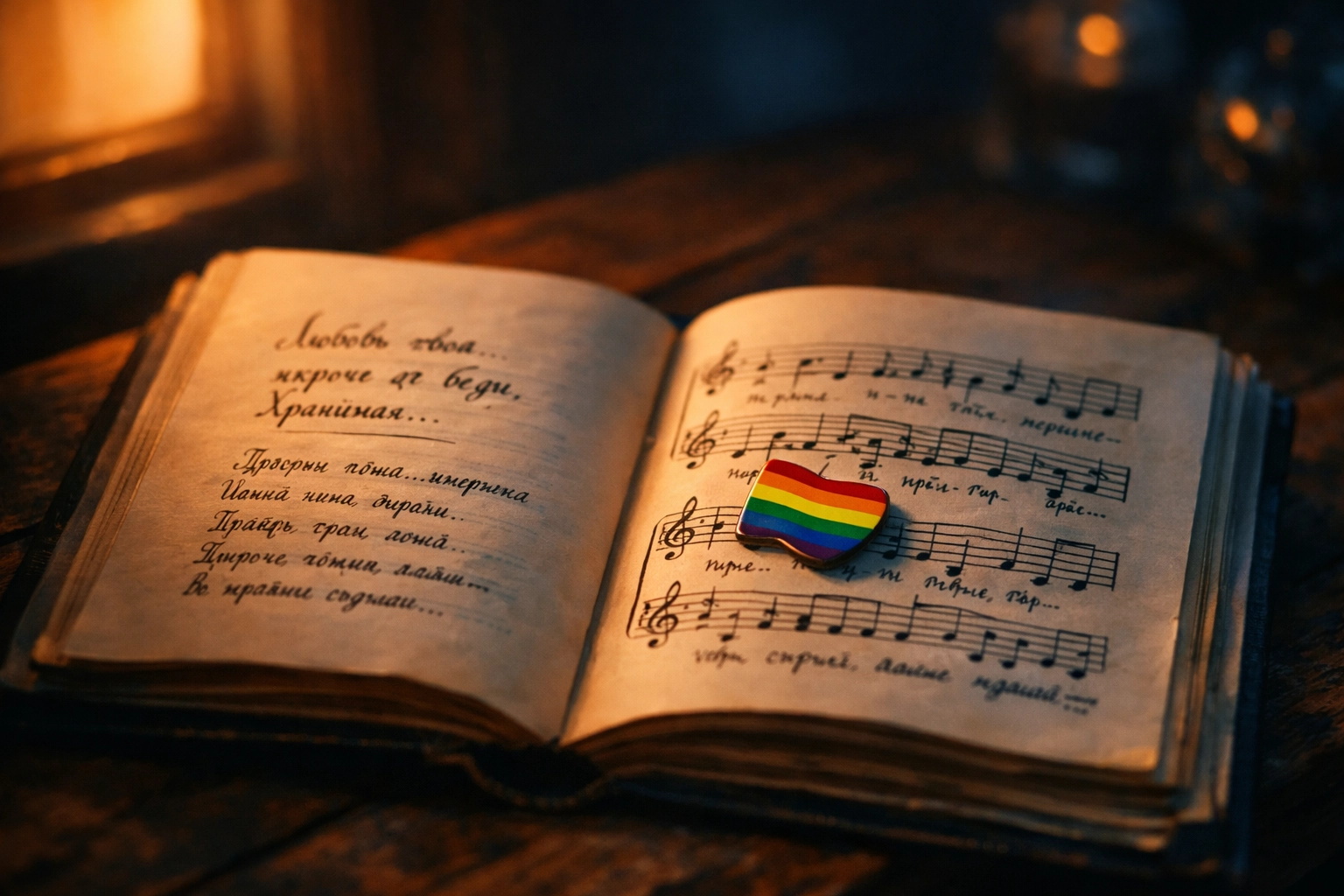
What made "Molitva" work wasn't just Marija's presence or the power of her voice: it was the song itself. Written with a structure that built from whisper to roar, it gave Marija the canvas to showcase not just technical skill but emotional range. The lyrics spoke of prayer, of longing, of a devotion so deep it bordered on spiritual: themes that resonate deeply with anyone who's ever loved with their whole heart, especially those of us whose love has been called anything but holy.
The queer experience is often one of finding the sacred in places the mainstream deems profane. We create our own rituals, our own prayer languages, our own ways of calling love holy when the world insists otherwise. "Molitva" tapped into that: accidentally or intentionally: and queer fans heard the echo of their own experiences in every note.
Legacy Beyond the Contest
Eurovision 2007 gave us more than just a great song and a deserving winner. It gave us a moment that crystallized something important about representation and authenticity. In the years since, Eurovision has become increasingly explicit in its embrace of LGBTQ+ themes: from Conchita Wurst's transformative 2014 victory to the countless rainbow flags that now wave in every audience: but Marija's win represented something subtler and perhaps more radical: the victory of simply being, without explanation or performance of acceptability.
For those of us who consume and create LGBTQ+ fiction, who seek out gay love stories and MM novels that reflect our experiences, this matters. The best queer fiction doesn't always announce itself with megaphones: sometimes it's in the quiet moments of recognition, the subtle defiance of expectations, the character who simply exists in their truth without apology.
Finding Ourselves in the Performance
When you watch that 2007 performance now, knowing all that came after, it hits differently. You can see why it mattered, why it still matters. Marija didn't just sing a song: she claimed space, demanded to be seen on her own terms, and won by refusing to compromise who she was.
That's the story we keep telling in gay romance books and queer literature: because it's the story we live every day. It's why Read with Pride exists, why MM romance matters, why authentic LGBTQ+ representation in every medium continues to be essential. We need to see ourselves winning, not despite our authenticity but because of it.
Discover more stories that celebrate LGBTQ+ authenticity and love at Readwithpride.com and follow our journey on Facebook, Instagram, and X.
#Eurovision #LGBTQ #QueerCulture #Molitva #MarijaSerifovic #ReadWithPride #GayRomance #MMRomance #QueerHistory #LGBTQRepresentation #EurovisionHistory #AuthenticityWins #QueerIcons #LGBTQBooks #GayFiction #PrideInMusic #EurovisionLegends #QueerVisibility #MMBooks #GayLoveStories

Leave a Reply
You must be logged in to post a comment.