

When Paradise Becomes Prison
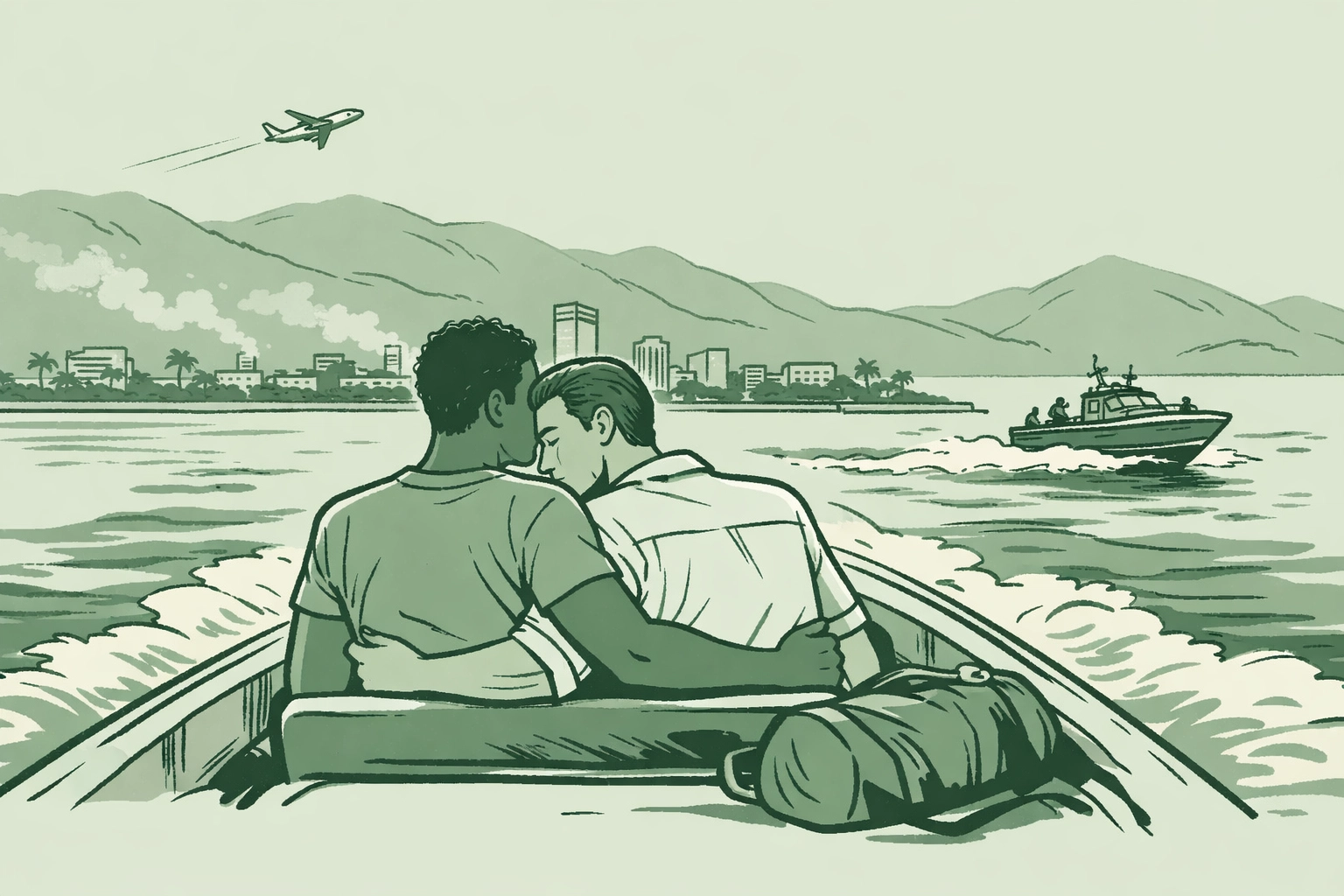
Jamaica criminalizes same-sex intimacy. The law carries a sentence of up to 10 years of hard labor. But the real danger isn't just the statute books: it's the violence, the threats, the silent terror of living in a place where your existence is treated as criminal.
Kingston's vibrant culture, reggae rhythms, and stunning beaches mask a darker reality for LGBTQ+ individuals. In Jamaica and across much of the Caribbean, being gay means living in fear. It means hiding who you are, watching every gesture, monitoring every word. It means knowing that discovery could lead to assault, family rejection, or worse.
Over 71 million LGBTQ+ people worldwide live in nations where their identity is criminalized. Jamaica is one of more than 60 countries that still punish same-sex relationships. For those who call Kingston home, the choice becomes stark: stay silent and survive, or escape to find your voice.
The Reality of Living Under Criminalization
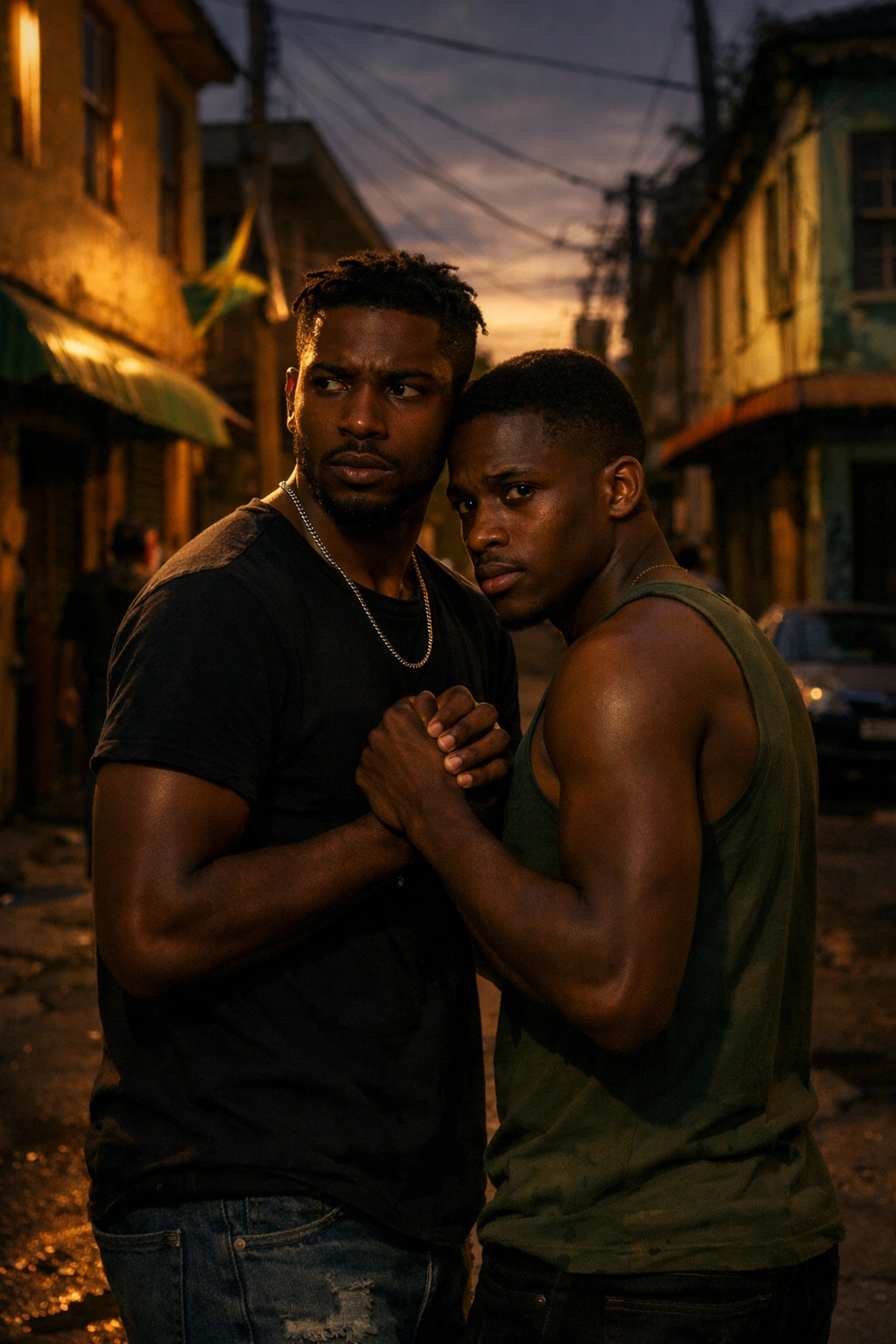
Marcus left Kingston at 24. He'd spent six years hiding relationships, lying to family, and avoiding certain neighborhoods after dark. "You learn to read a room instantly," he explains. "You learn which friends you can trust and which family members you can never tell. You become an expert at being invisible."
The economic emigration from Jamaica, well documented in research showing 60% of migrants cite financial reasons: tells only part of the story. Behind those statistics are LGBTQ+ individuals for whom leaving isn't about opportunity. It's about survival.
Jamaica has developed one of the Caribbean's largest diasporas, with over one million emigrants worldwide. Within that number are countless stories like Marcus's: people who left not just for better wages but for the fundamental right to exist without fear.
The violence is real. LGBTQ+ individuals in Jamaica face physical attacks, mob violence, and what activists call "corrective rape." Police protection is minimal or non-existent. Family rejection is common. Employment discrimination is legal. Housing discrimination goes unchallenged.
The Journey to Safety
The destinations for those escaping LGBTQ+ persecution mirror traditional migration patterns: the United States, Canada, and the United Kingdom. But the journey carries unique challenges.
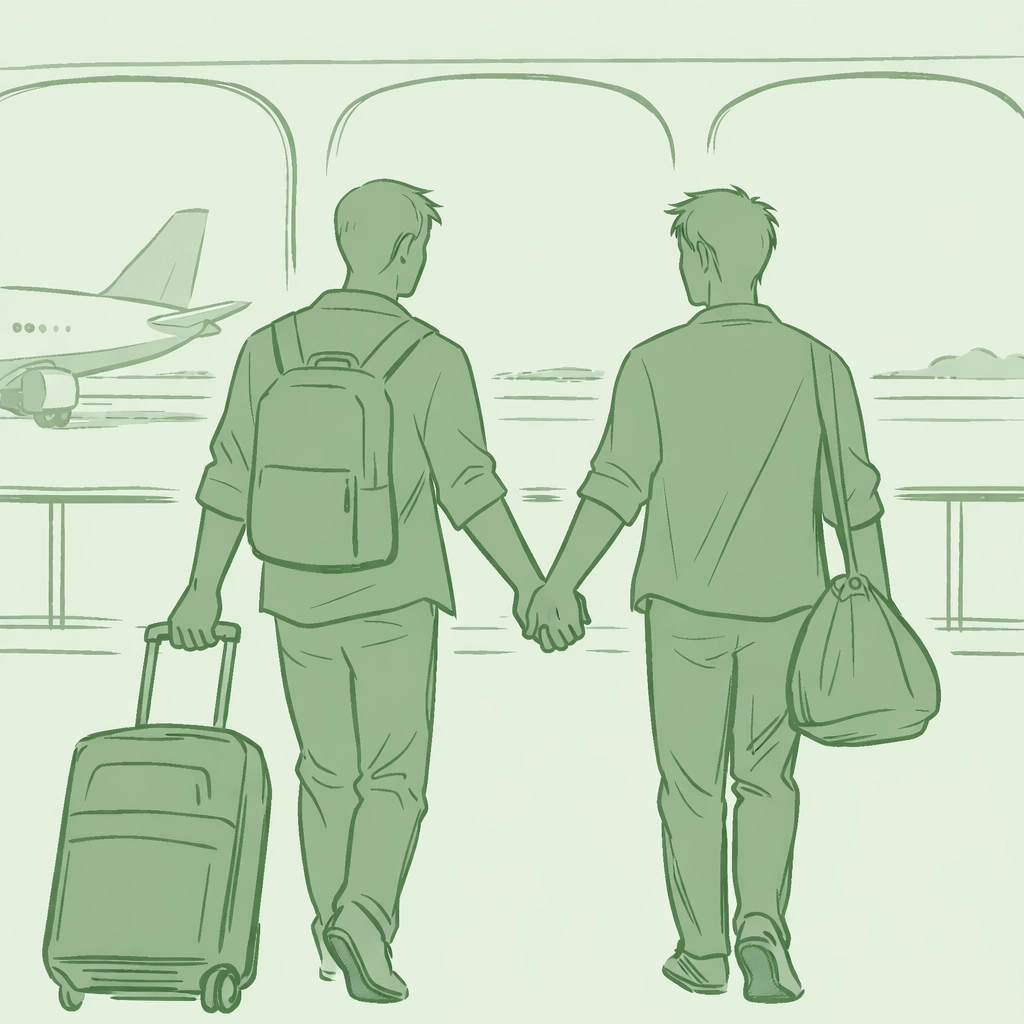
Asylum claims based on sexual orientation require proof: documentation of persecution, evidence of identity, corroboration of threats. For people who've spent years hiding their truth, producing this evidence means risking exposure before they've reached safety.
The United States and Canada have established procedures for LGBTQ+ asylum seekers. Between 1971 and 1980, Jamaican migration to the US nearly doubled to 140,000. Today, San Francisco, Toronto, New York, and London host substantial communities of Caribbean LGBTQ+ refugees who've found sanctuary in cities with legal protections and established support networks.
But the process takes time. Applicants wait months or years for hearings. They navigate complex legal systems in foreign countries. They live in limbo, unable to work legally while their cases process, separated from everything they've known.
Finding Voice in San Francisco
San Francisco represents more than a destination for LGBTQ+ refugees. It represents possibility: the chance to live openly for the first time, to build relationships without fear, to walk down streets holding hands without calculating the risk.
The city's Castro district, with its rainbow flags and decades of LGBTQ+ activism, offers visibility that's impossible in Kingston. Support organizations provide housing assistance, legal aid, job training, and mental health services specifically designed for LGBTQ+ immigrants and refugees.
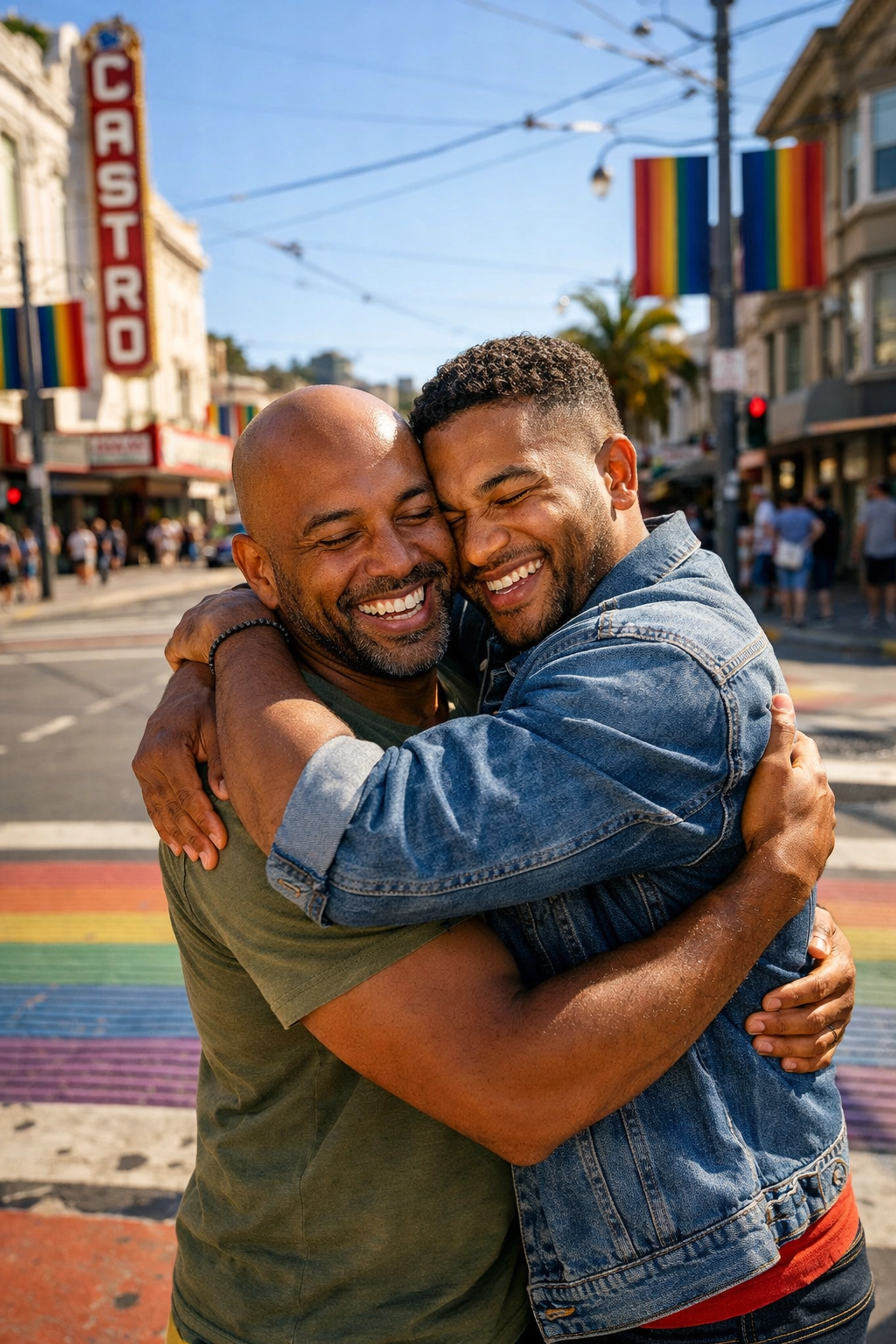
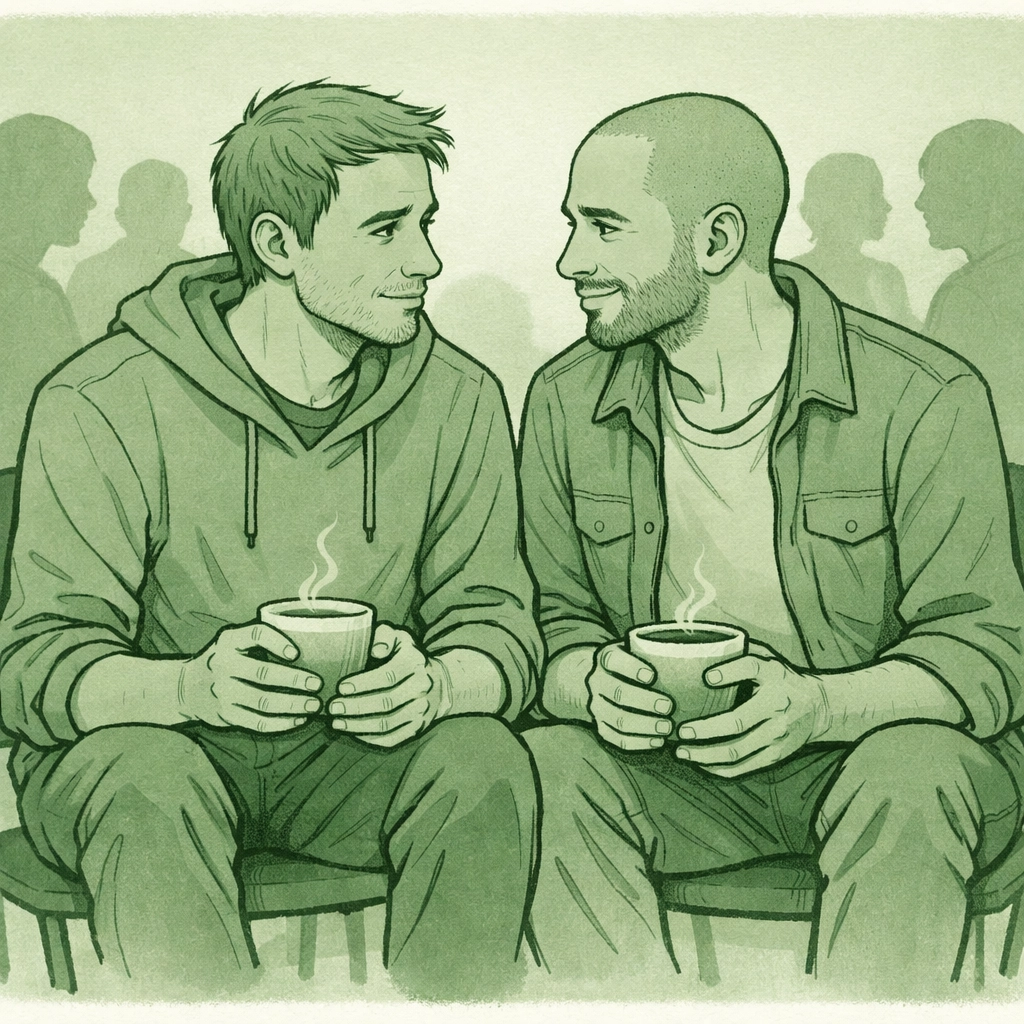
Marcus found community at the San Francisco LGBT Community Center within weeks of arrival. "I spoke about Jamaica in a support group, and I wasn't alone," he says. "There were people from Uganda, from Iran, from Russia. We'd all fled for the same reason. For the first time, I didn't have to explain or justify. They understood."
The healing that follows years of hiding and fear takes time. Therapists who specialize in refugee trauma note that many LGBTQ+ asylum seekers experience PTSD, depression, and anxiety. The constant vigilance required to survive in hostile environments leaves psychological scars that don't vanish the moment someone crosses into safety.
But community accelerates healing. Support groups, social organizations, and chosen family structures help newcomers rebuild lives. San Francisco Pride becomes a revelation: hundreds of thousands celebrating openly what had to be hidden back home.
Stories That Need Telling
At Read with Pride and eBooks by Dick Ferguson, we believe these stories matter. LGBTQ+ literature provides windows and mirrors: windows for those who haven't experienced persecution to understand what others endure, and mirrors for those who've lived it to see their experiences reflected and validated.
Our collection includes narratives of resilience, escape, and found family. The Phoenix of Ludgate explores rebuilding after trauma. Beyond Boundaries examines love that defies geographic and cultural constraints. On a Steady Course follows characters finding direction after upheaval.
Gay fiction, MM romance, and queer literature create space for stories that mainstream publishing often overlooks. They validate experiences of LGBTQ+ people worldwide who see themselves in characters who've survived, escaped, and thrived.
The Ongoing Crisis
While Marcus builds his new life in California, the situation in Kingston hasn't improved. Jamaica's Parliament has repeatedly rejected proposals to repeal or reform anti-LGBTQ+ laws. Advocacy organizations report increasing violence against LGBTQ+ individuals, emboldened by legal and social impunity.
The Caribbean isn't unique. Over 60 countries maintain criminalization. In some nations, same-sex relationships carry death penalties. In others, the punishment is imprisonment, hard labor, or forced psychiatric treatment. Millions live where being gay is literally illegal.
The digital age creates new dangers and new possibilities. Social media allows LGBTQ+ people in hostile environments to connect privately with communities abroad. But it also enables harassment, exposure, and coordinated attacks. Dating apps become surveillance tools. Online profiles become evidence in prosecutions.
What Community Means
The healing power of community: emphasized in Marcus's story: cannot be overstated. Years of isolation, hiding, and fear create profound loneliness. Finding people who understand, who've lived similar experiences, who won't judge or expose you fundamentally transforms recovery.
San Francisco's LGBTQ+ community includes substantial populations from countries where homosexuality is criminalized. Caribbean immigrants connect with refugees from Africa, the Middle East, and Eastern Europe. Support networks provide practical assistance: housing leads, job referrals, legal clinic connections.
But they provide something more essential: belonging. The experience of being welcomed into a community after years of rejection, of being celebrated after years of shame, of being protected after years of vulnerability creates foundation for rebuilding lives.
Reading with Pride, Living with Pride
LGBTQ+ books offer more than entertainment. For refugees and immigrants, they provide representation, education, and comfort. Gay romance novels show happy endings that seem impossible back home. MM fiction creates worlds where love between men is normal, celebrated, protected.
Explore our full collection of gay fiction, MM romance, and LGBTQ+ literature. Discover stories of survival, resilience, and love that transcends borders at readwithpride.com.
For every person who escapes Kingston or any other city where being gay is criminalized, countless others remain trapped. Their stories need telling. Their experiences need witnessing. Their humanity needs affirming.
Gay books, queer fiction, and MM novels contribute to that affirmation. They insist that LGBTQ+ lives matter, that same-sex love deserves celebration, that no one should have to flee their home to be themselves.
Marcus now volunteers with an organization helping newly arrived LGBTQ+ asylum seekers. "I want them to know what I didn't: that community exists, that healing is possible, that you can build a life where you don't have to hide," he explains. "San Francisco gave me my voice back. Now I use it to help others find theirs."
Follow us on social media:
Instagram: @dickfergusonwriter
X/Twitter: @DickFergus94902
Facebook: Dick Ferguson Writer
Website: www.readwithpride.com
#ReadWithPride #LGBTQAsylum #CaribbeanLGBTQ #GayRefugees #MMRomance #QueerFiction #LGBTQBooks #GayFiction #ReadingWithPride #LGBTQRights #JamaicaLGBTQ #EscapeToFreedom #GayLiterature #LGBTQEbooks #QueerStories #MMBooks #GayNovels #LGBTQCommunity #AsylumStories #WriteWithPride

Leave a Reply
You must be logged in to post a comment.