

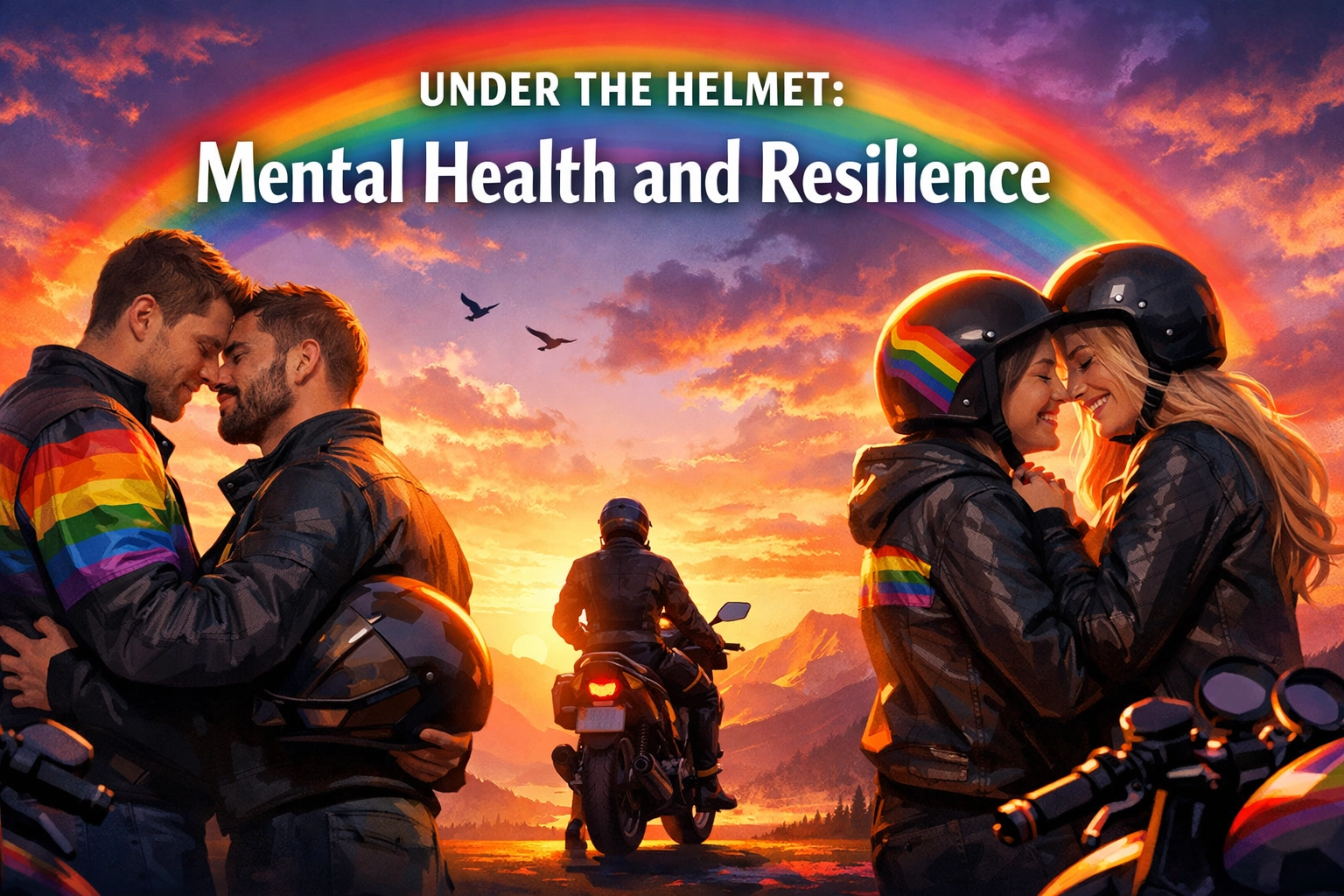
They run into burning buildings when everyone else runs out. They respond to calls that would break most people. They carry the weight of lives saved and lives lost. But who catches them when they fall?
For LGBTQ+ first responders: firefighters, paramedics, police officers, and emergency medical personnel: the pressure cooker of frontline service comes with an extra layer of complexity. The mental health challenges faced by all first responders are real and documented, but when you add navigating queer identity in traditionally heteronormative environments, the psychological toll multiplies.
Let's talk about what's really happening under those helmets.
The Double Burden
First responders already face extraordinary mental health challenges. Studies show they experience PTSD at rates significantly higher than the general population. The constant exposure to trauma, violence, death, and human suffering creates psychological wounds that accumulate over time like layers of scar tissue.
Now add being queer in professions that have historically been bastions of hypermasculinity and traditional gender roles. The firehouses, stations, and squad rooms weren't exactly designed with rainbow flags in mind. Many LGBTQ+ first responders describe feeling like they're wearing two uniforms: the official one and the mask they put on to navigate workplace dynamics.
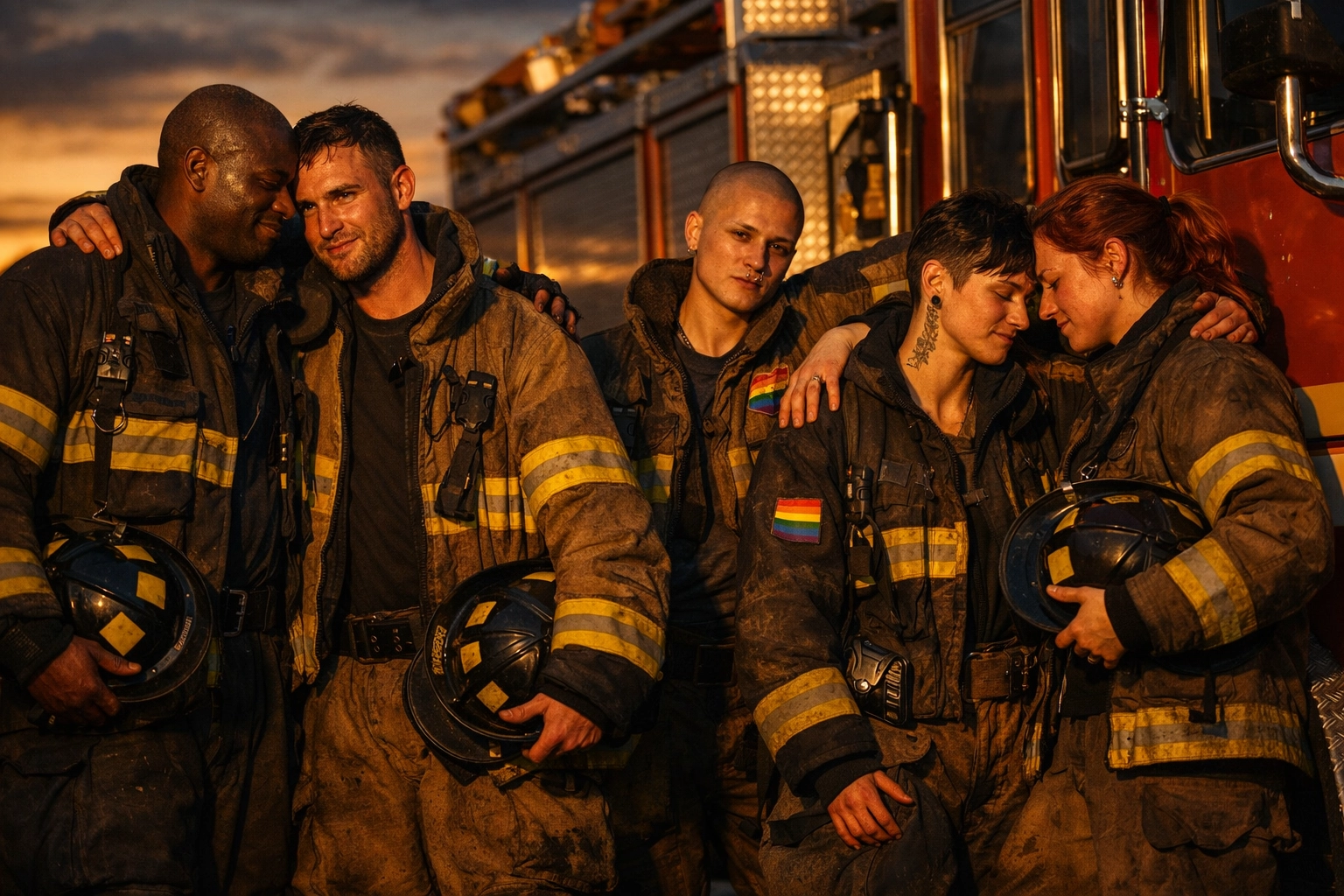
The statistics are sobering. First responders are already at elevated risk for depression, anxiety, substance abuse, and suicide. But queer first responders face additional stressors: workplace discrimination, isolation from both the LGBTQ+ community (due to profession) and straight colleagues (due to identity), and the exhausting mental load of code-switching between worlds.
The Trauma Behind the Badge
What makes first responder mental health so challenging is the nature of the work itself. Unlike single traumatic events, first responders experience repeated, cumulative exposure to human suffering. This creates what's known as moral injury: when someone is forced to witness or participate in events that violate their core values and sense of purpose.
For queer first responders, this can be even more complex. Imagine responding to a domestic violence call in an LGBTQ+ household and being unable to acknowledge your understanding of the dynamics. Or working in a station where homophobic jokes are casual conversation, then rushing to save someone's life regardless of who they love. The cognitive dissonance takes its toll.
One firefighter described it as "carrying two different weights: the stuff from the job that nobody should have to see, and the weight of pretending you're someone you're not while you're processing it all."
Breaking the Silence
The culture of first response has traditionally been about toughness, resilience, and never showing weakness. "Suck it up" isn't just advice; it's been an operational philosophy. But this culture of silence has been deadly, contributing to alarmingly high suicide rates among first responders.
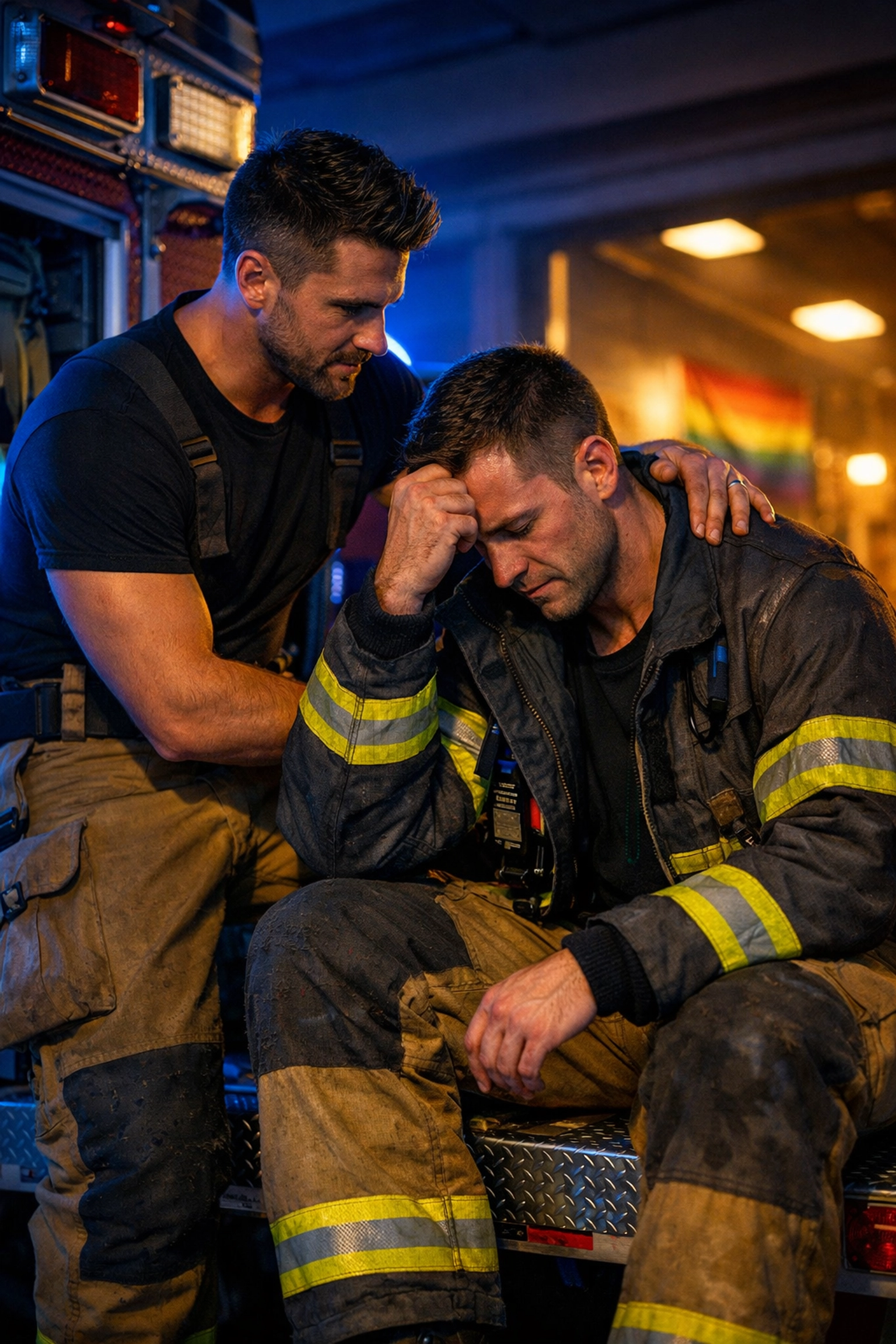
Slowly, that's changing. Peer support programs, mental health training, and wellness initiatives are becoming more common. But for LGBTQ+ first responders, the question remains: can they access these resources without fear of judgment or discrimination?
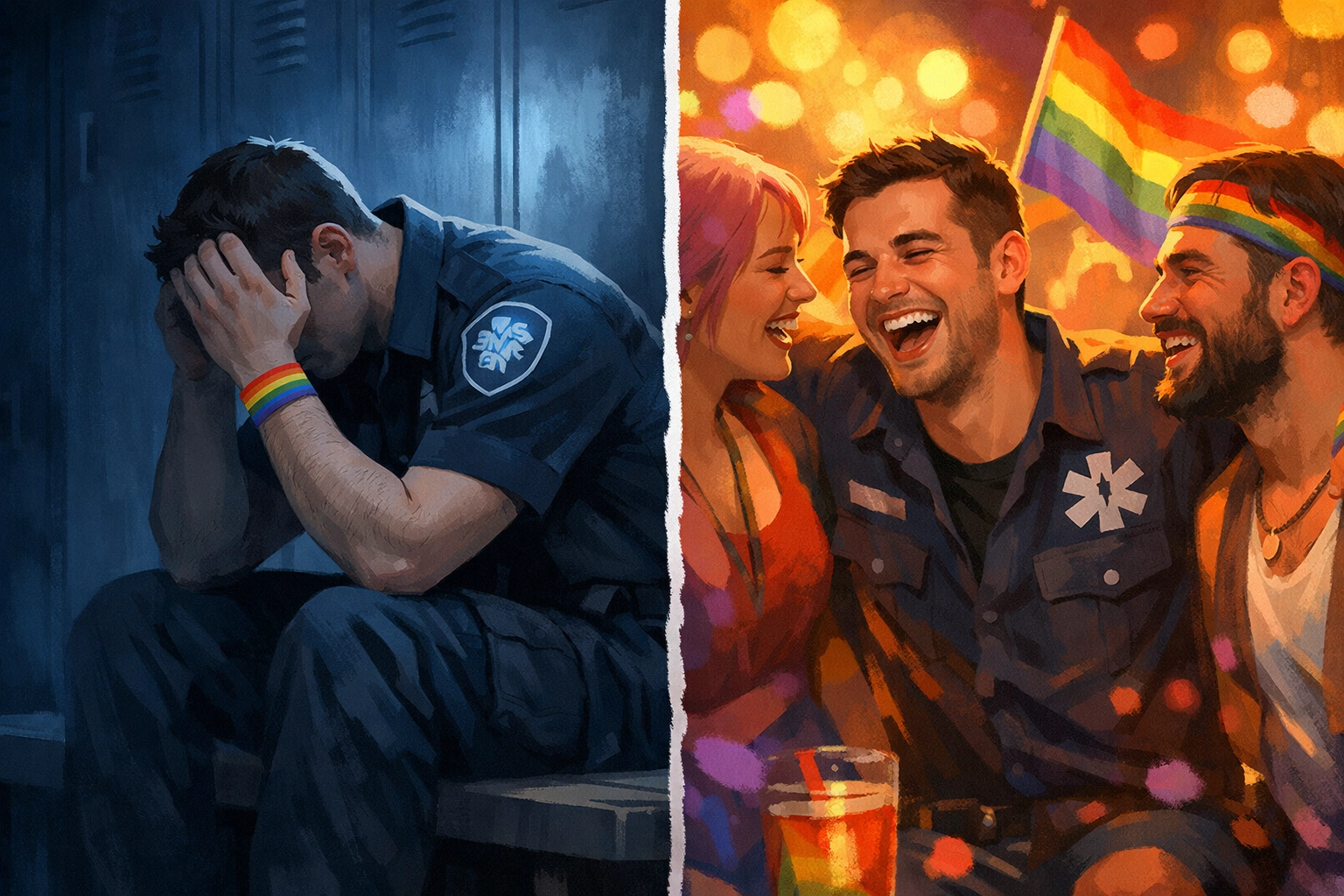
Progressive departments are starting to create inclusive support systems. Some have established LGBTQ+ affinity groups where queer first responders can connect with colleagues who share their experiences. Others have brought in mental health professionals specifically trained in both first responder trauma and LGBTQ+ issues.
The key is creating spaces where vulnerability isn't weakness, and authenticity isn't a risk to your career.
The Nervous System Under Stress
Understanding the physiology of trauma is crucial. When first responders are repeatedly exposed to high-stress situations, their nervous systems can get stuck in survival mode. The brain's threat detection system becomes hypervigilant, constantly scanning for danger even during downtime.
For queer first responders managing dual identities, this hypervigilance compounds. You're not just watching for physical threats on the job: you're also monitoring social cues, gauging whether it's safe to be yourself, calculating risks in every interaction.
The body keeps the score, as trauma expert Bessel van der Kolk famously wrote. Chronic stress rewires neural pathways, affects sleep, impacts relationships, and can lead to burnout or breakdown. Recovery requires working with your nervous system, not against it: learning to recognize when you're dysregulated and having tools to recalibrate.
Finding Support and Community
The good news? More resources exist now than ever before. National organizations like the Firefighter Behavioral Health Alliance and First Responder Support Network are expanding to include LGBTQ+-specific programming. Online communities provide anonymous spaces for queer first responders to share experiences and strategies.
Mental health apps designed specifically for first responders now include modules on managing identity-related stress. Some departments are partnering with LGBTQ+ organizations to provide culturally competent mental health services. And importantly, more queer first responders are speaking openly about their experiences, creating visibility and normalizing conversations about mental health.
The Read with Pride community understands the power of representation. Just as MM romance books and gay fiction provide mirrors for queer experiences in love and relationships, stories about LGBTQ+ first responders: whether in memoirs, fiction, or podcasts: remind people they're not alone.
Practical Resilience Tools
What actually helps? Evidence-based strategies for first responder mental health include:
Breathing techniques that activate the parasympathetic nervous system and signal safety to the body. Box breathing, tactical breathing, and other regulated patterns can interrupt the stress response cycle.
Rhythm and routine provide structure that helps an overwhelmed nervous system feel grounded. Regular sleep schedules, consistent exercise, and predictable self-care routines create psychological anchoring.
Social connection is perhaps the most powerful protective factor. Finding your people: whether that's other queer first responders, LGBTQ+ community members, or allies who truly get it: provides the relational safety necessary for healing.
Professional support from therapists who understand both first responder trauma and LGBTQ+ issues. EMDR, somatic experiencing, and cognitive processing therapy have shown particular effectiveness for trauma treatment.
Creative expression offers outlets for processing experiences that don't fit neatly into words. Many first responders find relief through art, music, writing, or physical activities that help discharge stored stress.
The Power of Authentic Stories
There's something revolutionary about seeing yourself reflected authentically in media and literature. The gay romance novels, MM fiction, and LGBTQ+ books available through platforms like Readwithpride.com aren't just entertainment: they're lifelines of representation.
When queer first responders read stories featuring characters like themselves: navigating dangerous professions while being authentically queer: it validates their experiences. Contemporary MM romance that includes firefighter characters or paramedic protagonists provides both escapism and recognition.
These narratives matter because they remind LGBTQ+ first responders that their identities aren't incompatible with their service. You can be brave and fabulous. You can save lives and love who you love. The helmet and the pride flag aren't mutually exclusive.
Moving Forward
The mental health landscape for queer first responders is improving, but there's still work to do. Departments need comprehensive anti-discrimination policies and genuine inclusive cultures. Mental health resources must be accessible, confidential, and LGBTQ+-affirming. And the broader first responder community needs to understand that diversity isn't a weakness: it's a strength that makes teams more effective.
For individual queer first responders struggling with mental health challenges: you're not broken, you're not weak, and you're not alone. The courage you show running toward danger is the same courage that got you through coming out. Channel that bravery into seeking support when you need it.
Your story matters. Your service matters. And your wellbeing matters just as much as anyone else you've ever helped.
Want more authentic LGBTQ+ stories and representation? Explore our collection of MM romance books and gay fiction that celebrate queer heroes in all their complexity: including those who serve on the front lines.
Follow us for more content:
- Facebook: Read With Pride
- Instagram: @read.withpride
- X/Twitter: @Read_With_Pride
#ReadWithPride #LGBTQFirstResponders #MentalHealthMatters #QueerHeroes #MMRomance #GayFiction #FirstResponderMentalHealth #QueerResilience #LGBTQBooks #AuthenticStories #PrideInService #MentalHealthAwareness #QueerCommunity #GayRomanceBooks #LGBTQSupport #FirstRespondersUnited #QueerVisibility #MMRomanceBooks #GayLiterature #ReadWithPride2026

Leave a Reply
You must be logged in to post a comment.