


Explore the technical artistry behind drag padding at Read with Pride. Subscribe to our newsletter for exclusive content on LGBTQ+ culture and creative expression.
Understanding Drag Padding Fundamentals
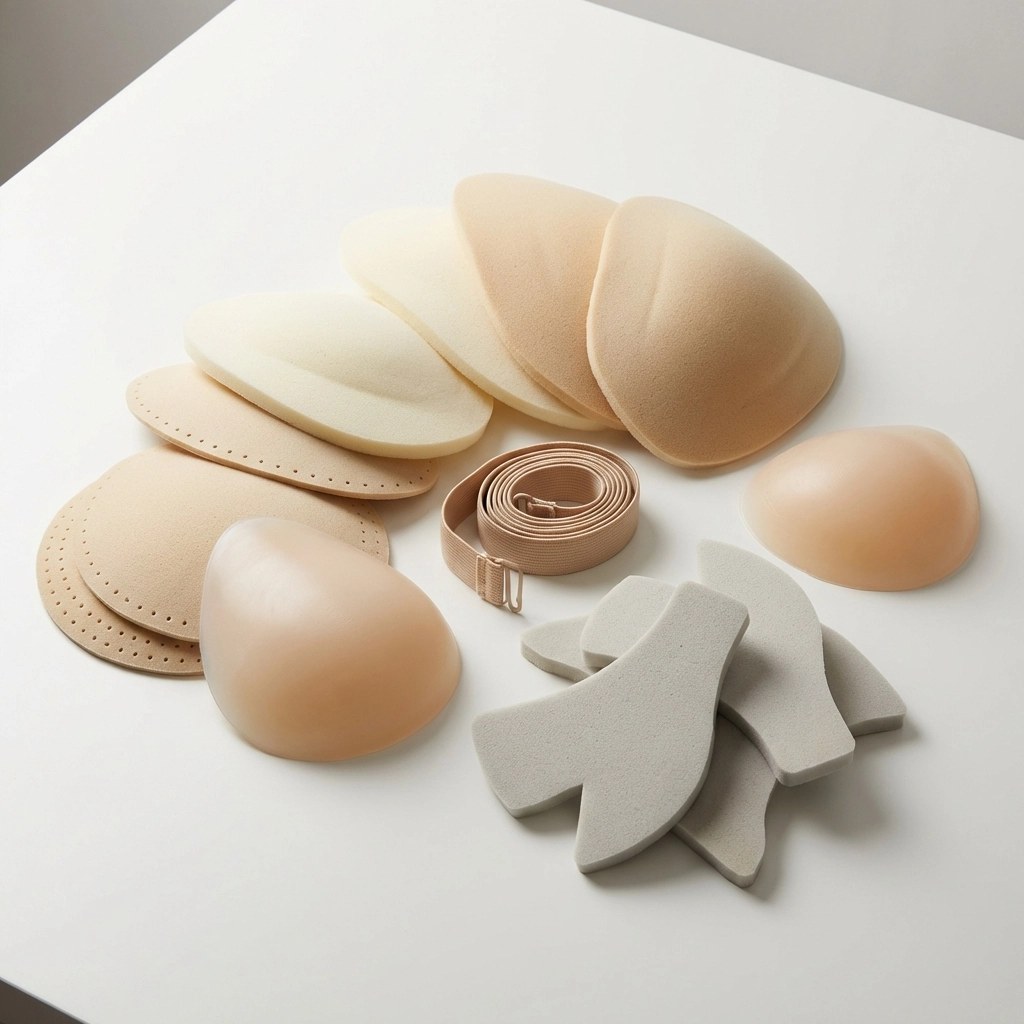
Padding transforms body shapes through strategic foam placement and construction techniques. Professional drag performers invest in quality materials to create convincing feminine silhouettes. Hip pads, breast forms, and custom-cut foam pieces work together to build curves where needed.
Standard padding kits start at basic hip enhancement. Advanced performers craft custom pieces targeting specific body proportions. Foam density matters: soft foam moves naturally while firm foam maintains structure under tight garments.
Purchase guides on drag techniques and LGBTQ+ creative expression at dickfergusonwriter.com/collections/all.
Body Type Considerations and Custom Solutions
Every body requires different padding approaches. Tall performers need larger hip pads to maintain proportion. Petite frames require minimal padding to avoid overwhelming natural features. Muscular builds benefit from strategic placement that softens angular lines.
Calculate your measurements before purchasing padding. Hip circumference determines pad size. Waist measurements guide corset selection. Shoulder width influences breast form positioning. Professional fitters offer consultations for custom padding solutions.
Hip Pad Construction and Placement
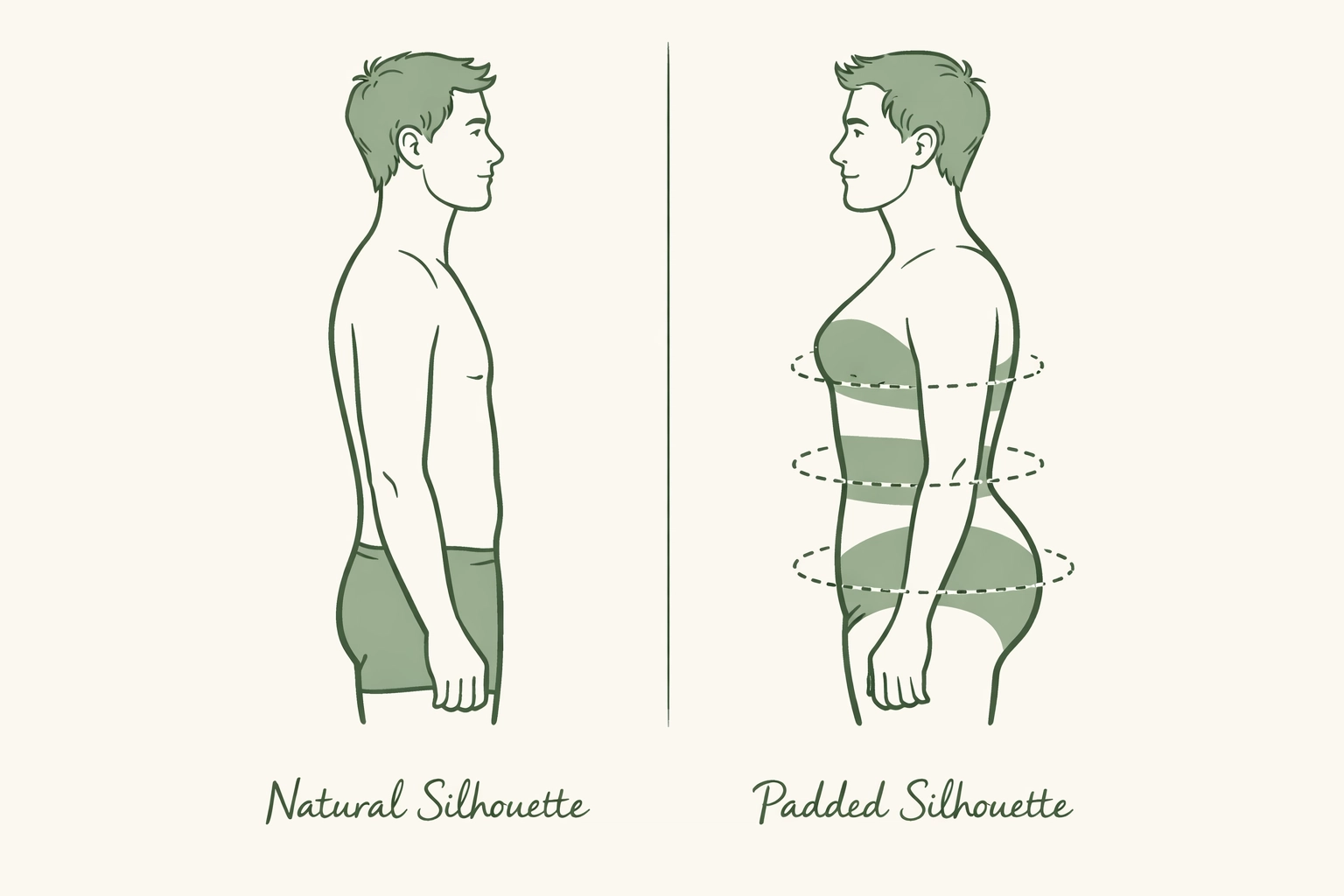
Hip pads create the quintessential feminine curve. Standard designs add 4-8 inches to hip circumference. Professional-grade pads feature gradual tapering that blends into natural body lines. Attachment methods include elastic bands, adhesive strips, or integrated garment designs.
Position hip pads at natural hip bone level. Too high creates an unnatural shelf effect. Too low disrupts leg line proportions. Test placement while standing and sitting to ensure comfort during performance.
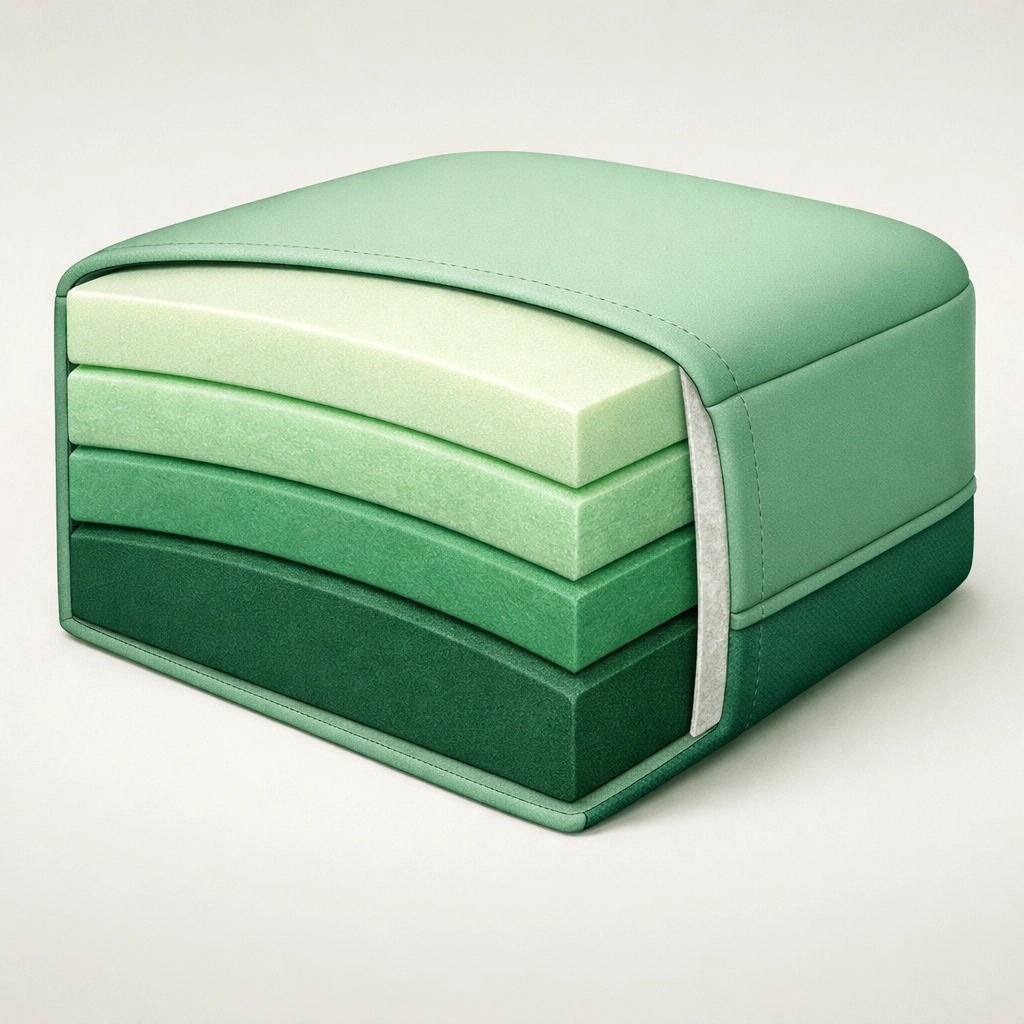
Quality hip pads use multi-density foam. Firm core foam maintains shape. Soft outer layers provide natural movement and realistic touch. Covered padding prevents foam degradation from body oils and makeup.
Breast Form Selection and Application
Breast forms range from basic foam inserts to weighted silicone pieces. Performance requirements dictate selection. Dance-heavy routines need lightweight foam. Realistic appearance demands silicone forms with natural drape.
Standard cup sizes translate to form selection. Proportion matters more than maximum size. Broad shoulders support larger forms. Narrow frames require modest sizing for believable proportions.
Secure forms with specialized adhesive or integrated pockets in foundation garments. Test adhesion before performance. Backup attachment methods prevent wardrobe malfunctions.
Explore LGBTQ+ fiction celebrating self-expression at Read with Pride.
Corset and Foundation Garment Integration
Corsets cinch waists and create dramatic hourglass proportions. Steel-boned corsets provide maximum cinching. Spiral steel allows flexibility for performance movement. Plastic boning suits occasional use.
Proper corset sizing requires accurate measurements. Too small causes discomfort and breathing restriction. Too large fails to create desired shape. Break in new corsets gradually over multiple wearing sessions.
Foundation garments hold padding in place. Dance belts smooth front profiles. Compression shorts prevent padding migration. Full bodysuits integrate multiple padding elements into single garments.
Advanced Padding Techniques
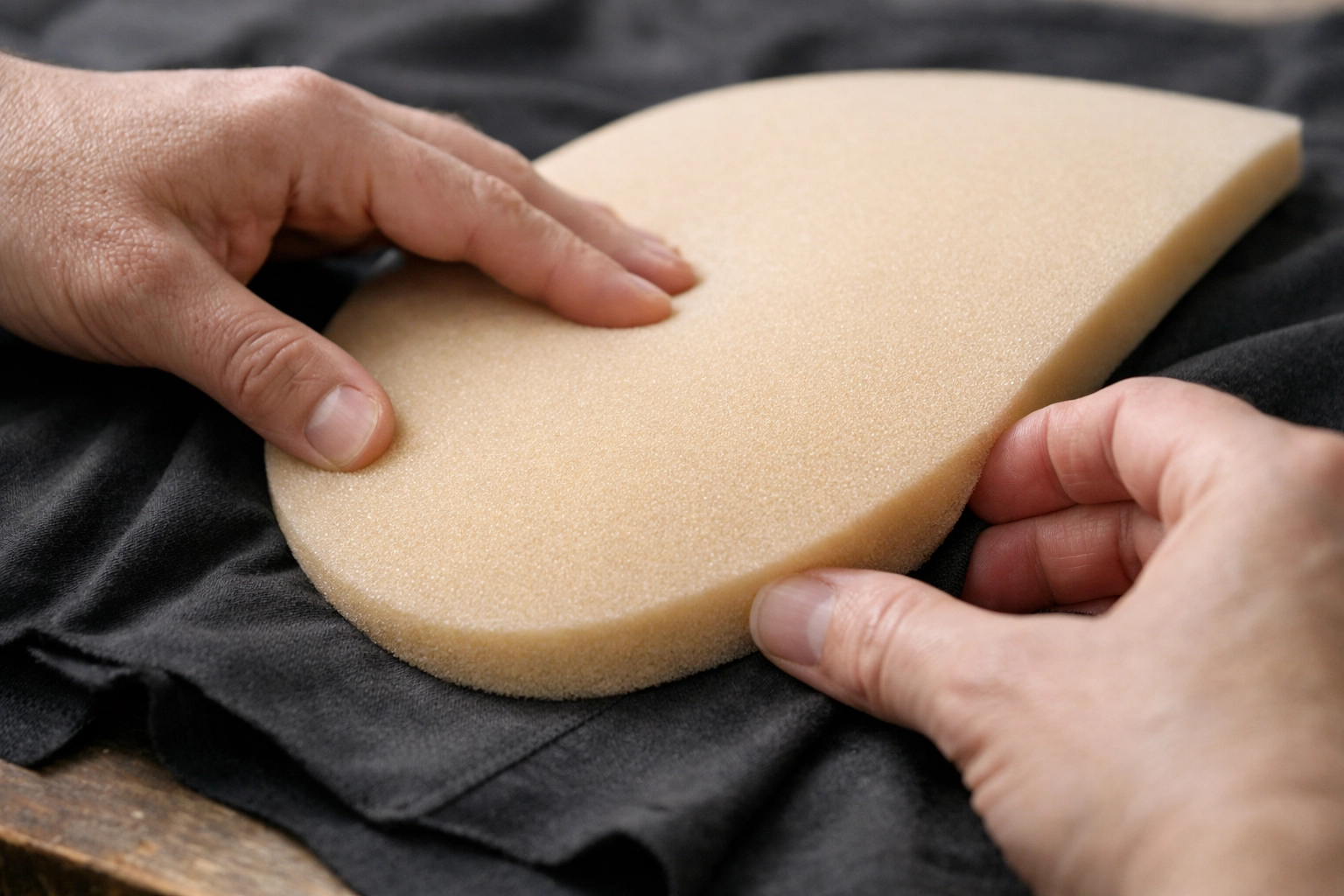
Custom foam cutting creates personalized padding solutions. Purchase upholstery foam in desired densities. Trace body templates onto foam. Cut gradually, testing fit repeatedly. Sand edges for seamless blending.
Layered padding builds dimension. Base layer establishes core shape. Secondary layers add nuance and movement. Surface layers provide natural texture and appearance.
Strategic padding placement extends beyond hips and chest. Shoulder pads broaden frame proportions. Butt pads enhance rear curves. Thigh padding creates fuller leg lines. Arm padding softens muscular definition.
Material Selection and Durability
Professional performers invest in quality materials. Medical-grade foam resists compression and maintains shape through repeated use. Silicone breast forms last years with proper care. Quality elastic bands withstand frequent stretching.
Fabric choices affect padding appearance. Lycra covers create smooth surfaces. Mesh fabrics allow airflow during performance. Lined garments prevent foam contact with skin.
Maintain padding through proper storage. Store flat or hanging to prevent compression. Clean covers regularly. Air out foam pieces after use to prevent moisture buildup.
Proportion and Balance Principles
Successful padding creates balanced proportions. Hip enhancement requires corresponding waist cinching. Breast forms need appropriate shoulder and back development. Overall silhouette should flow naturally from shoulders to hips.
Study feminine proportions through reference images. Golden ratio principles apply to body proportions. Hip width typically measures 1.4 times waist width. Shoulder width equals hip width in balanced figures.
Avoid over-padding. Excessive curves appear cartoonish rather than convincing. Subtle enhancement often achieves better results than extreme transformation.
Performance Considerations
Padding must withstand performance demands. Dance routines require secure attachment. Lip sync performances need upper body mobility. Extended wear requires comfort considerations.
Temperature management matters. Foam insulates body heat. Ventilated padding designs improve comfort. Moisture-wicking foundation garments prevent overheating.
Quick-change capabilities require efficient padding systems. Velcro attachments enable rapid removal. Integrated bodysuits simplify costume changes. Practice padding application until consistent results take minutes rather than hours.
Celebrating Body Diversity in Drag
Drag celebrates transformation across all body types. Padding techniques accommodate diverse starting points. Masculine builds create dramatic before-after contrasts. Naturally curvy performers enhance existing features. Gender-nonconforming artists craft unique aesthetic visions.
Community resources share padding knowledge. Online tutorials demonstrate construction techniques. Local drag families pass down padding wisdom. Workshops teach beginners fundamental skills.
Professional performers often share padding specifications. Study performance photographs for proportion inspiration. Attend live shows to observe padding in motion.
Visit dickfergusonwriter.com for LGBTQ+ literature celebrating creative expression and diverse identities.
Budget-Friendly Padding Solutions
Professional padding costs hundreds. Budget alternatives deliver results for beginners. Upholstery foam costs minimal amounts. Old pantyhose create foam covers. Elastic from fabric stores secures padding affordably.
DIY breast forms use rice, birdseed, or silicone caulk in balloons. Homemade hip pads follow online patterns. Thrift store shapewear provides foundation garments at discount prices.
Invest gradually in quality pieces. Purchase professional hip pads first: they provide maximum impact. Add breast forms second. Expand to specialized padding as budget allows.
The Artistry Behind the Transformation
Padding represents sculptural artistry applied to human form. Performers become living sculptures, crafting feminine shapes through technical skill and aesthetic vision. Each padding choice reflects artistic decisions about proportion, movement, and visual impact.
The craft continues evolving. New materials improve comfort and realism. Innovation in attachment methods increases security. Community knowledge-sharing advances techniques across experience levels.
Padding enables authentic self-expression for drag performers. Technical mastery creates confidence. Successful transformation empowers artistic performance. The perfect silhouette results from craftsmanship, proportion understanding, and celebration of personal aesthetic vision.
Subscribe at Read with Pride for LGBTQ+ content celebrating creative expression, drag culture, and queer artistry.
Follow us on social media:
- Instagram: https://www.instagram.com/dickfergusonwriter
- X (Twitter): https://www.x.com/DickFergus94902
- Facebook: https://www.facebook.com/profile.php?id=61572869844598
Explore our collection: https://dickfergusonwriter.com/collections/all
#ReadWithPride #Readwithpride #LGBTQCulture #DragCulture #QueerArtistry #LGBTQPride #GayPride #DragArt #QueerExpression #LGBTQBooks #GayBooks #QueerFiction #LGBTQFiction #GayLiterature #ReadingWithPride #PrideReading #LGBTQCommunity #QueerCreativity #DragPerformance #GayNovels

Leave a Reply
You must be logged in to post a comment.