
When we talk about LGBTQ+ icons in music, names like Lady Gaga, Cher, and Madonna instantly come to mind. But let's take a moment to appreciate the Empress of Soul herself, Gladys Knight. While she might not be plastered across Pride floats or headlining every gay rights benefit concert, her music has been the soundtrack to countless queer lives, and her humanitarian heart deserves recognition.
The Voice That Moves Mountains
Gladys Knight didn't earn her royal title by accident. With seven Grammy Awards, a career spanning six decades, and hits that can make even the coldest heart melt, she's cemented herself as one of the greatest vocalists of all time. "Midnight Train to Georgia" isn't just a song, it's an experience. And let's not even start on "I Heard It Through the Grapevine" because we'll be here all day talking about those vocals.
Rolling Stone didn't place her among the greatest singers of all time for nothing. When Gladys Knight opens her mouth to sing, you feel it in your bones. That's the kind of power that transcends demographics, orientations, and identities. Soul music, by its very nature, speaks to the human experience, and who knows about navigating complex emotions better than the LGBTQ+ community?
Soul Music and Queer Culture: A Love Story
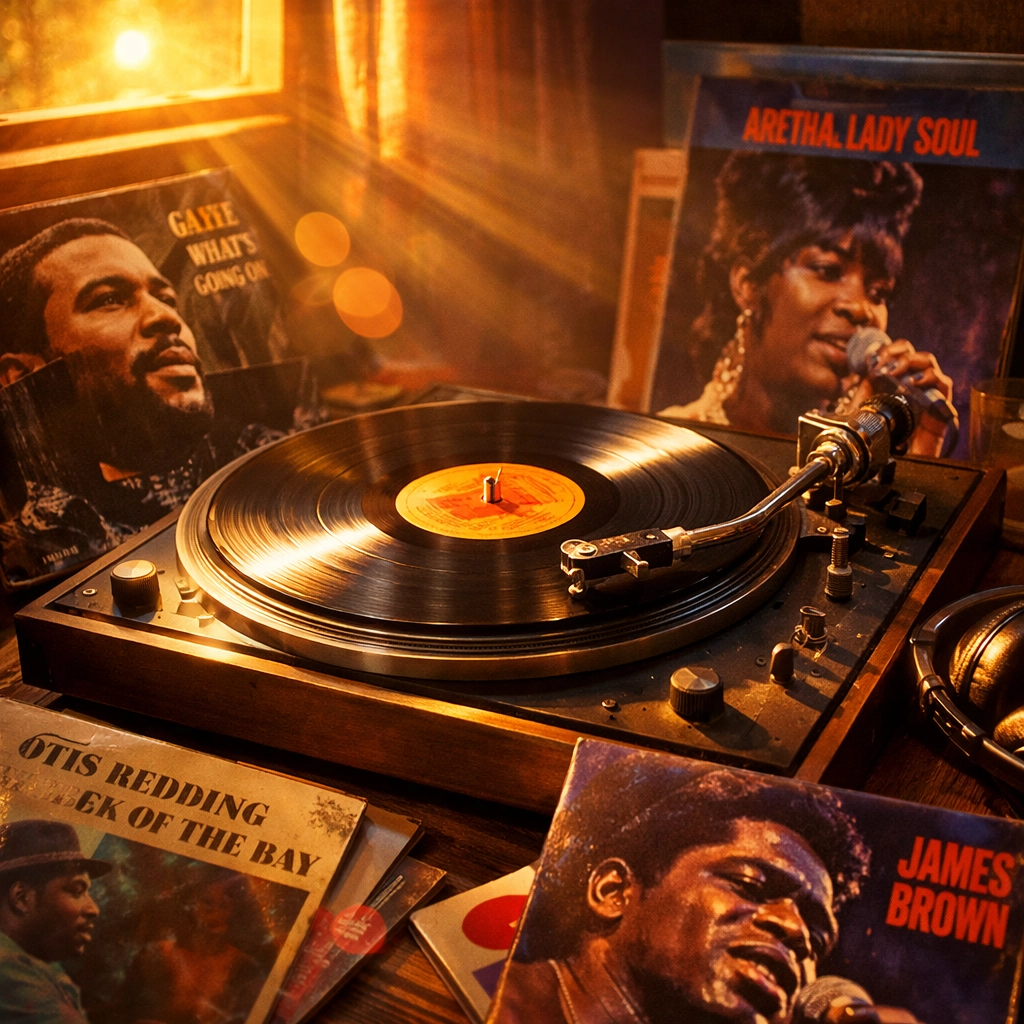
Here's something we don't talk about enough: the deep, enduring connection between soul music and LGBTQ+ culture. From the underground ballrooms of Harlem to the first gay bars where people could finally be themselves, soul music provided the soundtrack. Artists like Gladys Knight created music that spoke about longing, heartbreak, resilience, and triumph, themes that resonate deeply within queer experiences.
Think about it. "Neither One of Us (Wants to Be the First to Say Goodbye)" hits differently when you're navigating love in a world that doesn't always accept you. The emotional depth, the raw vulnerability, the realness of soul music created safe spaces for expression long before Pride parades became mainstream.
The LGBTQ+ community has always had impeccable taste in music (let's be honest), and we've claimed soul legends as our own not because they were explicitly advocating for us, but because their music saw us. It validated our emotions and gave us permission to feel everything deeply.
A Humanitarian Heart
While Gladys Knight may not be on the frontlines of LGBTQ+ advocacy in the same way as some contemporary pop stars, her commitment to humanitarian causes is undeniable. She's been a tireless advocate for various organizations, including:
- American Diabetes Association (as a national spokesperson)
- Boys & Girls Club of America (to which she donated her song "The Dream")
- American Cancer Society
- Minority AIDS Project
- amFAR and Crisis Intervention
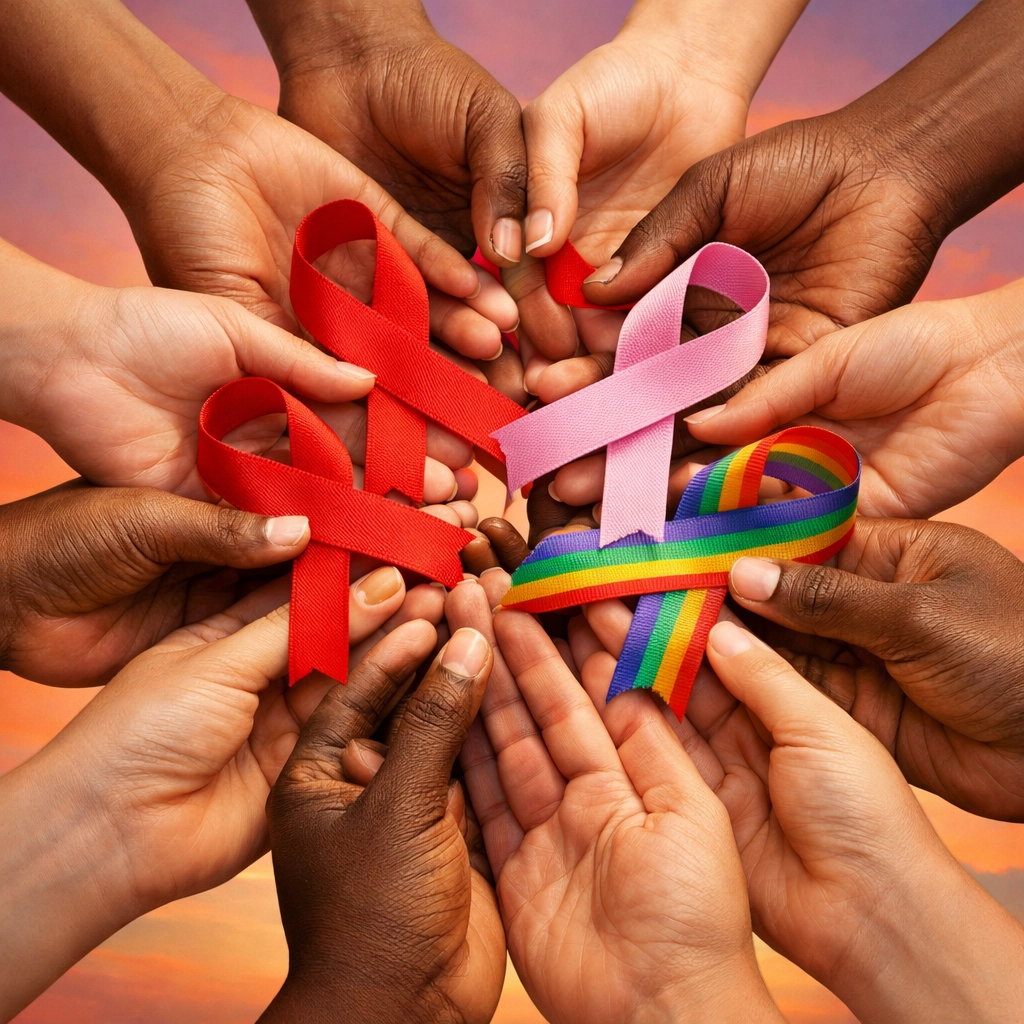
Let's pause on that Minority AIDS Project and amFAR support. During the height of the AIDS crisis, when many people turned their backs on the LGBTQ+ community, supporting AIDS-related causes meant something. It meant you saw the humanity in people that society had written off. It meant you cared when caring wasn't convenient or popular.
The Difference Between Generations
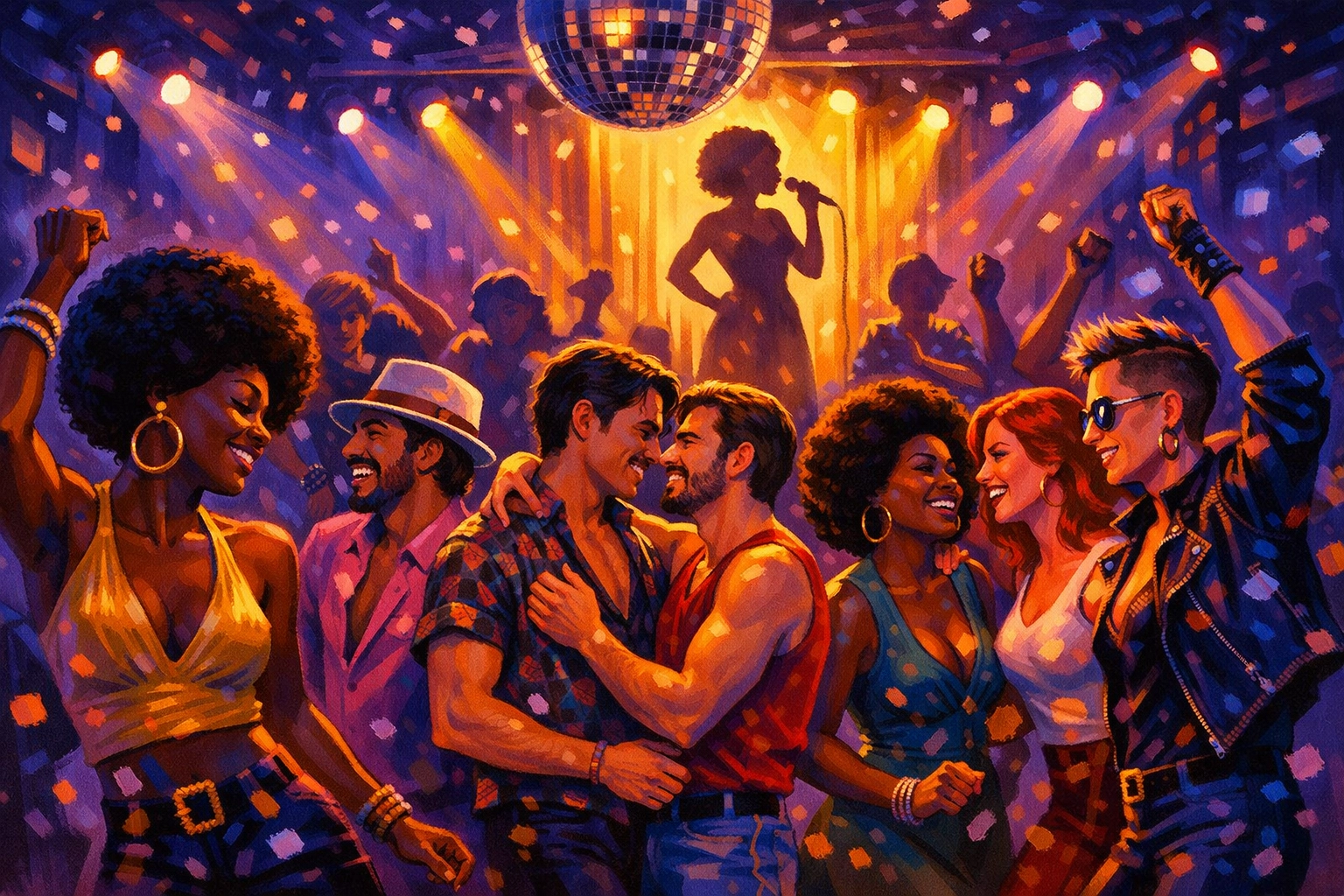
Here's where we need to keep it real. Gladys Knight comes from a different generation of entertainers. Born in 1944, she built her career during times when being openly supportive of LGBTQ+ rights could end careers. The cultural context matters.
Today's pop stars like Lady Gaga, Ariana Grande, and Lil Nas X can be vocal, explicit advocates for queer rights because the landscape has shifted (though we still have miles to go). They can incorporate LGBTQ+ themes directly into their work, collaborate with queer artists, and use their platforms for activism. That's beautiful and necessary.
But artists like Gladys Knight showed support differently, through their music's universal emotional resonance, through humanitarian work, and through creating spaces where everyone could find themselves in the lyrics. That matters too.
Recognition and Legacy
The accolades speak for themselves:
- Hollywood Walk of Fame star (1995)
- Rock and Roll Hall of Fame induction (1996)
- National Medal of Arts (2021)
- Kennedy Center Honor (2022)
- Grammy Lifetime Achievement Award (2023)
These aren't just awards for vocal talent. They're recognition of a legacy that has touched multiple generations across all walks of life. When you receive a Kennedy Center Honor, it's because your art has fundamentally contributed to American culture, and that includes LGBTQ+ culture, whether explicitly intended or not.
The Power of Music as Universal Language
What makes someone an LGBTQ+ icon? Is it explicit advocacy? Absolutely, that's important. Is it showing up at Pride events and benefit concerts? Yes, that visibility matters immensely. But there's also something to be said for artists whose music becomes part of our collective queer story without them necessarily planning for it.
Gladys Knight's music has been there for first dances at gay weddings, for drag performances that bring down the house, for late-night soul-searching sessions when you're figuring out who you are. Her voice has provided comfort during heartbreak, celebration during joy, and strength during struggle.
At Read with Pride, we celebrate all forms of queer representation: including the artists whose work has become intertwined with our community's emotional landscape. Whether it's MM romance novels that explicitly center queer love stories or soul music that speaks to universal human experiences we've all lived, representation comes in many forms.
Finding Yourself in the Music
One of the most powerful aspects of LGBTQ+ culture is how we've always found ourselves in spaces that weren't explicitly made for us. We've read between the lines, claimed songs as anthems, and built community around art that gets it even when the artist might not have intended it that way.
Gladys Knight's catalog is full of songs about complicated love, about loyalty and heartbreak, about keeping your head up when the world feels overwhelming. "Best Thing That Ever Happened to Me" becomes a queer love anthem. "If I Were Your Woman" takes on new meaning when sung in a gay bar at 2 AM. That's the beauty of great art: it transcends its original context and becomes whatever we need it to be.
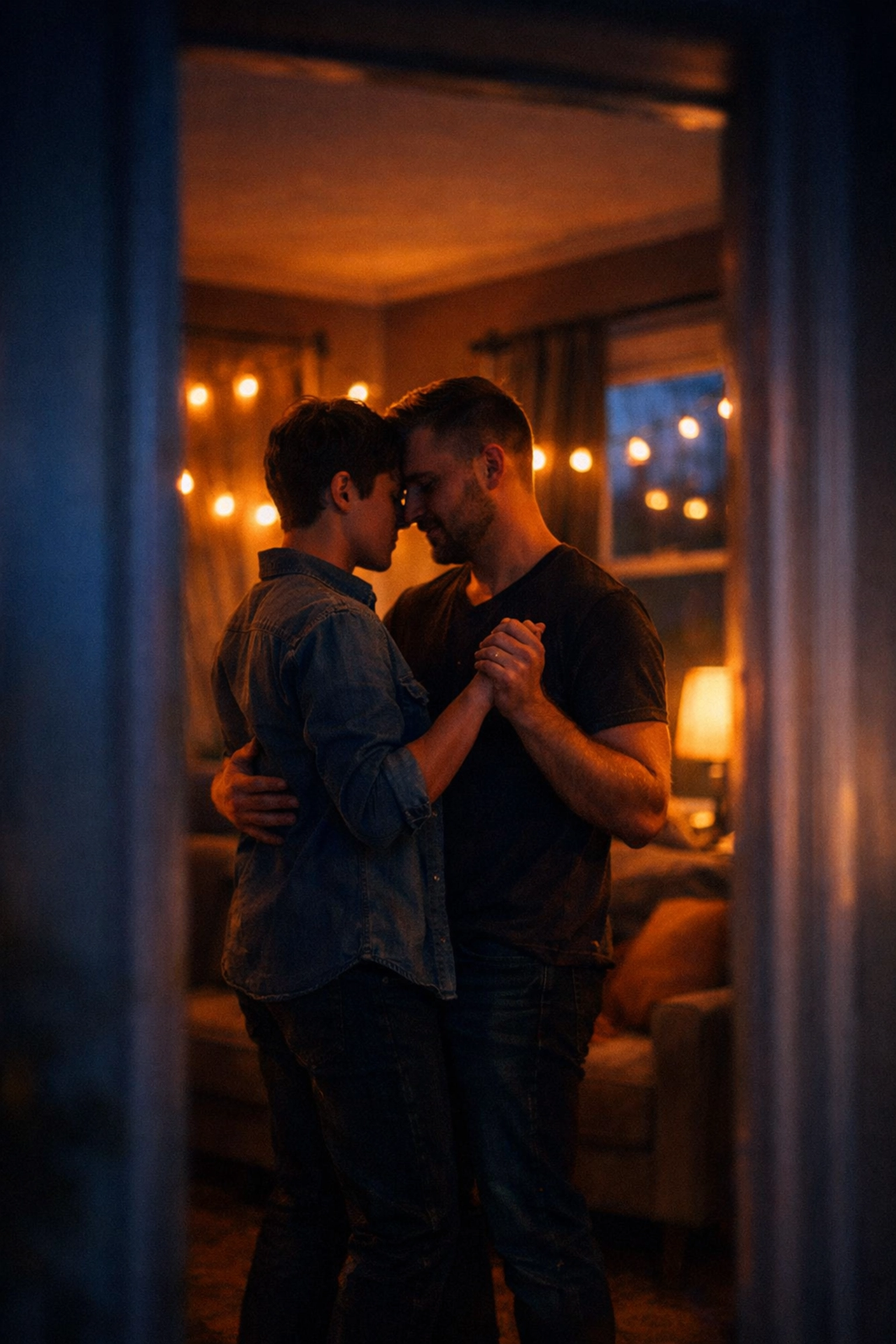
The Empress and Her Court
In the pantheon of artists beloved by the LGBTQ+ community, there's room for everyone. From the explicit activists to the artists whose work simply resonates. Gladys Knight might not be performing at RuPaul's Drag Race finales, but her music has undoubtedly been lip-synced on that stage more than once.
The soul and R&B legends: Aretha Franklin, Diana Ross, Patti LaBelle, and yes, Gladys Knight: form a foundation of musical excellence that the community has always recognized and celebrated. These women showed us what strength looks like, what resilience sounds like, what it means to be unapologetically yourself in your art.
Why This Matters for Our Community
At the end of the day, representation in media matters: whether it's finding yourself in gay romance books that explicitly tell your story or discovering that emotional truth in songs written decades ago. The LGBTQ+ community has always been excellent at finding and creating meaning, at building family out of friends, and at claiming cultural artifacts as our own.
Gladys Knight's contribution to our cultural landscape might not be as direct as contemporary allies, but it's no less significant. Her music has been the backdrop to our lives, her humanitarian work has touched causes that affect our community, and her legacy continues to inspire.
Celebrating All Forms of Support
As we continue exploring the artists who've supported the LGBTQ+ community: whether explicitly or through the universal language of their art: it's important to recognize that advocacy comes in many forms. Some artists march at Pride. Some donate to queer causes. Some create music so emotionally honest that anyone can find themselves in it.
Gladys Knight, the Empress of Soul, has given us decades of music that speaks to the human condition in all its messy, beautiful complexity. And for a community that knows a thing or two about complexity, that's a gift worth celebrating.
Discover more stories celebrating LGBTQ+ culture, icons, and the art that moves us at Read with Pride. From MM romance novels to the music that soundtracks our lives, we're here for all of it.
Follow us:
#GladysKnight #EmpressOfSoul #LGBTQ #QueerCulture #SoulMusic #ReadWithPride #LGBTQCommunity #QueerIcons #MusicLegends #PrideReading #QueerHistory #LGBTQSupport #SoulLegends #MMRomance #GayRomanceBooks #LGBTQBooks #QueerReading #ReadwithPride

Leave a Reply
You must be logged in to post a comment.