

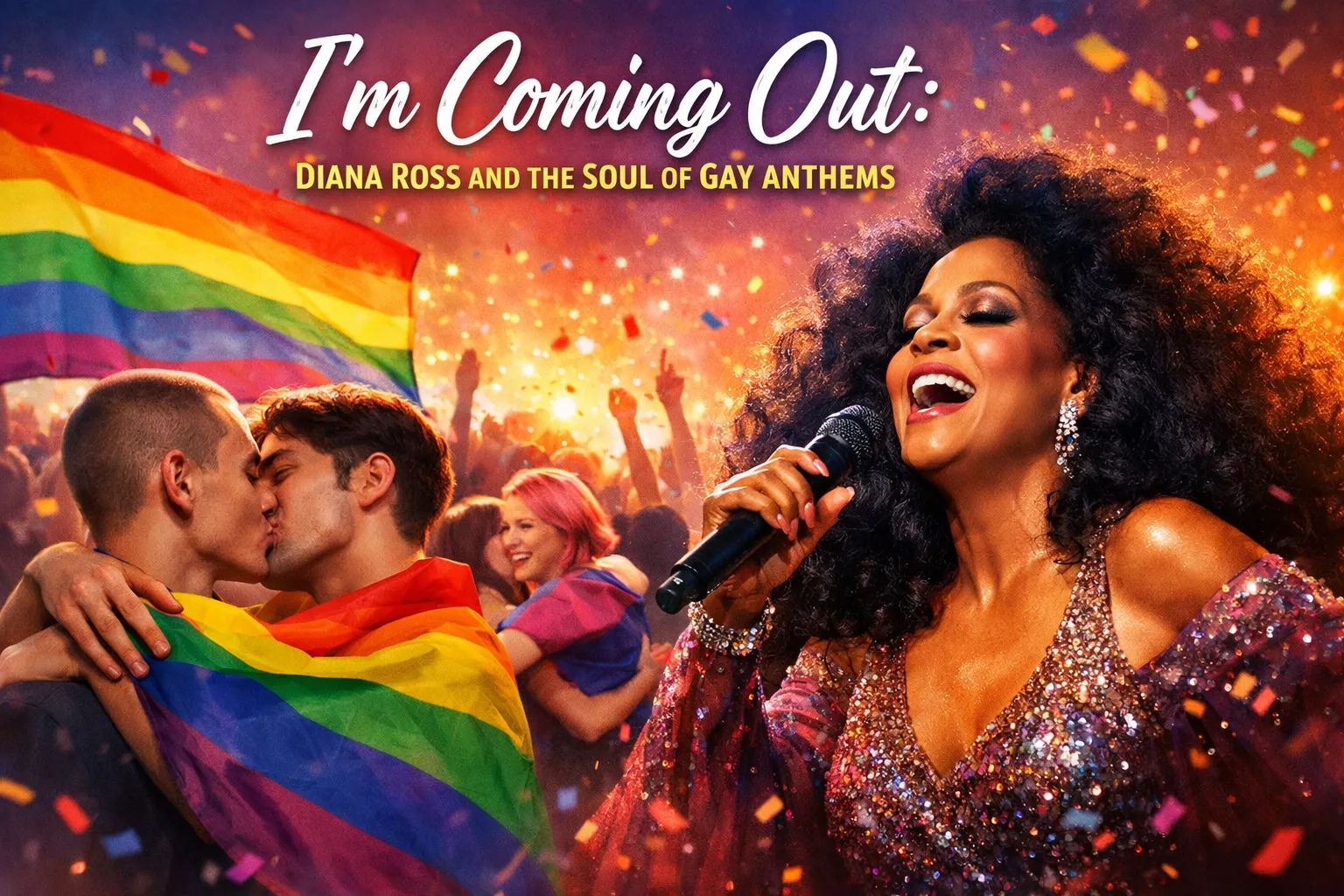
There's something magical about hearing the opening notes of that song at a pride parade or in a gay club. You know the one: the anthem that makes you stand a little taller, dance a little harder, and feel seen in a room full of strangers. For decades, pop music has given the LGBTQ+ community its battle cries, its love songs, and its declarations of existence. And at the heart of this tradition sits one of the most iconic anthems ever recorded: Diana Ross's "I'm Coming Out."
But here's the thing: Diana didn't know she was recording a queer anthem. Not at first, anyway. The story behind this song is as fabulous and complicated as the community it's come to represent.
The Night Nile Rodgers Had a Lightbulb Moment
Picture this: It's 1980, and legendary producer Nile Rodgers walks into a transgender nightclub in Manhattan. He's there to soak in the scene, maybe catch some inspiration. What he finds instead changes pop music history. The club is packed with Diana Ross impersonators: gorgeous, fierce performers serving up their best Supremes realness. And suddenly, it clicks.
Rodgers practically runs to a payphone (remember those?) and calls his producing partner Bernard Edwards. "Write the lyrics," he tells him. "I've got it: 'I'm coming out.' Because to the gay community, 'I'm coming out' is a battle cry."
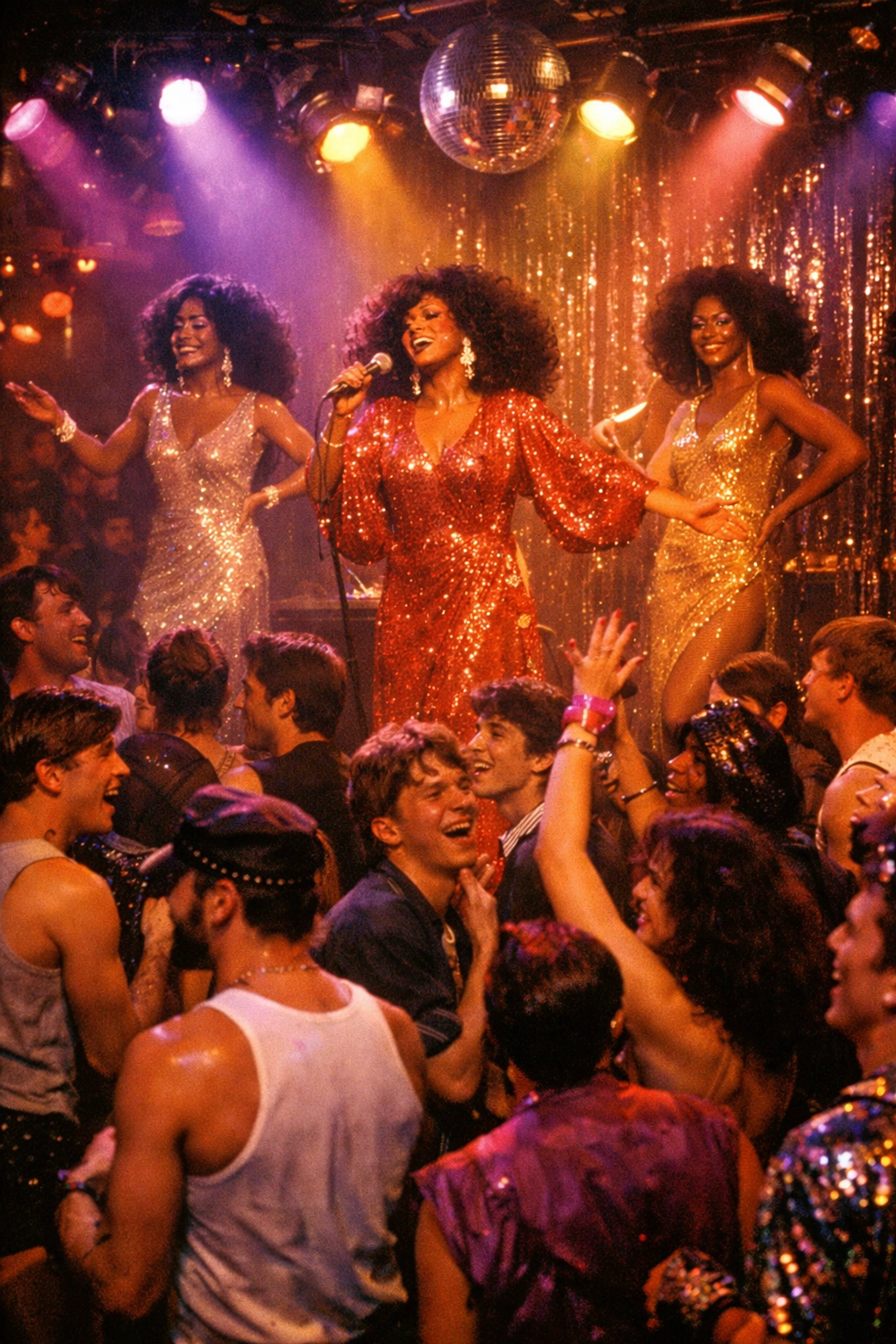
The phrase "coming out" had been part of LGBTQ+ subculture since the early 20th century, evolving from debutante balls into something far more revolutionary: a declaration of queer identity to the world. Rodgers understood the weight of those three words. He understood their power.
Diana Ross? She loved the song immediately. But she heard it differently. For her, "I'm Coming Out" was about breaking free from Motown Records and Berry Gordy's control. It was her professional liberation anthem. She had no idea it was also about breaking out of a very different kind of closet.
When the Truth Came Out (Pun Intended)
The revelation hit during a radio interview with DJ Frankie Crocker. He pointed out what seemed obvious to everyone except Diana: listeners would think she was announcing her own homosexuality. This was 1980: a time when such an implication could torpedo a career.
Ross reportedly returned to the studio in tears, feeling betrayed. But Rodgers reframed everything with one brilliant line: "Diana, this song is gonna be your coming-out song. We think of you as our black queen."
And just like that, Diana embraced it. The song peaked at number five on the Billboard Hot 100 and remains on Rolling Stone's list of the "500 Greatest Songs of All Time." More importantly, it became the soundtrack to countless queer people declaring themselves to the world. Diana even made it her stage entrance anthem: adding yet another layer of "coming out" meaning every time she performs.
The Divas Who Followed
Diana Ross opened a door, and an entire generation of pop stars walked through it. These artists didn't just tolerate their LGBTQ+ fans: they celebrated them, defended them, and created safe spaces within their music.
Lady Gaga burst onto the scene with "Born This Way," a song so explicitly pro-LGBTQ+ that it became an instant classic. Gaga didn't hint or imply: she stated it plainly: "No matter gay, straight, or bi, lesbian, transgender life, I'm on the right track, baby, I was born to survive." She's been outspoken about LGBTQ+ rights from day one, making her Little Monsters feel seen and loved.
Cher has been a gay icon since the 1970s, but her advocacy reached new heights when she became one of the most visible celebrity parents of a transgender child. Her fierce defense of her son Chaz Bono and her unapologetic support for trans rights showed that allyship isn't just about performance: it's about showing up when it matters most.
Madonna gave us "Vogue," borrowing from Black and Latino ballroom culture while introducing mainstream America to voguing. She lost count of how many people criticized her for surrounding herself with gay dancers, for kissing Britney and Christina on stage, for refusing to tone down her queerness. Madonna's response? She turned up the volume.
Why These Anthems Matter
Gay anthems aren't just catchy songs that happen to be popular in clubs. They're survival tools. They're mirrors reflecting back a community that mainstream culture often tried to erase. When you're growing up queer in a small town, hearing Diana Ross sing "I'm coming out, I want the world to know, got to let it show" isn't just entertainment: it's permission to exist.
These songs create what musicologists call "queer temporality": moments where LGBTQ+ people can experience joy, freedom, and acceptance simultaneously. Three minutes of pure euphoria on a dance floor can sustain you through weeks of discrimination, rejection, or worse.
The artists who create these anthems: whether intentionally or accidentally: become more than pop stars. They become fairy godmothers, guardian angels, and battle cry conductors all at once. They give voice to feelings we couldn't articulate and courage to lives we were afraid to live.
The Legacy Continues
The tradition of pop divas championing LGBTQ+ rights hasn't faded. Ariana Grande brought queer representation to her music videos and advocated loudly for marriage equality. Miley Cyrus founded the Happy Hippie Foundation to support LGBTQ+ youth. Hayley Kiyoko earned the title "Lesbian Jesus" for centering queer women in her music videos.
Even male artists have joined the chorus. Sam Smith came out as non-binary and used their platform to educate millions about pronouns and gender identity. Troye Sivan creates music that normalizes queer experiences without apology or explanation.
But there's something about those original divas: Diana, Cher, Madonna, Gaga: that hits different. Maybe it's because they were there before it was trendy, before corporations painted their logos rainbow every June. They were there when being associated with the LGBTQ+ community meant risking everything.
Dance Floor Declarations
At its core, "I'm Coming Out" and songs like it represent something profoundly simple: the right to exist openly and joyfully. When Nile Rodgers heard those words in a transgender club in 1980, he recognized their revolutionary potential. When Diana Ross sang them, she gave voice to millions who were finding the courage to say the same thing.
These aren't just gay anthems: they're human anthems. They remind us that visibility matters, that representation saves lives, and that sometimes the most political thing you can do is dance.
So next time you hear those opening notes: whether it's Diana declaring she's coming out, Gaga insisting you were born this way, or Cher believing in life after love: remember: you're not just listening to a pop song. You're participating in a decades-long conversation about freedom, identity, and the audacity of living your truth out loud.
And isn't that worth celebrating?
Discover more LGBTQ+ stories, romance, and community at ReadWithPride.com: where every story deserves to be told with pride. Explore our collection of MM romance books, gay fiction, and queer literature that celebrates love in all its forms.
Follow us for more content:
📘 Facebook
📸 Instagram
🐦 Twitter/X
#ReadWithPride #LGBTQAnthem #DianaRoss #ImComingOut #GayIcons #PopDivas #LGBTQHistory #QueerCulture #PrideMusic #GayAnthems #LadyGaga #Cher #MMRomance #QueerFiction #LGBTQBooks #GayRomance #PrideCelebration #QueerStories #RepresentationMatters #LGBTQCommunity

Leave a Reply
You must be logged in to post a comment.