

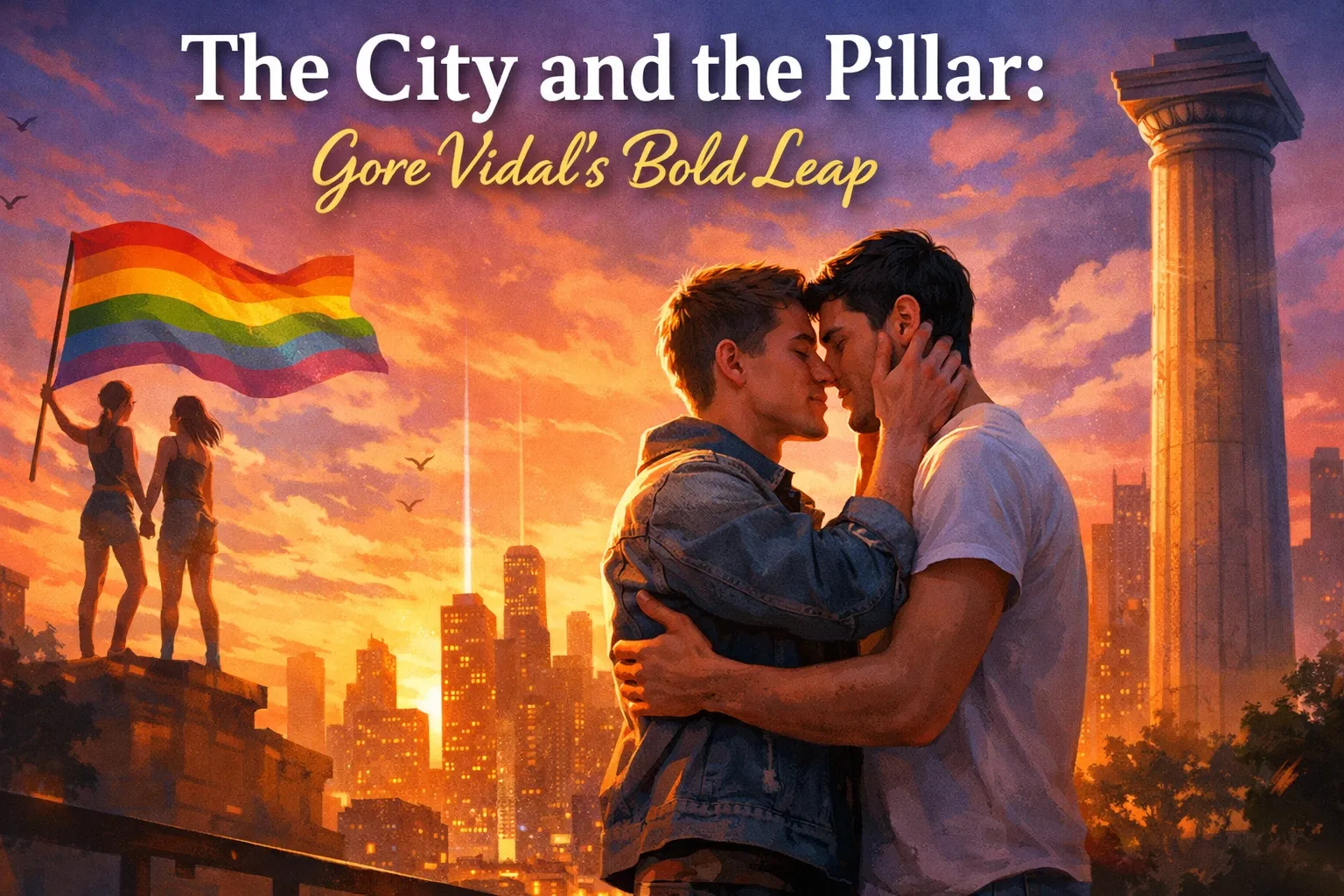
Picture this: It's 1948, post-war America is in full swing, everyone's trying to be as "normal" as possible, and suddenly a 23-year-old writer drops a literary bomb that would change gay literature forever. Gore Vidal's The City and the Pillar didn't just crack open the closet door, it kicked the damn thing off its hinges.
At a time when most LGBTQ+ representation in books involved tragic endings, coded language, or villainous caricatures, Vidal had the audacity to write about a gay man who was… wait for it… just a regular guy. No theatrical flourishes, no swishy stereotypes, no moralistic punishment for his "sins." Just Jim Willard, an athletic kid from Virginia trying to figure out his feelings. Revolutionary doesn't even begin to cover it.
The Context: Why 1948 Was Not Ready
Let's set the scene. The year is 1948. The Second World War just ended, McCarthyism is ramping up, and being openly gay could cost you everything, your job, your family, your freedom. Homosexuality was illegal in every state, classified as a mental illness, and the Lavender Scare was about to destroy countless lives in government and beyond.
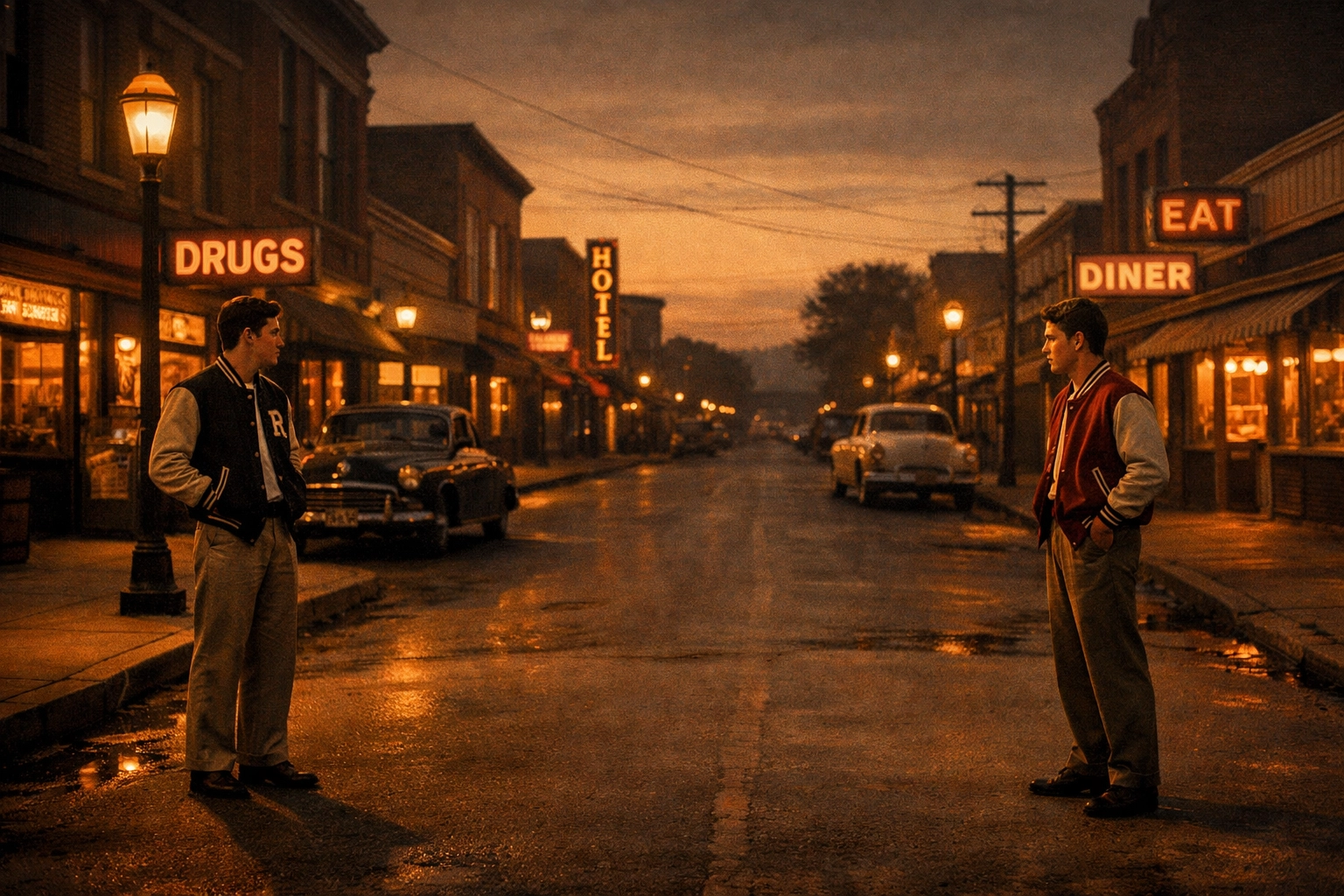
This was the world Gore Vidal looked at and said, "You know what? I'm going to write a mainstream novel with a gay protagonist who isn't apologizing for existing." The sheer brass it took to even conceive of this project is staggering. But Vidal wasn't just brave, he was calculated. He knew exactly what he was doing and why it mattered.
Most American literature of the era either ignored homosexuality entirely or portrayed it through tragic, tormented characters who inevitably met bad ends. If gay men appeared at all, they were comic relief, predators, or cautionary tales. Vidal looked at this landscape and decided to write something completely different: a coming-of-age story that happened to be about a gay man.
Jim Willard: The Athlete Who Changed Everything
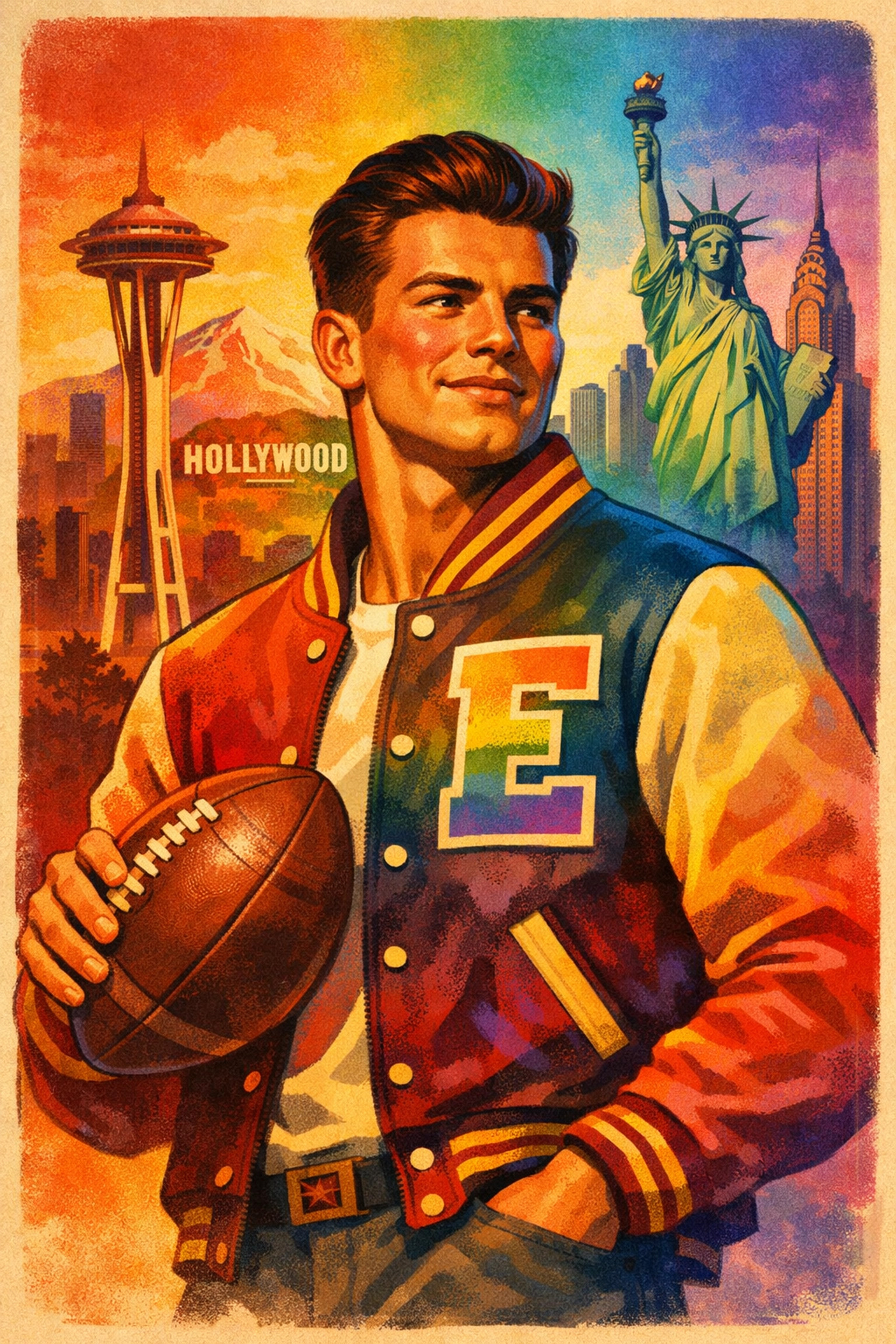
Here's where Vidal's genius really shines. His protagonist, Jim Willard, is a high school athlete, strong, masculine, conventionally attractive. This wasn't an accident. By making Jim the all-American boy next door, Vidal deliberately challenged every stereotype about gay men that existed in the American consciousness.
The novel follows Jim after a formative sexual encounter with his friend Bob Ford during their teenage years. But this isn't written as some shameful secret or moment of "confusion." It's depicted as genuine connection, as first love. Jim spends years searching for Bob, traveling from Virginia to Seattle to Hollywood to New York, encountering various lovers along the way but never quite finding what he's looking for.
The story explores obsessive longing, the weight of idealized first love, and how living in the past can paralyze your present. The novel's epigraph references Lot's wife turning into a pillar of salt for looking back, a perfect metaphor for Jim's inability to move forward from that first encounter with Bob.
What makes The City and the Pillar so powerful is Vidal's refusal to pathologize his characters. The novel's central argument is radical even today: Jim isn't broken because he's gay. He's struggling because society's neurotic, prejudiced attitudes toward sexuality force him into destructive patterns that make happiness impossible. The problem isn't homosexuality, it's homophobia.
Vidal went further, suggesting that humans are naturally bisexual and that cultural restrictions (particularly religious ones) pervert this natural state. Remember, this is 1948. The Kinsey Report had just been published, and Vidal was already pushing the conversation beyond "homosexuals exist" to "maybe sexuality is more fluid than we admit."
The Backlash: When Truth-Telling Has Consequences
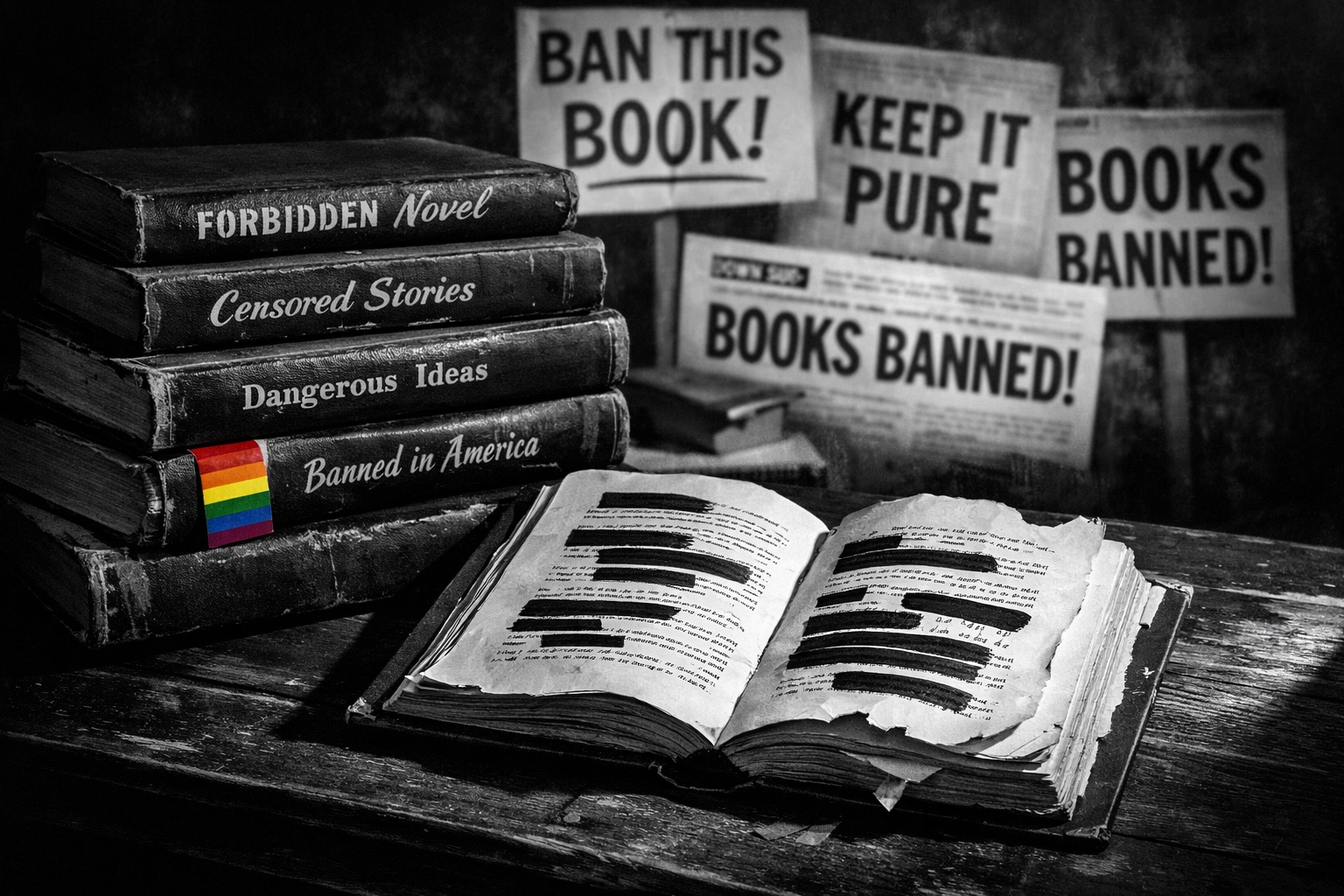
The response to The City and the Pillar was swift and brutal. The literary establishment didn't just criticize the book, they tried to erase Vidal from existence. The New York Times refused to review his next five novels. Other major publications followed suit. His career as a "serious" novelist was essentially blacklisted.
Let that sink in. A talented writer publishes a groundbreaking novel, and the entire literary establishment decides to pretend his future work doesn't exist. Not because the writing was bad (early reviews of The City and the Pillar acknowledged its quality), but because he dared to write honestly about gay men without condemning them.
Vidal later said he knew this would happen. He knew the book would damage his literary reputation. He published it anyway. That's the kind of courage we're talking about, not the absence of fear, but the willingness to face consequences for telling an important truth.
The backlash extended beyond reviews. Bookstores wouldn't stock it prominently. Libraries banned it. People who'd championed Vidal's earlier novels suddenly went quiet. He'd committed the unforgivable sin of writing about homosexuality as if it were simply another aspect of human experience rather than a shameful pathology.
Why It Mattered Then (And Now)
Despite, or perhaps because of, the controversy, The City and the Pillar found its audience. Gay men across America discovered this book and realized they weren't alone. Before the internet, before pride parades, before any visible LGBTQ+ community, this novel was a lifeline. It told isolated queer readers that others existed, that their feelings were real, and that they weren't sick or broken.
The novel sold well enough to stay in print, becoming a kind of underground classic passed between gay men like a secret map to survival. It opened doors for other writers to explore queer themes more openly. Without Vidal's boldness in 1948, who knows how much longer LGBTQ+ literature would have remained coded and apologetic?

Vidal revised the novel in 1965, removing some melodramatic elements and changing the ending. The original conclusion involved violence that critics (and Vidal himself, later) felt was too sensational. The revised version is more measured, though no less powerful in its depiction of a man unable to escape his past.
For those of us reading gay literature today, it's easy to take for granted that we have entire genres dedicated to MM romance and queer fiction. We can find books at Read with Pride that celebrate gay love stories without shame or tragedy. But this wealth of LGBTQ+ books exists because someone had to go first. Someone had to risk everything to write the truth. Gore Vidal was that someone.
The Legacy Lives On
The City and the Pillar remains essential reading not just as a historical artifact but as a still-relevant exploration of desire, obsession, and the search for connection. Yes, society has changed since 1948, but the emotional core of Jim's story: wanting something you can't have, idealizing the past, struggling to find yourself in a world that doesn't fully accept you: still resonates.
The novel paved the way for countless other works of gay literature and LGBTQ+ fiction that followed. Every MM romance book, every gay novel that treats queer love as valid and worthy, every contemporary gay romance that exists without apology: they all owe something to Vidal's courage in 1948.
When you're exploring the best MM romance books or diving into gay classics, remember that each one exists because writers like Vidal refused to stay silent. They chose authenticity over acceptance, truth over comfort, and in doing so, they gave us permission to do the same.
Ready to explore more groundbreaking LGBTQ+ literature? Discover diverse queer fiction and MM romance novels at readwithpride.com where every story celebrates authentic love.
Connect with our community:
📘 Facebook
🐦 Twitter/X
📸 Instagram
#ReadWithPride #GayLiterature #LGBTQBooks #MMRomance #GayRomanceBooks #QueerFiction #GayClassics #LGBTQHistory #GayNovels #ClassicGayLiterature #GoreLiterature #LGBTQClassics #GayBookRecommendations #QueerReading #MMBooks #GayFiction #LGBTQReading #PrideReading #GayBookClub #HistoricGayBooks

Leave a Reply
You must be logged in to post a comment.