

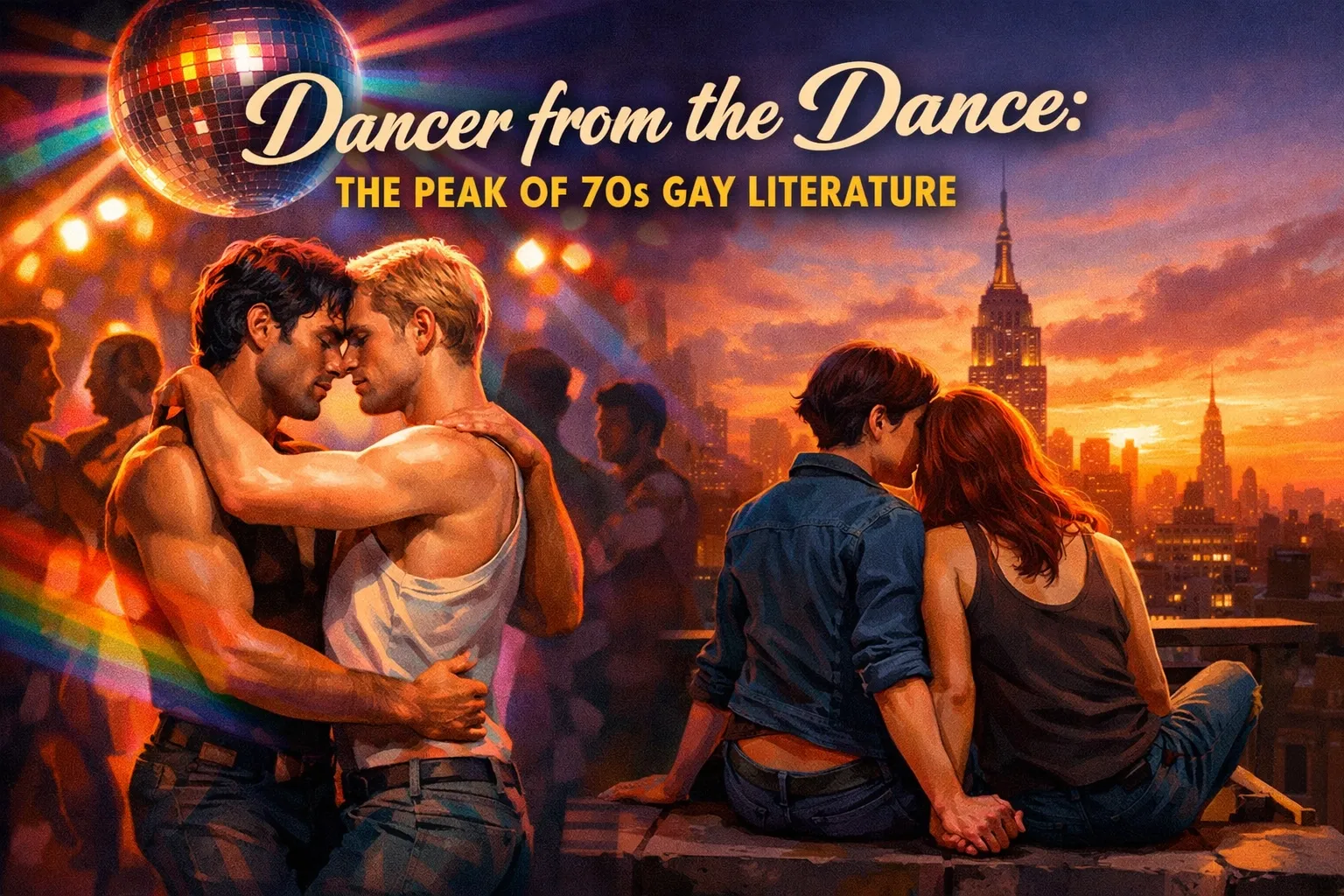
Before the plague years. Before the grief. Before everything changed forever, there was a moment in gay history that burned so bright, it practically incinerated the page. Andrew Holleran's Dancer from the Dance, published in 1978, captured that incandescent pre-AIDS world of New York City gay life with such raw beauty and honesty that it's remained essential gay literature for nearly five decades.
If you're looking to understand what liberation looked like before we knew how fragile it was, this is your roadmap. This is your time machine. This is the novel that dared to say: yes, we're here, we're fabulous, we're free, and we're also searching for something more than the next disco ball reflection.
The Glittering Cage
Let's set the scene: It's the 1970s. Stonewall happened. The closet doors are swinging open. New York City's gay scene is exploding into this gorgeous, hedonistic fever dream of Fire Island weekends, all-night discos, backroom bars, and a level of sexual freedom that would've been unimaginable just a decade earlier.
Holleran doesn't just describe this world, he makes you feel it. The music thumping in your chest. The salt air on Fire Island. The searching glances across a crowded dance floor at 3 AM. The cocaine. The poppers. The desperate, beautiful faces hunting for connection in the strobe lights.
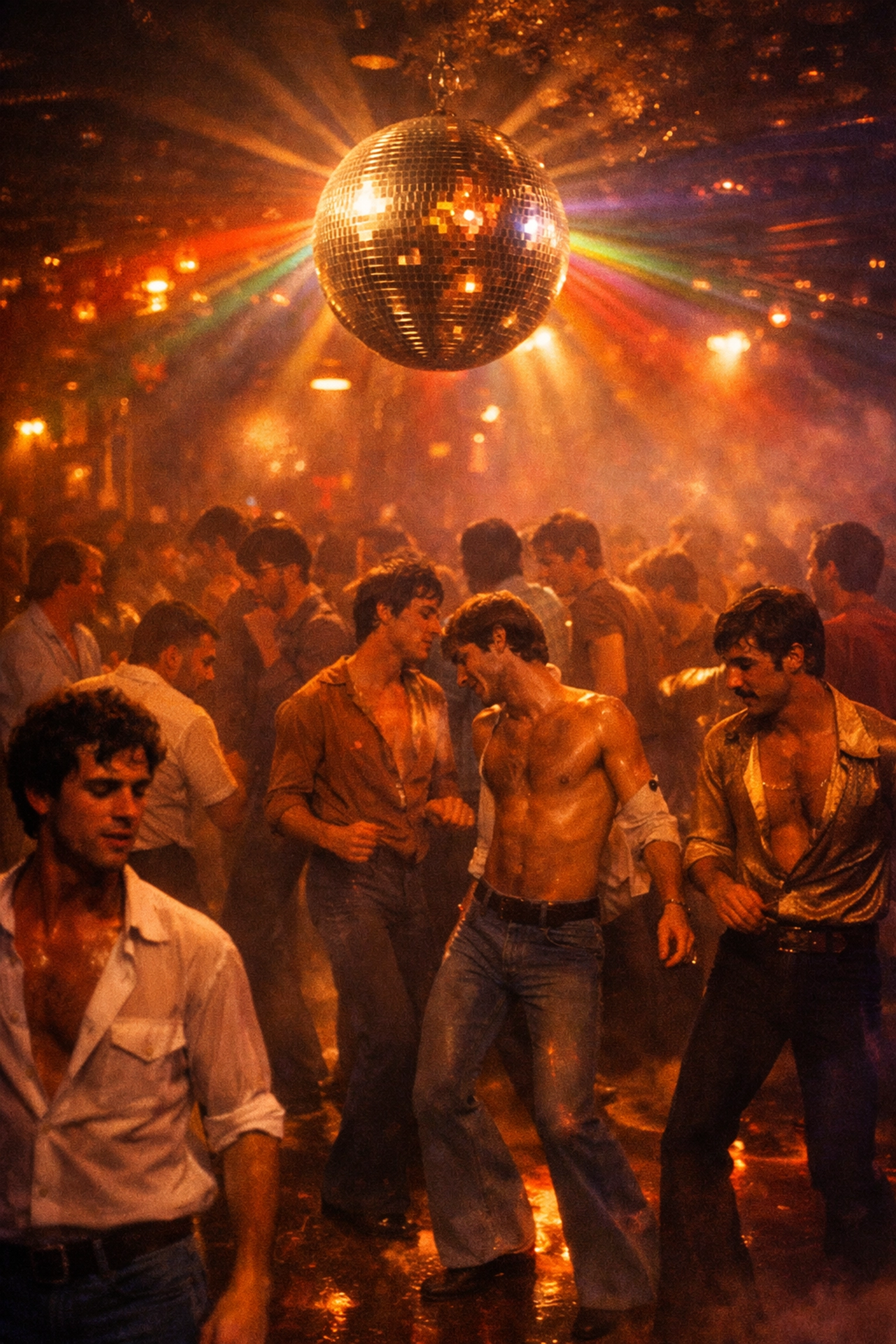
This is gay fiction at its most atmospheric. You can practically smell the amyl nitrite and Halston cologne wafting off the pages. But here's what makes Dancer from the Dance more than just a period piece about pretty boys partying: Holleran knew that this paradise had a price tag, and he wasn't afraid to show the receipt.
Anthony Malone: The Beautiful Tragedy
Our protagonist is Anthony Malone, and honey, he's a whole mood. This gorgeous Midwestern lawyer throws away his straight life, the wife, the career, the respectability, to dive headfirst into New York's gay underground. He's searching for something. Love, maybe. Meaning, definitely. Some kind of authentic connection in a world that worships youth, beauty, and the perfect body.
Sound familiar? That's because Dancer from the Dance basically wrote the playbook for MM romance that grapples with deeper existential questions. This isn't just a love story (though there's plenty of desire crackling through every page). It's a meditation on what happens when you get everything you thought you wanted and discover it's not enough.
Malone becomes the ultimate object of desire in this glittering gay ecosystem, beautiful, mysterious, always just out of reach. Everyone wants him. Everyone projects their fantasies onto him. But inside, he's drowning in the shallowness of it all.

Sutherland: The Weary Queen Mother
Enter Andrew Sutherland, Malone's guide through this looking-glass world. If Malone is fresh-faced innocence diving into the deep end, Sutherland is the bitter, fabulous veteran who's seen it all and stayed for the sequel anyway. He's camp incarnate, world-weary, hilarious, and tragic all at once.
Their relationship, platonic but intensely intimate, forms the emotional core of the novel. Sutherland becomes Malone's mentor, his chosen family, his connection to something real in a world of surfaces. This portrayal of queer platonic intimacy was groundbreaking for gay romance books and LGBTQ+ fiction of the era. Not everything had to be about sex. Sometimes the deepest love is the friendship that keeps you tethered when you're spinning out.
But even Sutherland, with all his wisdom and wit, can't save Malone from the emptiness at the center of their golden cage.
The Sound of a Generation
What sets Dancer from the Dance apart from other gay novels of its time is Holleran's prose. This isn't just storytelling, it's poetry. It's philosophy. It's a fever dream captured in amber. He writes about desire and beauty with such intensity that you feel simultaneously seduced and unsettled.
The novel is framed as a series of letters between two older gay men reflecting on the scene, which gives it this elegiac quality even as it's describing the height of the party. There's always this awareness that this moment is fleeting. That beauty fades. That the music has to stop eventually.
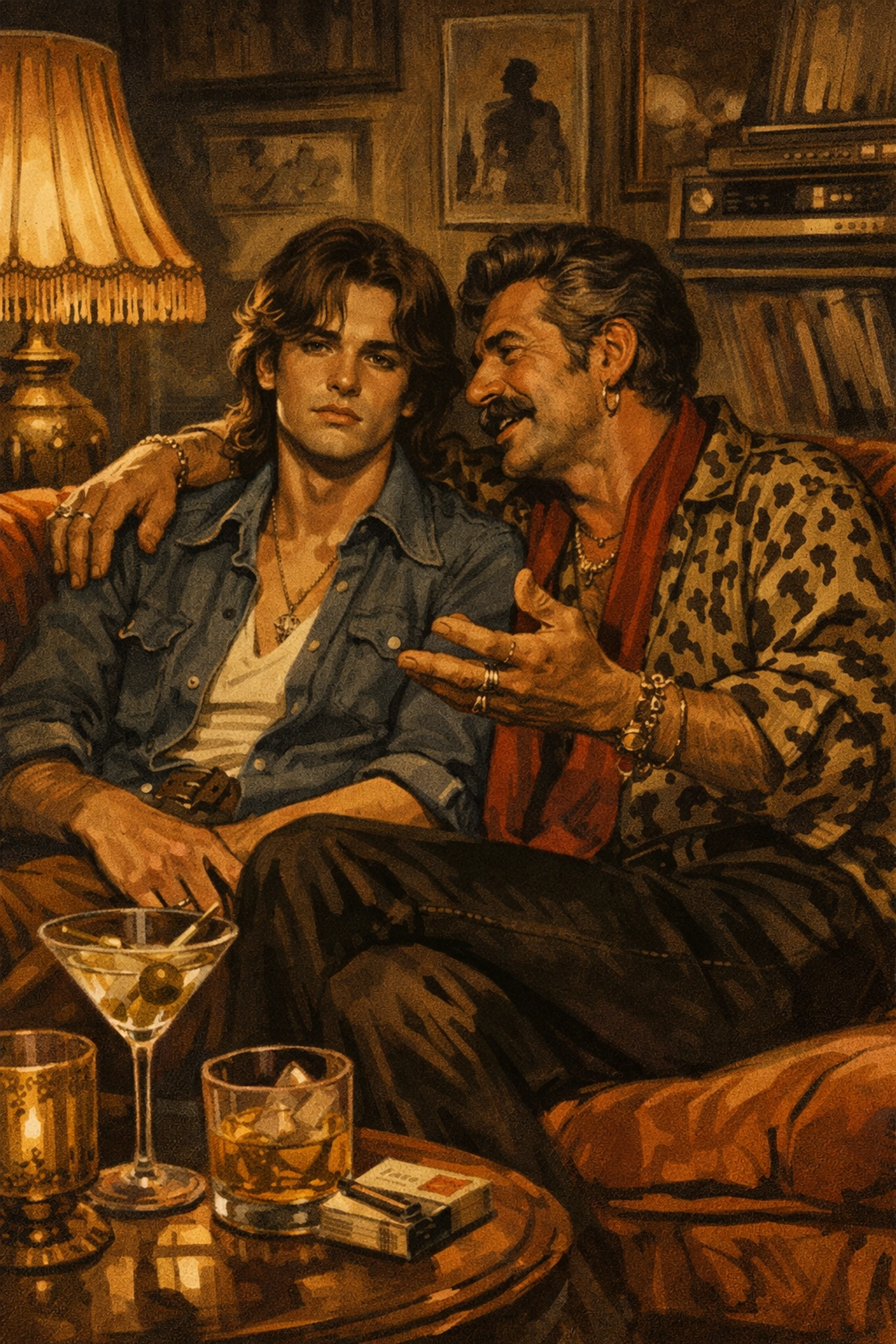
Holleran captured "the sound of a post-Stonewall New York gay sensibility" better than anyone. The camp. The tragedy. The beauty. The desperate searching for meaning in a world that tells you your only value is your youth and your looks. He gave voice to a specific moment in queer history, that brief window between Stonewall liberation and AIDS devastation, when anything seemed possible and the party seemed like it might never end.
The Darkness Under the Disco Ball
Here's where Dancer from the Dance gets real: It doesn't let us off easy with a happy ending. Malone's journey ends in suicide, drowning himself in a symbolic rejection of the empty hedonism that promised everything and delivered nothing lasting.
It's a gut-punch ending, and it's been debated ever since. Was Holleran being tragic for tragedy's sake? Was he commenting on the spiritual bankruptcy of a culture obsessed with youth and beauty? Was he prophesying the devastation to come?
Maybe all of the above. What's undeniable is that this ending makes Dancer from the Dance something more than escapist gay fiction. It's a warning. A lament. A love letter written in grief for a world that's already vanishing even as it's being described.
The novel asks uncomfortable questions: What happens when liberation just means freedom to be as shallow as straight society? When the closet doors open but we just build new cages made of gym memberships and circuit parties? When community gets replaced by competition?
Why It Still Matters
Nearly fifty years later, Dancer from the Dance remains essential reading for anyone interested in LGBTQ+ literature and queer history. Yes, it's a period piece. Yes, the world it describes is long gone (though some would argue the party just moved to different venues). But the questions it asks are eternal.
What are we searching for when we go out hunting for connection? How do we build authentic relationships in communities that worship surfaces? What does liberation actually mean? How do we find meaning beyond desire?
For readers at Read with Pride, this novel belongs on your shelf alongside the other classics that shaped gay romance and queer storytelling. It influenced generations of writers who came after, anyone writing MM romance or queer fiction that grapples with loneliness, desire, and the search for authentic connection owes a debt to Holleran.
Plus, from a pure craft perspective, the writing is chef's kiss. If you want to see how to capture atmosphere, how to make a specific time and place come alive on the page, how to balance beauty and tragedy, this is a masterclass.
The Legacy Lives On
Dancer from the Dance opened doors for more honest, complex gay novels to exist. It proved that LGBTQ+ fiction could be literary, could grapple with big questions, could be both a celebration and a critique of queer life. It showed that gay stories deserved to be taken seriously as literature, not just dismissed as niche or salacious.
And it preserved a moment in queer history that would otherwise be lost. For those of us who didn't live through the pre-AIDS 70s, this novel is our window into what that world looked, felt, and sounded like. It's documentation. It's testimony. It's a gorgeous, heartbreaking time capsule.
If you're building your collection of essential gay literature, if you're exploring the roots of modern MM fiction, if you simply want to read something that will transport you to another time and leave you contemplating it for days, pick up Dancer from the Dance.
Yeah, it's going to hurt a little. The best books usually do. But it's also going to remind you why stories matter, why preserving queer history matters, and why sometimes the most loving thing art can do is tell us the truth, even when it's painful.
Find more essential LGBTQ+ books and discover your next unforgettable read at readwithpride.com.
Connect with us:
- Facebook: Read With Pride
- Instagram: @read.withpride
- X/Twitter: @Read_With_Pride
#ReadWithPride #GayLiterature #LGBTQBooks #MMRomance #GayFiction #QueerLit #ClassicGayNovels #70sGayHistory #DancerFromTheDance #GayRomanceBooks #LGBTQFiction #QueerBooks #GayNovels #PreAIDSEra #GayBookClub #MMFiction #LGBTQReading #GayClassics #QueerHistory #GayLoveStories

Leave a Reply
You must be logged in to post a comment.