

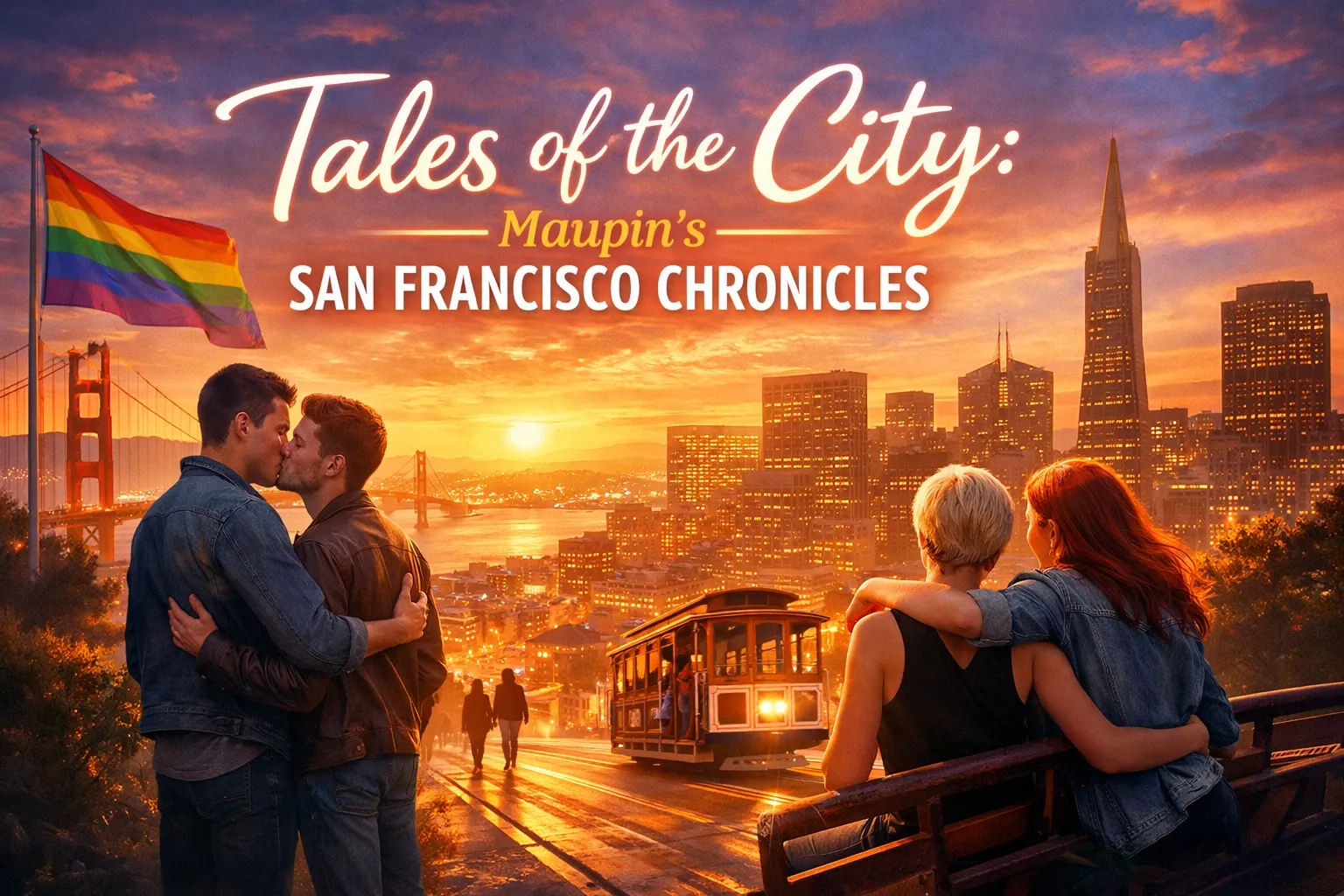
Before binge-watching was a thing, there was binge-reading. And back in 1976, San Francisco residents got hooked on something magical appearing in their morning newspaper, a serialized story about the wonderfully weird, deeply human lives unfolding at 28 Barbary Lane. Armistead Maupin's Tales of the City didn't just chronicle queer life in San Francisco; it celebrated it, one daily installment at a time.
This wasn't your grandmother's soap opera (well, unless your grandmother was super cool). This was groundbreaking gay fiction that brought the full spectrum of LGBTQ+ experience to breakfast tables across America.
From Newspaper Columns to Literary Legend
Let's talk about the genius of how Tales of the City came to be. Maupin started writing these stories as serialized installments for the San Francisco Chronicle in 1976, continuing into the San Francisco Examiner. Every morning, readers would grab their coffee and flip to the latest chapter, desperate to know what was happening with their favorite characters.
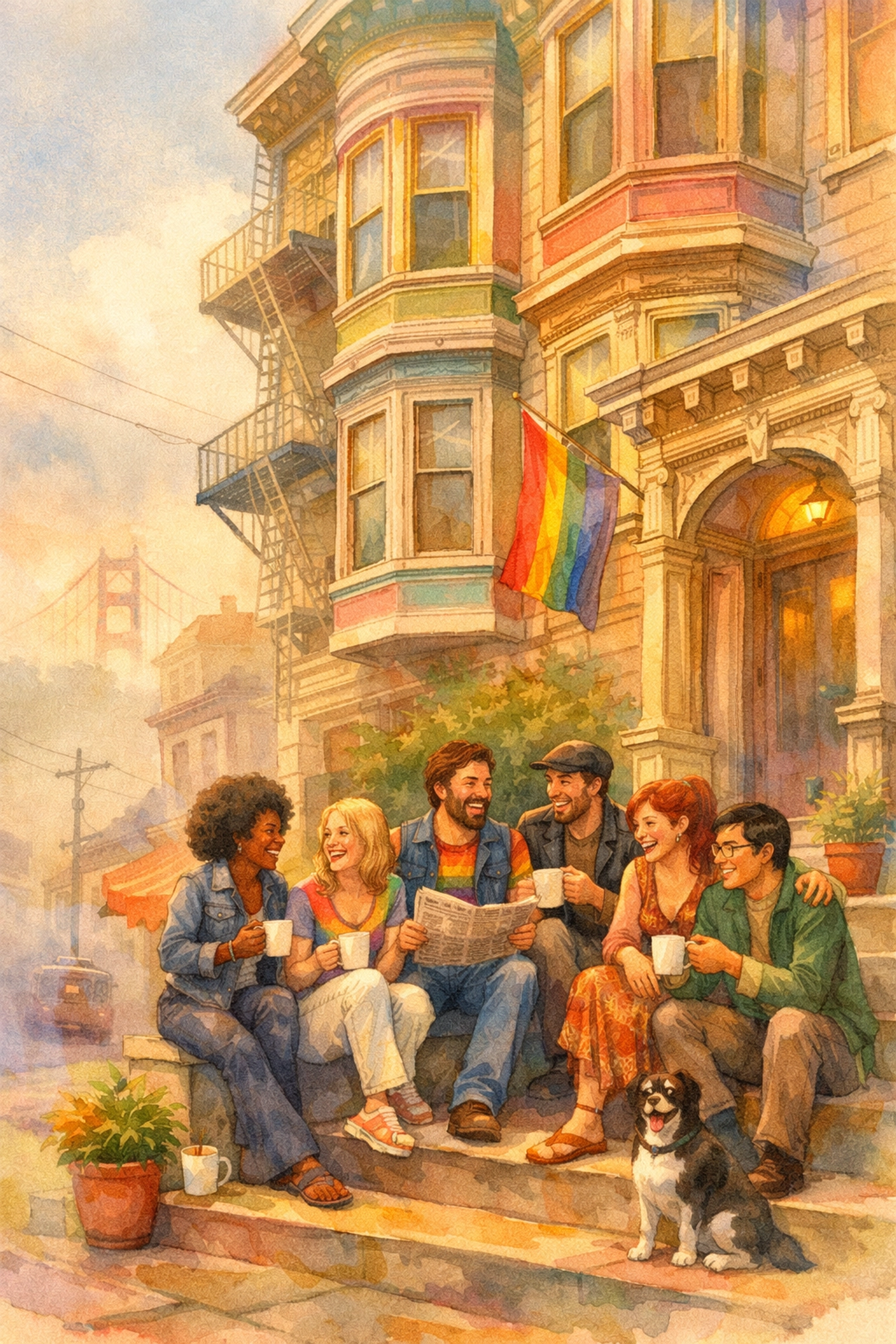
This serialization format was brilliant for several reasons. First, Maupin could incorporate current events happening right now in San Francisco, making the stories feel alive and immediate. Second, he could adjust the narrative based on reader response, kind of like the original interactive fiction. And third, it created a community of readers who were all experiencing these stories together, discussing them at work, at bars, at the grocery store.
The first three novels (Tales of the City, More Tales of the City, and Further Tales of the City) were all compiled from these newspaper serials before Maupin started writing directly as novels. By the time the series concluded in 2024 with Mona of the Manor, it had spanned nearly five decades and ten books, a testament to the enduring power of these characters and stories.
Welcome to 28 Barbary Lane
The heart of the series is the apartment building at 28 Barbary Lane, a fictional address that feels more real than many actual places. It's here that Mary Ann Singleton, a wide-eyed transplant from Cleveland, stumbles into a chosen family that will change her life forever.
But let's be real, Mary Ann is our entry point, but she's not the star. The real magic happens with the gloriously diverse cast of characters who call Barbary Lane home:
Anna Madrigal, the enigmatic landlady who grows marijuana in her garden and leaves mysterious joints on her tenants' doorsteps, becomes one of the first positive transgender characters in mainstream fiction. Her story, revealed gradually over the series, is handled with tenderness and complexity that was virtually unheard of in the late 1970s.
Michael "Mouse" Tolliver is the beating heart of the series. His journey as a gay man navigating love, loss, friendship, and eventually the AIDS epidemic makes him one of the most fully realized queer characters in LGBTQ+ literature. Michael's voice, warm, funny, occasionally heartbroken but never defeated, resonates across decades.

Then there's Mona Ramsey, the bisexual wild child; Brian Hawkins, the straight ladies' man learning to be a better person; and a rotating cast of lovers, friends, enemies, and everything in between. What Maupin understood, and what makes these books timeless, is that queer community isn't monolithic. It's messy, it's complicated, and it's beautiful.
Breaking Ground When It Mattered Most
Here's where Tales of the City goes from "beloved series" to "absolutely essential gay literature." In 1984, Maupin published Babycakes, the fourth book in the series, which became the first piece of fiction to acknowledge the arrival of AIDS.
Think about that timing. The AIDS epidemic was devastating San Francisco's gay community, fear and misinformation were rampant, and mainstream media was either ignoring it or sensationalizing it. And here was Maupin, in a widely-read serialized format, telling human stories about how AIDS was affecting real people, people readers had come to know and love over nearly a decade.
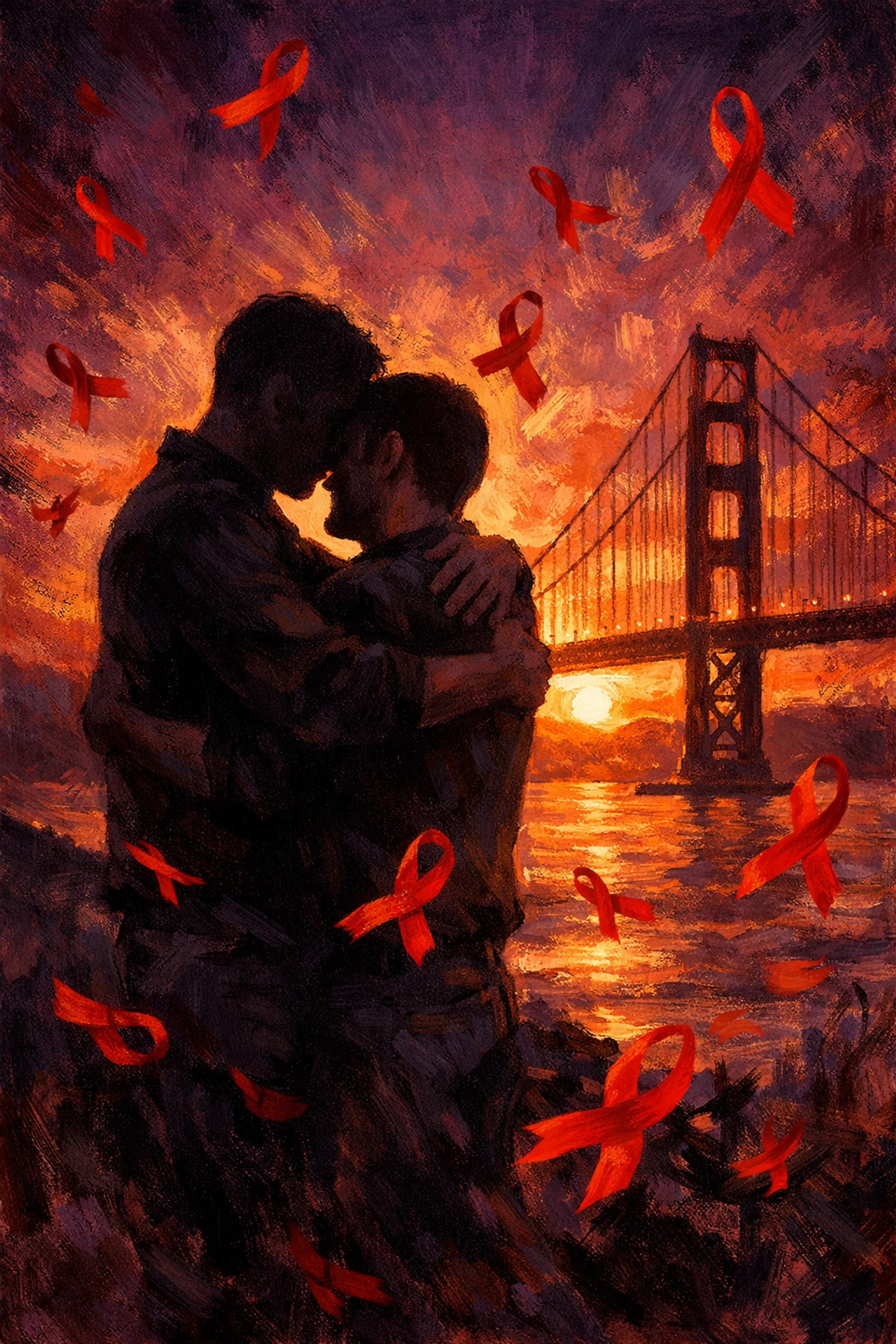
Michael's storyline through the AIDS years (Babycakes, Significant Others, Sure of You) is gut-wrenching and essential reading. Maupin didn't shy away from the horror of watching friends die or the terror of waiting for test results. But he also didn't strip his characters of their humanity, their humor, or their capacity for joy. This wasn't grief porn, it was honest, compassionate storytelling that honored the lived experience of a community under siege.
The series also tackled gay rights, coming out stories, chosen family versus biological family, and the ongoing fight for acceptance and equality. These weren't "issues of the day" tacked onto a plot, they were woven into the fabric of these characters' lives because that's how it actually works.
The San Francisco Chronicles
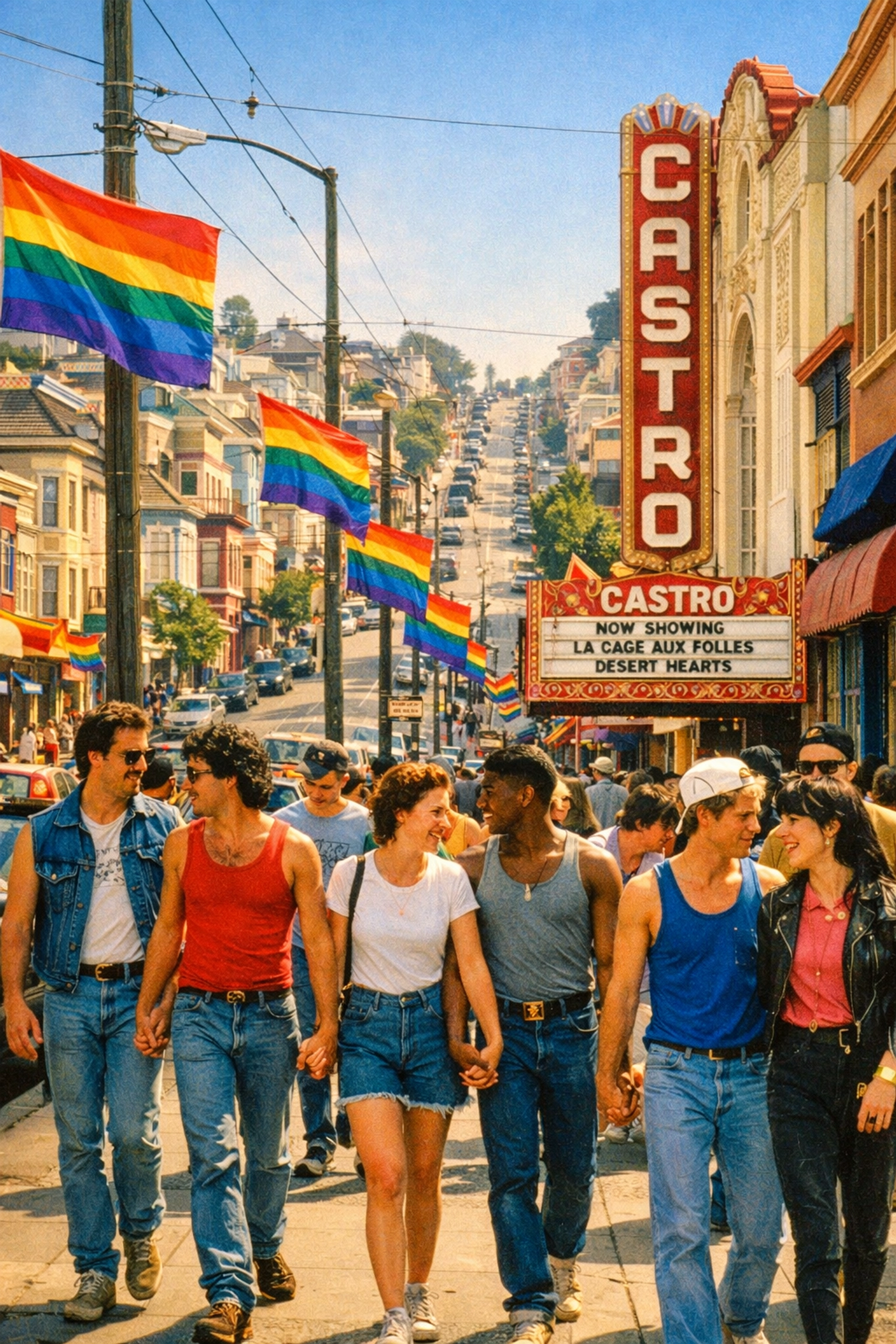
San Francisco itself is a character in these books. Maupin captures the city in all its fog-shrouded, bridge-crossing, hill-climbing glory. From the Castro to Pacific Heights, from beach bonfires to opera nights, the queer fiction landscape of Tales is specifically, unapologetically San Francisco.
But here's the thing, you don't have to have ever set foot in San Francisco to feel at home in these pages. The specificity of place actually makes the universal themes more powerful. Yes, this is a story about San Francisco's gay community in a particular time and place. It's also a story about finding yourself, finding your people, and building a life that feels authentic.
Why Tales Still Matters
Fast forward to 2026, and we're living in a very different world. We have marriage equality (for now: let's stay vigilant). We have trans visibility. We have openly queer pop stars and politicians and authors. So why do we still need Tales of the City?
Because history matters. Because seeing where we've been helps us understand where we're going. Because a new generation of LGBTQ+ readers needs to know about the people who fought, loved, lived, and died to make our current freedoms possible.
Also? These books are just good. The writing is sharp, the characters are unforgettable, and Maupin has a gift for balancing humor with heartbreak that few authors can match. Whether you're picking up Tales of the City for the first time or revisiting it for the tenth, these stories still hit.
The series continued long after the AIDS crisis, with Michael Tolliver Lives (2007) checking in on our favorite characters in middle age, Mary Ann in Autumn (2010) bringing Mary Ann back to San Francisco after decades away, The Days of Anna Madrigal (2014) giving Anna her long-overdue closeup, and finally Mona of the Manor (2024) circling back to the wild child who started it all.
Reading Tales Today
Starting a ten-book series might feel daunting, but here's the secret: you can start anywhere. While reading in order gives you the full experience of characters aging and changing, each book also works as a standalone peek into this world.
That said, if you're new to MM romance and gay novels, starting with the first Tales of the City is a perfect entry point. It's accessible, engaging, and will have you immediately hooked on these characters. The early books are also lighter in tone: the heavy stuff comes later, but by then you're so invested in these people that you'll want to stay with them through everything.
For those of us at Read with Pride, Tales of the City represents everything we love about LGBTQ+ fiction: authentic voices, complex characters, unflinching honesty about our community's joys and struggles, and most importantly, stories that remind us we're not alone.
Your Invitation to 28 Barbary Lane
The door at 28 Barbary Lane is always open. Whether you're discovering these books for the first time or returning to visit old friends, Maupin's San Francisco Chronicles remind us why we read: to see ourselves reflected on the page, to understand each other better, and to remember that our stories: queer stories, trans stories, stories of love and loss and ridiculous joy: matter.
So grab a joint from Anna (kidding, kind of), pour yourself a drink, and settle in for one of the most important series in gay fiction history. Your chosen family is waiting.
Find more groundbreaking LGBTQ+ literature and connect with fellow readers at ReadWithPride.com
Follow us for daily book recommendations and queer literary love:
#TalesOfTheCity #ArmisteadMaupin #GayFiction #LGBTQBooks #QueerLiterature #GayNovels #ReadWithPride #LGBTQLiterature #MMRomance #GayBooks #QueerFiction #SanFrancisco #LGBTQHistory #GayClassics #PrideReading #LGBTQReading #QueerBooks #GayLoveStories #BestGayBooks #LGBTQFiction2026

Leave a Reply
You must be logged in to post a comment.