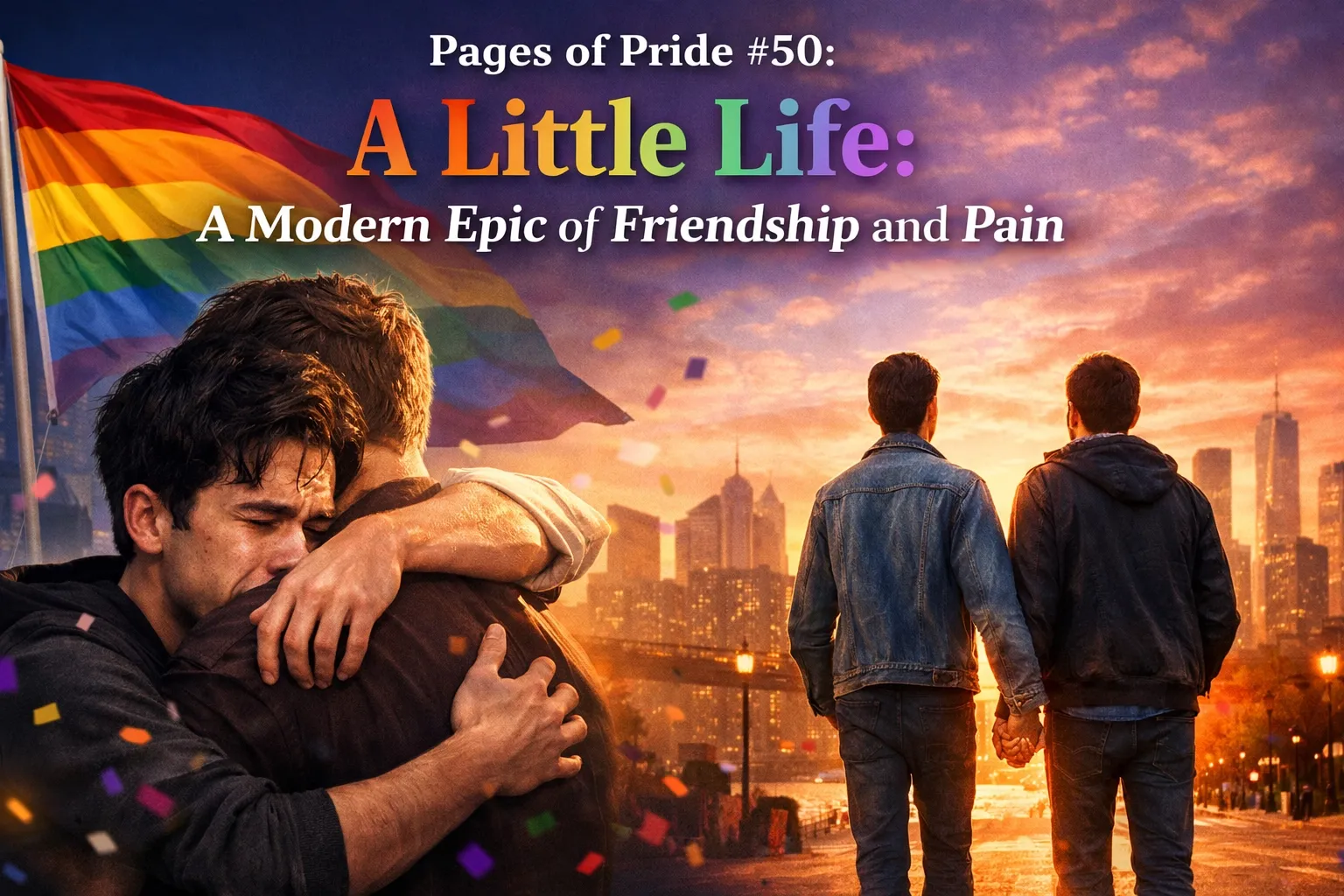
Let's talk about a book that doesn't just break your heart, it shatters it into a thousand pieces, then makes you pick up each shard and examine it closely. A Little Life by Hanya Yanagihara has become one of the most talked-about, debated, and yes, controversial entries in contemporary LGBTQ+ fiction. Whether you love it, hate it, or find yourself somewhere in that complicated middle ground, there's no denying its impact on queer literature and the broader conversation about trauma, masculinity, and love between men.
Why This Book Matters to Queer Literature
When we talk about the best MM romance books and significant gay literature, we often think of stories with clear romantic arcs, happy endings, or at least some glimmer of hope. A Little Life doesn't fit that mold, and that's precisely why it deserves its place in the canon of essential LGBTQ+ books.
This isn't your typical gay romance novel: it's something far more complex and challenging. It's a 700-page epic that follows four college friends navigating life, success, and survival in New York City, with the story centering primarily on Jude St. Francis, a brilliant lawyer carrying unspeakable trauma from his past. The relationship between Jude and his friend-turned-partner Willem forms the emotional core of the narrative, offering one of the most devastatingly beautiful portrayals of male friendship and queer love in modern literature.

The Friendship That Transcends Labels
What makes A Little Life particularly resonant for queer fiction readers is how it explores love between men without being confined by traditional romance tropes. The bond between Jude and Willem evolves from friendship to something deeper: a relationship that defies easy categorization but is undeniably romantic and profoundly queer.
Willem's love for Jude is patient, unwavering, and all-consuming. He sees Jude not as a broken thing to fix but as a complete person worthy of unconditional love. This dynamic speaks to something many in the LGBTQ+ community understand intimately: the way queer love often exists in spaces between traditional labels, shaped by trauma, healing, and the desperate need to be truly seen.
The novel doesn't shy away from depicting the complexity of relationships shaped by trauma. It's not a feel-good MM romance where healing happens neatly over the course of a few hundred pages. Instead, it's a raw, often brutal examination of what it means to love someone who has been profoundly damaged by the world: a theme that resonates deeply within the queer community, where many of us carry our own scars from a society that hasn't always been kind.
The Trauma Question: Why It's So Polarizing
Here's where we need to get real: A Little Life is not an easy read. Not even close. Yanagihara takes readers through scenes of abuse, self-harm, and trauma that are so visceral and unrelenting that many critics have accused the book of being trauma porn: suffering for suffering's sake.
And look, that criticism isn't entirely without merit. The sheer volume of pain Jude endures can feel overwhelming, even exploitative at times. Some readers, particularly those in the LGBTQ+ community who have experienced trauma, find the book triggering and excessive. Others argue that Yanagihara's unflinching portrayal is necessary: that queer trauma has too often been sanitized or ignored in literature, and this novel refuses to look away.
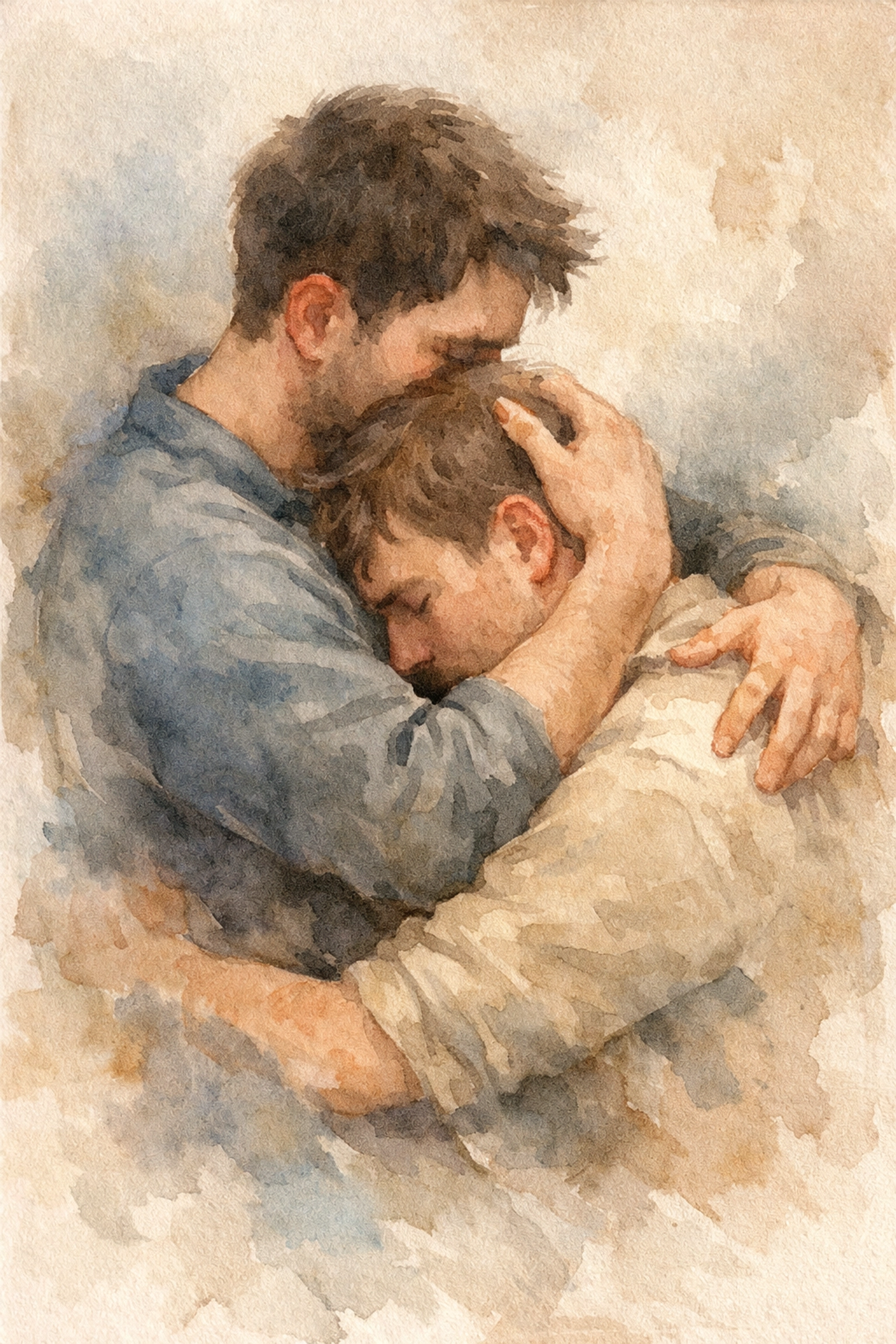
This polarization is precisely what makes the book important to discuss. As queer authors and readers continue to navigate how we tell our stories, A Little Life forces us to confront difficult questions: Where is the line between authentic representation of trauma and gratuitous suffering? Can a story this dark still offer something valuable to readers? Is there responsibility in how we depict queer pain?
What Sets It Apart from Traditional MM Fiction
If you're coming to A Little Life expecting a traditional MM contemporary romance, you'll be completely blindsided. This isn't a story with the familiar beats of gay romance books: the meet-cute, the building tension, the eventual happily ever after. Instead, it's a literary novel that happens to contain one of the most profound queer relationships in recent fiction.
The book's approach to queer identity is also unconventional. Characters' sexualities are never really questioned or discussed in the way they often are in explicitly LGBTQ+ romance. Jude's relationship with Willem simply is: it exists without needing to be explained or justified. In a way, this normalization of queer love is radical in itself. The novel doesn't make queerness the source of trauma or conflict; instead, it's woven seamlessly into a larger story about what it means to survive and to love.
For readers seeking heartfelt gay fiction that challenges the boundaries of the genre, A Little Life delivers something unique. It proves that gay novels can be ambitious, literary, and devastating while still centering queer love at their core.
Why LGBTQ+ Readers Keep Coming Back
Despite: or perhaps because of: its difficulty, A Little Life has developed a devoted following within the queer community. There's something about Yanagihara's unflinching exploration of pain and love that speaks to many LGBTQ+ fiction readers who have felt their own experiences haven't been adequately represented in mainstream literature.
The novel's portrayal of chosen family resonates particularly strongly. The four friends at the story's center: Jude, Willem, JB, and Malcolm: create a family bound not by blood but by choice and unconditional support. This theme of chosen family is central to queer experience, and the book captures its complexity beautifully. These friendships aren't perfect or uncomplicated, but they're real and deeply felt.
Moreover, the book's status as a modern classic has made it essential reading for anyone interested in the evolution of contemporary gay fiction. It's sparked countless book club discussions, think pieces, and passionate debates. Love it or hate it, you can't ignore its influence on how we talk about gay literature in 2026.
Where It Fits in Your Reading Journey
So where does A Little Life belong on your LGBTQ+ reading list? That depends on what you're looking for.
If you want steamy MM romance or uplifting gay love stories, this isn't it. But if you're ready for something that will challenge you, devastate you, and make you think deeply about the nature of love, trauma, and survival, then A Little Life deserves your attention.
Consider it essential reading if you're interested in understanding the full spectrum of queer fiction: not just the romances with happy endings, but the stories that wrestle with the harder truths of queer existence. It's a book that proves gay fiction can be literary, ambitious, and uncompromising while still centering queer lives and loves.
For more thoughtful discussions on contemporary MM romance and LGBTQ+ books, check out Read with Pride, where we celebrate the full diversity of queer storytelling.
Final Thoughts: To Read or Not to Read?
A Little Life isn't for everyone, and that's okay. Its depiction of trauma is intense and potentially triggering. But for those who can handle its emotional weight, it offers one of the most powerful explorations of male friendship and queer love in contemporary literature.
This is the 50th book in our Pages of Pride series, and it feels fitting to mark this milestone with something that challenges us. Not every gay book we celebrate needs to be comforting. Sometimes the most important stories are the ones that hurt: that force us to sit with discomfort and think deeply about what we've read.
Whether A Little Life becomes one of your favorite MM books or one you wish you'd never picked up, it's a novel that demands to be reckoned with. And in a literary landscape where LGBTQ+ fiction is too often expected to be palatable and uplifting, there's something valuable about a book that refuses to make trauma comfortable or love simple.
Connect with us for more queer literature discussions:
📚 www.readwithpride.com
📘 Facebook
🐦 Twitter/X
📸 Instagram
#ReadWithPride #ALittleLife #LGBTQBooks #MMRomance #GayFiction #QueerLiterature #GayBooks #ContemporaryGayFiction #LGBTQReading #QueerBooks #GayLiterature #MMBooks #BestGayBooks2026 #LGBTQFiction #GayRomance #PagesOfPride #BookReview #QueerReading #GayNovels

Leave a Reply
You must be logged in to post a comment.