

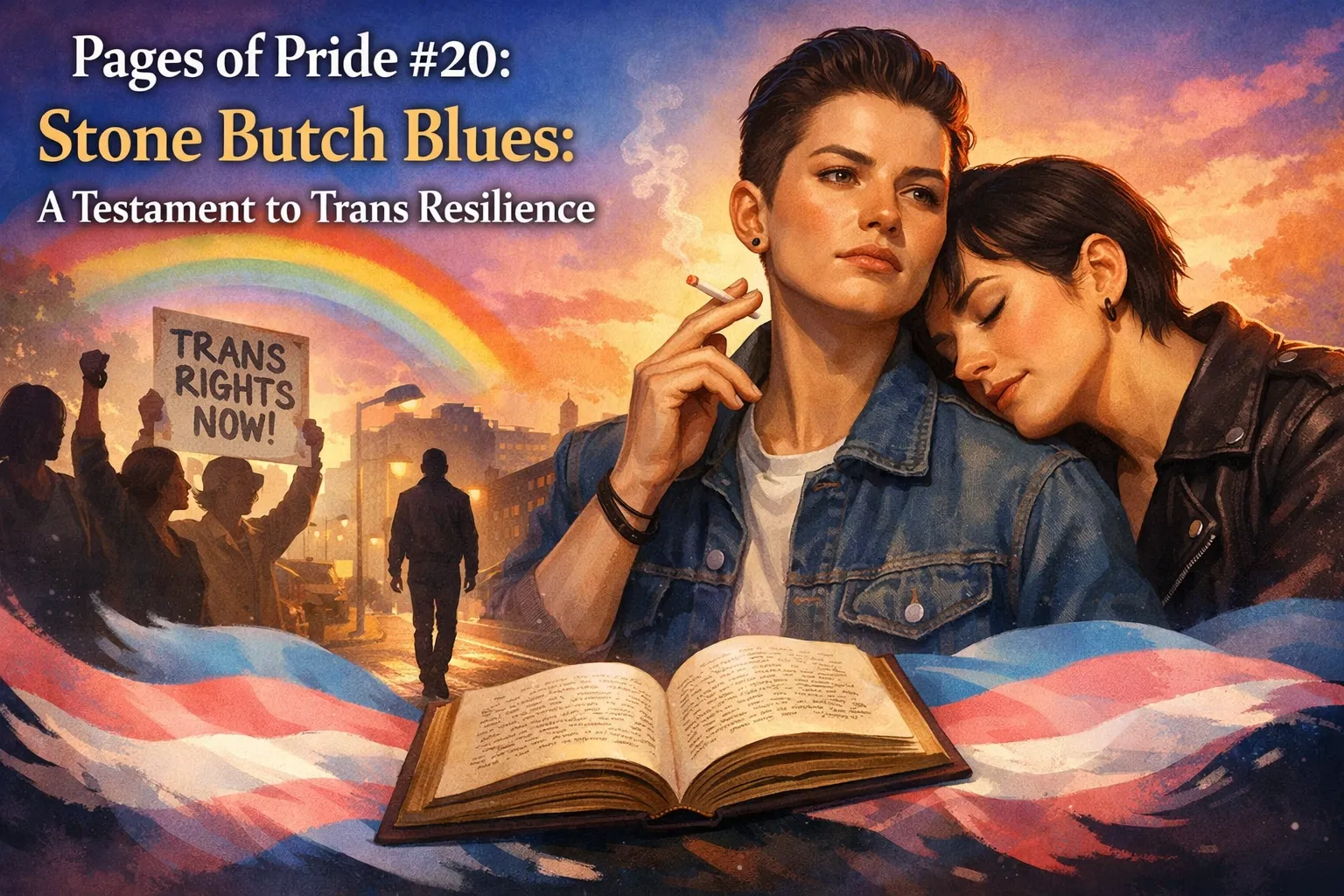
Some books don't just tell a story: they bear witness. They document survival when survival itself was an act of resistance. Stone Butch Blues is one of those books.
Published in 1993 by Leslie Feinberg, this semi-autobiographical novel stands as a cornerstone of trans literature and queer fiction. It's raw, unflinching, and absolutely essential reading for anyone who wants to understand the historical queer struggles that paved the way for the rights we have today. If you're looking for LGBTQ+ fiction that tells the truth without pulling punches, this is it.
The Story That Refuses to Be Silent
At its heart, Stone Butch Blues follows Jess Goldberg, a gender nonconforming person navigating a world that has no language: and no mercy: for people like them. Set against the backdrop of mid-to-late 20th century America, the novel chronicles Jess's journey from a childhood marked by rejection to a hard-won sense of self in a community of butches, femmes, and gender outlaws.
This isn't a fairy tale. Jess faces institutionalization in a psychiatric ward as a teenager simply for being gender nonconforming. Throughout her life, she endures police raids on gay bars, brutal arrests, sexual assault by law enforcement, and the constant threat of violence for daring to exist authentically. The novel captures an era when loving who you loved and being who you were could get you beaten, arrested, or worse.
But here's the thing about Stone Butch Blues: it's not just a catalogue of trauma. It's a story about finding yourself, finding your people, and refusing to disappear even when the world demands it.
Gender on Your Own Terms
One of the most powerful aspects of the novel is how it explores gender identity long before we had the contemporary vocabulary we use today. Jess's journey includes medical transition: taking testosterone, undergoing chest reconstruction: but the story doesn't end there. Eventually, Jess stops hormones and embraces a gender nonconforming identity that feels genuinely authentic, even if it doesn't fit into neat boxes.

This complexity is what makes Stone Butch Blues such vital gay literature. It shows that the path to self-discovery isn't always linear, and that authenticity sometimes means creating your own categories when society's labels don't fit. Jess's story reminds us that trans and gender nonconforming people have always existed, even when the world tried to erase them.
In an era where queer fiction often focuses on coming out narratives with happy endings, Stone Butch Blues offers something different: a testament to the messy, painful, beautiful reality of living outside the binary before there were Pride parades and anti-discrimination laws.
Chosen Family and Community Survival
If there's hope in this novel: and there is: it comes from community. Jess finds connection among other butches, femmes, and queer people who understand what it means to be hunted simply for existing. These relationships form a chosen family that provides safety, love, and recognition when Jess's family of origin offered only rejection.
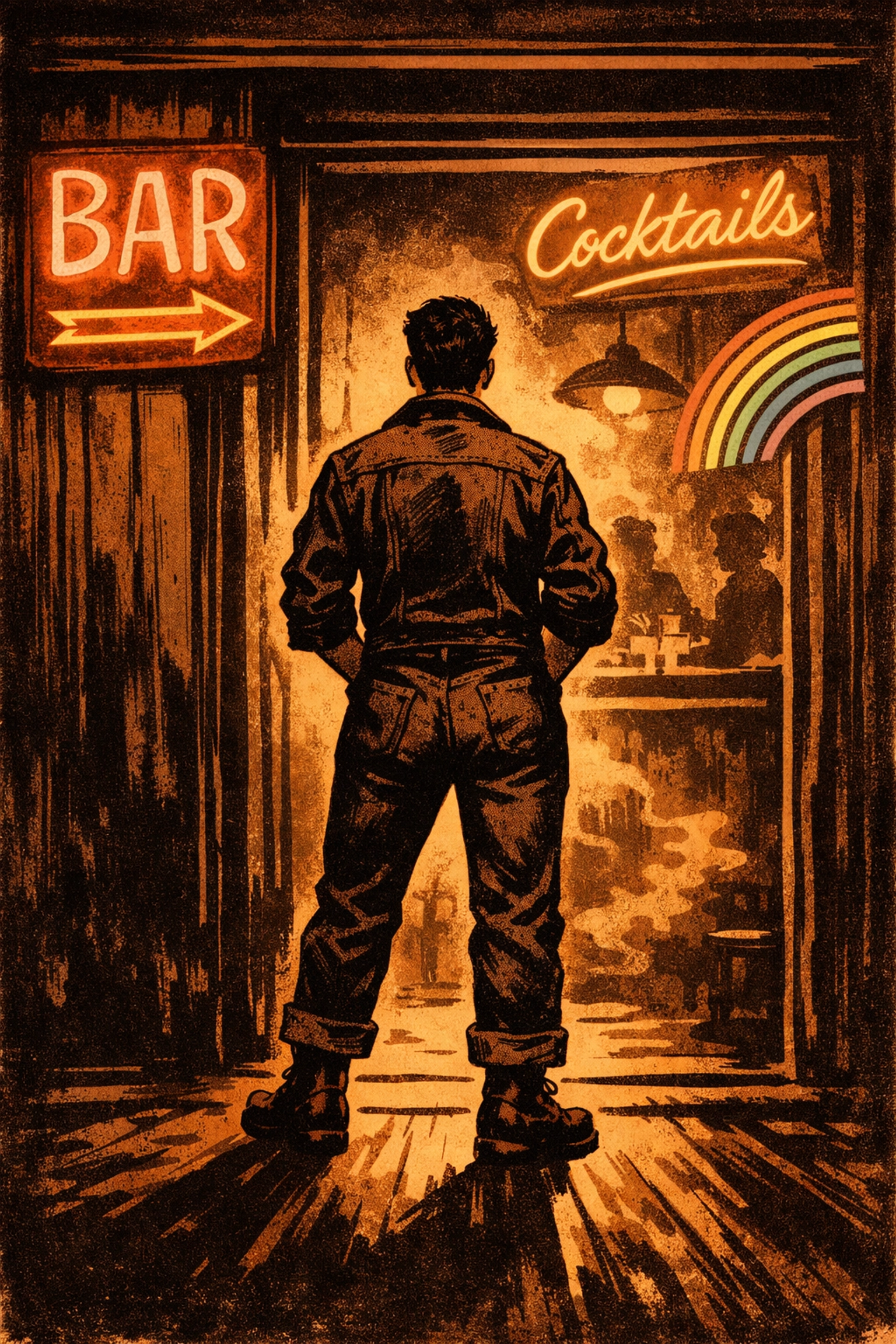
The bar scenes, with their codes and solidarity, paint a picture of a pre-Stonewall queer world where community meant survival. When police raids became routine terrorism, it was the community that looked out for each other, that created spaces of joy and dancing in the face of systematic oppression.
By the novel's close, Jess finds companionship with Ruth, a transgender woman neighbor who sees and accepts her fully. It's a quiet moment of recognition that feels revolutionary: two people who've fought to exist, finding peace in being understood.
Why Stone Butch Blues Still Matters
Here's what makes this book essential reading in 2026: it's a record of what came before. While younger queer and trans folks today benefit from increased visibility and legal protections, Stone Butch Blues documents the price that was paid for those gains. It's a reminder that our rights were hard-won by people who risked everything.
For those exploring MM romance and contemporary LGBTQ+ books at Read with Pride, Stone Butch Blues offers crucial context. It shows where we've come from and why representation in gay fiction and queer literature matters so deeply. Every love story we get to read freely today exists because people like Jess Goldberg refused to disappear.
The novel also raises questions that remain relevant: What does it mean to be authentic in a world that demands conformity? How do we honor our identities while staying safe? What do we owe to the generations who fought before us?
Reading Stone Butch Blues Today
Fair warning: this book is not an easy read. The violence is graphic, the pain is real, and there are moments that will break your heart. But it's also profoundly important: one of those works of LGBTQ+ fiction that changes how you see history and community.
Feinberg originally made the novel available for free online, believing that trans and gender nonconforming people's stories should be accessible to everyone. That spirit of community care runs through every page.
If you're building your collection of gay books and LGBTQ+ ebooks, make room for Stone Butch Blues. Read it alongside contemporary gay romance books and MM novels. Let it inform your understanding of where today's queer fiction comes from. Let it remind you that every gay love story you enjoy exists because people like Leslie Feinberg told the truth about survival.
The Legacy Lives On
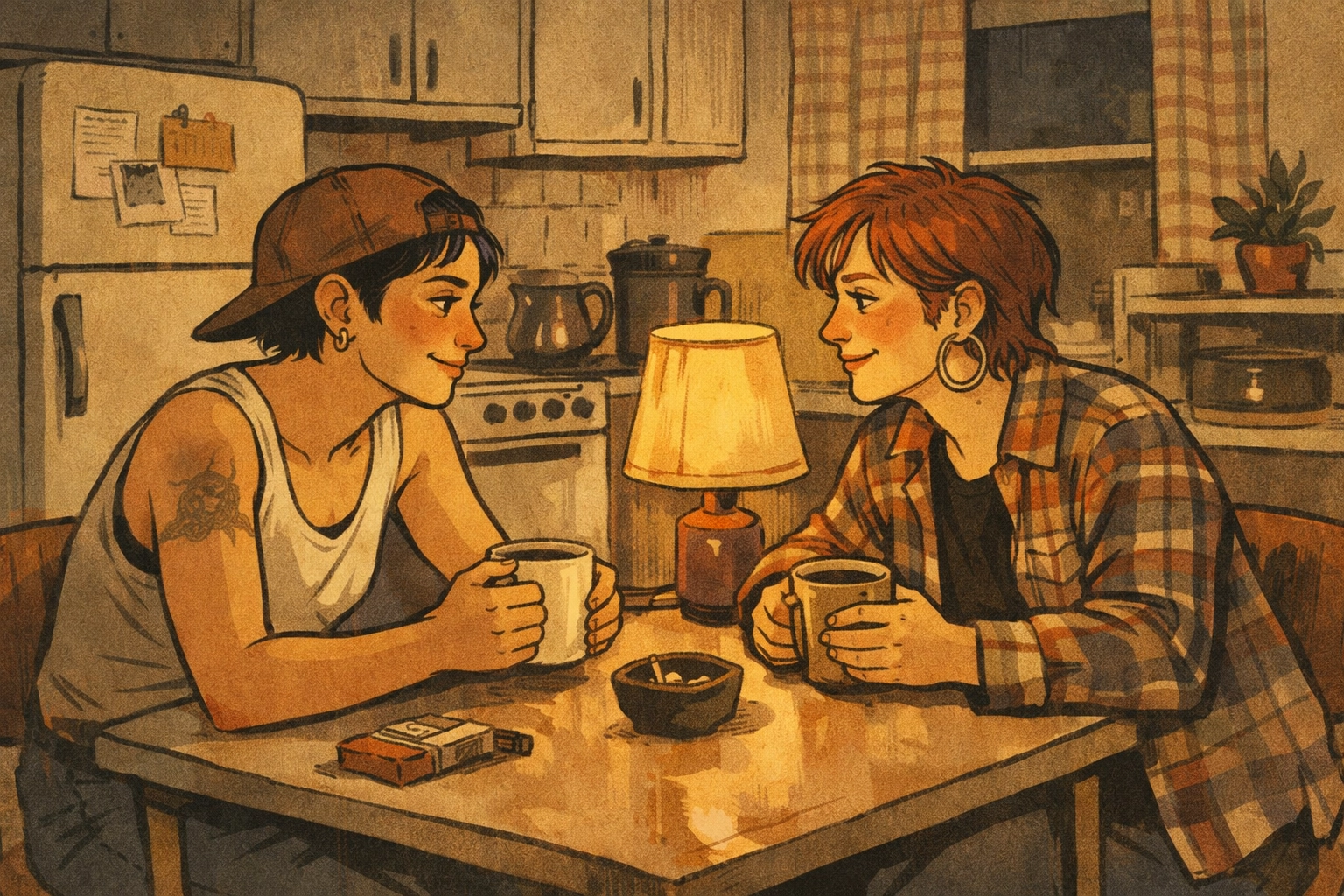
Stone Butch Blues isn't just a historical document: it's a living testament that continues to resonate with readers discovering their own identities. It speaks to anyone who's ever felt like they don't fit, who's ever had to fight to be seen, who's ever found home in a chosen family rather than the one they were born into.
As we continue our journey through the best LGBTQ+ books in history and beyond, Stone Butch Blues stands as a monument to trans resilience, butch/femme culture, and the unbreakable spirit of queer community. It's a reminder that our stories matter: the painful ones, the triumphant ones, and all the complicated ones in between.
Visit readwithpride.com to explore more essential gay literature and discover both classic works and new gay releases that carry forward the legacy of truth-telling that Leslie Feinberg embodied.
Connect with our community on Facebook, Instagram, and Twitter/X to share your thoughts on the books that changed your life.
Because every page of pride matters. Every story of survival matters. And Jess Goldberg's story: raw, real, and revolutionary: matters profoundly.
#StoneButchBlues #TransLiterature #LGBTQBooks #QueerFiction #GayLiterature #ReadWithPride #TransResilience #ButchFemme #QueerHistory #LGBTQHistory #GayBooks #TransBooks #QueerLit #LGBTQReading #PagesOfPride #GenderNonconforming #TransStories #QueerCommunity #LGBTQLiterature #ReadWithPride2026

Leave a Reply
You must be logged in to post a comment.