

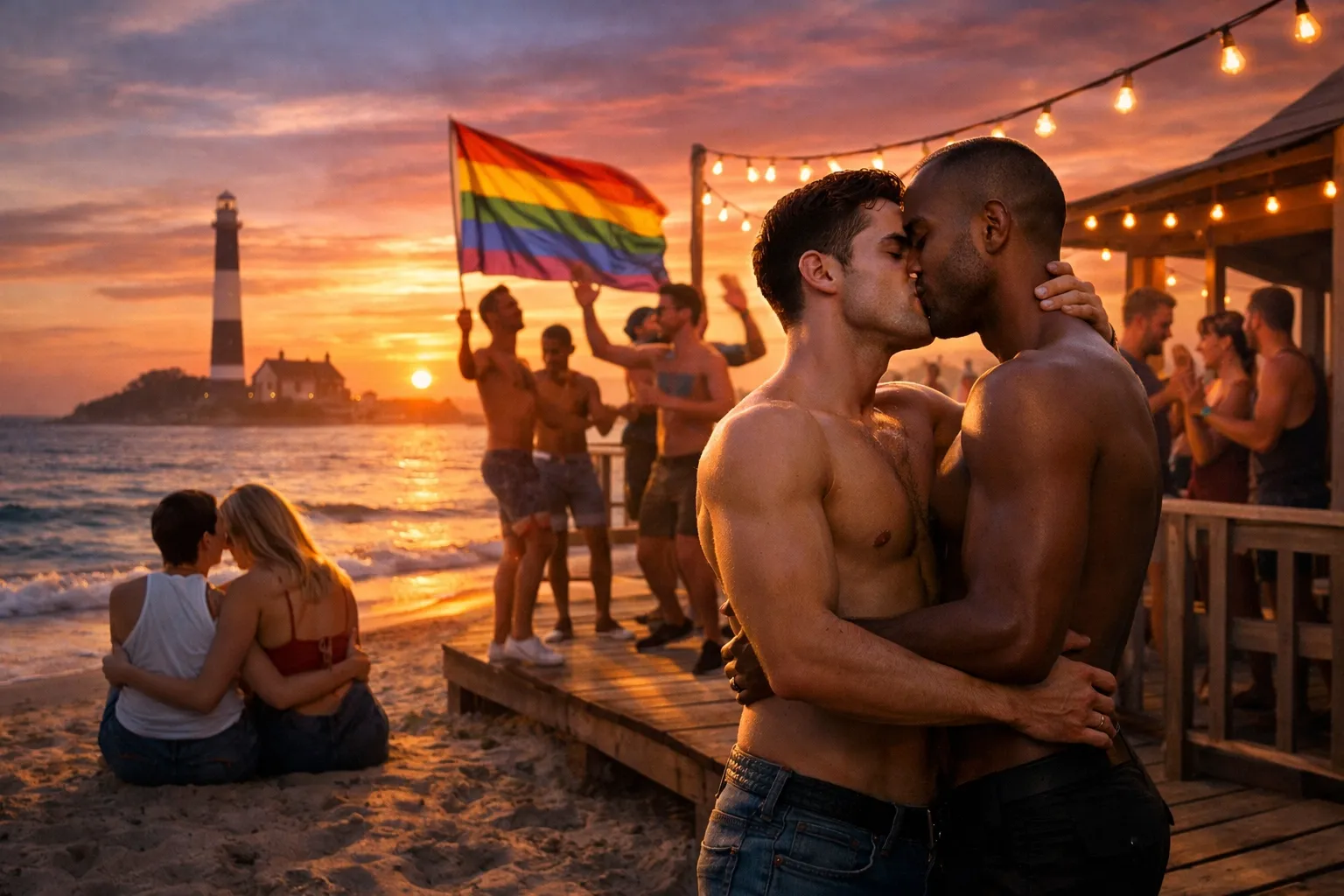
There's a specific kind of nostalgia that comes with reading about a world that no longer exists: especially when that world burned so brightly before it was forever changed. Andrew Holleran's Dancer from the Dance, published in 1978, captures the intoxicating, hedonistic pre-AIDS era of New York's gay scene with such vivid detail that you can practically smell the sweat and poppers on the dance floor.
This isn't just another entry in the canon of gay literary classics. It's a time capsule, a love letter, and a cautionary tale all wrapped up in disco glitter and bitter tears.
The World Before Everything Changed
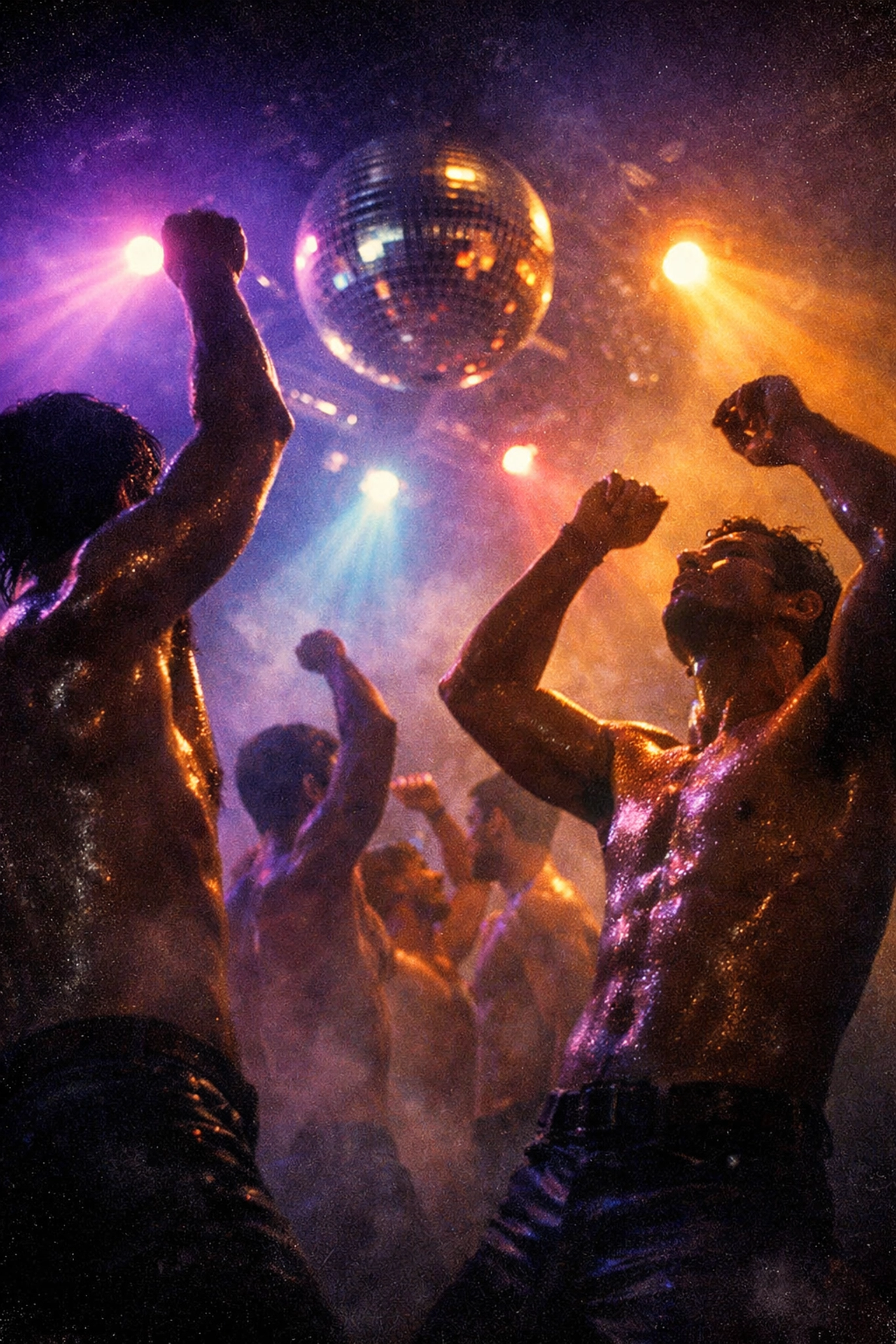
Picture this: It's the mid-1970s. Stonewall is in the rearview mirror, and for the first time, urban gay men are living openly, loudly, and unapologetically. Manhattan's nightlife pulses with possibility: the Everard baths steam with desire, after-hours discos throb until dawn, and every summer weekend, Fire Island becomes a paradise where inhibitions dissolve like salt in the ocean.
Holleran doesn't just describe this world in Dancer from the Dance: he immerses you in it. His prose is lush, almost intoxicating, mirroring the sensory overload of the era. This is gay fiction at its most atmospheric, where the setting becomes as important as any character. Fire Island, in particular, emerges as both Eden and illusion, a place where beauty reigns supreme and tomorrow doesn't exist.
For readers discovering historical MM romance novels and LGBTQ+ fiction that authentically captures queer history, this novel offers something rare: a firsthand account of gay culture in full bloom, written by someone who lived it.
Two Souls Searching in the Strobe Lights
At the heart of Dancer from the Dance are two unforgettable characters who represent different facets of the same desperate search for meaning.
Anthony Malone arrives in New York as so many did: a Midwestern transplant fleeing his conventional life as a lawyer, seeking something he can't quite name. He's the romantic, the idealist, the one who believes that somewhere in this glittering chaos, he'll find authentic love and connection. His journey through the gay scene becomes a quest narrative, though what he's seeking remains frustratingly out of reach.
Andrew Sutherland is his foil: a flamboyant drag queen and socialite who's already been consumed by the scene. Addicted to drugs and attention in equal measure, Sutherland knows all the right people, throws the best parties, and embodies the glamorous excess of the era. Yet beneath his fabulous exterior lies a profound emptiness that no amount of chemical enhancement can fill.
Their relationship: part friendship, part mentorship, part mutual destruction: drives the narrative forward and gives the novel its emotional core. These aren't the sanitized gay characters often found in mainstream fiction of the era. They're messy, complicated, sometimes unlikable, and utterly human.
The Seduction of Excess
What makes Dancer from the Dance such essential gay literature is Holleran's ability to capture both the allure and the danger of the lifestyle he's depicting. The novel's title itself is metaphorical: these characters are literally dancing, night after night, but they're also caught in a larger dance, a cycle of pleasure-seeking that becomes its own kind of prison.
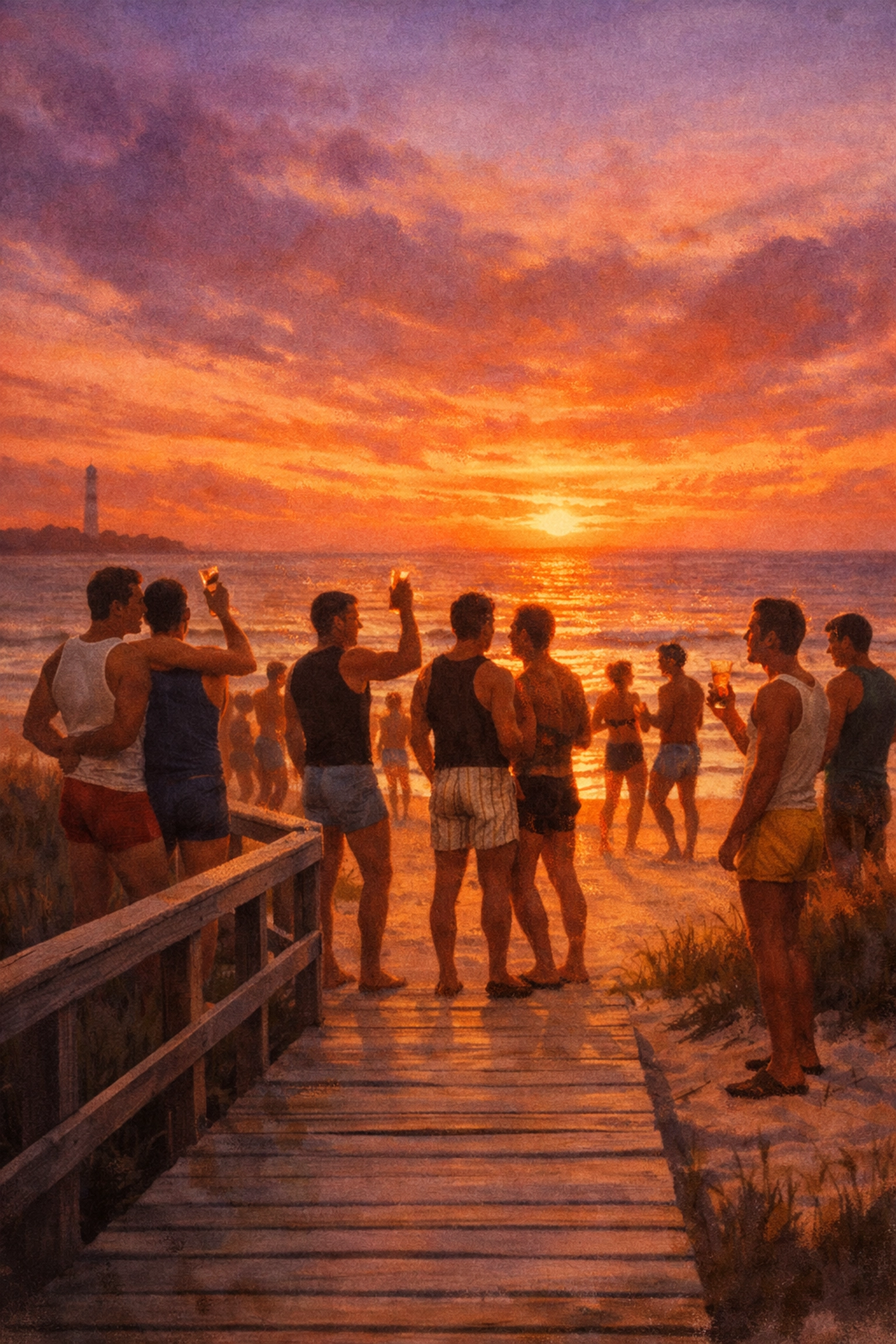
The glamour is real and intoxicating. Holleran's descriptions of Fire Island tea dances, where hundreds of beautiful men gather as the sun sets over the ocean, have an almost mythological quality. The parties, the music, the casual sex, the drugs: it's all presented with a heady mixture of celebration and documentation. This was a moment when gay men could finally be themselves, and they embraced that freedom with abandon.
But Holleran doesn't let the glamour obscure the reality. The endless pursuit of physical pleasure masks spiritual bankruptcy. Characters chase after ideal lovers who exist only in their imaginations. They confuse beauty with substance, excitement with happiness, and connection with completion. The dance goes on, but it's ultimately a dance away from something: from loneliness, from mortality, from the self.
For contemporary readers exploring MM romance books and queer fiction, this novel offers a stark contrast to the genre's typical happy endings. There's romance here, certainly, but it's romance filtered through a more complex, melancholic lens.
The Shadow Falling
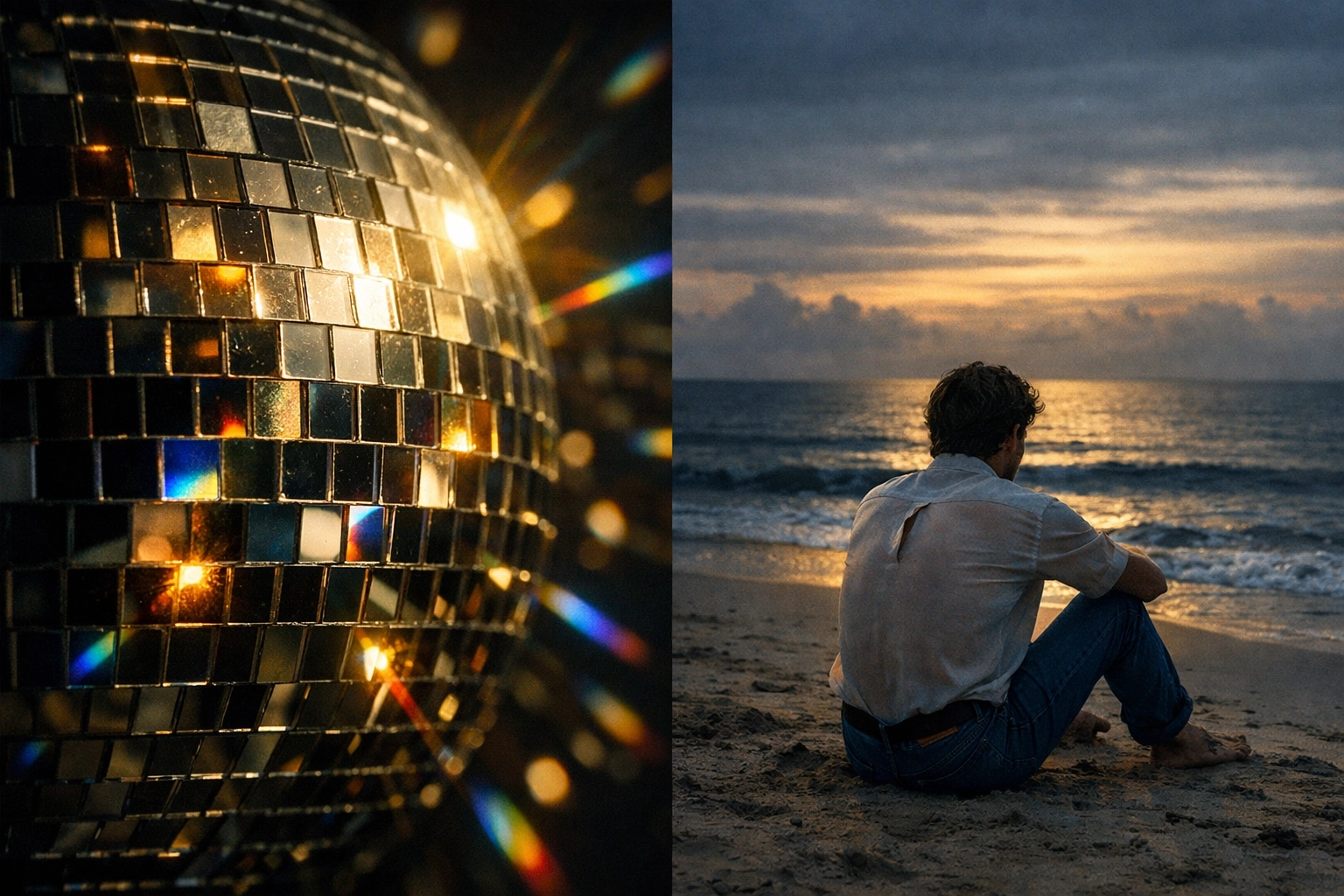
Reading Dancer from the Dance today, knowing what came next, adds another layer of poignancy. The novel was published in 1978, just a few years before HIV/AIDS would devastate the very communities Holleran depicts. The characters don't know it, but they're dancing on the edge of an abyss.
Holleran couldn't have known what was coming, yet the novel is haunted by intimations of loss. The emptiness at the core of all that pleasure-seeking, the way characters burn through their youth with such recklessness, the underlying loneliness despite the crowd: it all reads as tragically prescient. The bitterness that runs through Sutherland's storyline, his inability to find what he truly wants despite having access to everything the scene offers, foreshadows the profound losses to come.
This isn't a novel about AIDS: it predates the crisis: but it's become impossible to read it without that knowledge coloring every page. The world Holleran captures so vividly would soon be gone, and many of the men who lived it wouldn't survive to tell their stories.
Why It Still Matters
Dancer from the Dance remains one of the most important works of LGBTQ+ fiction for several reasons. First, it's one of the earliest novels to authentically portray Fire Island culture and the post-Stonewall gay sensibility. Holleran was writing from inside the community, for the community, with an honesty that mainstream literature rarely allowed.
Second, it's simply brilliant writing. Holleran's prose is gorgeous: sensual, melancholic, and deeply observant. He captures not just what his characters do, but what they feel, what they long for, and what remains forever out of reach. The novel works on both a literal level (as social documentation) and a metaphorical one (as an exploration of desire, beauty, and mortality).
Third, it challenges the narratives both within and outside the LGBTQ+ community. This isn't a coming-out story or a tale of oppression overcome. It's a more complicated examination of what happens after liberation: the freedom to live openly doesn't automatically solve deeper existential questions about meaning and connection.
For readers at Read with Pride exploring the full spectrum of gay romance novels and MM novels, Dancer from the Dance represents an essential touchstone. It's not a romance in the traditional sense, but it's absolutely about love: the search for it, the illusion of it, and the devastating cost of confusing love with something else entirely.
Reading It Today
Modern readers coming to Dancer from the Dance might find it dated in some ways: the novel very much belongs to its era: but its core themes remain devastatingly relevant. The search for authentic connection in a world of superficial interactions, the tension between idealism and cynicism, the way communities can be both nurturing and destructive: these aren't just 1970s problems.
The novel also offers contemporary LGBTQ+ readers a connection to their history. Understanding where we've been: the joy and the pain, the liberation and the loss: enriches our understanding of where we are now. The men in Dancer from the Dance were pioneers in their own way, claiming space and pleasure in a society that had long denied them both. That their story is tinged with melancholy doesn't diminish their courage.
For fans of gay contemporary romance and MM romance books who want to explore the roots of modern queer fiction, Holleran's novel is essential reading. It influenced generations of LGBTQ+ writers and helped establish gay fiction as a legitimate literary category.
Dancer from the Dance reminds us that the queer experience has always been complex, contradictory, and deeply human. It's a novel about beauty and loss, freedom and emptiness, and the eternal human need to find meaning in a chaotic world. The dance may have changed, but we're all still dancing.
Discover more essential LGBTQ+ literature and MM romance books at ReadwithPride.com
Connect with us: Facebook | Instagram | Twitter
#ReadWithPride #DancerFromTheDance #GayLiteraryClassics #LGBTQFiction #MMRomance #GayBooks #HistoricalMMRomance #QueerFiction #GayRomanceBooks #LGBTQBooks #GayLiterature #FireIsland #AndrewHolleran #ClassicGayFiction #PagesOfPride #QueerHistory #GayNovels #MMNovels #LGBTQReading #GayBookClub

Leave a Reply
You must be logged in to post a comment.