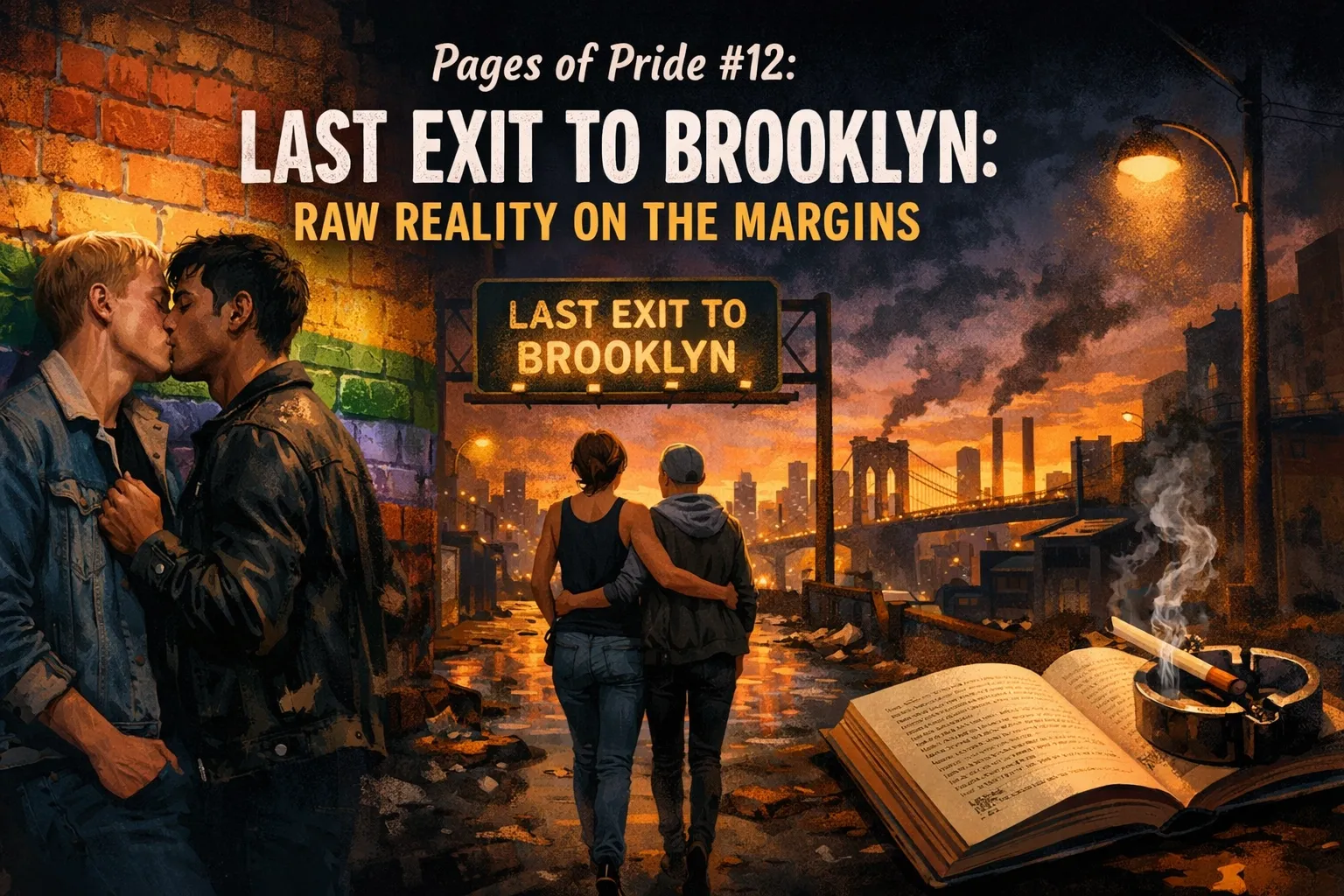
Some books whisper. Others scream. And then there's Hubert Selby Jr.'s Last Exit to Brooklyn, which grabs you by the collar and drags you through the grimy streets of 1950s Brooklyn, refusing to let you look away from what polite society wanted to keep hidden. This isn't your typical historical MM romance novel, it's raw queer fiction at its most unflinching, a literary gut-punch that helped change how LGBTQ+ lives could be depicted in literature.
Published in 1964, Last Exit to Brooklyn landed like a bomb in the conservative literary landscape of mid-century America. This collection of interconnected stories gave voice to the voiceless: sex workers, drug addicts, union thugs, and yes, queer folks living on the absolute margins of society. Selby didn't romanticize, sanitize, or apologize. He simply showed what was there, brutal, beautiful, devastating, and real.
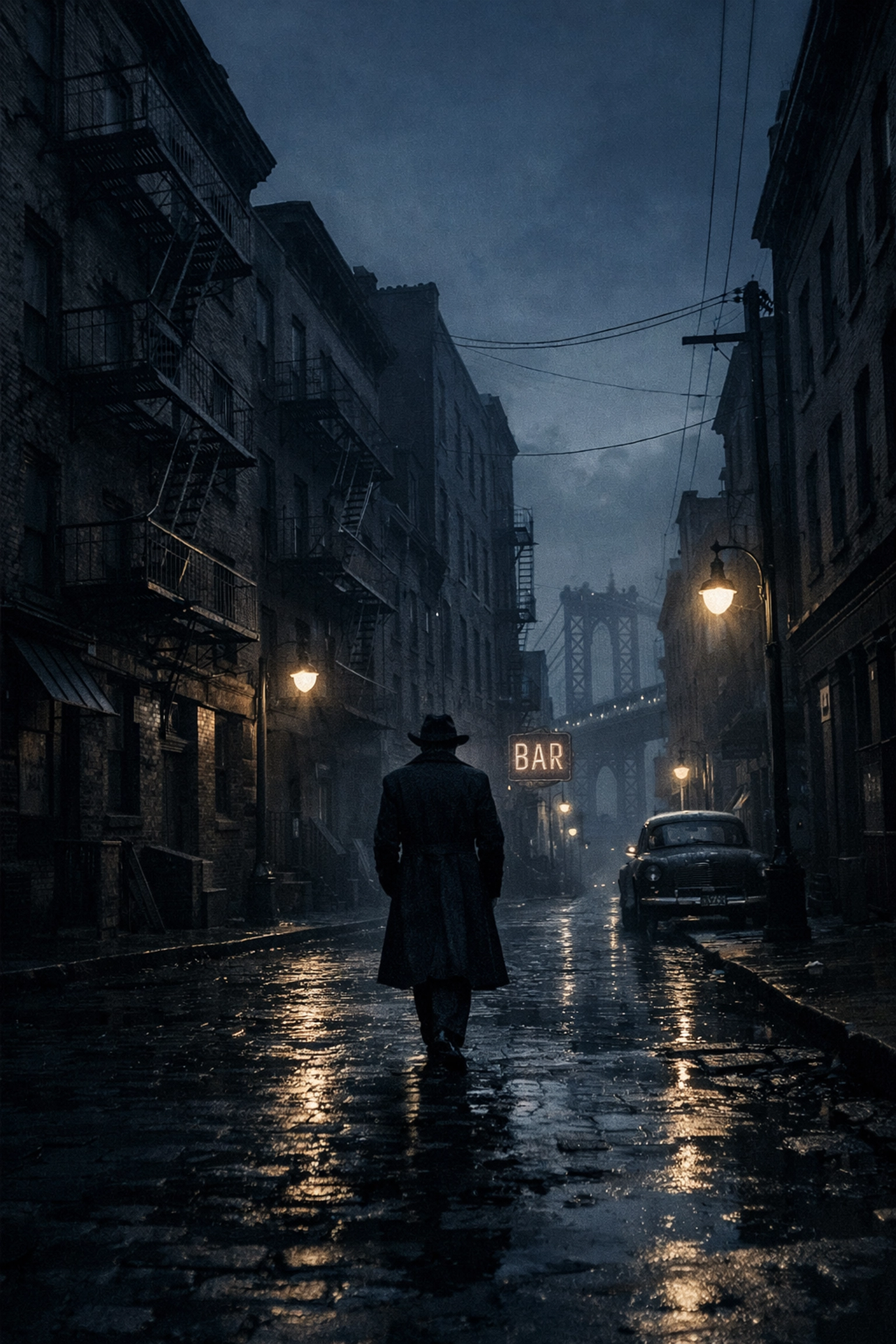
Brooklyn's Underground: Where Queer Lives Existed in the Shadows
The 1950s weren't exactly a golden age for LGBTQ+ visibility. While gay romance novels today can feature happy endings and community acceptance, Selby's Brooklyn was a place where queer survival meant navigating constant violence, police raids, and social rejection. His characters didn't have the luxury of coming-out narratives or pride parades, they had survival.
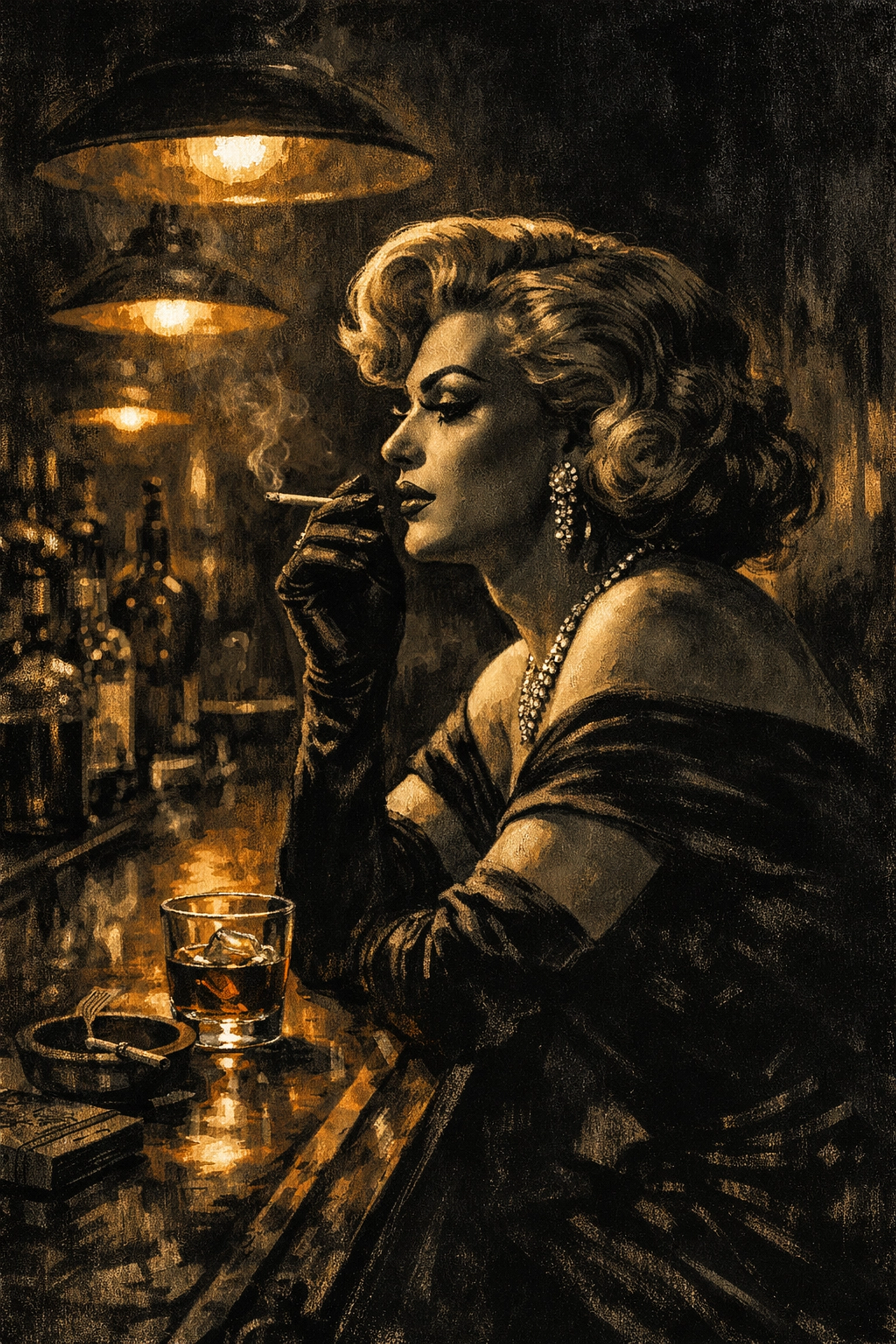
The book's most prominent queer character, Georgette, is a drag queen navigating the brutal world of Brooklyn's working-class neighborhoods. In an era when most gay fiction either punished queer characters or relegated them to tragic subplots, Selby did something revolutionary: he made Georgette fully human. She's not a cautionary tale or a comic relief character. She's complex, flawed, vulnerable, and yes, sometimes hard to like: just like any real person.
What makes Last Exit to Brooklyn essential reading for anyone interested in gay literature isn't just the queer representation, though that's groundbreaking enough. It's the unflinching honesty. Selby refused to write about LGBTQ+ lives through a filter of what straight society wanted to see or what would make them comfortable. This was queer fiction that centered queer truth, no matter how difficult.
The Language of the Streets
Selby's writing style matches his content: raw, rhythmic, and completely unpolished in the best way possible. He largely abandoned conventional punctuation, letting sentences flow into each other like overheard conversations in a Brooklyn bar. Reading Last Exit feels less like consuming a traditional novel and more like being dropped into these characters' lives without a safety net.
This stylistic choice wasn't just artistic experimentation. It was political. By writing in the vernacular of his characters: complete with their crude language, run-on thoughts, and stream-of-consciousness desperation: Selby elevated voices that literature typically ignored. These weren't the refined homosexuals of mainstream gay novels. These were real people speaking in their own words about their own lives.
For contemporary readers used to MM romance books with satisfying emotional arcs, Last Exit to Brooklyn can be challenging. There are no easy resolutions here, no enemies-to-lovers transformations or heartfelt declarations of love. But that's precisely the point. This book documents a time when LGBTQ+ people, especially poor queer people, couldn't afford the luxury of traditional romance narratives.
Controversy and Censorship: The Battle for Queer Stories
Last Exit to Brooklyn didn't just ruffle feathers: it started legal battles. The book faced obscenity charges both in the United States and famously in the UK, where it was banned after its 1966 publication. Publishers, booksellers, and distributors found themselves in court, defending the right to tell these stories.
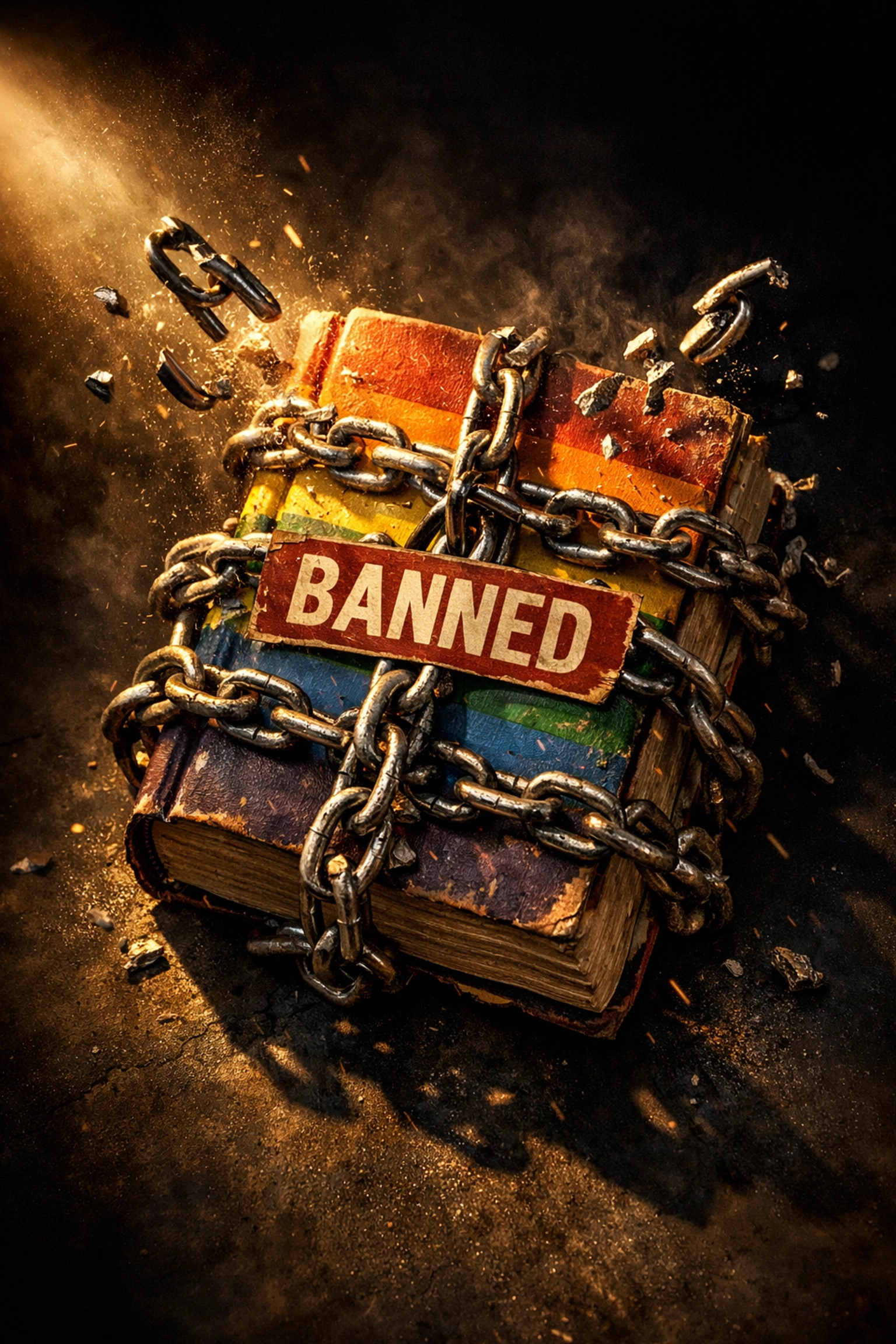
What was considered "obscene" about the book? Sure, there's graphic sexual content and violence. But let's be real: the real obscenity prosecutors couldn't stomach was the honest depiction of queer lives, particularly the kind of queer lives that existed outside respectable society's neat boxes. A drag queen character who wasn't a punch line? Sex workers with interiority and humanity? Working-class queers who didn't apologize for existing? Scandalous.
The UK obscenity trial eventually saw the ban overturned on appeal, establishing important precedents for literary freedom. Last Exit to Brooklyn helped pave the way for the gay romance novels, MM fiction, and queer literature we can freely read and celebrate today through platforms like Read with Pride.
Why This Book Still Matters
You might wonder why a book this dark and difficult deserves a spot on any list of essential LGBTQ+ fiction. After all, we have plenty of contemporary gay novels that celebrate queer joy, found family, and happily-ever-afters. Shouldn't we focus on stories that uplift rather than stories that show queer suffering?
Here's the thing: Last Exit to Brooklyn matters because it refused to erase the realities of marginalized queer existence. Not every LGBTQ+ person has had access to safety, community, or love. Not every queer story ends happily. And pretending otherwise: while understandable in our desire for positive representation: does a disservice to those whose experiences don't fit tidy narratives.
This book is a historical document disguised as fiction. It shows us where we've been as a community, what our elders survived, and why the freedoms we have today: the ability to publish and read gay romance books without legal persecution, to see ourselves in MM contemporary fiction, to celebrate Pride openly: matter so much.

Reading Last Exit Today: A Word of Caution and Encouragement
Let's be upfront: this is not an easy read. The language is often offensive by today's standards. The violence is graphic. The hopelessness can be overwhelming. Readers should approach this book with appropriate content warnings in mind: it depicts sexual assault, drug use, violence, and the casual homophobia and transphobia of 1950s America.
But for those interested in the full scope of gay literature and LGBTQ+ fiction, Last Exit to Brooklyn offers something you won't find in most historical MM romance novels: an unvarnished look at queer survival before liberation. It's a reminder that our community's history isn't just about fabulous icons and chosen family (though those stories matter too). It's also about people who fought to exist in spaces that didn't want them, who carved out identities when society offered no templates.
Think of it as the literary equivalent of looking at old photographs of pre-Stonewall queer life: challenging, sometimes uncomfortable, but essential for understanding the journey.
The Legacy: From Selby to Today's Queer Fiction
The direct line from Last Exit to Brooklyn to contemporary gay fiction might not be obvious at first glance. After all, today's MM romance books often feature swoonworthy happily-ever-afters, not the bleak landscapes of Selby's Brooklyn. But the connection is real.
Selby's unflinching honesty helped establish that LGBTQ+ stories deserved to be told on their own terms, in their own language, without apology or sanitization. Every queer author who writes outside mainstream respectability, who centers working-class or marginalized queer experiences, who refuses to make their characters palatable to straight audiences: they're walking a path that Selby helped clear.
The best gay romance novels today can be unapologetically queer because books like Last Exit to Brooklyn fought the censorship battles sixty years ago. We can celebrate MM fantasy romance, gay contemporary romance, and every other subgenre of LGBTQ+ fiction because writers like Selby insisted that queer stories: all queer stories, even the difficult ones: had literary value.
Your Next Read Awaits
Last Exit to Brooklyn isn't for everyone, and that's okay. Our community's literary landscape is gloriously diverse, from raw queer fiction like Selby's to heartfelt gay romance novels that celebrate love and joy. The beauty is that we now have the freedom to choose, to read widely, to see ourselves in countless stories.
Whether you're drawn to historical MM romance novels, contemporary gay fiction, or challenging literary works that push boundaries, Read with Pride is here to celebrate every kind of LGBTQ+ story. Because representation matters: in all its messy, complicated, beautiful diversity.
Connect with us and discover your next favorite read: Facebook | Instagram | Twitter/X
#ReadWithPride #LGBTQBooks #GayLiterature #QueerFiction #MMRomance #GayRomance #LastExitToBrooklyn #HistoricalQueerFiction #RawQueerFiction #LGBTQHistory #QueerClassics #GayBooks #MMFiction #LGBTQLiterature #PagesOfPride #QueerReading #GayNovel #LGBTQReads #GayBookRecommendations #QueerHistory

Leave a Reply
You must be logged in to post a comment.