

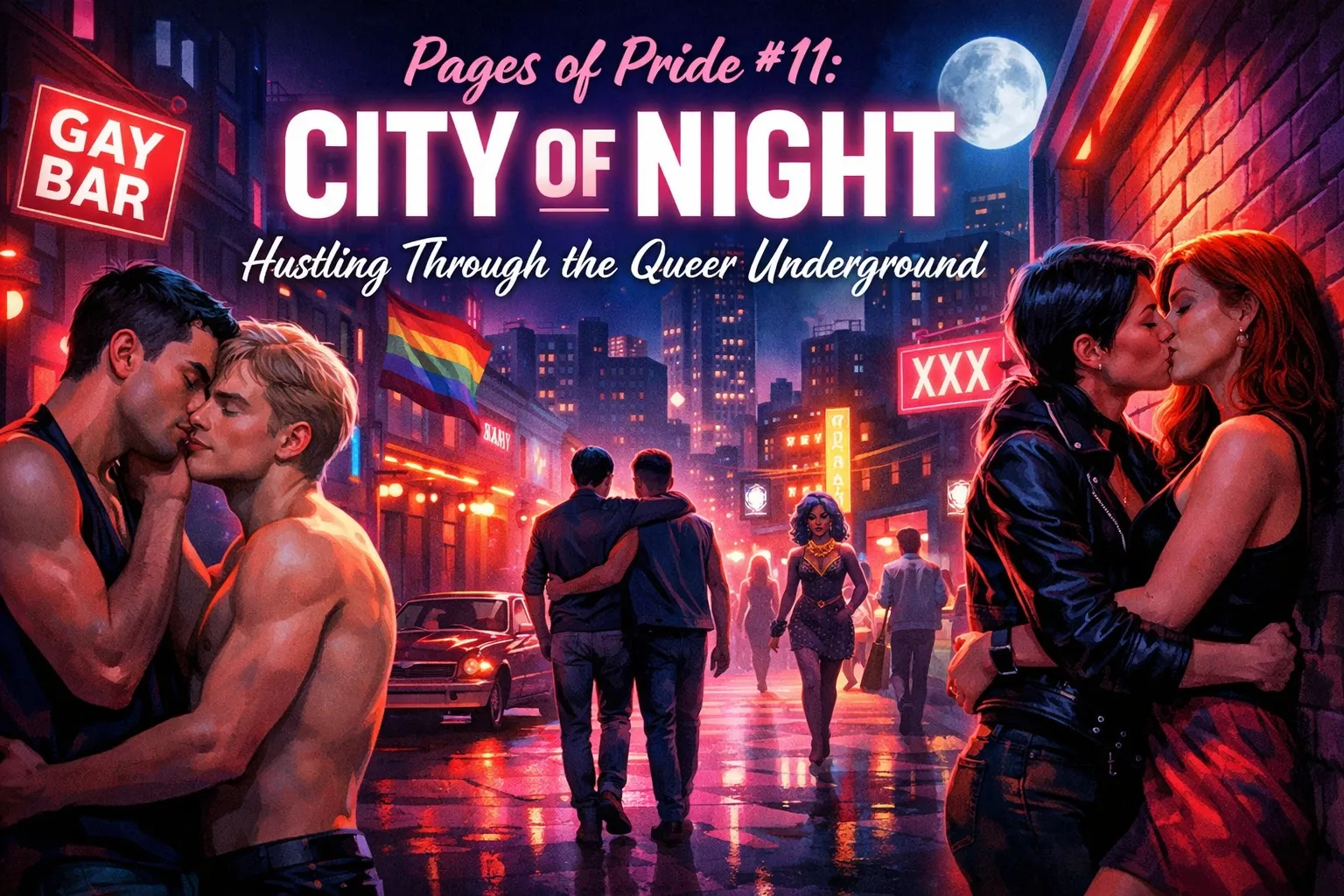
Let's talk about a book that changed everything. When John Rechy's City of Night hit shelves in 1963, it didn't just ruffle feathers, it ripped open the closet door and showed America what had been hidden in the shadows all along.
This wasn't your typical coming-out story wrapped in a neat bow. This was raw, unflinching, and unapologetically real. City of Night brought the underground gay world into mainstream consciousness, and readers couldn't look away. It became a national bestseller at a time when being openly gay could cost you everything, your job, your family, your safety.
Before Stonewall, Before AIDS: A Different World
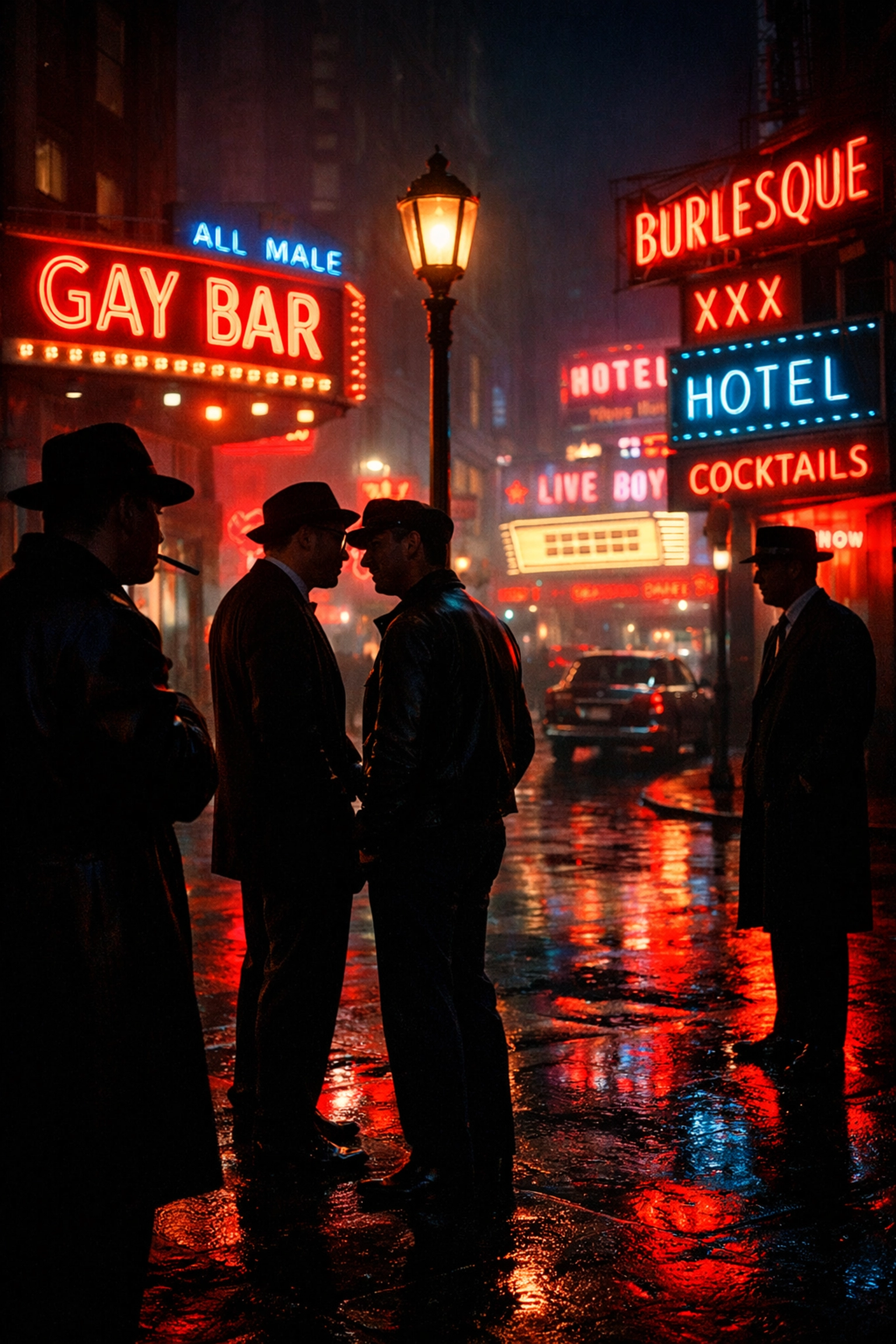
To understand the revolutionary impact of City of Night, you need to understand the era. This was pre-Stonewall (1969) and pre-AIDS crisis (1980s), a time when queer life existed entirely in the shadows. There were no Pride parades, no marriage equality debates, no Ellen coming out on primetime TV.
Gay bars had back exits for police raids. Men cruised in parks and public restrooms because there were few safe spaces to connect. The very act of loving someone of the same gender was criminalized in most states.
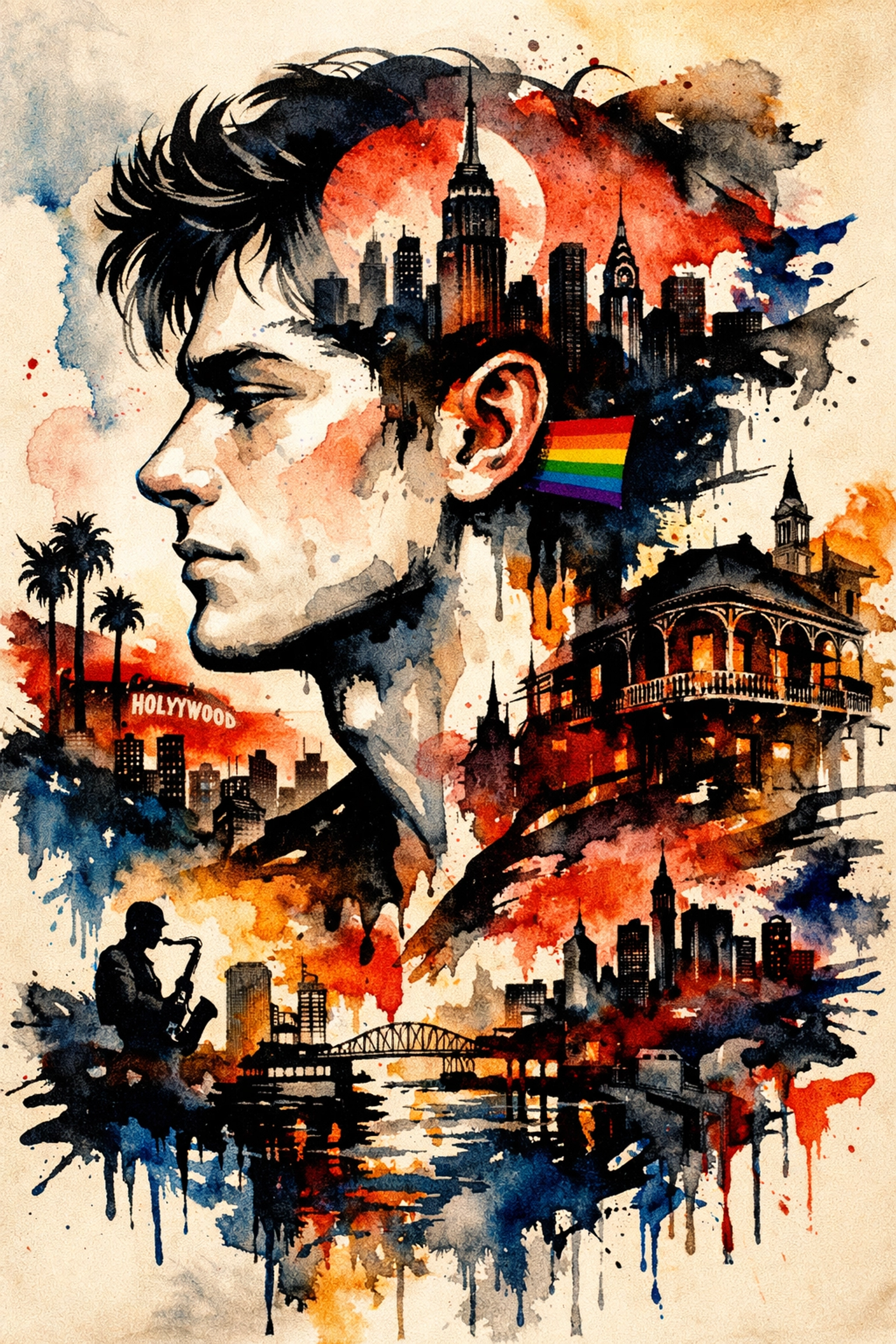
This is the world Rechy documented with brutal honesty. His unnamed narrator hustles his way through America's urban landscapes, Times Square, Pershing Square in Los Angeles, the French Quarter of New Orleans, El Paso. Each city becomes a character itself, filled with neon lights, desperate encounters, and people searching for connection in all the wrong places.
The Narrator's Journey: More Than Just Hustling
The protagonist of City of Night works as a male prostitute, but that's not what the book is really about. It's about identity, alienation, and the search for meaning in a world that tells you you're wrong just for existing.
Our narrator moves through these urban jungles observing, participating, and slowly, painfully, coming to terms with his own queerness. He's caught between desire and denial, between the need for human connection and the fear of what that connection means.
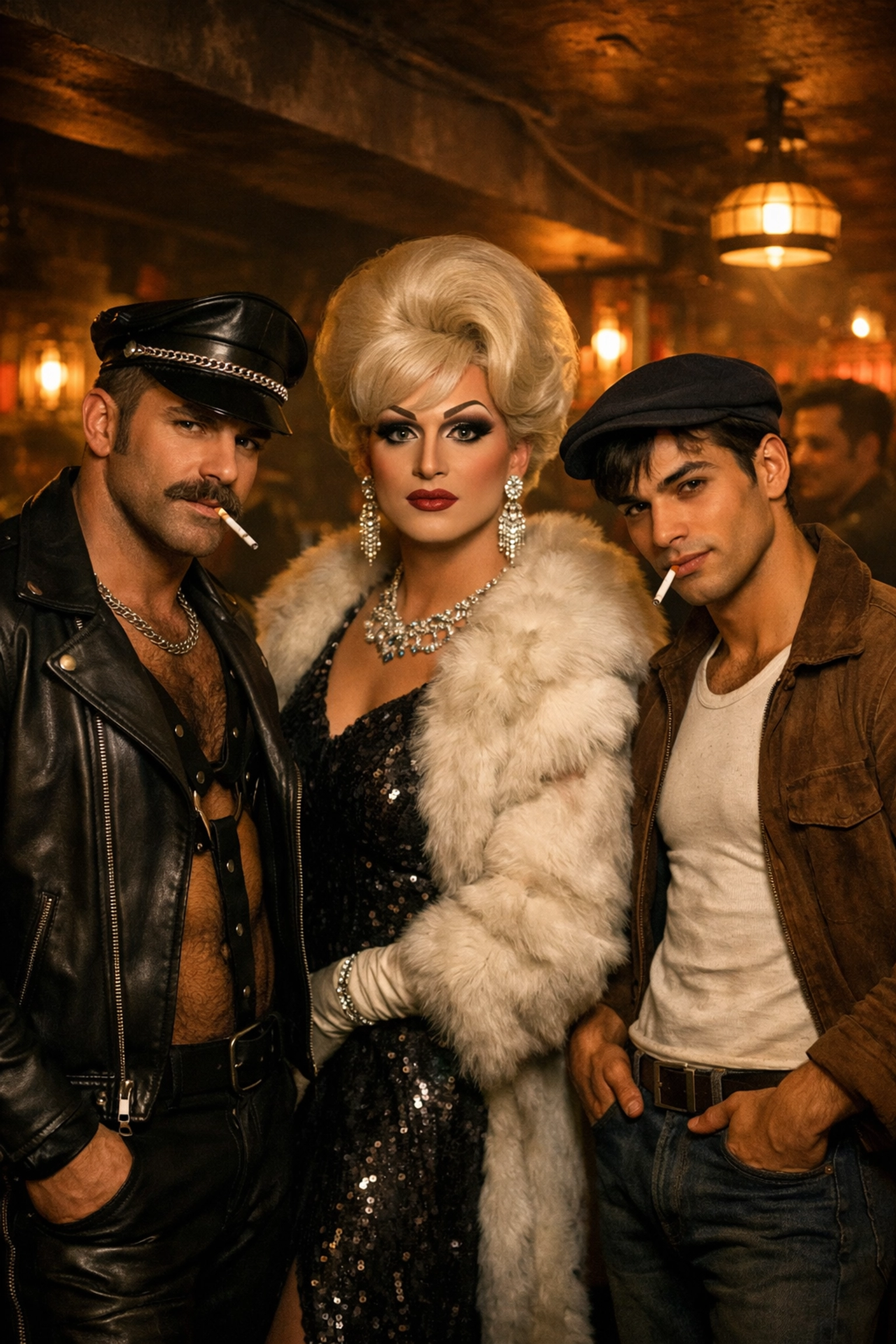
The beauty of Rechy's writing is that he never judges his characters. The hustlers, drag queens, and leathermen who populate these pages aren't stereotypes or cautionary tales. They're fully realized humans, each fighting their own battles, each deserving of dignity and understanding.
Not Your Monolithic Gay Community
Here's something City of Night revealed that still rings true today: the LGBTQ+ community is not a monolith.
Through characters like Pete, Rechy shows the internal hierarchies, rivalries, and tensions within the subculture. Hustlers looked down on certain types of clients. Drag queens faced different struggles than masculine-presenting gay men. There were class divisions, racial tensions, and endless debates about authenticity and respectability.
Sound familiar? The community politics we still navigate today, arguments about Pride being "too sexual," debates about assimilation versus liberation, they didn't start with Twitter. They've been with us from the beginning.
Rechy didn't shy away from showing these uncomfortable truths. His characters aren't always likable, and they don't always treat each other well. But they're real, and that realness is what made the book so powerful.
Beat Generation Meets Queer Awakening
City of Night arrived during the tail end of the Beat Generation, and you can feel that influence in every page. The rhythmic, stream-of-consciousness prose. The focus on outcasts and drifters. The rejection of mainstream American values.
But Rechy did something the Beats rarely managed: he centered a queer perspective. While Jack Kerouac was writing about Dean Moriarty's heterosexual adventures on the road, Rechy was documenting a parallel America, one where queer men created their own culture, their own language, their own ways of surviving.
The writing style itself mirrors the narrator's fractured identity. Sentences flow and crash like waves. Time moves non-linearly. The prose shifts between lyrical beauty and stark brutality, just like the life it depicts.
The Literary Monument to Invisible Lives
Critics and readers have called City of Night "a literary monument" to the people who were forced to live in society's margins. These weren't just colorful side characters in someone else's story, they were the story.
The book explores desire, loneliness, and urban alienation with an intensity that still hits hard today. Yes, we've made progress. Yes, many of us can live openly now in ways the characters in this book never could. But the fundamental human experiences Rechy wrote about: wanting to be seen, to be loved, to belong: those are universal and eternal.
Every hustler waiting on a street corner. Every drag queen applying makeup in a dingy bathroom. Every man cruising in a park, hoping for connection while fearing exposure. Rechy gave them dignity. He gave them complexity. He gave them humanity.
Why City of Night Still Matters
You might be wondering: why read a book about hustling culture from 1963? What does it have to do with contemporary gay romance or the LGBTQ+ literature landscape today?
Everything.
You can't understand where we are without knowing where we've been. The freedom to read MM romance books openly, to find yourself in gay love stories at Read with Pride, to see queer characters in every genre from fantasy to thriller: that freedom was built on the backs of books like City of Night.

Rechy took a massive risk. He put his real experiences into fiction at a time when doing so could have destroyed his life. He gave voice to people who had been silenced for generations. He refused to sanitize or apologize for queer existence.
Today's queer fiction authors: the ones writing those steamy MM novels, heartfelt coming-out stories, and epic fantasy romances with gay protagonists: they're standing on the foundation Rechy helped build.
Reading City of Night Today
Fair warning: this isn't an easy read. The language is of its time, and some of the terminology we'd now consider outdated or offensive. The content is gritty, sometimes dark, occasionally shocking.
But it's also essential gay literature history. It's a time capsule of an era we need to remember, especially as we see renewed attacks on LGBTQ+ rights today. City of Night reminds us that our existence has always been political, has always required courage, has always been worth fighting for.
For readers who love contemporary MM romance with happy endings, this might feel like a jarring departure. But consider it required reading for anyone who wants to understand the full spectrum of LGBTQ+ fiction. The genre didn't start with romance novels: it started with survival stories.
The Pages of Pride Continue
City of Night is number 11 in our series exploring the greatest LGBTQ+ books in history and today, and it's one of the most important stops on this journey. From the closeted terror of the 1950s and 60s to today's explosion of gay romance books and queer authors, the evolution has been remarkable.
But progress isn't linear, and it's never guaranteed. That's why we read. That's why we remember. That's why platforms like Read with Pride exist: to celebrate our stories in all their messy, beautiful, complicated glory.
Whether you're into MM fantasy, gay contemporary romance, or historical accounts of queer resilience, there's a place for you in this literary universe. Every book we read, every story we share, every love we celebrate: it's all part of the same continuum that Rechy contributed to six decades ago.
Discover more groundbreaking gay literature and contemporary MM romance at readwithpride.com. Follow us on Facebook, Instagram, and X/Twitter for daily book recommendations, author spotlights, and LGBTQ+ literary history.
#ReadWithPride #CityOfNight #JohnRechy #GayLiteratureHistory #LGBTQBooks #QueerFiction #GayRomance #MMRomance #GayBooks #QueerLiterature #LGBTQHistory #PreStonewall #GayClassics #GayFiction #LGBTQReading #GayBookClub #MMBooks #QueerAuthors #GayNovels #LGBTQFiction #GayLiterature #PrideReading #ReadQueer #BookPride #LGBTQCommunity #QueerHistory

Leave a Reply
You must be logged in to post a comment.