

readwithpride.com
When we talk about sexy gay couples in cinema, we usually think of stolen glances, forbidden kisses, and sun-drenched romance. But sometimes the sexiest thing on screen isn't a physical connection, it's raw vulnerability laid bare. That's exactly what Gus Van Sant gave us in 1991 with My Own Private Idaho, a film that turned the streets of Portland into a stage for one of the most heartbreaking love stories in queer cinema.
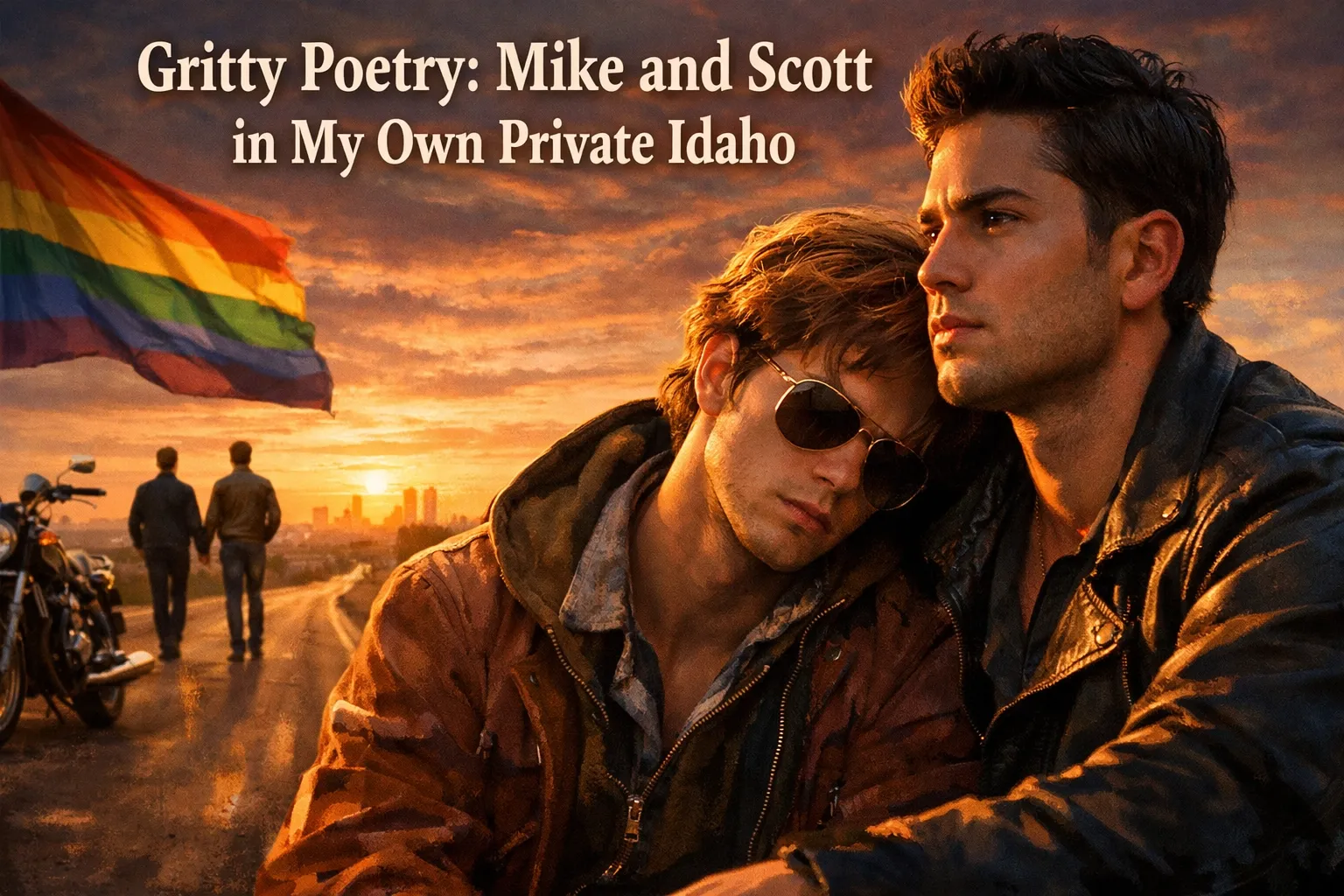
Mike Waters and Scott Favor aren't your typical movie couple. They're street hustlers navigating survival sex work, class warfare, and the messy reality of loving someone who can't, or won't, love you back. And yeah, it's devastating. But it's also achingly beautiful in a way that still hits hard over three decades later.
Two Sides of the Same Dirty Coin
Mike Waters, played by the late River Phoenix in what many consider his finest performance, exists on society's absolute margins. He's a homeless gay hustler with narcolepsy who collapses into sleep whenever emotions overwhelm him: which is often. He's searching for his absent mother, clinging to a fantasy of family that probably never existed. Mike is stripped of social pretense, owning nothing but his humanity and the worn-out clothes on his back.
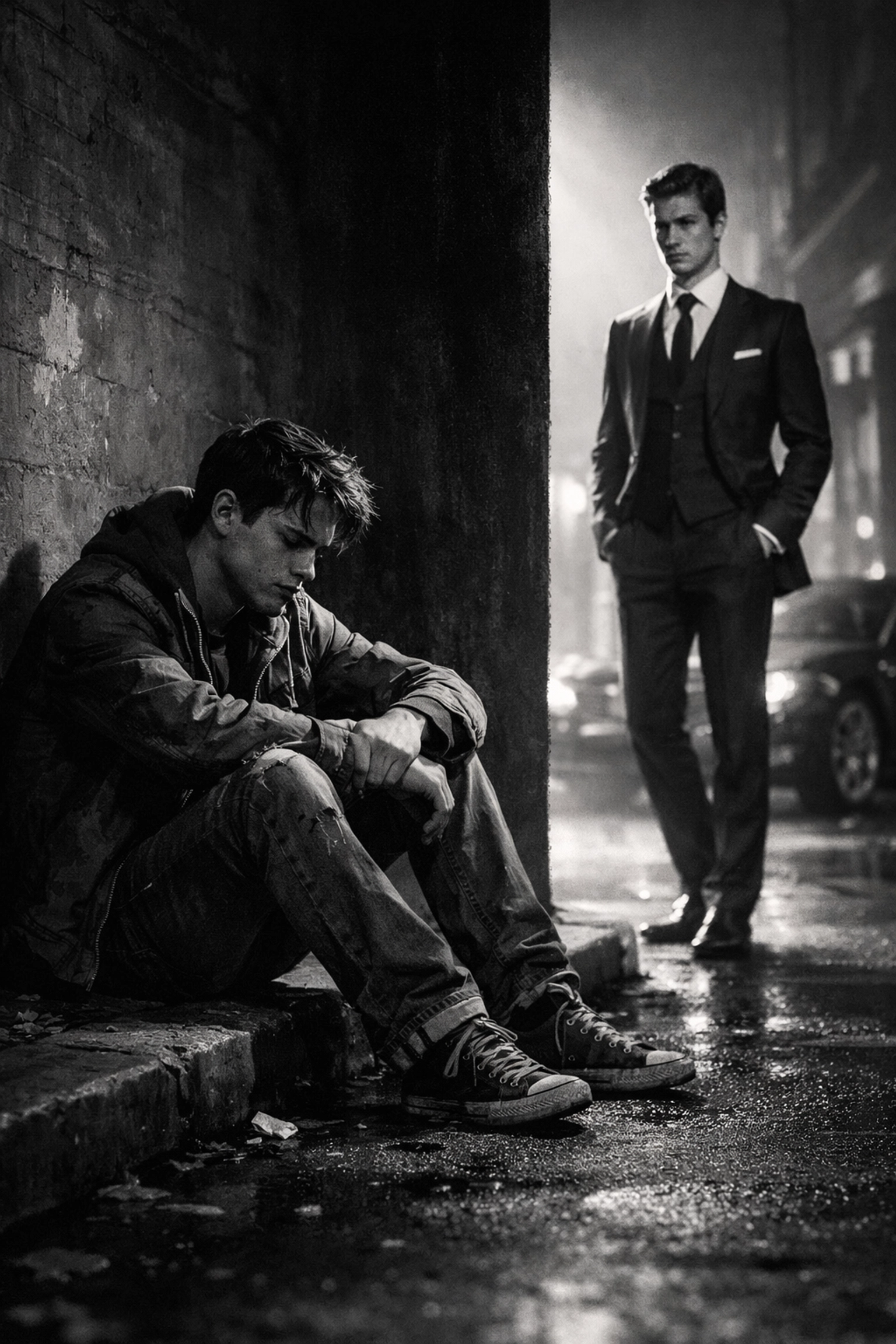
Then there's Scott Favor, brought to life by Keanu Reeves in a role that Shakespeare nerds immediately recognized. Scott is the wealthy mayor's son playing dress-up in poverty. He's slumming it on the streets as an act of rebellion against his father's expectations, fully aware that one day he'll inherit a fortune and slip back into the three-piece suits he was born to wear. While both young men hustle, their participation in sex work carries entirely different weight. For Mike, it's survival. For Scott, it's performance art: a middle finger to privilege before he inevitably accepts it.
This class divide is the film's beating heart, and it makes their connection impossibly complicated. They're friends, partners in the night economy of Portland's streets, and for Mike, so much more. The chemistry between Phoenix and Reeves crackles not with sexual tension but with something deeper: the desperate hope that someone might truly see you.
Love Without Transaction
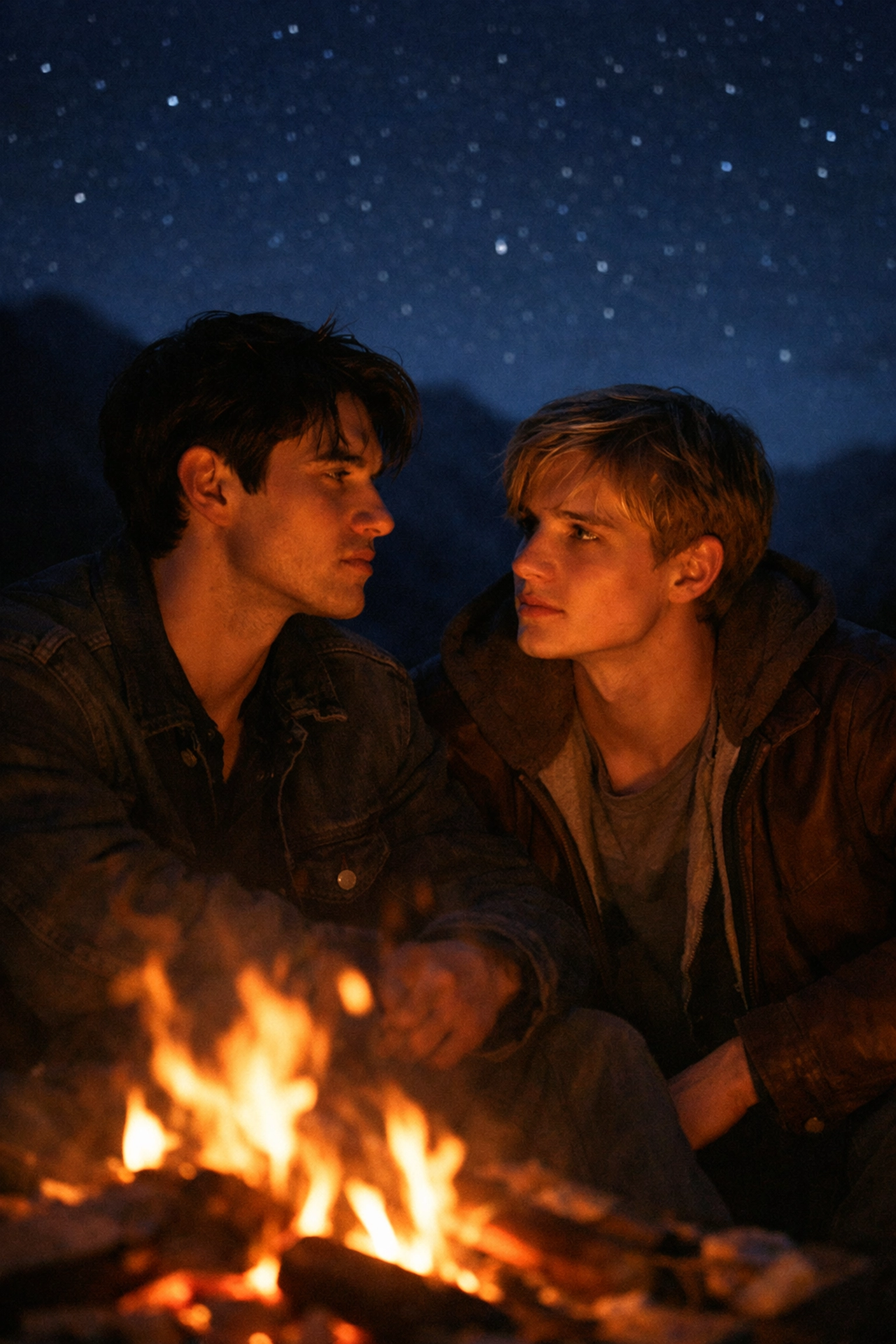
The film's most devastating moment happens against the backdrop of Idaho itself: wide open spaces that mirror Mike's emotional vulnerability. Sitting around a campfire during their search for Mike's mother, Mike confesses his feelings. "I love you, and you don't pay me," he tells Scott with heartbreaking simplicity.

That line destroys everything. It deconstructs Scott's entire worldview by offering something he's never actually encountered: love divorced from capitalism and monetary exchange. In their world, everything is transactional. Sex for money. Shelter for services. Loyalty for protection. But Mike's love? It exists outside that system entirely. It's free, unconditional, and completely authentic: which makes it something Scott literally cannot process.
Scott's response is equally brutal in its honesty. He reminds Mike that he only sleeps with men for money, essentially drawing a line that crystallizes their irreconcilable positions. Scott can be Mike's friend, his companion in rebellion, but he can't be what Mike needs him to be. The tragedy isn't that Scott doesn't care: it's that he cares enough to be honest while still choosing to eventually abandon everything they shared.
This dynamic speaks to something painfully familiar in queer experience: loving someone who can't meet you where you are. Mike represents authenticity and emotional vulnerability. Scott represents the closet, respectability politics, and the privilege of choosing safety over truth. Their relationship becomes a meditation on what we sacrifice for acceptance and what it costs to remain ourselves in a world that demands we perform.
Shakespeare on the Streets
Van Sant loosely adapted Shakespeare's Henry IV plays for the film's structure, with Scott as Prince Hal and Bob Pigeon (played by William Richert) as their Falstaff. In Shakespeare's version, Prince Hal parties with lowlifes before abandoning them to claim his throne. Scott follows the same arc, using street life as rebellion before conforming to his father's expectations.
This Shakespearean framework transforms street-level desperation into poetry. The film moves between gritty realism: empty roads, seedy motels, and actual street hustlers Van Sant cast alongside his leads: and dreamlike sequences where Mike's narcolepsy creates surreal moments of time-salmon swimming upstream and highways stretching into infinity. It's disorienting and beautiful, much like desire itself when it exists outside societal norms.
The supporting cast of real street kids and hustlers grounds the film in authenticity that Hollywood typically sanitizes. These aren't glamorous sex workers with hearts of gold. They're survivors doing what they must, and their presence reminds us that Mike's story isn't unique: it's happening everywhere, to people society refuses to see.
The Cost of Conformity
The film's ending crystallizes its tragedy. Scott inherits his father's fortune and appears in a pristine three-piece suit, literally and figuratively cleaned up. He rejects both Mike and Bob to secure social acceptance. When he sees Mike across a field at Bob's funeral, Scott's expression registers what one critic perfectly described as "subdued envy": the recognition of authenticity he's surrendered for respectability.
Mike, meanwhile, maintains his integrity despite his marginalization. The final shot shows him collapsed on a lonely road as a truck approaches. We don't know if he'll be helped or hurt, and that ambiguity mirrors the precarious reality for people living on society's edges. Mike chose love and authenticity even when it destroyed him. Scott chose wealth and conformity even when it hollowed him out.
Why This Still Matters
My Own Private Idaho gave us something rare in 1991 and still uncommon today: a gay narrative that refuses to sanitize queer experience for straight comfort. Mike's love for Scott isn't aspirational romance: it's messy, unreciprocated, and deeply human. The film doesn't punish Mike for being gay; it punishes a society that makes survival conditional on denying who you are.
For readers seeking MM romance books and gay fiction that goes beyond happily-ever-afters, this film remains essential viewing. It's a reminder that queer storytelling can be gritty, poetic, and heartbreaking while still celebrating the courage it takes to live authentically. Mike Waters embodies something we all need more of in LGBTQ+ fiction: characters who choose truth even when it costs everything.
The chemistry between Mike and Scott isn't about stolen kisses or sex scenes. It's about Mike's unwavering humanity in the face of Scott's eventual betrayal. It's about loving someone enough to let them see the real you, even when you know they'll walk away. That vulnerability? That's the sexiest thing cinema has ever captured.
For more authentic gay love stories and queer fiction that doesn't shy away from complexity, explore the collection at readwithpride.com. Because sometimes the most powerful romances are the ones that break your heart while making you feel less alone.
Follow Read with Pride:
- Facebook: https://www.facebook.com/profile.php?id=61586883027069
- Instagram: https://www.instagram.com/read.withpride/
- X/Twitter: https://x.com/Read_With_Pride
#MyOwnPrivateIdaho #GayRomance #MMRomance #QueerCinema #LGBTQFiction #ReadWithPride #GayLoveStories #QueerFilm #RiverPhoenix #AuthenticLove #MMBooks #GayFiction #LGBTQBooks #GayRomanceBooks #QueerRepresentation #ClassicQueerCinema #90sGayFilms #HeartbreakingRomance #GayNovels #LGBTQLiterature

Leave a Reply
You must be logged in to post a comment.