

readwithpride.com
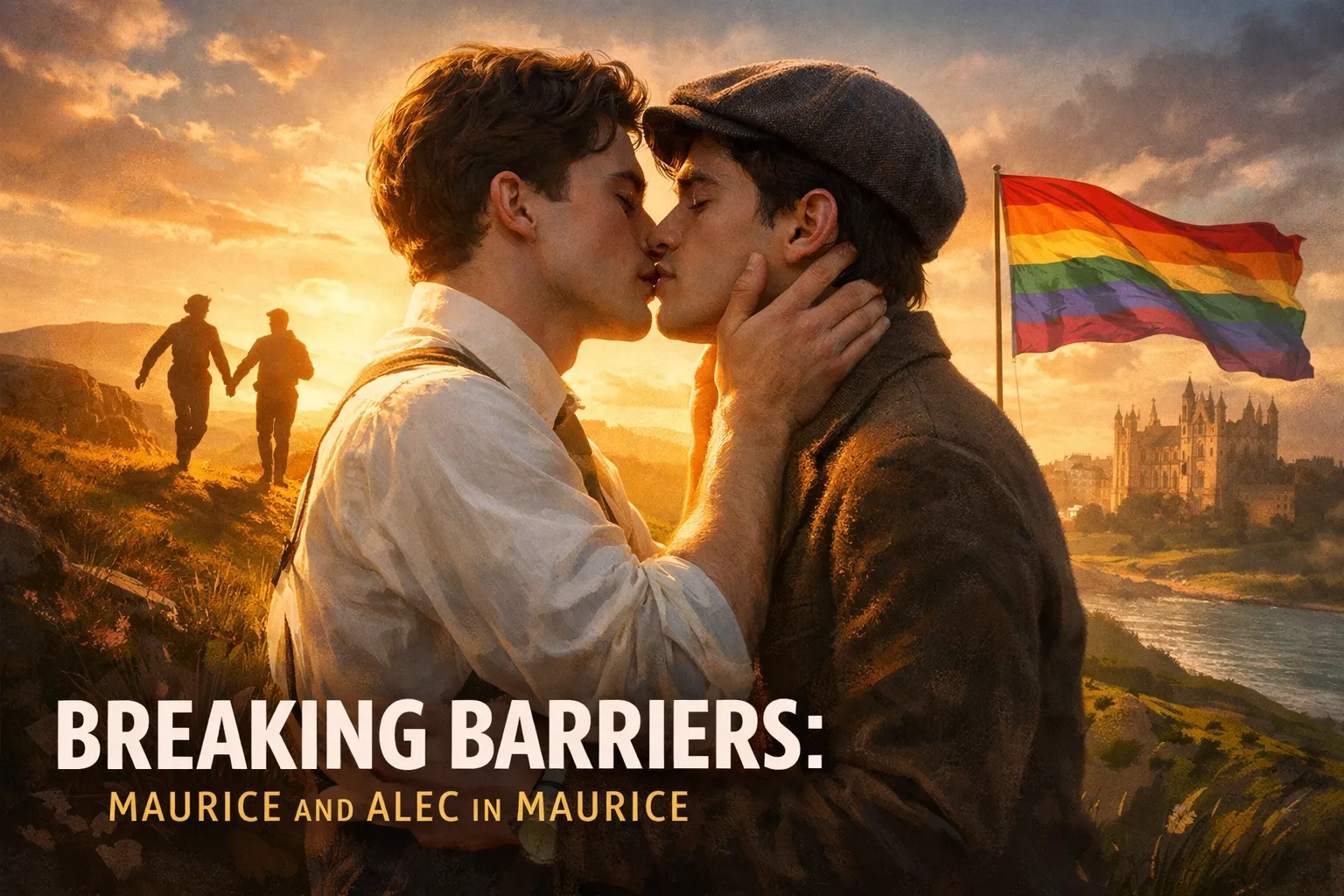
Let's talk about one of the most quietly revolutionary gay romance stories ever put to film: Maurice. Based on E.M. Forster's novel (written in 1913-14 but not published until 1971, because the world wasn't ready), this Merchant Ivory adaptation gives us something rare, a happy ending for a gay couple in Edwardian England. And not just any couple: Maurice Hall and Alec Scudder break through every barrier imaginable to claim their love.
This isn't your typical tragic queer narrative. No one dies. No one goes to prison. Instead, we get a MM romance that dares to imagine what it would look like if two men from completely different worlds chose each other over everything society told them they should want.
The Setup: A Love Story Across Class Lines
Maurice Hall is upper-middle class, university-educated, and destined for a respectable life of quiet misery. He's already been through one heartbreak with his Cambridge friend Clive Durham, who rejected him after their emotional (but never physical) relationship. Clive eventually marries a woman and settles into heteronormative respectability, leaving Maurice adrift and desperate.
Enter Alec Scudder: a gamekeeper on Clive's estate. Working-class, uneducated by society's standards, but absolutely magnetic. When these two meet, the chemistry is instant and undeniable. But this is 1913 England, where homosexuality is illegal, class divisions are rigid, and men like Maurice are expected to marry women and produce heirs.
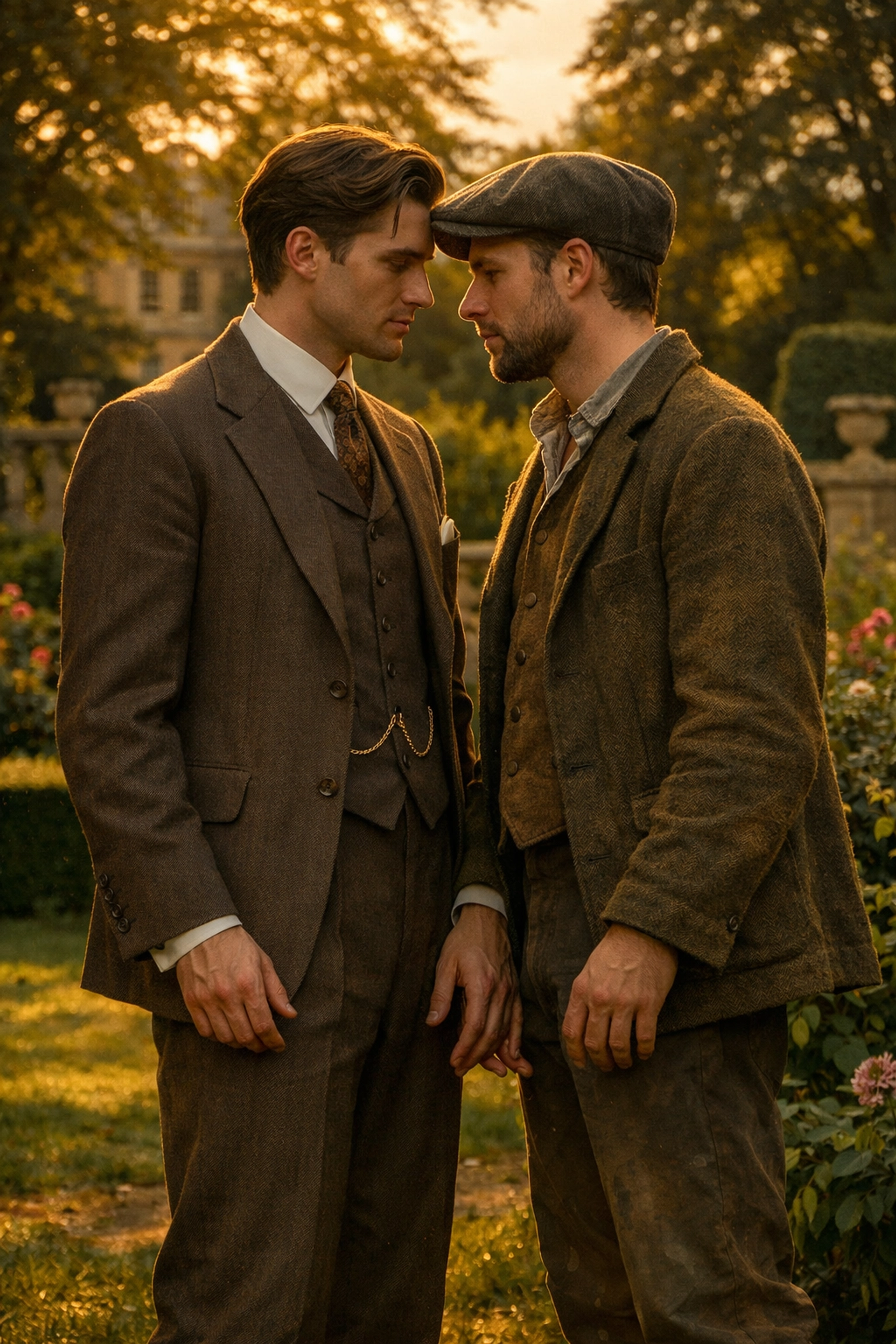
The barriers standing between them aren't just about being gay, they're about class, masculinity, social expectations, and self-acceptance. And watching them tear down every single one? That's where the magic happens.
Breaking the Class Barrier
Class division in Edwardian England wasn't just a preference, it was a religion. The idea that Maurice, with his London stockbroker career and Cambridge education, would end up with Alec, who works with his hands and lives in servants' quarters, was absolutely unthinkable.
But that's exactly what makes their gay romance so powerful. Maurice doesn't just fall for Alec despite the class difference; he actively chooses to reject the entire system that created those divisions in the first place. This is a man who was raised to protect his social standing above all else, and he throws it all away for authentic love.
The novel explicitly presents these class hierarchies as "arbitrary social strictures that lead to discrimination and prejudice." Maurice and Alec's relationship exposes how fake and constructed these barriers really are. When Maurice decides to pursue Alec, he's not just choosing a man, he's choosing to renounce his privilege, his comfortable future, and everything his family worked for.
That's not just romantic. That's revolutionary.
The Harder Battle: Self-Acceptance
Before Maurice can break society's rules, he has to break through his own internalized homophobia. And honestly? This part hits hard even in 2026.
Maurice spends much of the film and novel trying to "fix" himself. He even undergoes hypnotic therapy (essentially early conversion therapy) with a sympathetic doctor who genuinely believes he's helping. Watching Maurice submit to this treatment, hoping desperately that he can be made "normal", is heartbreaking. He's so trapped by society's prison that he's willing to let someone mess with his mind rather than accept who he is.

Alec becomes the catalyst for Maurice's liberation. Their first night together, when Alec climbs through Maurice's window at Clive's estate, is tender, passionate, and transformative. It's the first time Maurice experiences physical and emotional fulfillment with another man. And it changes everything.
But even after that night, the journey isn't over. Maurice still struggles with shame, fear, and the temptation to go back to his "safe" life. The beauty of this gay love story is that it doesn't shy away from that complexity. Coming out to yourself, truly accepting your queerness, is a process, not a moment.
Rejecting Toxic Masculinity
Maurice's father embodied everything society expected of men: stoic, patriarchal, emotionally distant. Maurice was raised to follow in those footsteps, to become the kind of man who provides for a wife and children without ever examining his own desires or needs.
Choosing Alec means rejecting all of that. It means refusing to perform the masculinity he was taught was the only acceptable version. In their relationship, Maurice and Alec create something different, a partnership based on genuine connection, vulnerability, and mutual desire.
This is what makes them one of the sexiest gay couples in cinema. Their chemistry isn't just physical (though trust, it absolutely is). It's the way they see each other fully, without pretense. Alec doesn't care about Maurice's social status. Maurice doesn't care about Alec's lack of formal education. They just want each other, stripped of all the roles society demands they play.
The Revolutionary Ending
Here's what makes Maurice genuinely groundbreaking: it gives us hope.
Most queer narratives from this era, and honestly, many modern ones, end in tragedy. Death, separation, imprisonment, forced marriages to women. The message is always the same: love between men is beautiful but doomed. Society will always win.
Maurice refuses that narrative. Yes, Maurice and Alec's future is uncertain. Yes, they'll have to live in secrecy, probably forever. But the film ends with them together, walking into the woods, choosing each other over everything else. It's a "promise of an unresolved future": not a fairy tale ending, but something better: genuine love that endures.

This hopeful ending was so radical that Forster didn't publish the novel during his lifetime. He didn't think the world could handle a gay romance where both men survive and stay together. And you know what? He was probably right about 1913. But by 1987, when James Ivory directed the film, audiences were ready for Maurice and Alec's story.
And in 2026? We need it more than ever.
Why Maurice and Alec Still Matter
If you're into MM romance books or gay historical romance, Maurice is essential viewing. It's the template for so many tropes we love: forbidden love, class differences, slow burn tension, and that first transformative night together.
But beyond the tropes, Maurice and Alec represent something vital: the courage to choose authenticity over comfort. Maurice literally walks away from his entire life: his career, his family, his social standing: because he refuses to live another day pretending to be someone he's not.
That's a message that resonates across decades. Whether you're reading gay fiction set in Edwardian England or contemporary MM novels about coming out today, that core truth remains: living authentically is worth the cost.
The chemistry between actors James Wilby and Rupert Graves brings this relationship to life with such tenderness and heat. The way they look at each other, the barely restrained desire, the gradual trust-building: it's all there. This isn't just a period piece to admire from a distance. It's a genuinely sexy, emotionally rich gay romance that still feels immediate and necessary.
Final Thoughts
Maurice proves that happy endings for gay couples don't have to be sanitized or unrealistic to be powerful. Maurice and Alec's love isn't perfect. It's complicated, scary, and demands enormous sacrifice. But it's real, and it's theirs, and they fight for it.
If you're looking for LGBTQ+ romance that breaks barriers while breaking your heart (in the best way), this is it. And if you're craving more stories about men who refuse to let society dictate who they can love, explore the collection at readwithpride.com: where every story celebrates authentic queer love in all its forms.
Because sometimes the sexiest thing two men can do is choose each other, consequences be damned.
Connect with us:
📘 Facebook
🐦 X/Twitter
📸 Instagram
🏳️🌈 readwithpride.com
#MauriceMovie #GayRomance #MMRomance #LGBTQBooks #ClassicGayFilm #HistoricalRomance #QueerCinema #GayLoveStory #MMRomanceBooks #ReadWithPride #QueerFiction #GayFiction #LGBTQRomance #GayHistoricalRomance #MerchantIvory #EMForster #AuthenticLove #QueerClassics #GayNovels #MMHistoricalRomance

Leave a Reply
You must be logged in to post a comment.