readwithpride.com
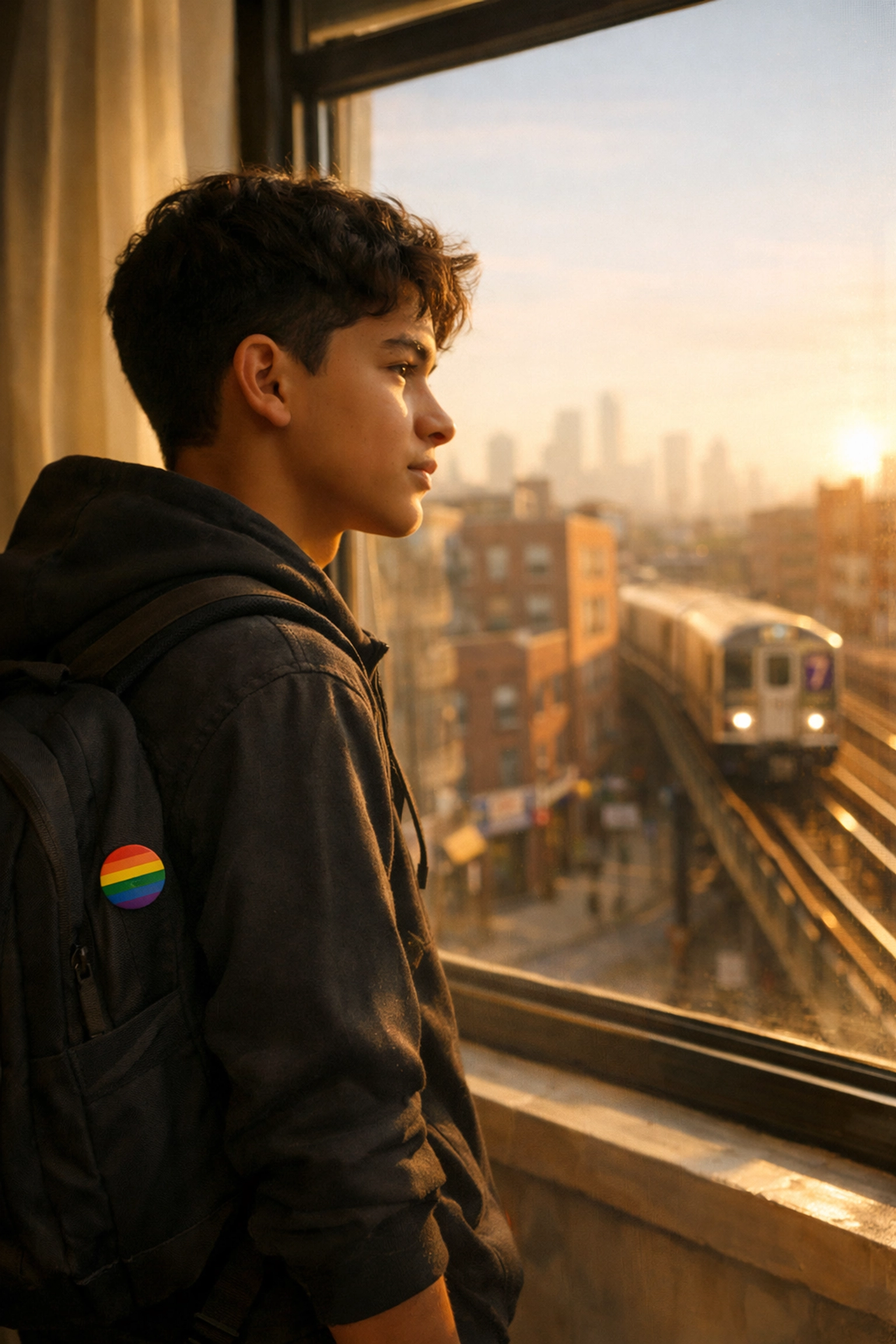
Seventeen-year-old Marcus Chen watched the morning light filter through the Brooklyn apartment windows, catching the rainbow flag pin on his backpack. Outside, the 7 train rumbled past with its familiar rhythm: the soundtrack to every morning in Woodside, Queens. His mom was already on her second coffee, scrolling through her phone while his younger sister Lily practiced her violin scales. His dad flipped pancakes, still in his scrubs from the night shift at Mount Sinai.
This was the new normal. And honestly? It was pretty damn good.
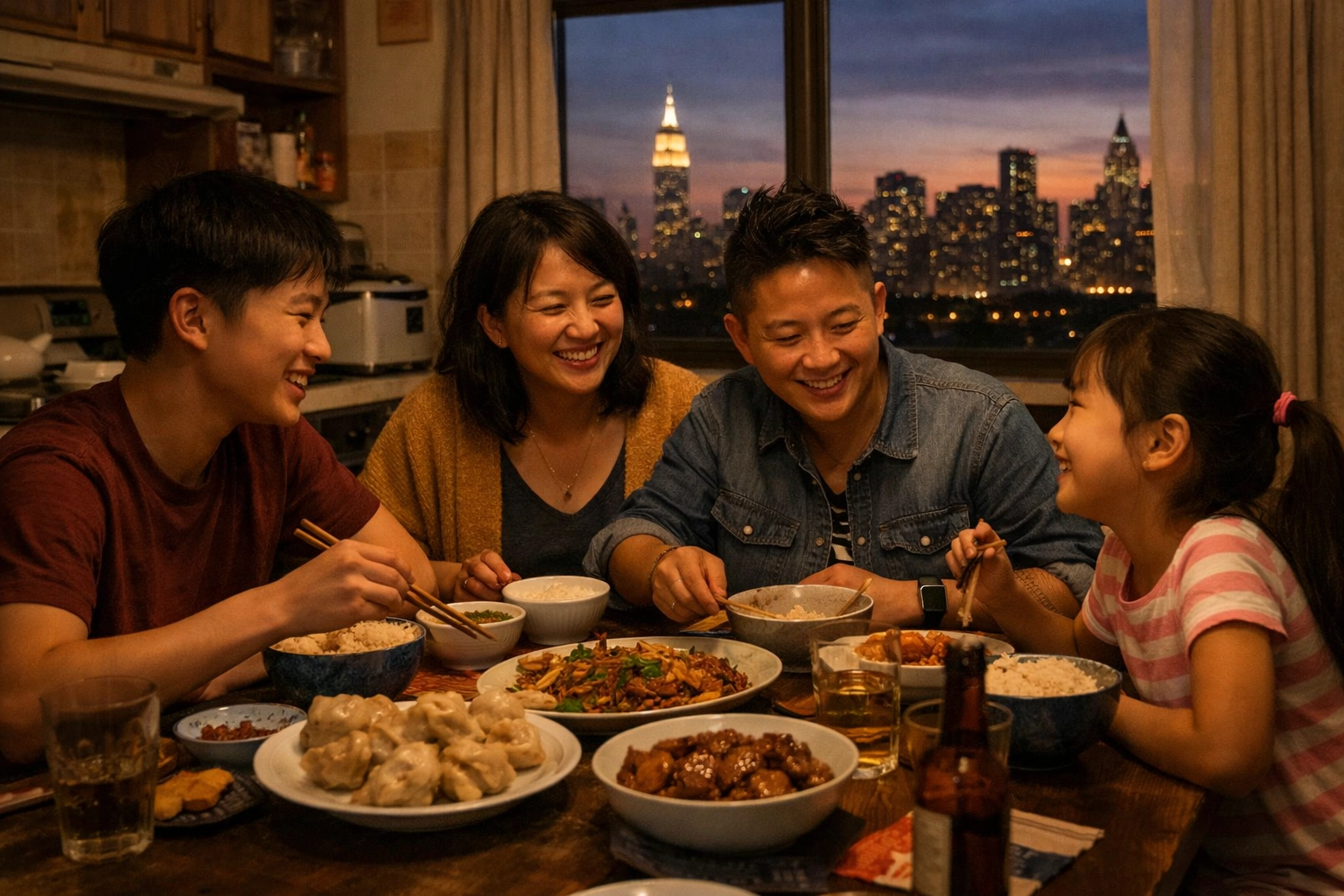
Marcus came out two years ago during a family dinner at their favorite dim sum place in Flushing. He'd rehearsed the speech a hundred times in his head, prepared for questions, prepared for silence, prepared for everything except what actually happened: his dad ordered more dumplings, his mom asked if he was seeing anyone, and Lily asked if this meant she could finally set up her friend's brother with him.
"You're still cleaning your room on Saturdays," his mom had said, matter-of-factly. "Being gay doesn't get you out of chores."
Finding Himself in the City That Never Sleeps
New York in 2026 wasn't the New York of old movies or outdated stereotypes. It was messier, more expensive, and somehow more beautiful than ever. The city had changed: the office buildings downtown were getting makeovers while others stood half-empty, housing prices made everyone wince, and the minimum wage had just bumped up to $17 an hour (not that it made rent any less ridiculous). But it was still home.
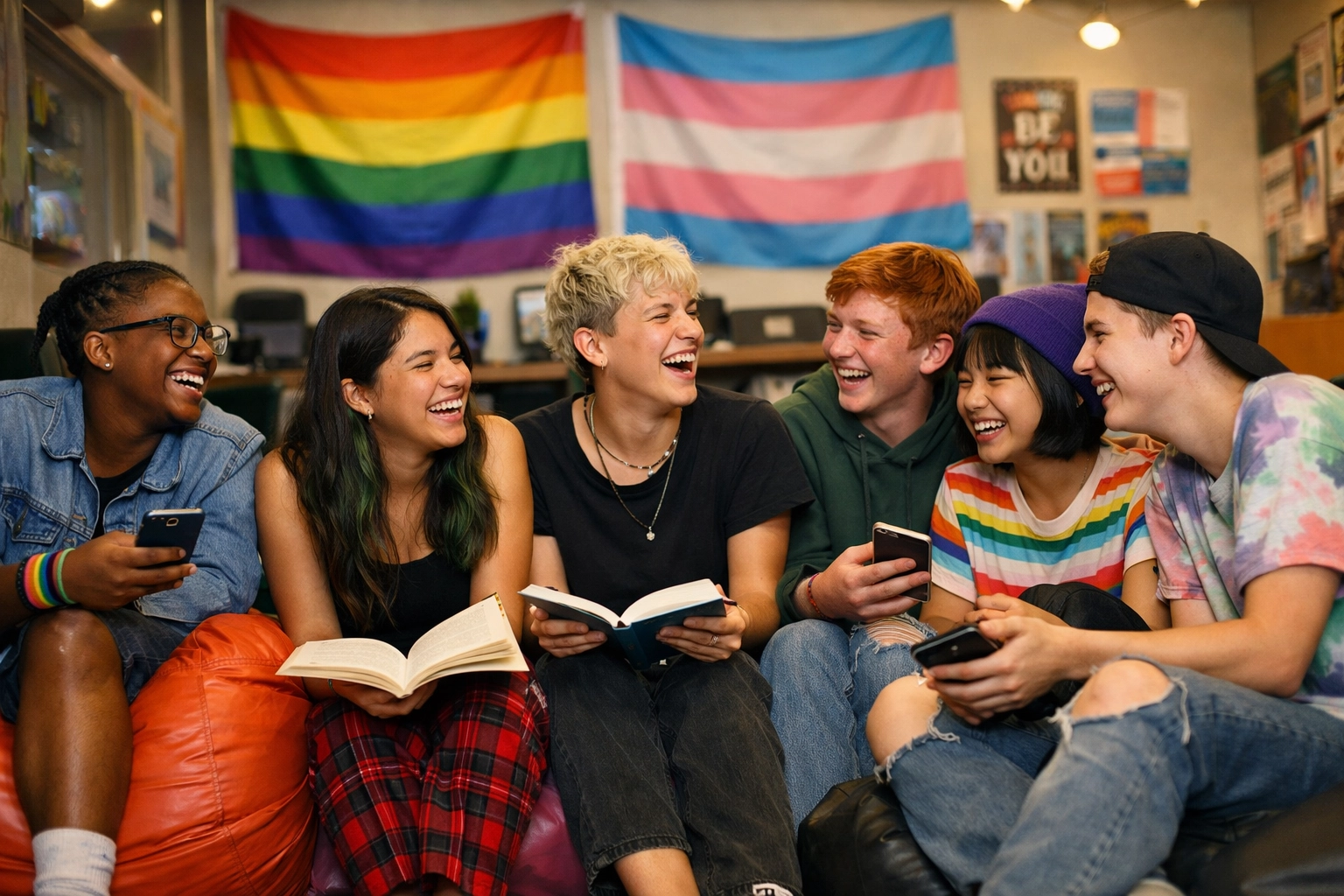
Marcus had found his people at the LGBTQ+ youth center in the Village, a place where kids from every borough converged on weekends. There were artists from the Bronx, activists from Manhattan, dancers from Brooklyn, and kids like him from Queens who were just figuring things out. They shared stories, traded book recommendations: MM romance novels were having a serious moment: and occasionally ventured to protests or pride events together.
His best friend Jamal introduced him to Read with Pride, an online platform where he could find gay romance books that actually reflected his experience. Not the tragic coming-out stories that always ended with someone leaving town, but contemporary stories about gay love stories where characters got happy endings, dealt with real problems, and lived full, complicated lives.
"Have you read this one?" Jamal would text him links at midnight. "MM romance books are literally saving my life right now."
The Diversity of Home
What made Marcus's family unique wasn't just that they accepted him: though that was huge: it was how they incorporated his identity into the fabric of their chaotic, loving household. His mom, who immigrated from Taiwan at 25, had immediately joined a PFLAG chapter and became the most enthusiastic ally at his school's GSA meetings. She showed up to events with homemade bao and an intensity that both embarrassed and comforted him.
His dad, a pediatric nurse born and raised in Brooklyn, had always been the quiet supporter. He didn't make grand gestures, but Marcus noticed the way he casually dropped LGBTQ+ health resources on the kitchen counter, or how he mentioned a gay doctor at work who was "really good at what he does" with pointed emphasis.
Lily, now 13 and in her know-it-all phase, had become a fierce protector. She'd gotten detention twice for confronting kids who made homophobic jokes, and kept a running list of "safe adults" at her middle school that she'd compiled for younger LGBTQ+ students.
"Your sister is basically running an underground railroad for gay middle schoolers," Marcus's friend Devon joked once. It wasn't far from the truth.
Navigating the Fast-Paced Reality
The thing about New York that Marcus was learning: really learning: was that it moved at a speed that could swallow you whole if you weren't careful. The commute to his high school in Manhattan took an hour each way, cutting through neighborhoods that shifted from Korean to Colombian to Orthodox Jewish within blocks. The subway was both a nightmare and a masterclass in human diversity.
Since the congestion pricing kicked in last year, his bus commute had actually improved: not that anyone wanted to admit the policy was working. The streets were still packed, the city was still expensive, but something about the controlled chaos felt right. This was where he belonged.
His family dinner table was a reflection of the city itself: fast-paced, multilingual, and brutally honest. They'd argue about politics: his mom was convinced the housing crisis would never end, his dad insisted the new worker protections were a step forward: while passing plates of homemade dumplings and pizza from the corner shop.
"Marcus, you're applying to NYU, right?" his mom asked one evening in January 2026, while they ate takeout Thai food.
"Maybe. It's expensive, mom."
"Everything's expensive. We'll figure it out."
That was the mantra of New York families: we'll figure it out. And somehow, they always did.
Books, Community, and Identity
Marcus started writing his own stories that winter. Not gay fiction in the traditional sense: he wasn't trying to write the next great LGBTQ+ novel: but journal entries that turned into character sketches that turned into something more. He wrote about a kid like him, juggling family expectations and personal identity, navigating the subway system and first crushes, eating dollar pizza and dreaming big.
His English teacher, Ms. Rodriguez, encouraged him to submit to the school literary magazine. "Your voice matters," she told him, with the kind of certainty that made him believe her.
He discovered a whole world of queer fiction online through Read with Pride, where contemporary MM romance writers were creating stories that felt real: messy families, cultural expectations, cities that breathed and moved. These weren't escapist fantasies; they were mirrors reflecting his own experiences back at him.
The gay romance genre had exploded with diverse voices, from gay contemporary romance set in places like New York to gay fantasy romance that bent reality into something magical. Marcus consumed them all, finding pieces of himself in every story.
The Weight of Normal
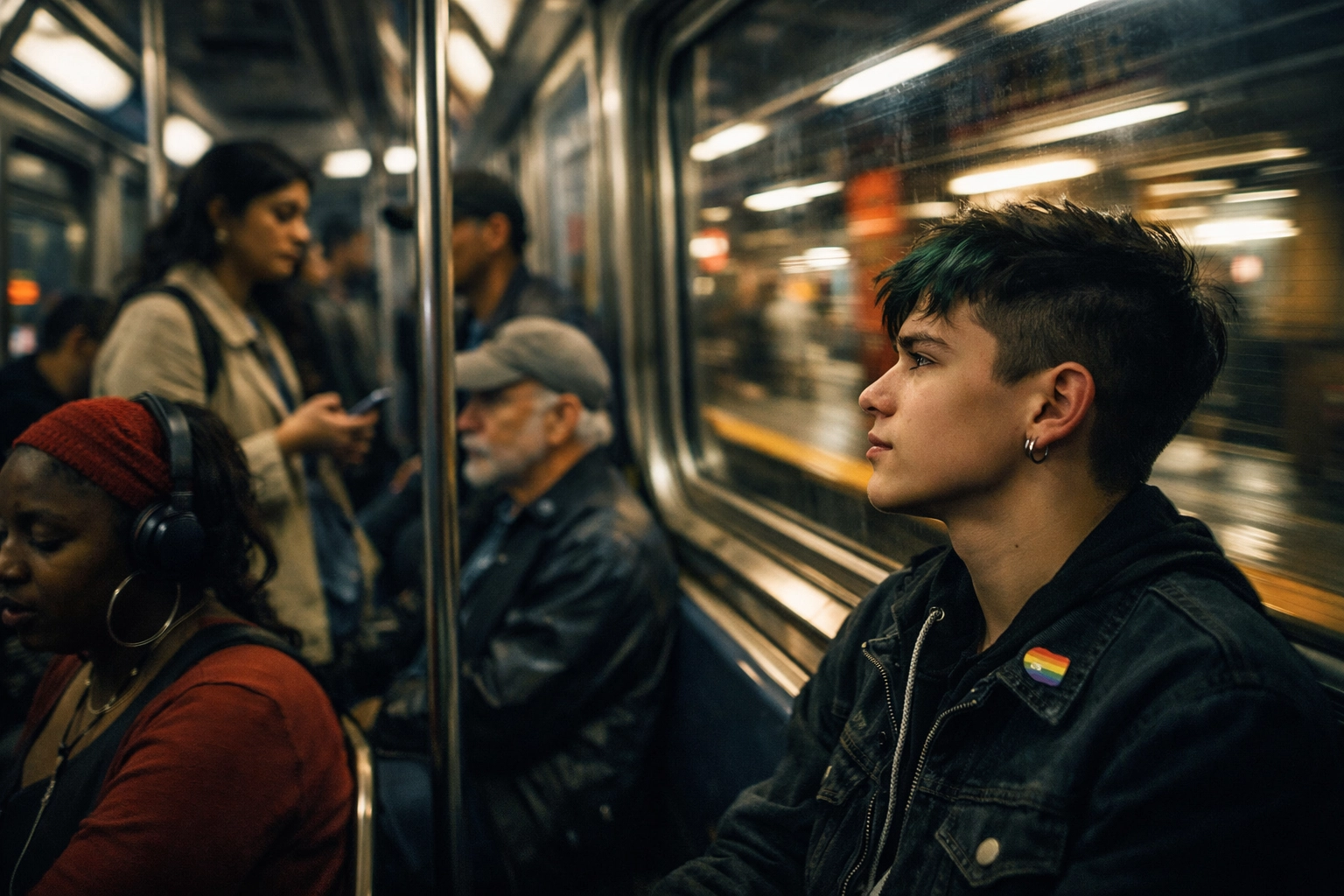
But "normal" wasn't always easy. There were still moments: microaggressions at school, uncomfortable stares on the subway, relatives who asked invasive questions: that reminded Marcus that acceptance wasn't universal. His family's unconditional love created a bubble, but the world outside had sharp edges.
His mom sensed it during one of their late-night conversations, when Marcus couldn't sleep and found her still awake, grading papers at the kitchen table.
"You know what your grandmother told me when I first moved here?" she said, not looking up from her work. "She said America would be hard, but I'd find my people. I didn't understand then, but I do now. You're finding your people, Marcus. That's what matters."
She was right. Between his school GSA, the youth center, his found family of queer friends, and even the online community at Readwithpride.com where he'd started engaging with other readers, Marcus was building a support system that extended beyond blood relations.
The new normal wasn't about fitting into someone else's expectations. It was about creating a life that felt authentic, surrounded by people: family and friends: who saw him fully and loved him anyway.
Moving Forward
By February 2026, as winter started loosening its grip on the city, Marcus had submitted his college applications, finished his first short story, and even gone on a few dates (all awkward, all educational). The city kept spinning, his family kept adapting, and he kept growing.
New York would always be chaotic, expensive, and overwhelming. His family would always be loud, opinionated, and slightly overbearing. But it was his normal, and he wouldn't trade it for anything.
Because this was what gay love stories in 2026 looked like: not perfect, not simple, but real. A Taiwanese-American family in Queens, a kid finding his voice, and a city that: despite all its flaws: made space for people to become who they were meant to be.
The new normal wasn't just about acceptance. It was about belonging.
Discover more authentic LGBTQ+ stories and* MM romance books** at readwithpride.com. Follow us on Instagram, Facebook, and X for the latest in gay fiction and queer literature.*
#ReadWithPride #MMRomance #GayRomanceBooks #LGBTQFiction #QueerYA #GayTeens #NewYorkStories #LGBTQYouth #GayContemporaryRomance #QueerFiction #MMBooks #GayLoveStories #LGBTQCommunity #GayFiction #PrideReads #QueerLiterature #MMRomanceBooks #GayBooks2026 #LGBTQEbooks #AuthenticVoices

Leave a Reply
You must be logged in to post a comment.