

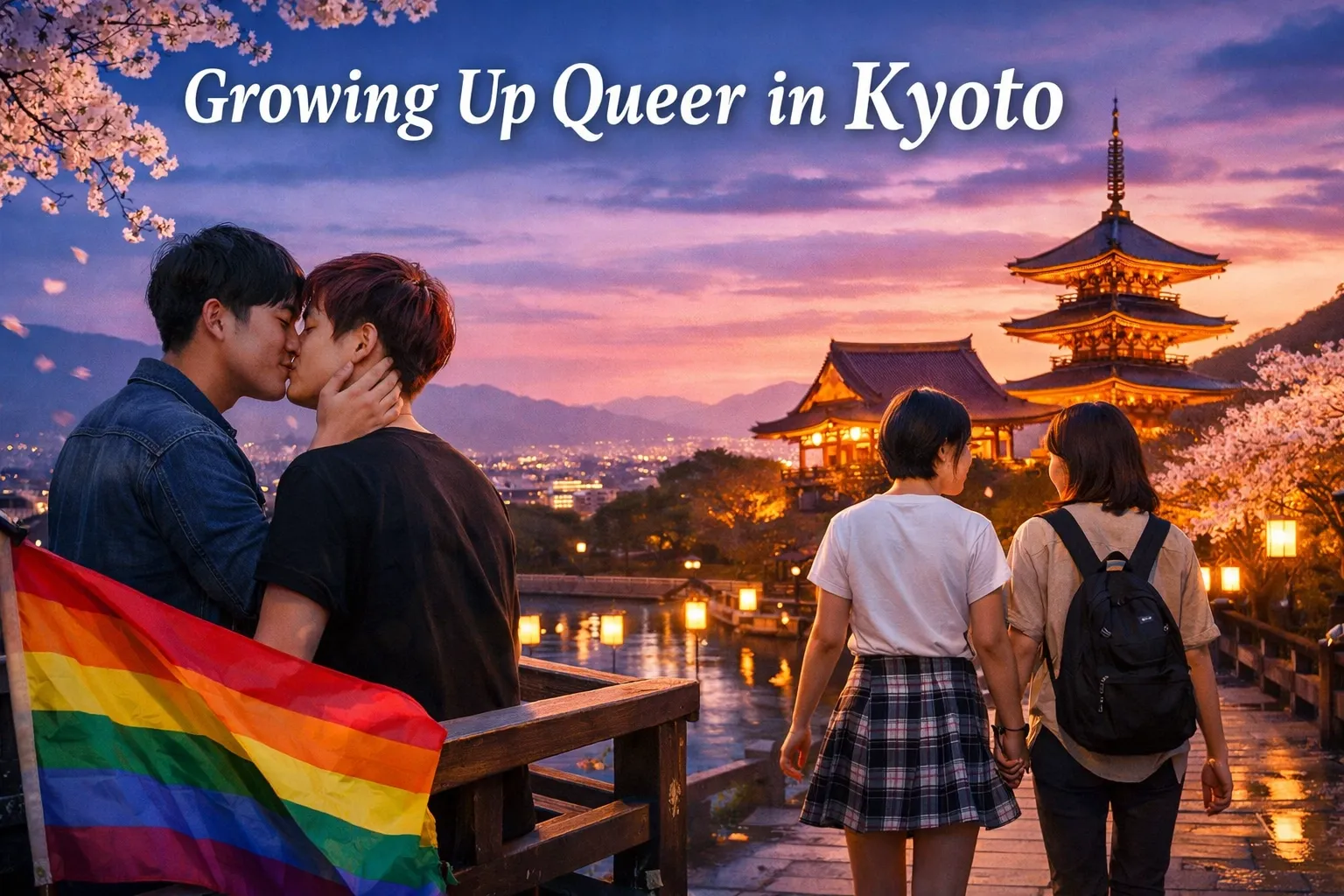
readwithpride.com
Seventeen-year-old Haruto didn't know what to expect when he first stepped into the community space run by Nijiizu. He'd found the organization online after midnight one evening, scrolling through his phone while his parents slept in the next room. The website promised a safe space for young people aged 10 to 23 who identify as LGBT or are questioning their identity, no legal names required, no pressure to explain yourself.
That first visit changed everything.
When Ancient Traditions Meet Modern Identity
Growing up in Kyoto isn't like growing up in Tokyo or Osaka. Here, the past lives alongside the present in every temple gate and tea ceremony. Haruto's family runs a traditional kaiseki restaurant near Gion, where his grandmother still prepares seasonal dishes using recipes passed down through five generations. There's a particular way to fold the napkins, a specific angle to place the chopsticks, an unspoken code about what gets discussed at the dinner table and what remains private.
Sexuality? That's private. Very private.
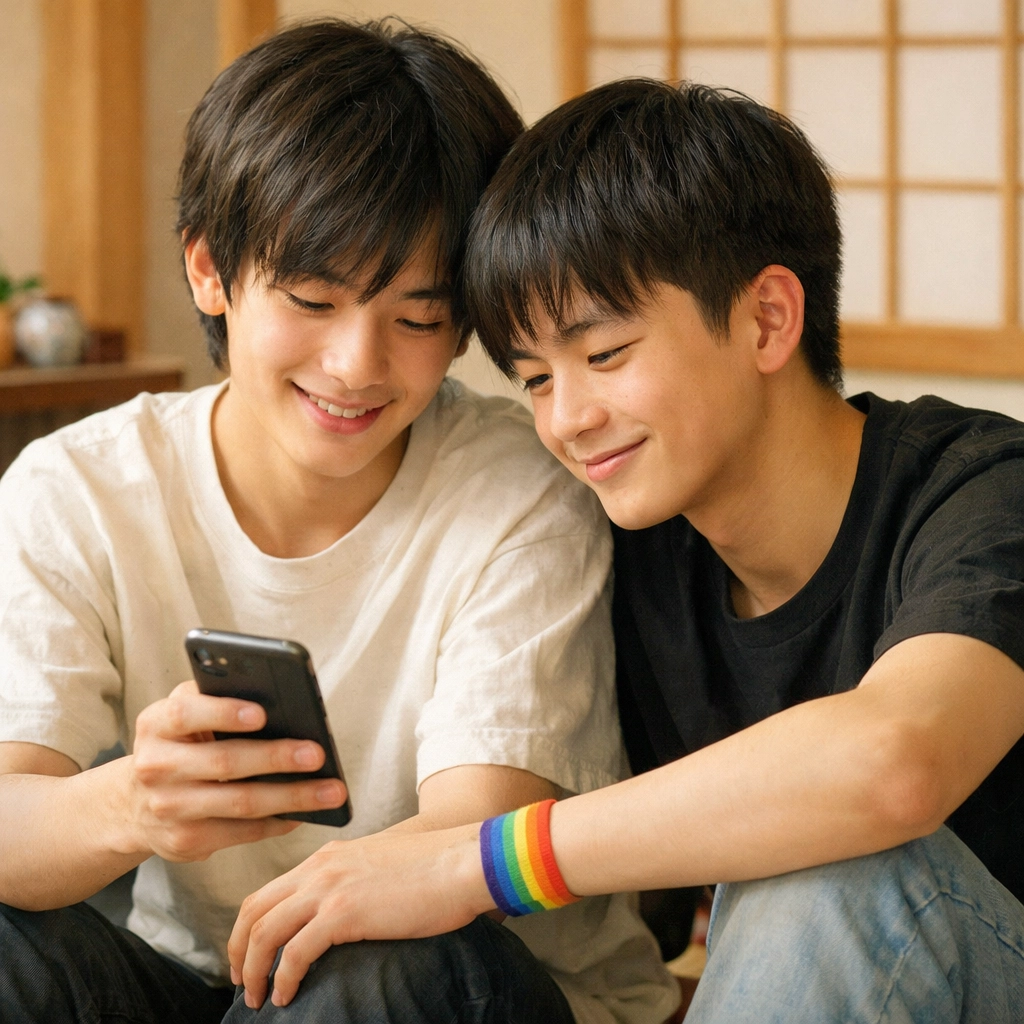
In Japan, discussions about gender and sexuality tend to stay behind closed doors. It's not necessarily hostility, though that exists too, especially among older generations, but rather a cultural preference for discretion. Don't make waves. Don't stand out. Protect the harmony of the group.
For Haruto, this meant years of smiling through questions about which girl in his class he liked, of changing the subject when his aunts teased him about future girlfriends, of feeling like he was performing a role in a play where everyone else knew their lines perfectly.
Finding Community in Unexpected Places
The beauty of Kyoto's LGBTQ+ community is that it exists quietly but purposefully. Gender Garden at Doshisha University hosts regular film screenings and workshops focused on queer issues. Kyotoiro, started by a social worker and meeting every three months, evolved from a transgender-focused group into a broader space where people discuss sex and sexuality openly. The city government even provides Kyoto Marble Space, offering both social gatherings and professional counseling for LGBTQ+ people, their families, and allies.
These spaces matter because they offer something many queer youth in Japan desperately need: visibility and validation.
At his second Nijiizu meeting, Haruto met Yuki, a twenty-year-old university student who'd been coming for three years. Over cheap convenience store onigiri, Yuki explained how the group had saved them during high school. "I thought I was the only one," Yuki said. "In my entire school, my entire neighborhood, I thought I was completely alone."
That's the thing about growing up queer in a place like Kyoto, you can be surrounded by millions of people and still feel isolated. The traditional architecture is stunning, the cultural heritage is profound, but when you're a gay kid trying to figure out who you are, those beautiful old buildings can start to feel like walls.
The Legal Landscape: Progress and Gaps
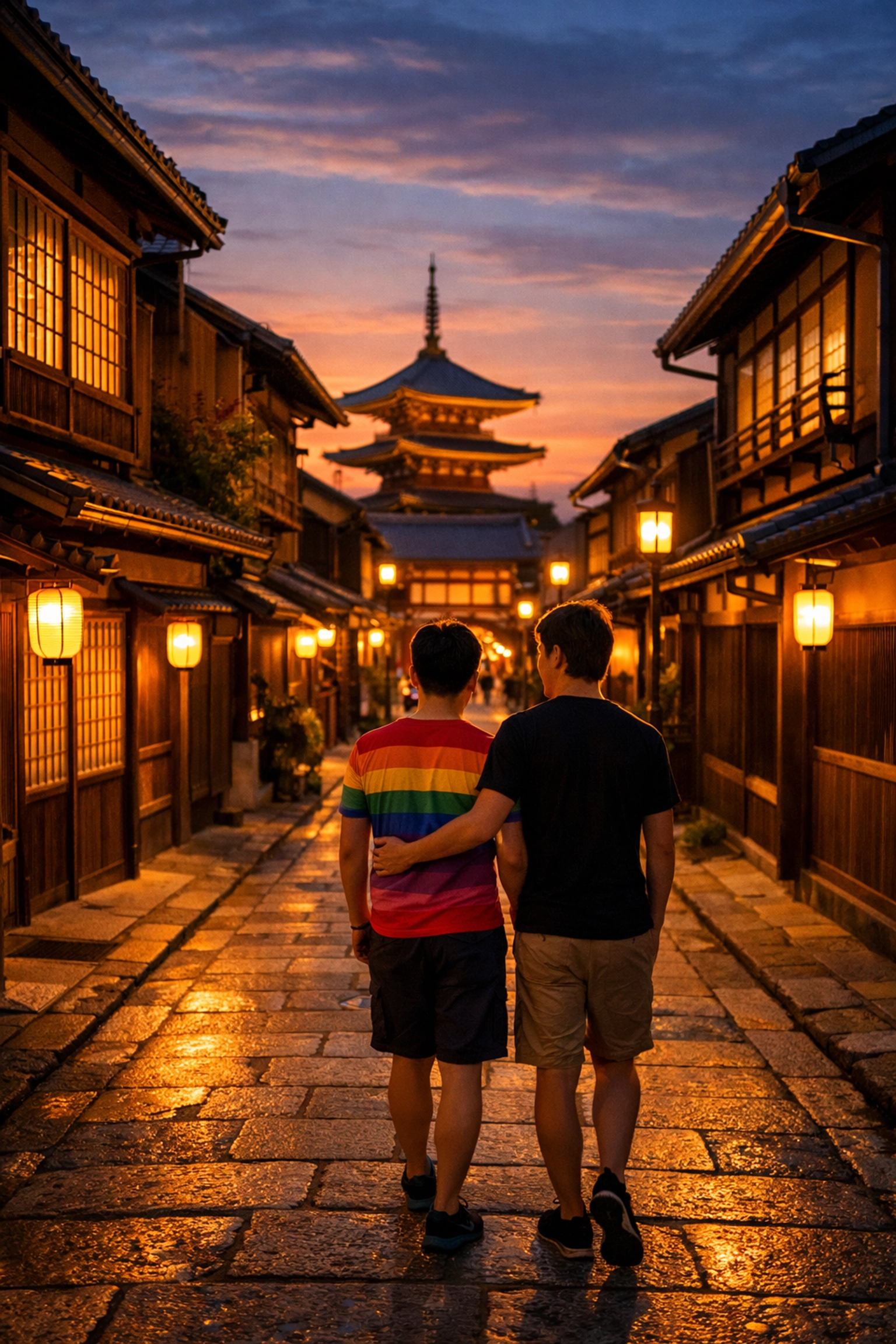
Here's what makes things complicated: being LGBTQ+ isn't illegal in Japan. That's the good news. The challenging news? There are no national anti-discrimination laws protecting people based on sexual orientation or gender identity. You can't be arrested for being gay, but you also can't necessarily fight back if you're discriminated against at work, school, or in housing.
Younger generations in Japan are increasingly supportive of queer people, which gives Haruto hope. His closest friend from middle school didn't even blink when Haruto came out to him. "Cool," Kenji had said, then went back to complaining about their math teacher. It was the non-reaction Haruto had dreamed about.
But rural areas and older generations? That's where the outdated views persist. Haruto's grandmother still talks about great-grandchildren she expects from him someday. His father changes the subject whenever anything LGBTQ+-related comes up on television. His mother… well, his mother hasn't said much at all, which somehow feels worse than outright rejection.
Bridging Two Worlds
The truth about growing up queer in Kyoto: or anywhere, really: is that you often become a bridge between worlds. Haruto loves his family's restaurant. He loves the precision of traditional cooking, the way seasonal ingredients tell a story about the passage of time. He loves his grandmother's hands, weathered from decades of work, expertly arranging autumn leaves on a ceramic plate.
He also loves the community he's found at Nijiizu, where he can joke about cute boys without anyone flinching. He loves the MM romance books he discovered on Read with Pride, where characters navigate coming out stories and find love despite the odds. He loves feeling seen.
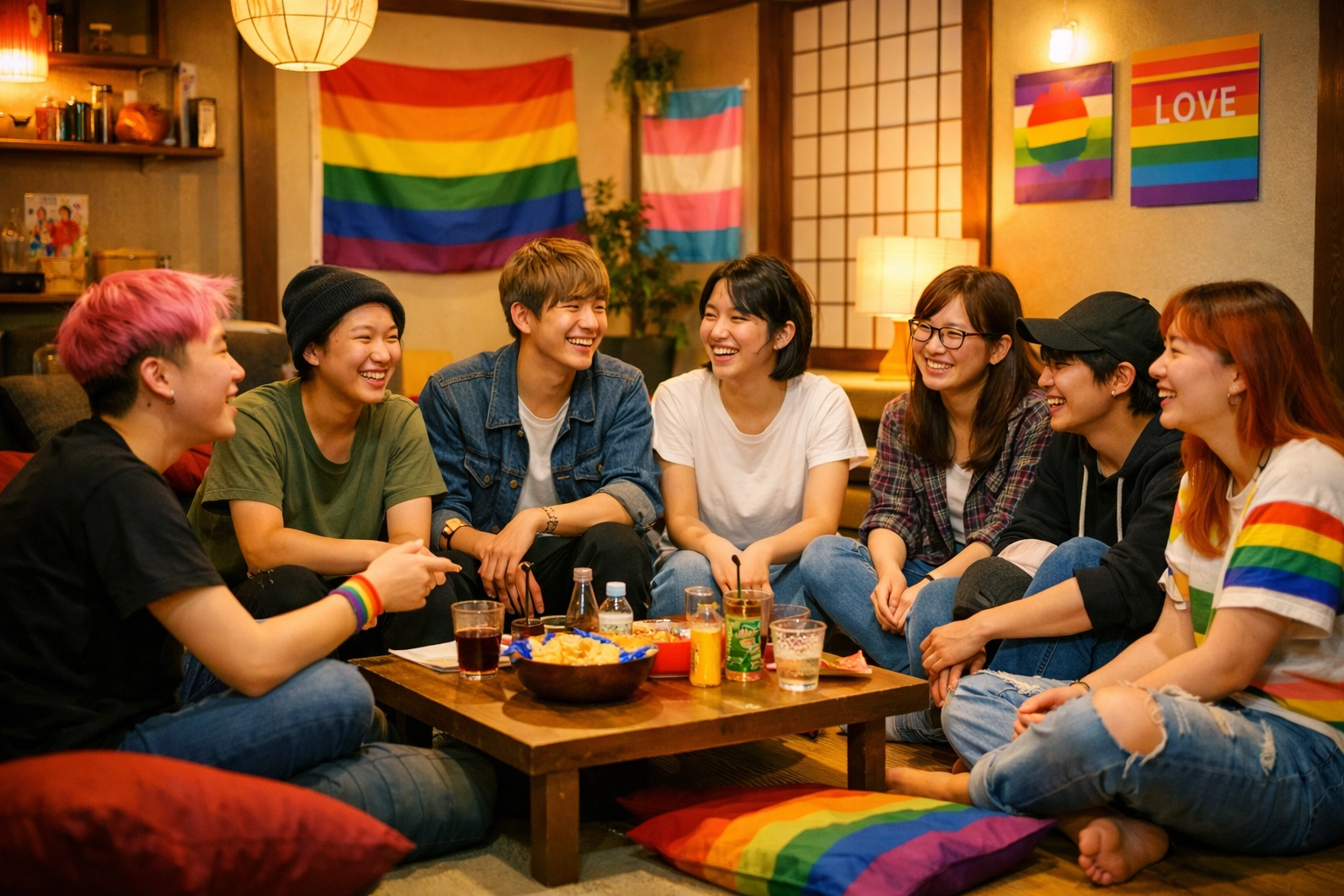
The question isn't whether he can be both Japanese and gay, traditional and modern. He already is. The question is whether the world around him will catch up.
When Family Comes Around (Sometimes)
Not every story has a perfect ending, and Haruto's is still being written. But small moments give him hope.
Last month, his mother asked him: casually, while chopping vegetables: if he'd like to bring a friend to their family's New Year's celebration. "Any friend," she emphasized, not quite making eye contact. "Someone special, if you have someone special."
It wasn't a grand declaration of acceptance. There were no tears or hugs or dramatic speeches. But for Haruto, it was enough. In a culture that values subtlety and reading between the lines, his mother had just told him she knew. And she was trying.
His grandmother still talks about great-grandchildren, but she also asked Haruto to teach her how to use Instagram so she could see photos of his life at university next year. Baby steps.
Looking Beyond Kyoto
For queer youth needing a bigger community scene, Osaka is just thirty minutes away by train. The city hosts a larger LGBTQ+ population and the Kansai Rainbow Festa: the regional Pride event held every October. Haruto attended last year with friends from Nijiizu, and the experience of being surrounded by thousands of openly queer people was overwhelming in the best way.
But he always comes back to Kyoto. This is home: the good, the complicated, and everything in between.
Resources That Actually Help
If you're a young queer person in Kyoto or anywhere in Japan, these resources exist:
Nijiizu offers free, open spaces for ages 10-23, meeting about once a month. They provide partial transportation subsidies if needed, and you never have to use your legal name or discuss your orientation if you don't want to. The whole point is to create a judgment-free zone.
Kyoto Marble Space provides both social gatherings and professional counseling. Sometimes you need to chat with friends who get it; sometimes you need to talk to a trained counselor. Both are valid.
For English-language LGBTQ+ fiction and gay romance books that reflect diverse experiences, Read with Pride offers stories where queer characters don't just exist: they thrive, fall in love, have adventures, and get happy endings. Sometimes you need to see your future self succeeding.
The View from Here
Haruto sits on the bank of the Kamo River on a warm February evening, watching university students and couples walk by. In a few months, he'll start his own university journey. He's applied to schools in Tokyo, Osaka, and one in Kyoto. He doesn't know where he'll end up yet.
What he does know: he's not alone. The kid sitting in their bedroom at midnight, searching for community online, will find it. The teenager navigating family expectations while figuring out their identity will survive it. The culture is changing, slowly but surely, pushed forward by young people who refuse to hide.
Growing up queer in Kyoto means honoring tradition while forging new paths. It means loving your heritage while demanding space for your authentic self. It means understanding that progress isn't always loud or dramatic: sometimes it's your mother saying "any friend" while chopping daikon, or your grandmother learning to use social media, or finding twenty other queer kids gathered in a community space, eating snacks and just existing together.
It's not perfect. But it's real. And it's getting better.
Looking for authentic LGBTQ+ stories? Check out our collection of gay romance novels and MM romance books at readwithpride.com. Follow us on Instagram, Facebook, and Twitter for daily recommendations and community support.
#ReadWithPride #LGBTQYouth #QueerStories #MMRomance #GayRomanceBooks #LGBTQFiction #ComingOut #QueerCommunity #JapanLGBTQ #GayBooks #QueerRepresentation #LGBTQReading #AuthenticStories #GayLoveStories #2026Pride

Leave a Reply
You must be logged in to post a comment.