readwithpride.com
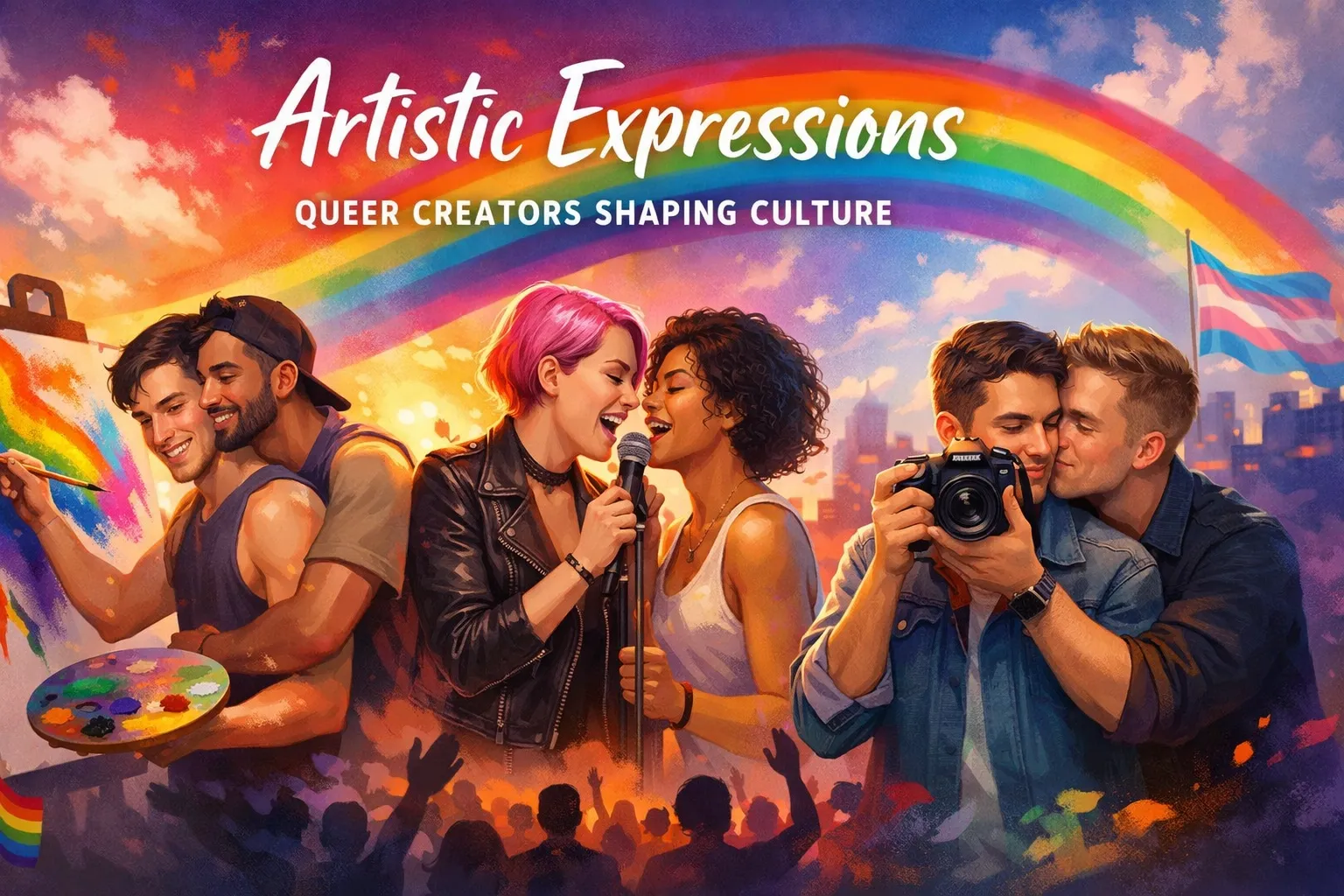
Art has always been a refuge, a rebellion, and a revolution. For queer creators, it's all three at once, a space where identity isn't just explored but celebrated, challenged, and reimagined. From the canvas to the runway, from performance stages to woven tapestries, LGBTQ+ artists are shaping contemporary culture in ways that refuse to be ignored.
At Read with Pride, we celebrate all forms of queer storytelling, whether it's through MM romance books, gay fiction, or the visual arts that challenge and inspire us. Because representation matters everywhere, and these artists are proving that our stories deserve to be front and center.
When Your Body Becomes the Canvas
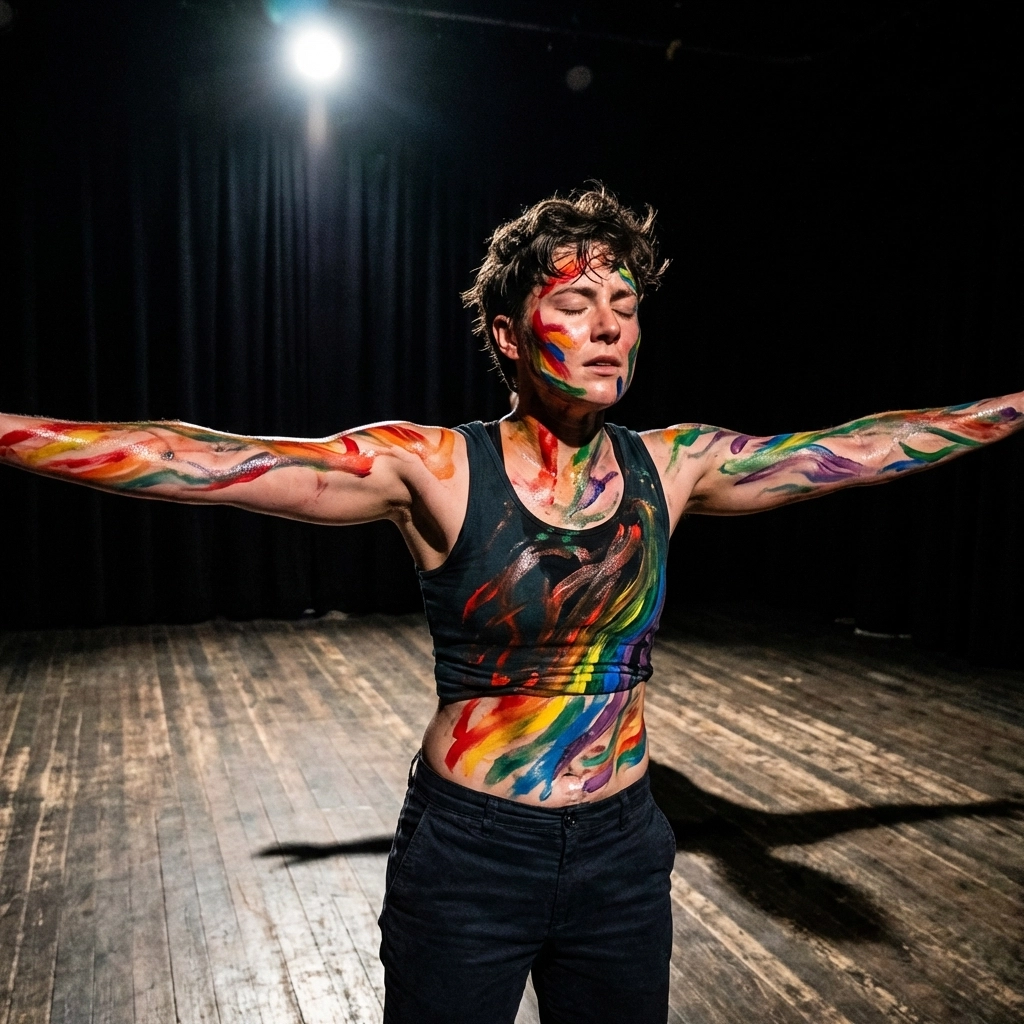
Some artists don't just create art, they become it. Take Cassils, the Guggenheim award-winning artist whose work literally makes their transgender body the material of their performances. Their pieces contemplate LGBTQ+ history, violence, and empowerment in ways that are visceral and impossible to look away from.
Performance art has always had this radical edge, but when queer artists step into it, they're not just making statements, they're rewriting narratives that have historically erased us. Carmelita Tropicana brings irreverent humor and fantasy to the stage, challenging cultural stereotypes and literally rewriting history from perspectives that mainstream culture has ignored for far too long.
This isn't performance for performance's sake. It's transformation. It's activism wearing a fabulous outfit and demanding you pay attention.
Weaving Stories Thread by Thread
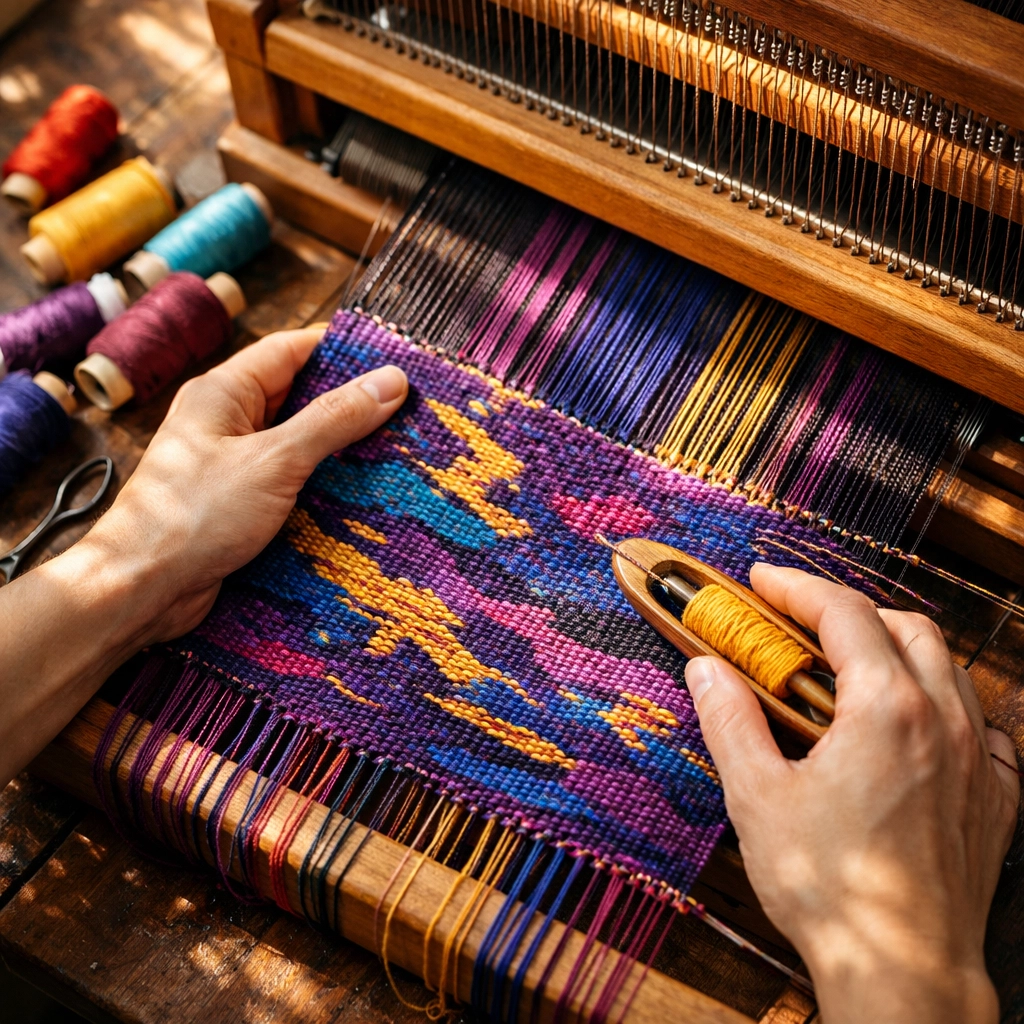
Not all artistic expressions are loud. Some are quiet, meditative, and achingly beautiful. Diedrick Brackens uses weaving, an ancient, traditionally feminine craft, to explore softness and storytelling. His 2026 exhibition at the Yerba Buena Center for the Arts this March is set to showcase how something as simple as thread and fabric can speak volumes about identity, nature, and the Black queer experience.
Meanwhile, Hortensia Mi Kafchin creates figurative paintings that center the contemporary trans experience. These aren't abstract concepts or political talking points, they're lived realities rendered in color and form, personal stories that become universal truths.
What's powerful about these mediums is how they reclaim spaces that weren't built for queer voices. Weaving has been historically coded as women's work, dismissed as craft rather than art. Trans experiences have been medicalized, politicized, and sensationalized. These artists take those narratives back and make them their own.
Color, Joy, and Unapologetic Queerness
Gabriel Bennett Lovejoy uses colors and iconography to explore transgender joy, not trauma, not struggle, but joy. That's a radical act in itself. For too long, queer and trans stories have been told through the lens of suffering. But these artists are saying: we're here, we're thriving, and we're gorgeous.
Diego Torres-Casso combines photography, video, performance, and mixed media to explore Chicanx identity and resilience within marginalized communities. His interdisciplinary approach mirrors the complexity of queer identity itself, we're not one thing, we're many things at once, and we refuse to be simplified.
Matthew Walton reimagines mundane moments through a vibrant lens, highlighting the quiet charm of everyday queerness. Because yes, our lives include protests and pride parades, but they also include grocery shopping, morning coffee, and lazy Sundays. Both are worth celebrating.
Fashion as Resistance
Fashion has always been political for queer people. What we wear is how we signal to the world, and to each other, who we are. Sydney Cohen, working under the name Hey Aswang, reclaims Filipino folklore through experimental fashion and storytelling. Their work weaves diasporic worlds and radical transformation, proving that fashion isn't frivolous, it's foundational.
The Queer-ennial: Identity Through Fashion exhibition juxtaposes fashion as a tool for identity and visibility. LGBTQ+ expression has always shaped culture, from ball culture's influence on mainstream fashion to drag's impact on beauty standards. These aren't subcultures anymore, they're the culture.
When queer creators design, they're not just making clothes. They're making armor, making statements, making space for bodies and identities that the fashion industry has historically excluded.
The Next Generation is Here
Venus Gonzalez is only 23, but her paintings are already making waves. Her work aims to immortalize and honor women, combining hauntingly beautiful imagination with precise brushwork. She represents a generation of queer artists who grew up with more visibility than any before them, and they're using it.
This new wave of creators isn't waiting for permission or validation from traditional art institutions. They're building their own platforms, creating their own communities, and defining success on their own terms. Social media has democratized art in ways that are both challenging and liberating, and young queer artists are taking full advantage.
Where Art Meets Activism
Performance and nightlife have become spaces for collective care, particularly for Black queer communities. The Highly Favored 2026 program explores nightlife as an intersection of joy, resistance, and collective care, centering artist Nikko LaMere's work on identity and lived experience.
These spaces aren't escapes from reality, they're where reality gets reimagined. Where chosen families gather. Where trauma is processed through dance, through music, through simply being together in a world that often feels hostile to our existence.
The Yerba Buena Center for the Arts' Conjuring Power: Roots & Futures of Queer & Trans Movements (running March 13–August 23, 2026) explores how queer and trans communities harness creativity to build culture and strengthen movements across generations. It's a reminder that our art has always been tied to our survival.
Why This Matters for Readers and Writers
At Read with Pride, we publish LGBTQ+ fiction, MM romance, and gay novels because we believe in the power of storytelling. But these visual artists? They're doing the same work we are, just with different tools.
Whether you're reading a steamy MM romance or standing in front of a painting that challenges your perceptions, you're engaging with queer narratives. You're saying that our stories matter. That our joy, our pain, our everyday lives, and our wildest dreams all deserve to be seen and celebrated.
The best gay romance books transport you into someone else's experience. So does great art. Both create empathy, build community, and remind us that we're not alone.
Supporting Queer Art in 2026
So what can you do? Visit exhibitions. Buy from queer artists. Share their work on social media. And yes, read queer fiction: check out our collection of MM romance books, gay fiction, and LGBTQ+ literature that centers our experiences.
Follow the movement on social media: connect with us on Facebook, Instagram, and X. Because whether it's through paint, performance, or the perfect MM romance novel, we're all telling the same essential truth: we exist, we create, and we're not going anywhere.
Queer creators aren't shaping culture from the margins anymore. We're at the center, creating the art that future generations will look back on and recognize as the moment when everything changed.
#LGBTQArt #QueerCreators #MMRomance #ReadWithPride #GayFiction #QueerArtists #LGBTQBooks #TransArtists #QueerCulture #GayRomanceBooks #LGBTQReading #QueerRepresentation #ArtisticExpression #MMRomanceBooks #GayNovels #2026Art #QueerStories #LGBTQCommunity #GayLiterature #QueerAndProud

Leave a Reply
You must be logged in to post a comment.