


readwithpride.com
There's something liberating about letting go of who society expects you to be. For some queer men, that freedom comes from an unexpected place: strapping on a tail, dropping to all fours, and exploring identity through puppy play.
Before you raise an eyebrow, let's get one thing straight (or should we say, queer): this isn't about shock value or internet clickbait. Puppy play, a subculture where individuals role-play as dogs, has become a genuine space for self-discovery, community building, and yes, finding peace in a world that often demands we conform.
Beyond the Collar: What Puppy Play Actually Is
Puppy play falls under the broader umbrella of pet play, where participants take on animal personas. For pups (as they're often called), this might mean wearing gear like collars, hoods, mitts, and tails. But it's not just about the accessories, it's about the headspace.
Some folks describe "pup space" as a meditative state where human anxieties fade away. You're not worrying about your taxes, your boss's passive-aggressive emails, or whether you said something awkward at last week's dinner party. You're just… being. Playing. Existing in the moment.
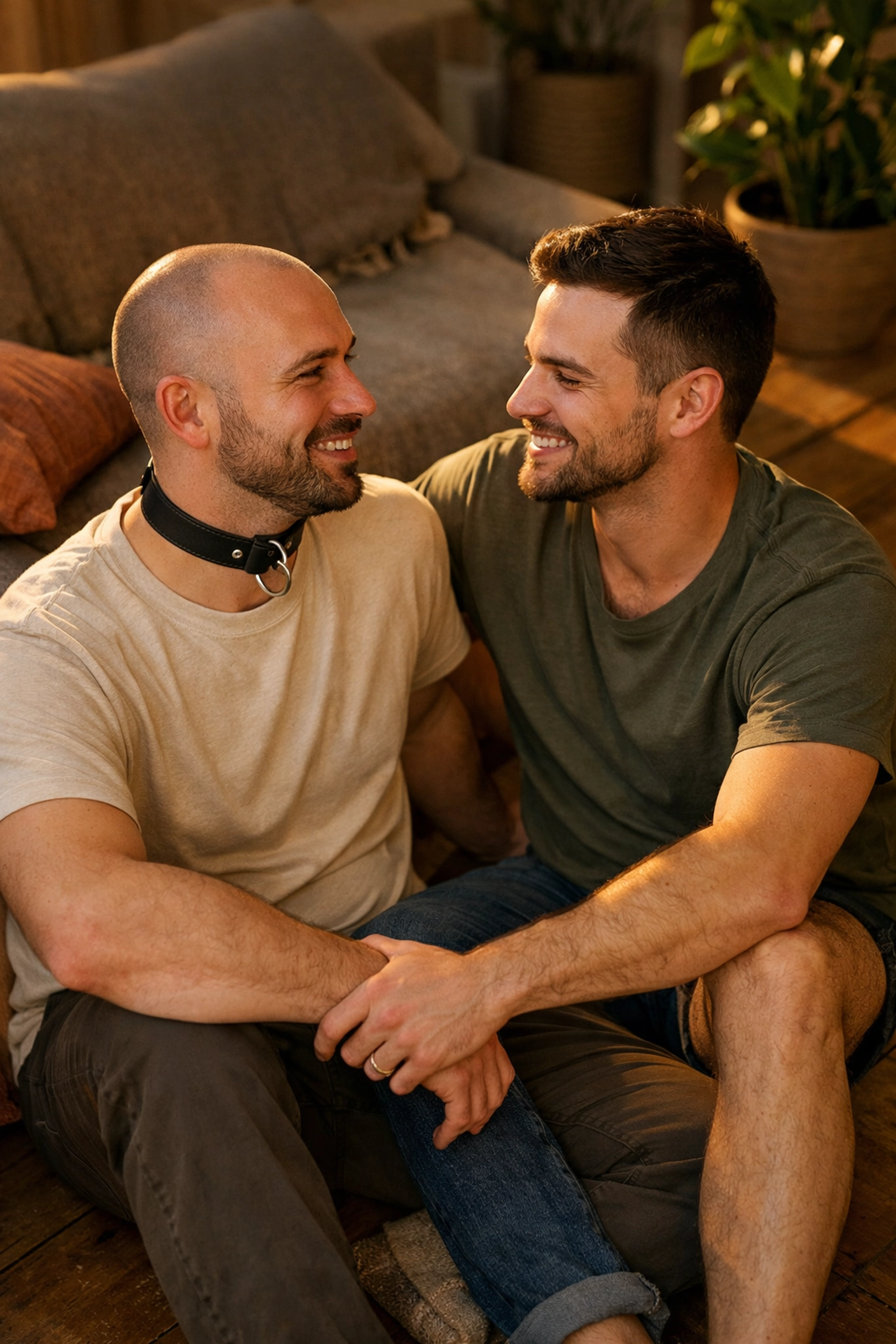
The practice can be social, intimate, or purely personal. Some pups attend mosh events (puppy play gatherings), while others explore this side of themselves privately. There's no single "right" way to be a pup, which is kind of the whole point.
The Weight of Being Human
Here's the thing about being queer in 2026: even with progress, there's still pressure. Pressure to present a certain way. Pressure to be a "good" representative of the community. Pressure to navigate straight spaces with constant awareness of how you're perceived.
For many queer men, masculinity itself can feel like a performance, one with rules they never fully signed up for. Puppy play offers a radical alternative: permission to shed those expectations entirely.
When you're a pup, there's no pressure to be articulate, successful, or put-together. You can be playful, silly, vulnerable, or energetic without judgment. You can communicate through barks, whines, or body language instead of carefully chosen words. For guys who've spent their whole lives code-switching and self-editing, that's incredibly freeing.
Finding Community in Unexpected Places
One of the most powerful aspects of pup culture is the pack mentality, not in a toxic way, but in the sense of chosen family and community. Pup events create spaces where participants can be fully themselves without fear of ridicule or rejection.
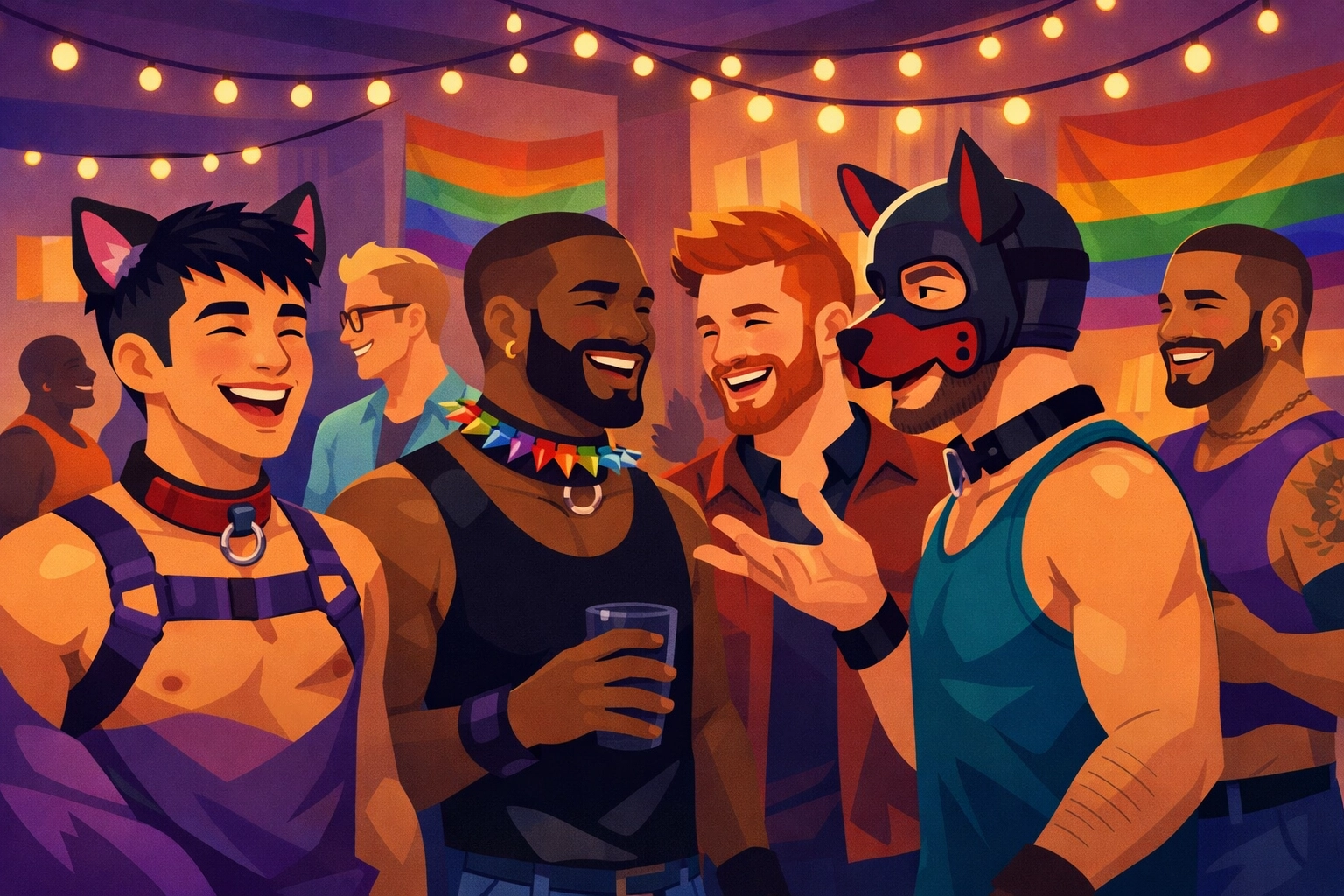
Think about it like the forced proximity MM romance trope that's so popular in gay fiction, you know, where two characters are thrown together in close quarters and develop deep connections. Pup spaces work similarly, creating intimate environments where vulnerability becomes connection. When you're in a room full of people all choosing to be their authentic, uninhibited selves, something magical happens.
Handlers (people who take on caretaker roles with pups) provide structure, guidance, and affection. The handler-pup dynamic can be deeply nurturing, offering a type of care that many queer men didn't receive growing up. It's about trust, communication, and mutual respect, themes that resonate throughout MM romance books and real-life relationships alike.
The Therapeutic Angle
Mental health professionals have started recognizing what pup players have known for years: role-play and alternative identity exploration can be genuinely therapeutic. Dropping into pup space can reduce anxiety, quiet intrusive thoughts, and provide a healthy outlet for stress.
There's also something profound about reclaiming playfulness. Many queer kids learned early to police their behavior, to "tone it down," to be less flamboyant or less themselves. Puppy play says: actually, playfulness is valid. Joy is valid. Being unapologetically yourself is valid.
For trauma survivors especially, the structured nature of pup play, with clear boundaries, safe words, and consent negotiations, can provide a sense of control and safety often missing from their experiences.
Not Your Average Love Story
While puppy play isn't inherently sexual (though it can be for some folks), it definitely intersects with the broader landscape of queer intimacy and connection. The vulnerability required, the trust built, the authentic self-expression, these are the same elements that make gay romance novels and MM fiction so compelling.
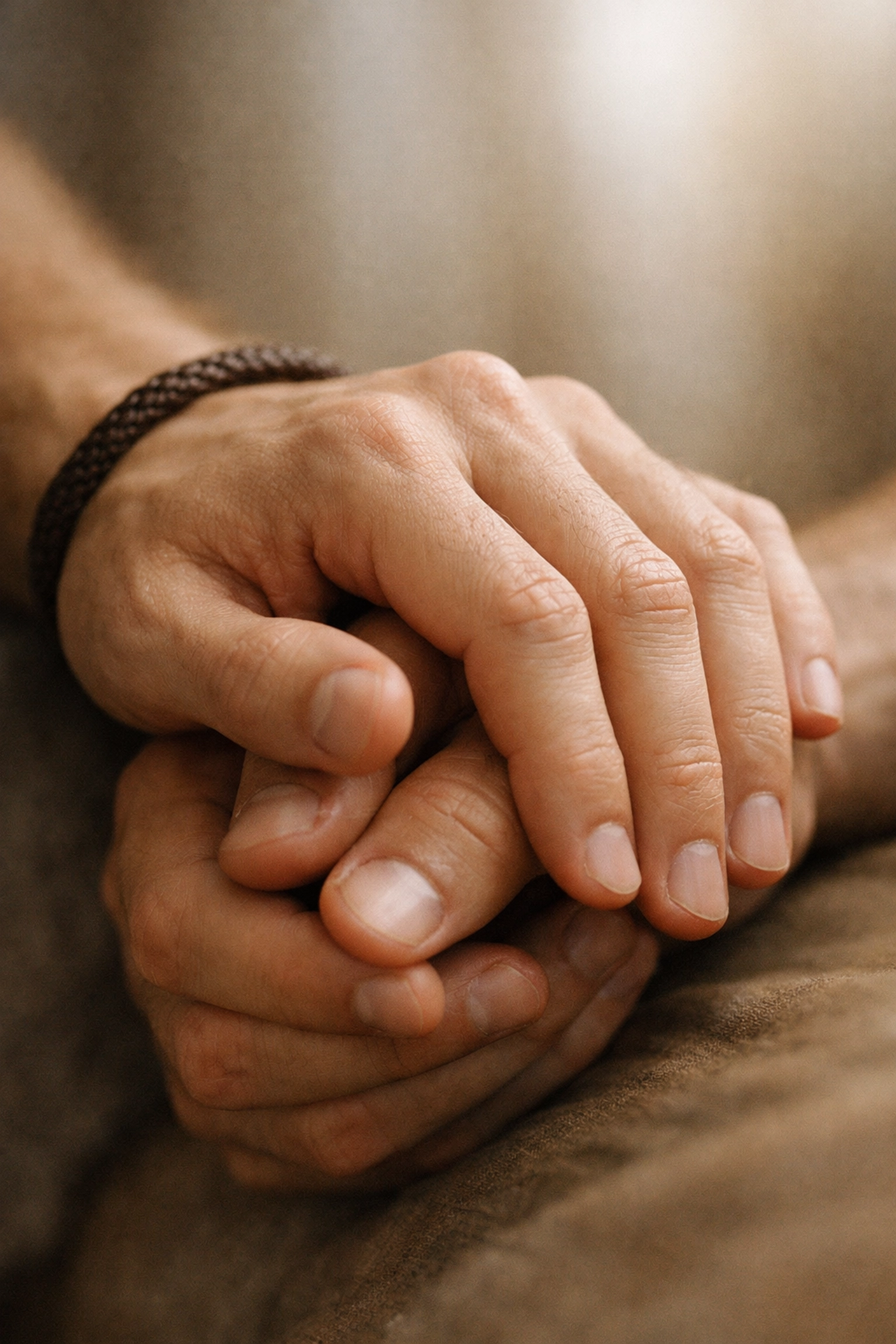
The best LGBTQ+ romance stories understand that love and connection happen when people feel safe enough to be real with each other. Whether that's in a cozy bookshop, a spy mission gone wrong, or yes, at a pup mosh, the principle remains: authenticity creates connection.
That's why stories exploring alternative relationship dynamics and identity expression resonate so deeply. They remind us that there's no single script for how queer love and community should look.
The Broader Picture
Puppy play exists within a rich tapestry of LGBTQ+ self-expression and subcultures. From leather daddies to drag queens, from ballroom culture to bear communities, queer folks have always created spaces to explore identity beyond mainstream norms.
What makes pup play particularly interesting is how it completely sidesteps human social hierarchies. Your job title, your Instagram followers, your gym routine, none of that matters in pup space. It's beautifully egalitarian in that way.
This connects to broader themes in queer fiction and gay literature: the search for spaces where we can be fully seen and accepted. Whether you're reading about it in gay novels or experiencing it firsthand, that fundamental human need for belonging remains the same.
Real Talk About Acceptance
Let's be honest: puppy play isn't for everyone, and that's completely okay. Some people will never understand the appeal, and they don't have to. What matters is that for those who find meaning in it, the practice offers something valuable and real.
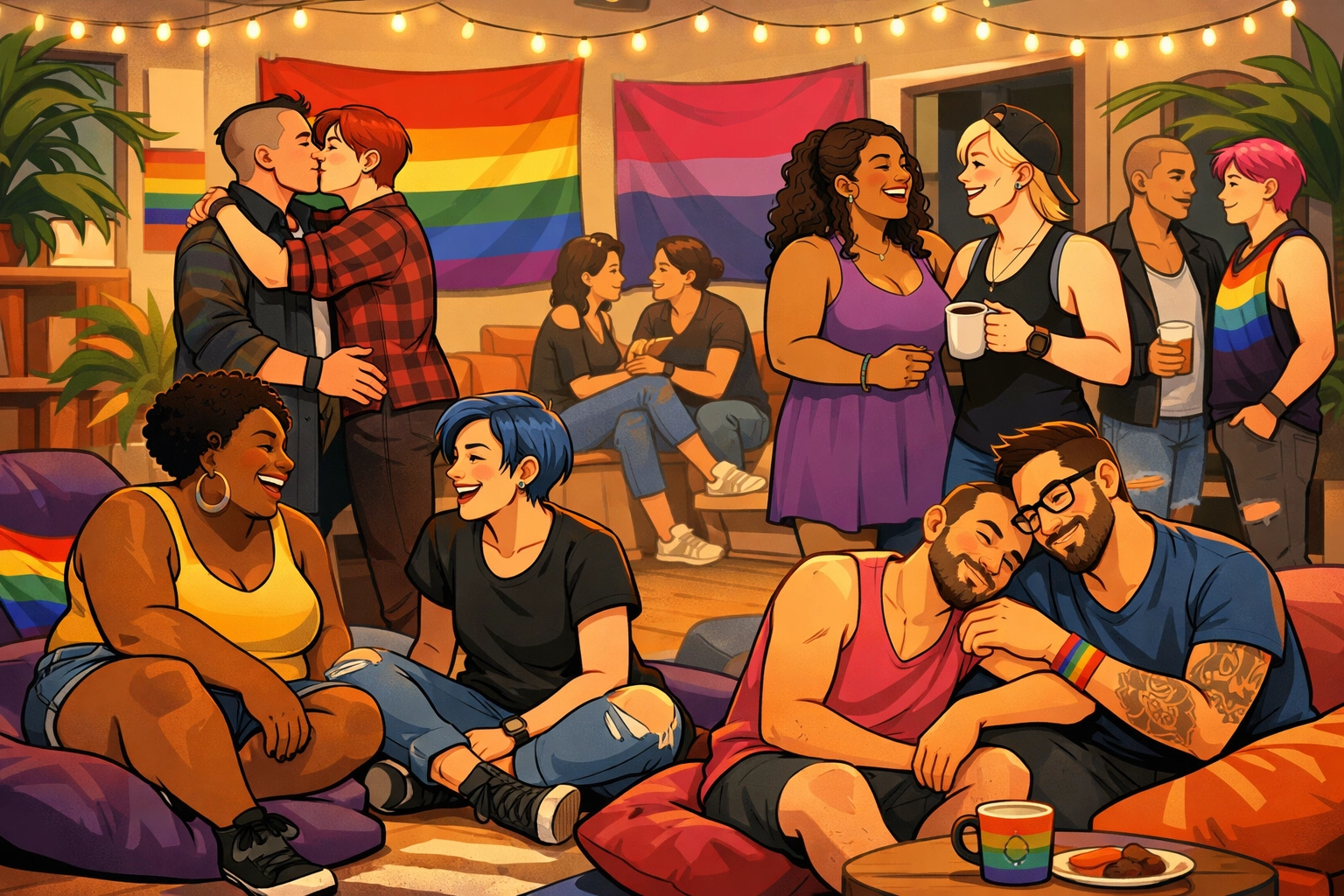
The queer community has always been about making space for different expressions of identity and desire. From the pages of steamy MM romance to the dance floors of underground clubs, we've built worlds where "different" isn't just tolerated, it's celebrated.
Finding Your Own Tail (Or Not)
You don't have to strap on a tail to benefit from the lessons of pup culture. The core message translates: you're allowed to explore identity in ways that feel right for you. You're allowed to shed expectations. You're allowed to play, to be vulnerable, to seek community in unexpected places.
For readers of gay romance books and LGBTQ+ fiction, these themes probably sound familiar. The best stories in our genre have always been about characters finding the courage to be themselves and finding love and acceptance in the process. Puppy play is just one more chapter in that ongoing story.
A Final Wag
The beauty of being queer in 2026 is that we have more options than ever for exploring who we are. Whether you're into contemporary gay romance, historical period pieces, or yes, strapping on puppy gear, there's space for you.
The pup community reminds us that joy and peace can come from the most unexpected places. Sometimes finding yourself means letting go of being human for a while. And honestly? That's pretty beautiful.
For more stories exploring LGBTQ+ identity, community, and connection, visit Read with Pride for curated MM romance, gay fiction, and queer literature that celebrates all the ways we love and live.
Follow us:
Facebook | Instagram | X/Twitter
Explore more at: readwithpride.com
#PuppyPlay #LGBTQCommunity #QueerIdentity #MMRomance #GayRomanceBooks #ReadWithPride #QueerFiction #LGBTQFiction #GayBooks #MMBooks #AuthenticLiving #QueerCommunity #GayLiterature #LGBTQReading #MMRomanceBooks #GayNovels #QueerExpression #LGBTQPride #GayRomance #MMFiction

Leave a Reply
You must be logged in to post a comment.