

readwithpride.com
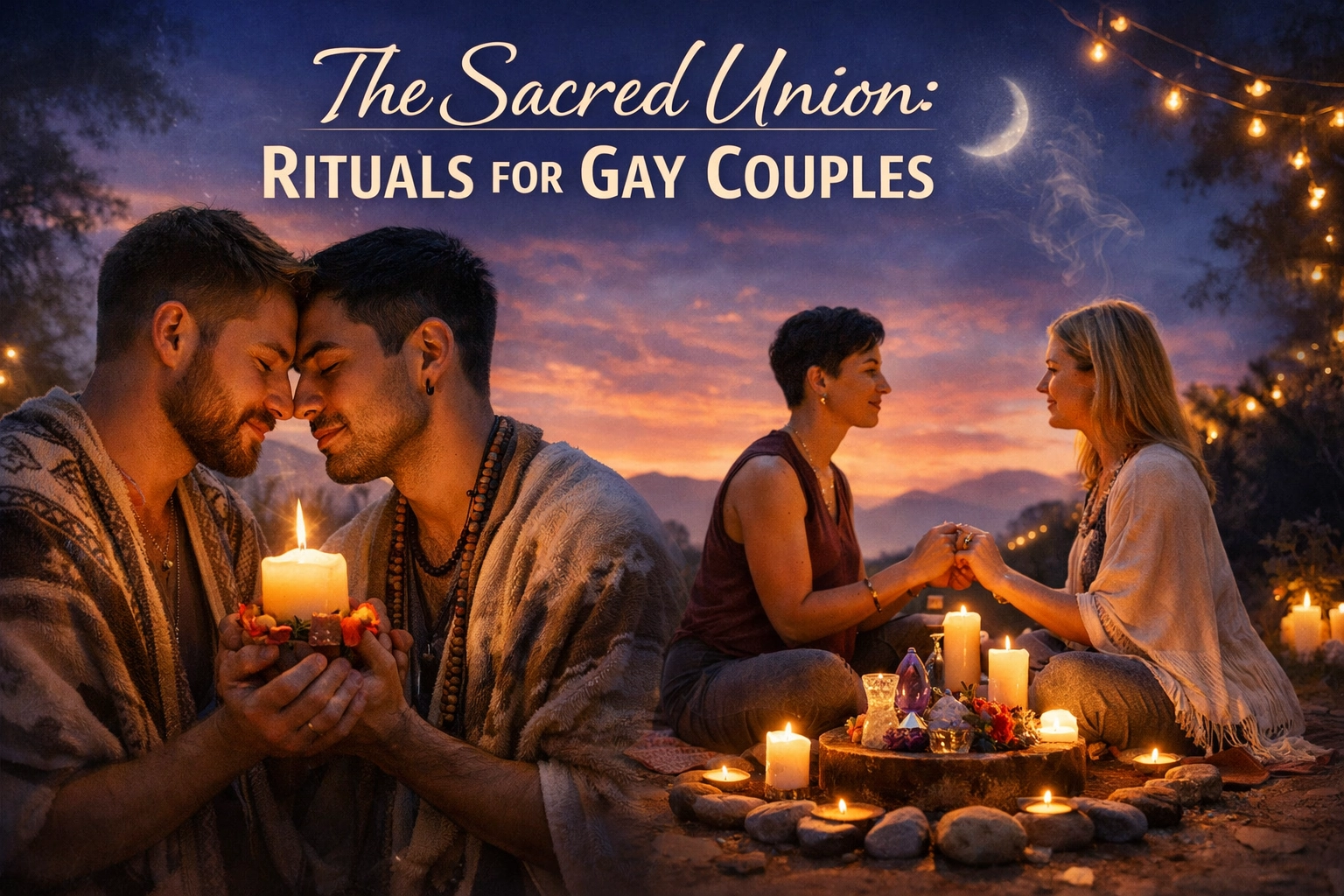
Let's talk about something that doesn't get nearly enough attention in the world of gay romance and relationships: the rituals that bind us together. Not just the legal stuff (though that's important too), but the sacred, personal, and deeply meaningful ceremonies that celebrate love between two men or two women.
If you've been following along with our Gay Kamasutra series here at Read with Pride, you know we're all about exploring every dimension of queer intimacy: from the physical to the emotional to the spiritual. And today? We're diving into the rituals that can transform a relationship into something transcendent.
Why Rituals Matter
Here's the thing about rituals: they're not just about pretty ceremonies or Instagram-worthy moments. They're about creating intentional space for your relationship, marking transitions, and weaving meaning into the everyday fabric of your love story.
For queer couples, rituals carry extra weight. We're often building our own traditions from scratch, picking and choosing from various sources, or adapting heteronormative ceremonies to fit our authentic selves. And honestly? That's beautiful. We get to be architects of our own sacred experiences.
Religious Ceremonies That Embrace Us
Let's start with the traditional routes that have evolved to welcome same-sex couples. The landscape has changed dramatically in recent years, and it's worth knowing what's out there.
Christian Blessings: The Church of England made history in December 2023 by officially sanctioning blessings for same-sex couples. These ceremonies incorporate familiar elements: processional songs, hand-joining, exchange of vows: but they're tailored to honor the unique beauty of queer love. Organizations like WATER (Women's Alliance for Theology, Ethics and Ritual) have created comprehensive liturgies that emphasize justice, mutual respect, and community participation.
The vow structure in these ceremonies is powerful: partners promise to "love, respect, listen to, and cherish" each other while working toward justice. That last part? Chef's kiss. It acknowledges that our relationships exist within a broader context of LGBTQ+ activism and social change.
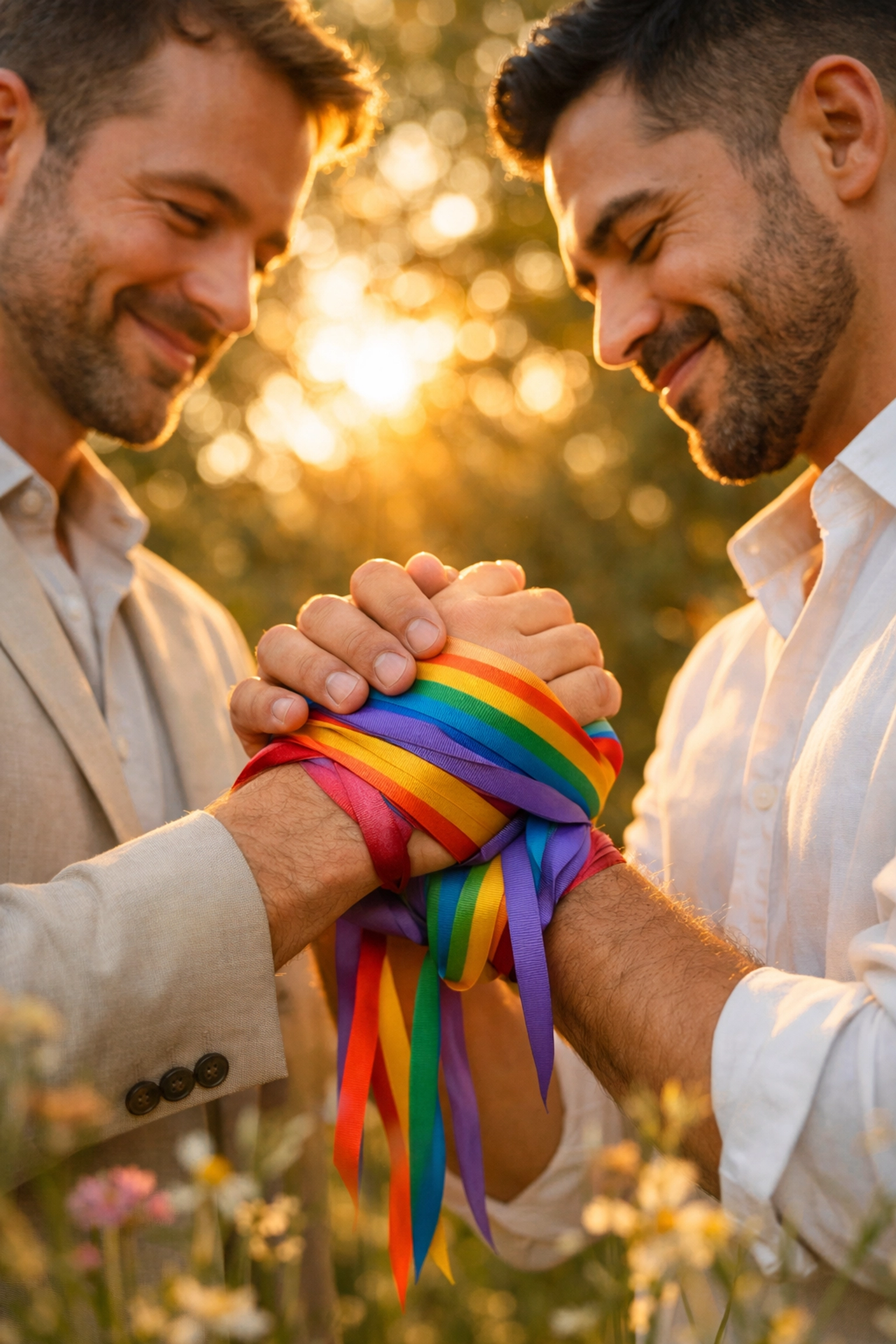
Jewish Traditions: Jewish communities have done incredible work adapting traditional ceremonies for same-sex couples while maintaining spiritual authenticity. Modern Jewish rabbis and communities recognize that queer couples deserve "the same access as heterosexual couples to sacred ceremony" as both a "human right and spiritual gift."
These adapted ceremonies might include modified blessings that acknowledge partners' genders, individual or joint welcomes under the huppah (wedding canopy), and traditional elements like breaking the glass: all reimagined for queer couples. The beauty here is in the balance: honoring ancient traditions while making space for contemporary queer identities.
Non-Denominational Options
Not everyone vibes with organized religion, and that's totally valid. That's where non-denominational rituals come in, offering spiritual depth without religious baggage.
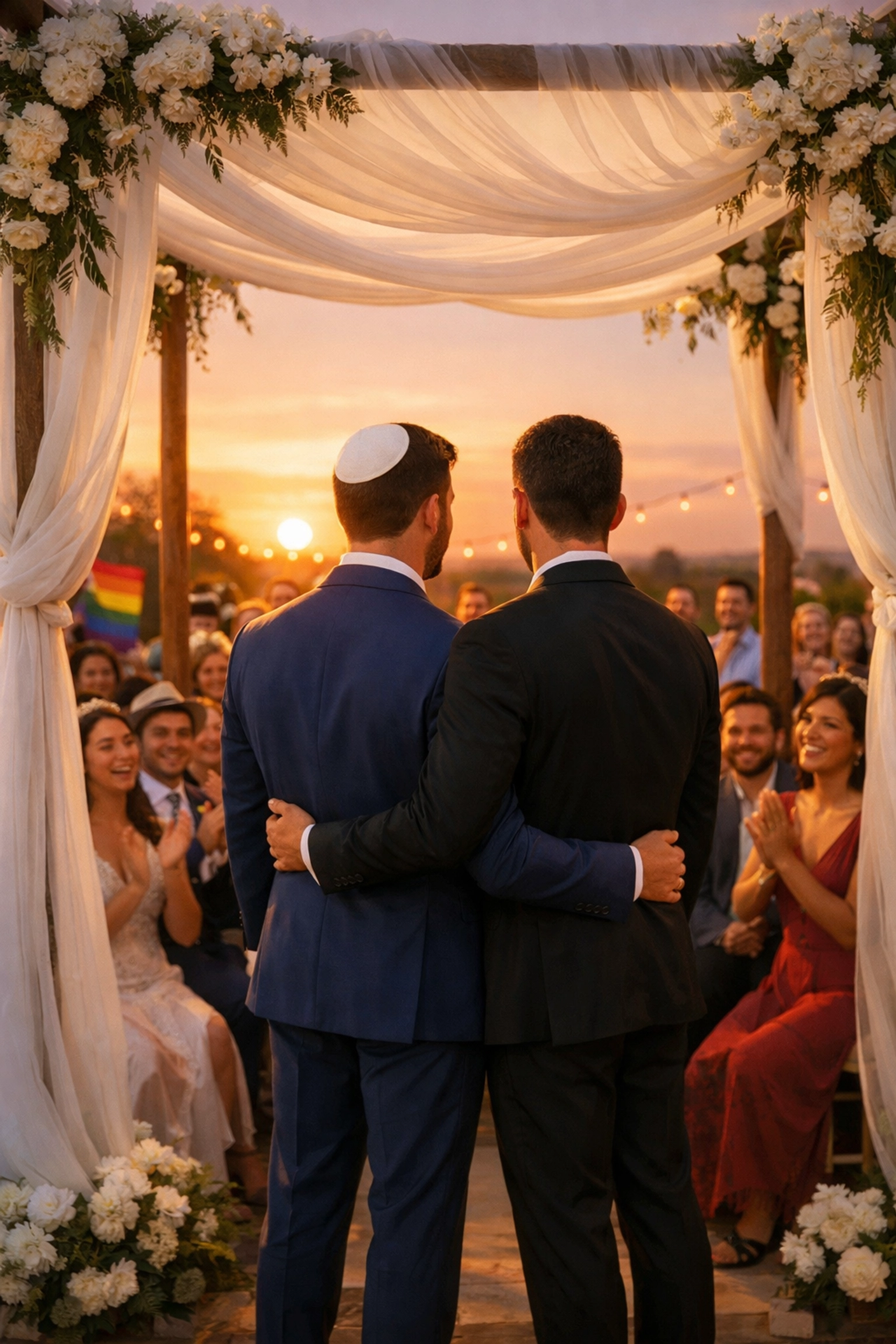
Handfasting Ceremonies: This ancient practice has found new life in modern queer weddings and commitment ceremonies. The ritual is simple yet profound: a couple's hands are bound together with ribbon or cord, symbolizing their union.
What makes handfasting perfect for gay couples? It's inherently egalitarian. There's no gendered language, no prescribed roles, just two people choosing each other. You can customize everything: the colors of the ribbons (rainbow, anyone?), the specific vows you make, the number of knots tied. Each knot can represent a promise: to support each other through challenges, to build shared dreams, to remain faithful to your bond.
The tied knots become a physical manifestation of your commitment, something you can keep and display in your home as a daily reminder of your sacred promises.
Creating Your Own Personal Rituals
Here's where things get really interesting. Beyond the big ceremony, what about the everyday rituals that keep your relationship sacred?
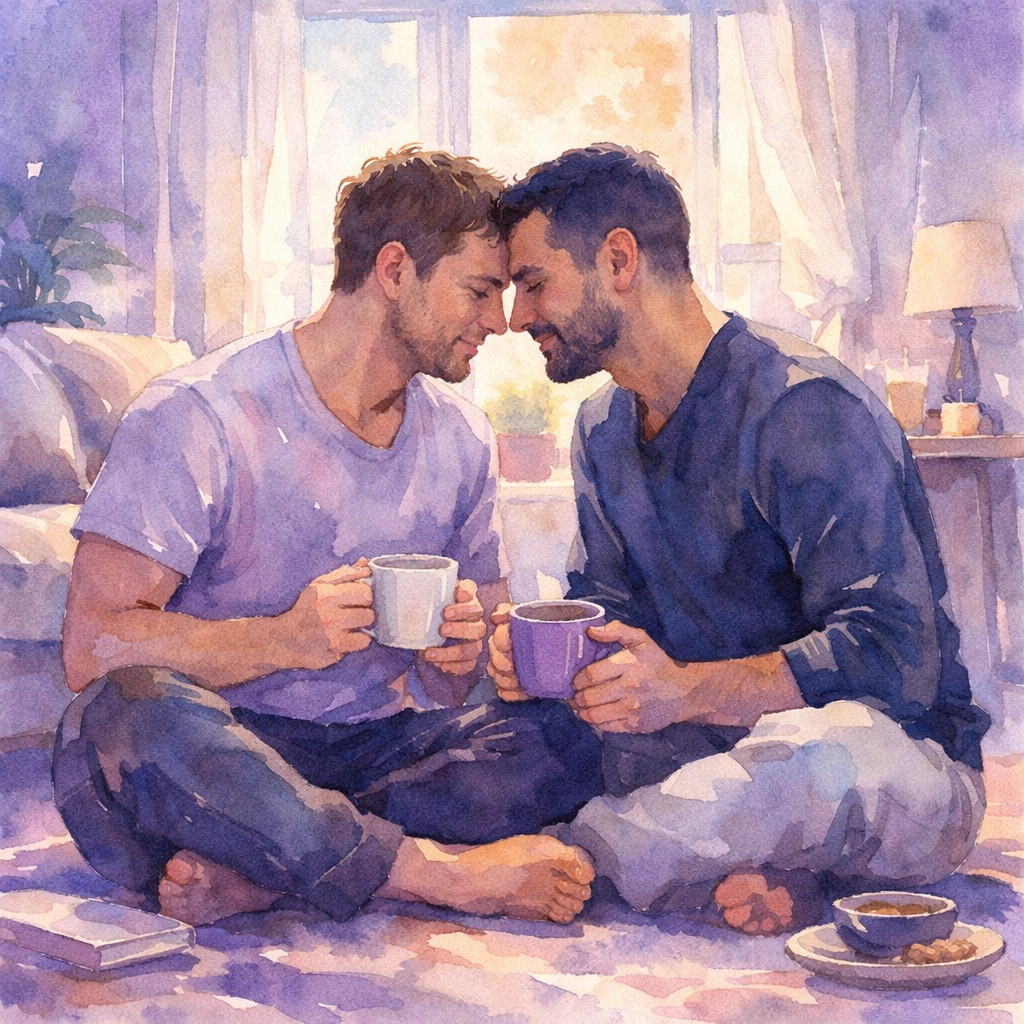
Morning Connection Rituals: Some couples start each day with a few minutes of intentional connection: maybe sharing coffee in silence, exchanging what you're grateful for, or simply holding each other before the chaos of the day begins.
Anniversary Traditions: Beyond celebrating the date you met or got married, consider creating rituals around other milestones. The anniversary of your first kiss, the day one of you came out, the moment you decided to build a life together.
Intimacy Check-ins: This ties beautifully into the broader themes of our Gay Kamasutra series. Set aside regular time: weekly, monthly: to talk about your intimate life. What's working? What do you want to explore? These conversations themselves become sacred rituals of honesty and vulnerability.
Seasonal Celebrations: Mark the solstices and equinoxes with your own queer twist. Light candles, share intentions for the coming season, cook a special meal together. These rituals root you in the cycles of nature while celebrating your unique bond.
The Power of Community Witnesses
One element that appears across virtually all traditional ceremonies is the presence of community. And there's deep wisdom in that.
When your chosen family: friends, supportive relatives, fellow queer folks: witnesses your commitment, they become part of your relationship's support system. They're not just watching; they're promising to hold space for your love, to remind you of your vows when times get tough, to celebrate your joy.
Consider creating a ritual that explicitly involves your community. Maybe everyone writes down a wish for your relationship, or each person shares a piece of relationship wisdom. These moments weave your love story into a larger tapestry of connection and support.
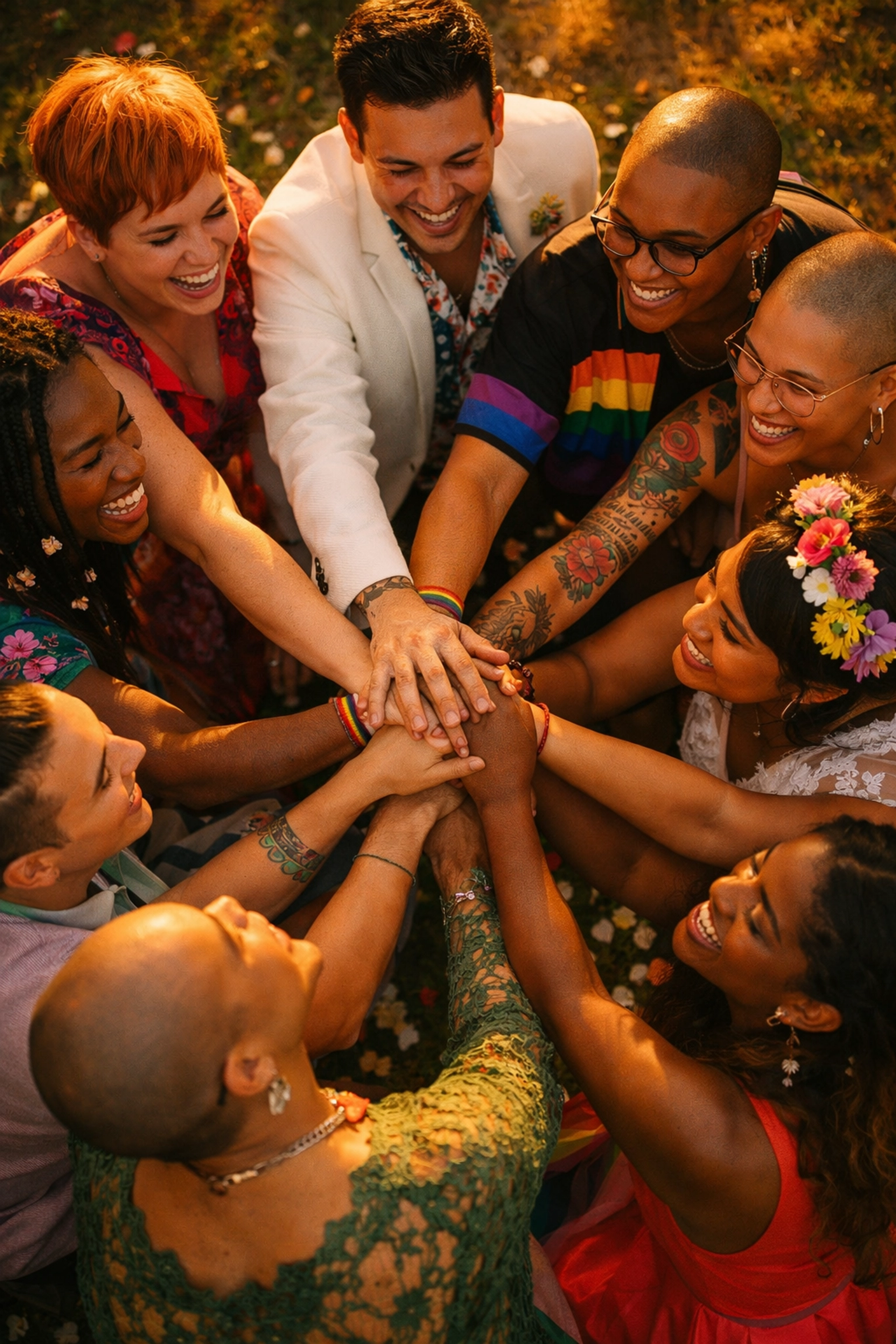
Adapting Traditions for Modern Queer Love
The beautiful thing about being queer is that we're already experts at adaptation. We've had to be. So when it comes to rituals, don't feel bound by tradition: honor what resonates and reinvent the rest.
Hindu traditions, for instance, typically reserve formal vivaha ceremonies for heterosexual couples, but many Hindu LGBTQ+ individuals have created alternative commitment ceremonies that honor their cultural heritage while celebrating queer love.
Even the Catholic Church, despite its current stance, historically sanctioned same-sex unions from the 8th to 18th centuries, complete with prayers and prescribed rituals. History is queerer than we often realize, and reclaiming these lost traditions can be a powerful act.
Making It Yours
At the end of the day, the most sacred ritual is the one that feels authentically yours. Whether you're drawn to ancient religious ceremonies, pagan traditions, or something you create from scratch, the key is intention.
Ask yourself: What do we want to honor? What values do we want to center? What would make this moment feel truly sacred to us?
Maybe it's exchanging rings on a mountaintop at sunrise. Maybe it's a quiet ceremony in your living room with just your closest friends. Maybe it's incorporating readings from your favorite MM romance novels (we have plenty of those at Read with Pride!).
The point is that your ritual should reflect your unique love story: all its quirks, passions, and beautiful queerness.
Resources and Inspiration
If you're looking for more inspiration on creating meaningful rituals in your relationship, connect with us on Instagram, Facebook, and X. We're constantly sharing stories, resources, and ideas for building authentic queer relationships.
And keep following along with our Gay Kamasutra series: we're exploring every facet of intimate connection between men who love men, from the physical to the emotional to the spiritual dimensions of queer love.
#GayRomance #MMRomance #LGBTQWeddings #QueerRituals #GayMarriage #SameSexCouples #QueerLove #GayKamasutra #ReadWithPride #LGBTQFiction #GayBooks #QueerCeremony #SacredUnion #LGBTQRelationships #GayLoveStories #MMBooks #QueerFiction #LGBTQCommunity #GayCommitmentCeremony #ModernLove

Leave a Reply
You must be logged in to post a comment.