

readwithpride.com
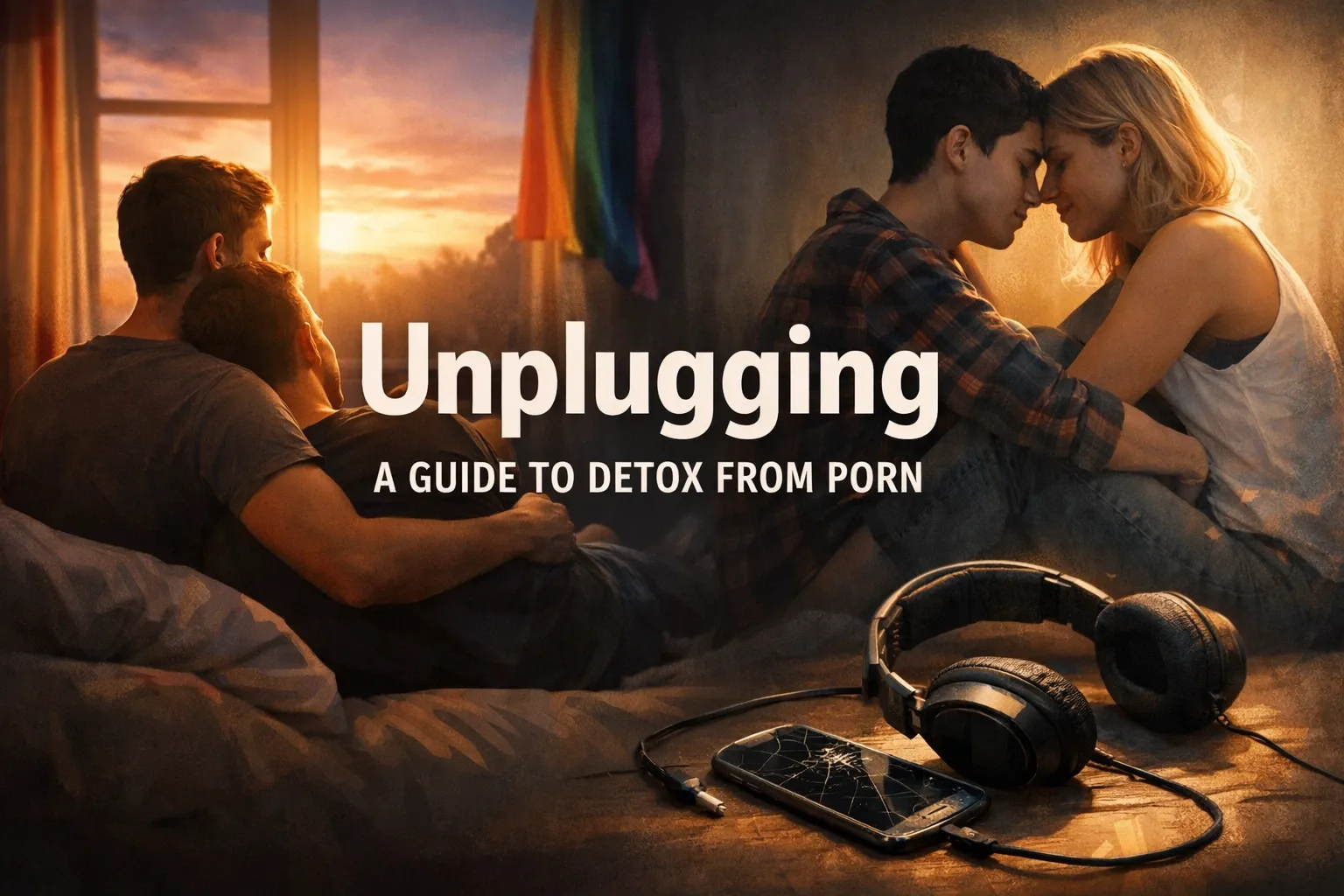
Let's talk about something real. Something many of us in the LGBTQ+ community don't discuss openly, but should. Pornography addiction isn't about shame, it's about recognizing when something that started as curiosity or exploration has become a pattern that's affecting your life, relationships, and mental health.
Meet Alex. He'd scroll through apps and sites late into the night, telling himself it was just stress relief. But eventually, he realized he was choosing pixels over people, fantasies over genuine connection. His story isn't unique, and if it sounds familiar, you're not alone. This guide is about finding your way back to authentic intimacy and self-connection.
Understanding What's Really Happening
When we talk about detoxing from porn, we're addressing something deeper than just "looking at stuff online." For many queer folks, porn served as education, validation, or escape, especially for those who grew up without positive LGBTQ+ representation. That makes the relationship more complex than it might be for others.
The truth is, quitting can trigger withdrawal symptoms that feel surprisingly physical: anxiety, brain fog, mood swings, changes in libido. Your brain has been getting dopamine hits on demand, and now it needs to recalibrate. Understanding this isn't weakness, it's neuroscience, helps remove the shame spiral that keeps so many people stuck.

The First Steps: Creating Distance
Identify your triggers. Is it loneliness? Stress after work? Scrolling through dating apps? Late nights alone? Write them down without judgment. Alex realized his trigger was feeling rejected on dating apps, he'd immediately turn to porn for that validation hit.
Control your digital environment. Use content blockers, delete apps, move your computer to a common area. Yes, it feels dramatic. Do it anyway. Your future self will thank you. Install accountability software if it helps: there's no prize for white-knuckling recovery alone.
Build a new routine. Idle time is dangerous territory during early recovery. Plan your evenings. Join that book club you've been eyeing (might we suggest exploring some MM romance books from Read with Pride? Stories about healthy relationships can remind you what you're working toward). Sign up for a class. Say yes to social invitations even when Netflix sounds easier.
Managing the Middle: When It Gets Hard
The first week might feel empowering. Week two through six? That's where most people stumble. Your brain is literally rewiring itself, and it's uncomfortable.
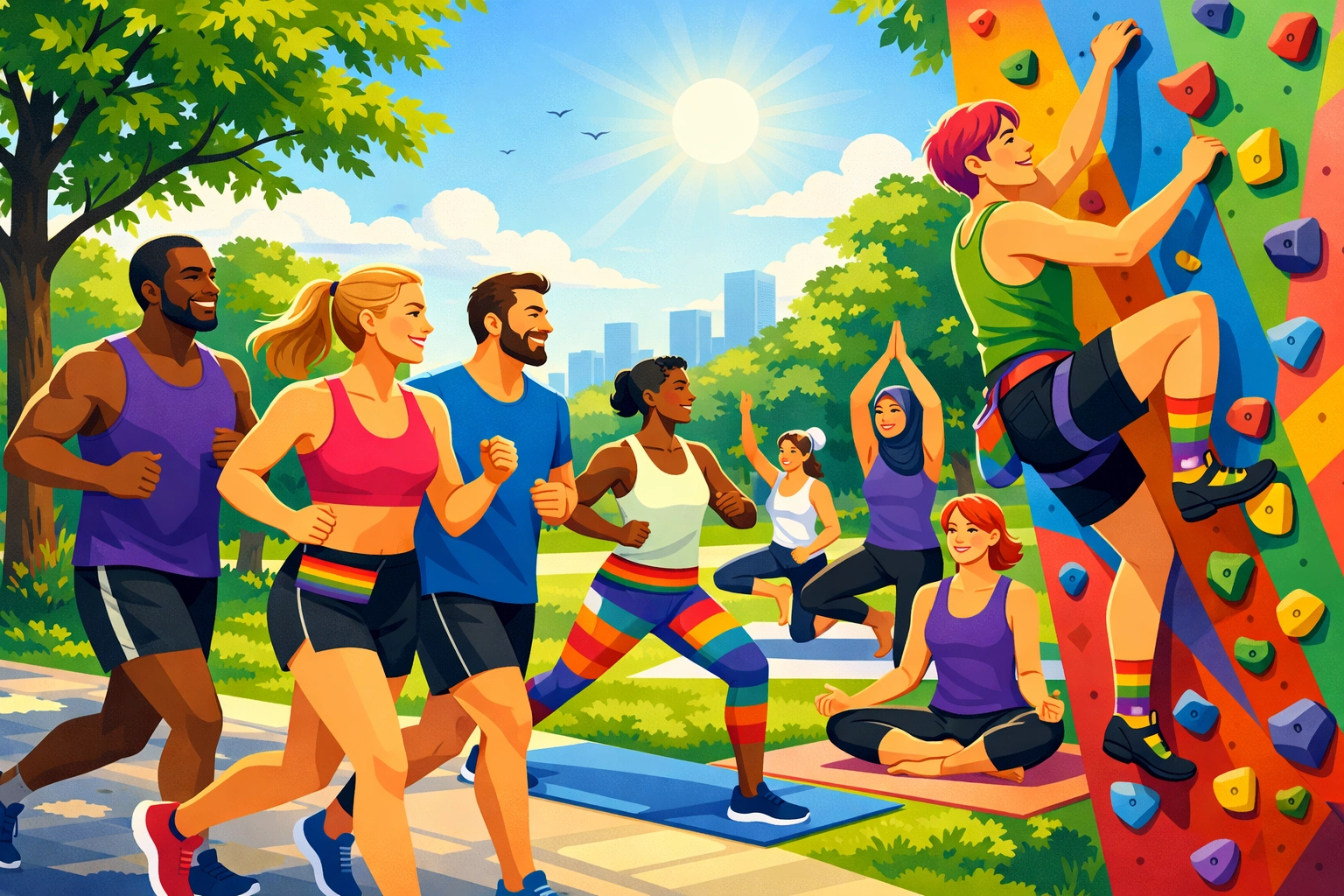
Move your body. Exercise isn't just gym bro advice: it's science. Physical activity triggers natural endorphins and gives you that dopamine boost you're missing. Dance classes, rock climbing, gay running clubs, whatever gets you moving and ideally around other humans.
Practice mindfulness. Before you roll your eyes, hear this: mindfulness isn't about stopping thoughts: it's about noticing cravings without acting on them. When the urge hits, pause. Breathe. Name what you're feeling. "I'm feeling anxious and want to escape." Then choose differently.
Prioritize sleep. Create a screen-free bedroom. Seriously. Charge your phone in another room. Read physical books (gay fiction recommendations available at readwithpride.com: just saying). Your brain heals during sleep, so make it count.
Reconnect with real people. Text that friend. Call your sister. Join LGBTQ+ community groups. Real connection is the antidote to isolation, and isolation is addiction's best friend. Alex started attending a queer book club and found people who got it: without him having to explain everything.
Getting Professional Support
There's no badge of honor for doing this alone. Cognitive Behavioral Therapy (CBT) is particularly effective for managing addictive patterns. A therapist helps you identify the thoughts that lead to behaviors and teaches you new responses.
Therapy options matter. Find an LGBTQ+-affirming therapist who understands that for many of us, porn was also tied to identity exploration and coming out. The shame layers run deep and need untangling by someone who gets the nuances.
Consider support groups. Sex Addicts Anonymous (SAA) and similar programs offer community and structure. Look for LGBTQ+-specific groups if available: speaking with people who share both your recovery journey and identity experiences can be powerful.
Explore sex therapy. If porn has affected your ability to be intimate with real partners, a sex therapist specializing in LGBTQ+ issues can help you rebuild healthy sexual responses and relationships.
Building Your Support Network
Recovery isn't a solo mission. You need people in your corner.
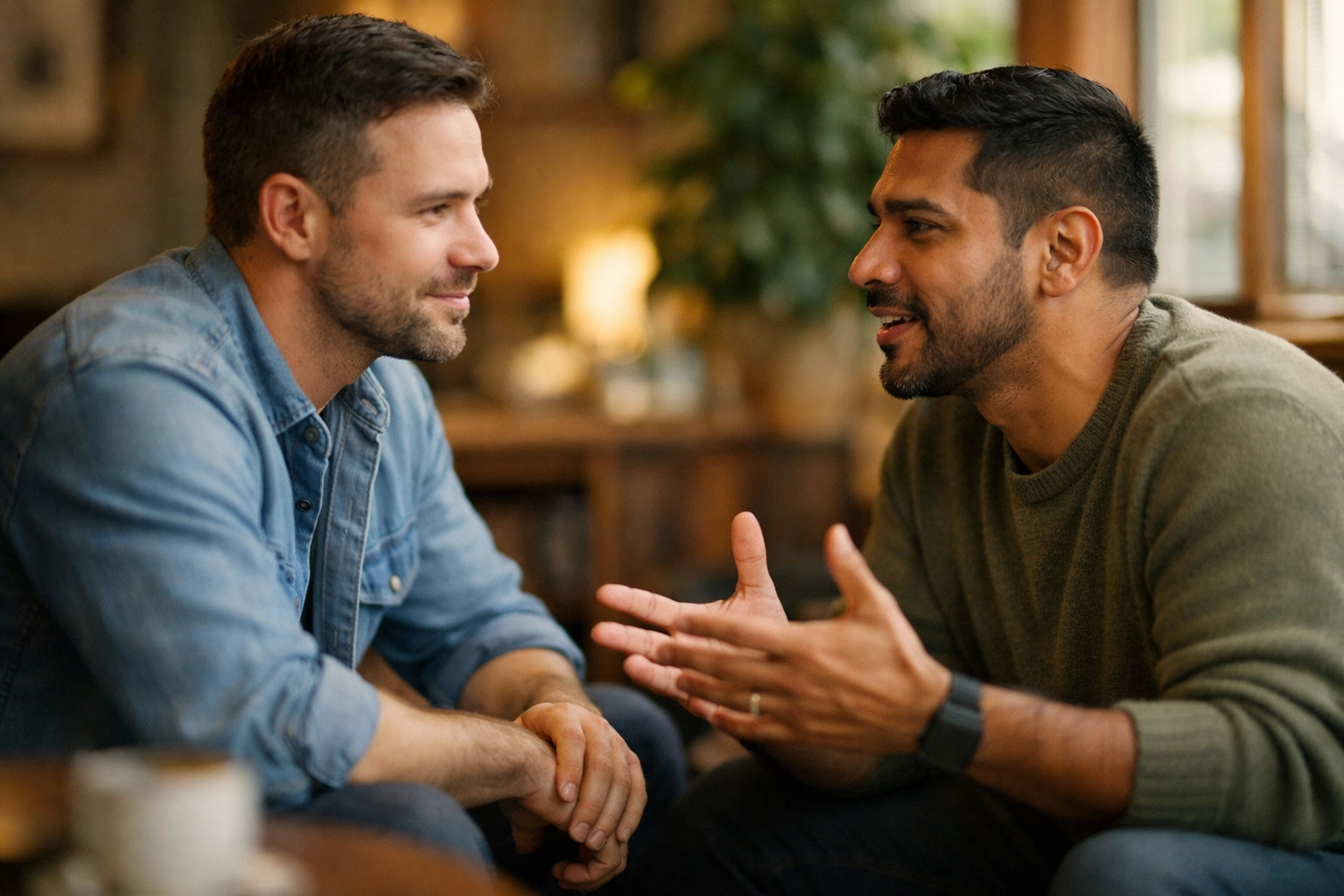
Find your accountability person. This is someone you can text when cravings hit. Someone who won't judge but will remind you why you're doing this. For Alex, it was his best friend who'd also been through recovery (different addiction, same principles).
Connect with online resources. SAMHSA's National Helpline offers free, confidential, 24/7 support at 1-800-662-4357. When it's 2 AM and you're struggling, knowing help is one call away matters.
Engage with positive content. Redirect that reading energy. Explore gay romance books that portray healthy relationships and genuine emotional connection. Stories matter: they reshape our understanding of what love and intimacy can look like. Check out the LGBTQ+ fiction collection at readwithpride.com for narratives that celebrate authentic queer love.
The Long Game: Life After Detox
Recovery isn't about becoming someone new: it's about becoming more yourself. Alex describes the shift: "I started noticing people again. Really seeing them. I went on a date and actually felt present instead of comparing the person to fantasies in my head."
Relapse happens. If you slip, it's not game over. It's data. What triggered it? What can you do differently next time? Self-compassion isn't letting yourself off the hook: it's what makes getting back up possible.
Celebrate small wins. One week clean. One difficult evening navigated. One real conversation instead of digital escape. These matter more than you think.
Redefine pleasure. Recovery creates space to discover what actually brings you joy. Maybe it's art, cooking, hiking, writing, volunteering with LGBTQ+ youth. Whatever it is, pursue it with the energy you used to pour into addiction.
Moving Forward
Unplugging from porn isn't about becoming sexless or rejecting your sexuality. It's about choosing authentic connection over artificial stimulation. It's about being present in your body and your life. It's about breaking patterns that no longer serve you.
The queer community deserves better than settling for shadows of intimacy. We fought too hard for the right to love openly to spend our lives isolated behind screens. Your story doesn't end with addiction: it's just beginning.
If you're ready to start this journey, take one small step today. Delete one app. Reach out to one person. Read one chapter of a book that reminds you what healthy love looks like. Then take another step tomorrow.
You've got this. And you're not alone.
Connect with Read with Pride:
- Website: readwithpride.com
- Instagram: @read.withpride
- Facebook: Read with Pride
- X (Twitter): @Read_With_Pride
#ReadWithPride #LGBTQRecovery #QueerWellness #MMRomance #GayBooks #QueerFiction #LGBTQBooks #SelfCare #MentalHealthMatters #QueerCommunity #AuthenticConnection #RecoveryJourney #LGBTQSupport #GayRomanceBooks #MMRomanceBooks #HealthyRelationships #QueerStories #LGBTQReading #2026Recovery #QueerHealing

Leave a Reply
You must be logged in to post a comment.