
readwithpride.com
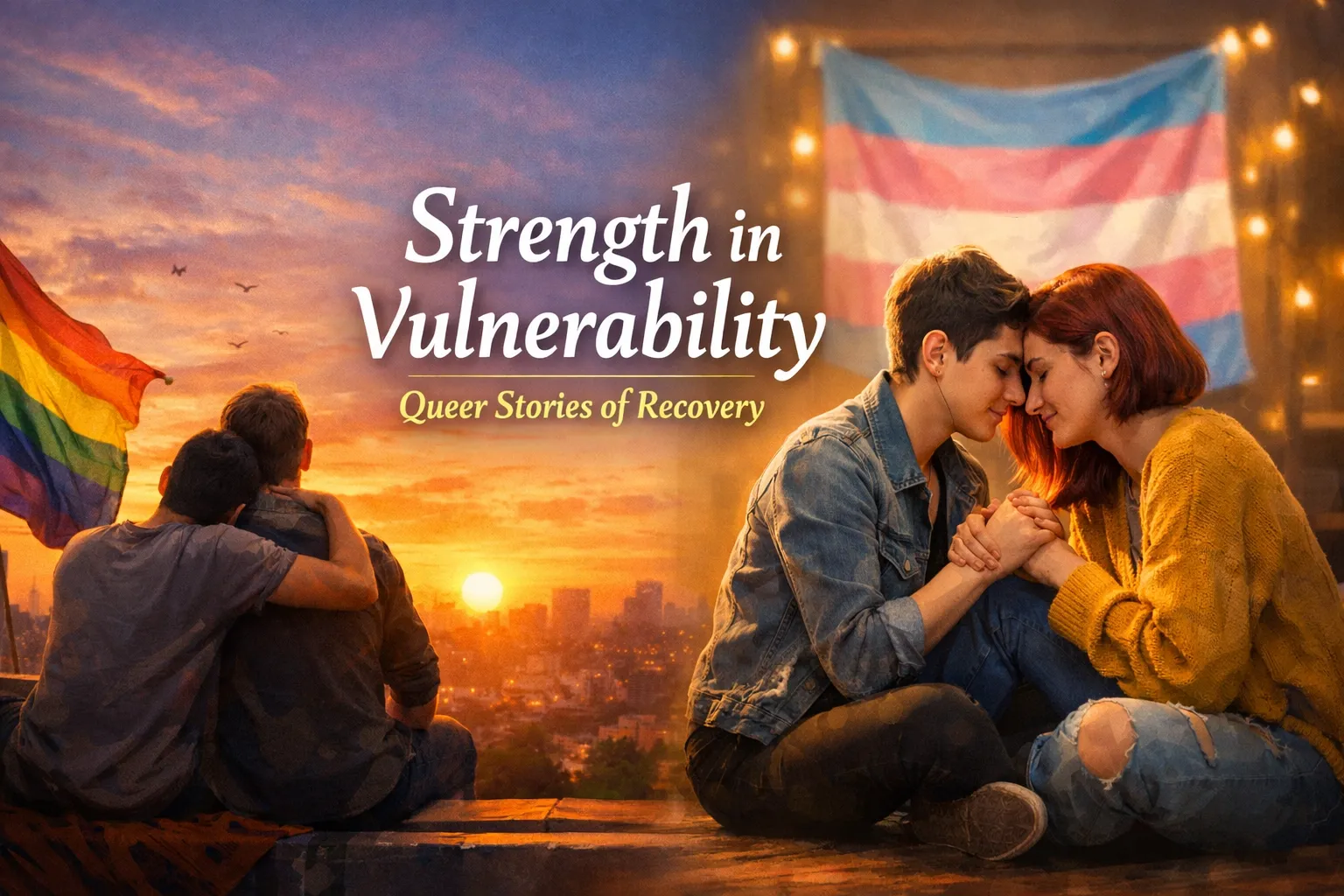
Recovery isn't a straight line, and for queer folks navigating addiction, especially when it comes to sex, porn, and compulsive behaviors, the journey can feel isolating and overwhelming. But here's the truth: vulnerability isn't weakness. It's where the real strength lives.
At Read with Pride, we believe in the power of authentic stories. Stories that don't shy away from the messy, complicated parts of being human. Stories that remind us we're not alone, even when it feels like we're drowning in shame.
The Weight We Carry
Let's be real: growing up queer often means growing up with shame. Many of us learned early on to hide parts of ourselves, to compartmentalize our desires, to seek connection in spaces that felt safe, or at least hidden. For some, that manifests in patterns around sex and pornography that start as exploration or escape but can evolve into something that controls us rather than the other way around.
Sexual addiction, porn dependency, and compulsive masturbation aren't moral failures. They're coping mechanisms that once served a purpose, even if they've now become chains. And in the LGBTQ+ community, these struggles are often amplified by minority stress, internalized homophobia, trauma, and a culture that's simultaneously hypersexual and deeply shaming.
Why It Hits Different for Queer Folks
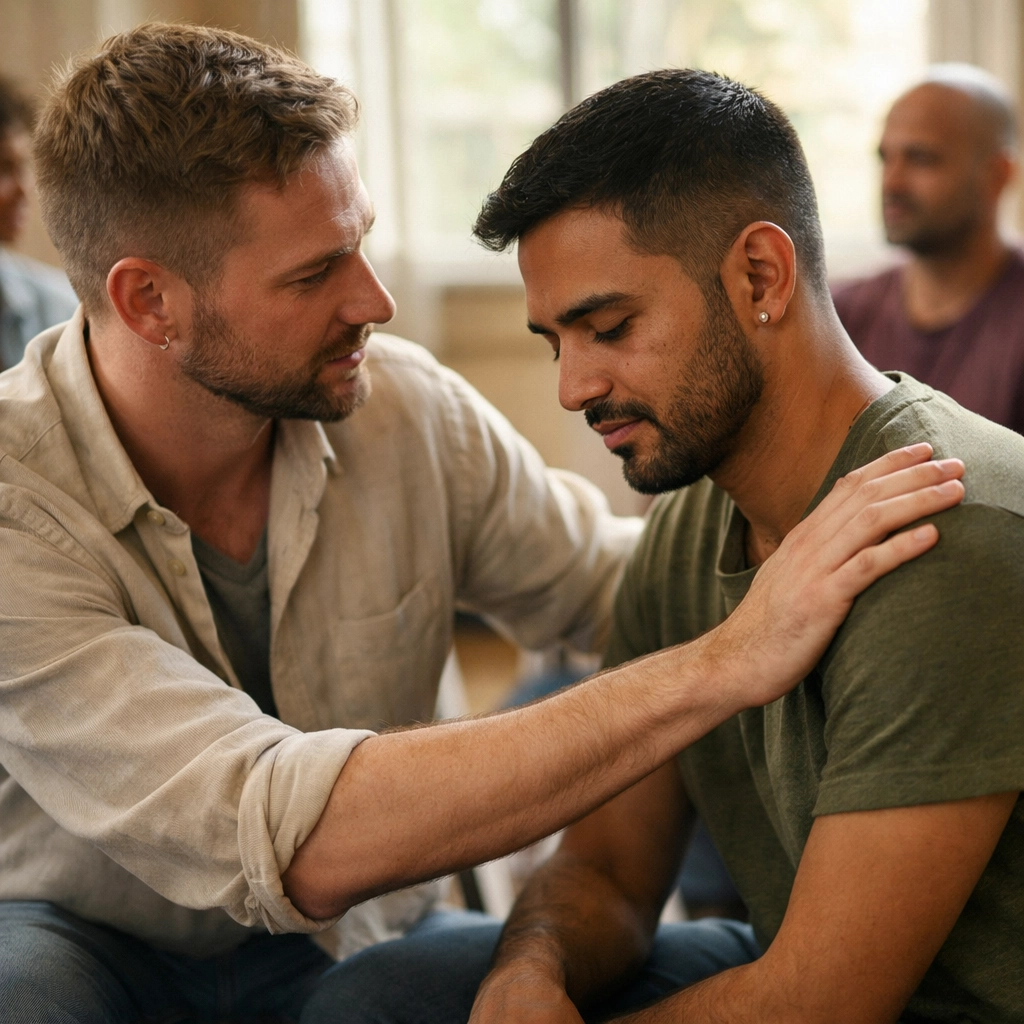
The queer experience with sexual behavior and addiction exists in a unique context. Many of us discovered our sexuality through porn because we had nowhere else to turn. We didn't see ourselves in sex ed classes or hear our desires validated in mainstream media. Apps and hookup culture became both liberation and trap, spaces where we could be ourselves, but also where validation became tied to sexual performance and availability.
For trans and non-binary individuals, the layers multiply. Dysphoria can drive disconnection from the body. Sexual behavior might become a way to feel desired, to prove attractiveness, or conversely, to dissociate completely.
The recovery stories we're sharing here, twenty voices from across the spectrum of queer identity, illuminate these complexities. They're not neat narratives with tidy resolutions. They're real people who've wrestled with feeling too much and feeling nothing at all, with the gap between fantasy and reality, with the exhaustion of living double lives.
Breaking the Silence
One thread runs through every recovery story: the moment someone spoke the truth out loud.
"I remember sitting in that first support group," one story shares, "and hearing a gay man talk about using porn to numb his anxiety. I'd never heard anyone else say it. I thought I was the only one who couldn't just 'have fun' without it spiraling."
Another voice describes the relief of finding a therapist who didn't pathologize their queerness but understood how sexual shame and compulsive behavior were intertwined: "She didn't try to fix my gayness. She helped me separate my sexuality from my addiction. They're not the same thing, but I'd been treating them like they were."

The courage it takes to admit we're struggling, especially with something as stigmatized as sexual behavior, is immense. Add being queer to the equation, and many people fear judgment from both straight society and the LGBTQ+ community itself. Will people think we're feeding into stereotypes? Will they say we're just "sex-obsessed" or that our relationships are inherently dysfunctional?
These stories push back against that fear. They insist that recovery is a radical act of self-love.
Reclaiming, Not Rejecting
Here's what these recovery stories aren't about: becoming sexless or denying desire. Recovery from sexual addiction or compulsive behavior isn't about shame 2.0. It's about reclaiming agency, building authentic connection, and untangling pleasure from pain.
One contributor writes about learning to have sex sober, not from substances, but from the dissociation that had always accompanied it. "I had to relearn what my body actually felt, what I actually wanted. Turns out, I'd been performing even in my private moments."
Another describes the work of finding MM romance books and gay fiction that showed healthy, complex relationships. "Reading stories where queer men had emotional intimacy alongside physical connection helped me see what I actually wanted. Not the fantasy I'd been chasing, but something real."
The intersection of recovery and identity means building a new relationship with ourselves. It means getting curious about why we reach for certain behaviors, what we're really seeking, and how we can meet those needs in ways that honor rather than harm us.
The Power of Community
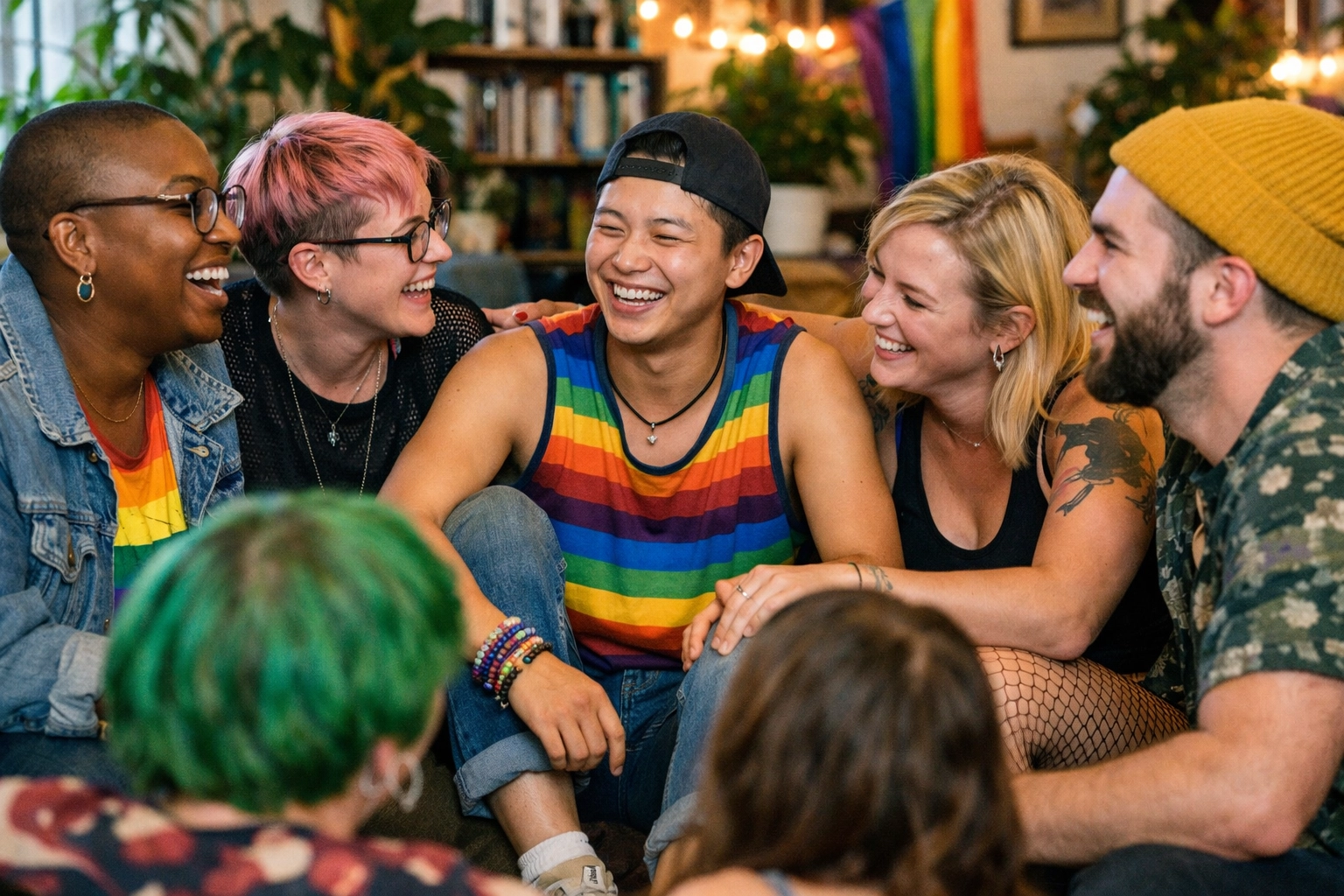
Isolation feeds addiction. Community disrupts it.
Several stories in this collection mention the transformative power of finding other queer people in recovery, whether in LGBTQ+-specific groups, online communities, or informal support networks. There's something profound about being seen in your full complexity: as queer and in recovery, as sexual and working on healthy boundaries, as someone who has struggled and is showing up for change.
"I found this group on Reddit," one person shares, "and suddenly I wasn't the only trans guy dealing with porn addiction. We talked about dysphoria, about using hookups to feel validated, about the specific ways our struggles manifested. No one had to explain context. We just got it."
Others found strength in creative expression, writing, art, or engaging with LGBTQ+ fiction that explored complicated themes without judgment. The gay romance and MM romance genres, at their best, offer blueprints for connection that go beyond the physical, reminding us what intimacy can look like when it's built on trust and vulnerability.
What Recovery Actually Looks Like
Let's bust a myth: recovery isn't linear, and it doesn't look the same for everyone.
For some, it means complete abstinence from pornography. For others, it's about establishing boundaries and breaking compulsive patterns without eliminating sexual expression. Some people need to step back from dating apps and hookup culture; others learn to engage differently.
The common threads are honesty, accountability, and self-compassion. It's doing the hard work of understanding triggers: whether that's loneliness, stress, boredom, or emotional overwhelm. It's building new coping skills. It's getting comfortable with discomfort instead of numbing it immediately.
Several stories emphasize the importance of professional support: therapists who specialize in both LGBTQ+ issues and sexual behavior, support groups tailored to queer experiences, and peer accountability that doesn't judge.
Recovery is also about rebuilding trust: with ourselves, with partners, with the possibility of genuine connection. It's grieving the time lost, forgiving ourselves for being human, and believing we're worthy of better.

Finding Your Story
If you're reading this and recognizing yourself: first, breathe. You're not broken. You're not too much or fundamentally flawed. You're navigating something real and difficult, and the fact that you're here, reading these words, means you're already being brave.
Your recovery story is yours to write. It might include therapy, support groups, journaling, medication, spiritual practice, creative outlets, or all of the above. It might be messy and non-linear. That's okay. Progress isn't perfection.
What matters is showing up for yourself with compassion. What matters is breaking the isolation and reaching out. What matters is believing that vulnerability: admitting we need help, sharing our struggles, asking for support: is where true strength lives.
These twenty stories we're celebrating aren't about having all the answers. They're about people who chose to stop hiding, who found the courage to change, and who discovered that recovery opens doors they didn't know existed: to deeper relationships, authentic pleasure, creative expression, and self-acceptance.
Your story can be part of this collection too. Not by being perfect, but by being real.
Moving Forward Together
At Read with Pride, we're committed to amplifying authentic queer voices across the spectrum of human experience: the triumphant and the struggling, the joyful and the complicated. Our collection of gay romance books, MM fiction, and LGBTQ+ literature includes stories of all kinds, because representation means showing up in our wholeness, not just our highlight reels.
If these stories resonate with you, we invite you to explore more voices in our community. Follow us on Instagram, Facebook, and X for daily doses of queer affirmation, book recommendations, and community connection.
Recovery is possible. Healing is possible. And you don't have to do it alone.
#StrengthInVulnerability #QueerRecovery #LGBTQStories #ReadWithPride #MMRomance #GayFiction #QueerHealing #RecoveryJourney #LGBTQCommunity #AuthenticStories #GayRomanceBooks #QueerLit #AddictionRecovery #LGBTQSupport #VulnerabilityIsStrength #QueerVoices #2026Pride #MMRomanceBooks #GayLiterature #LGBTQReading

Leave a Reply
You must be logged in to post a comment.