

readwithpride.com
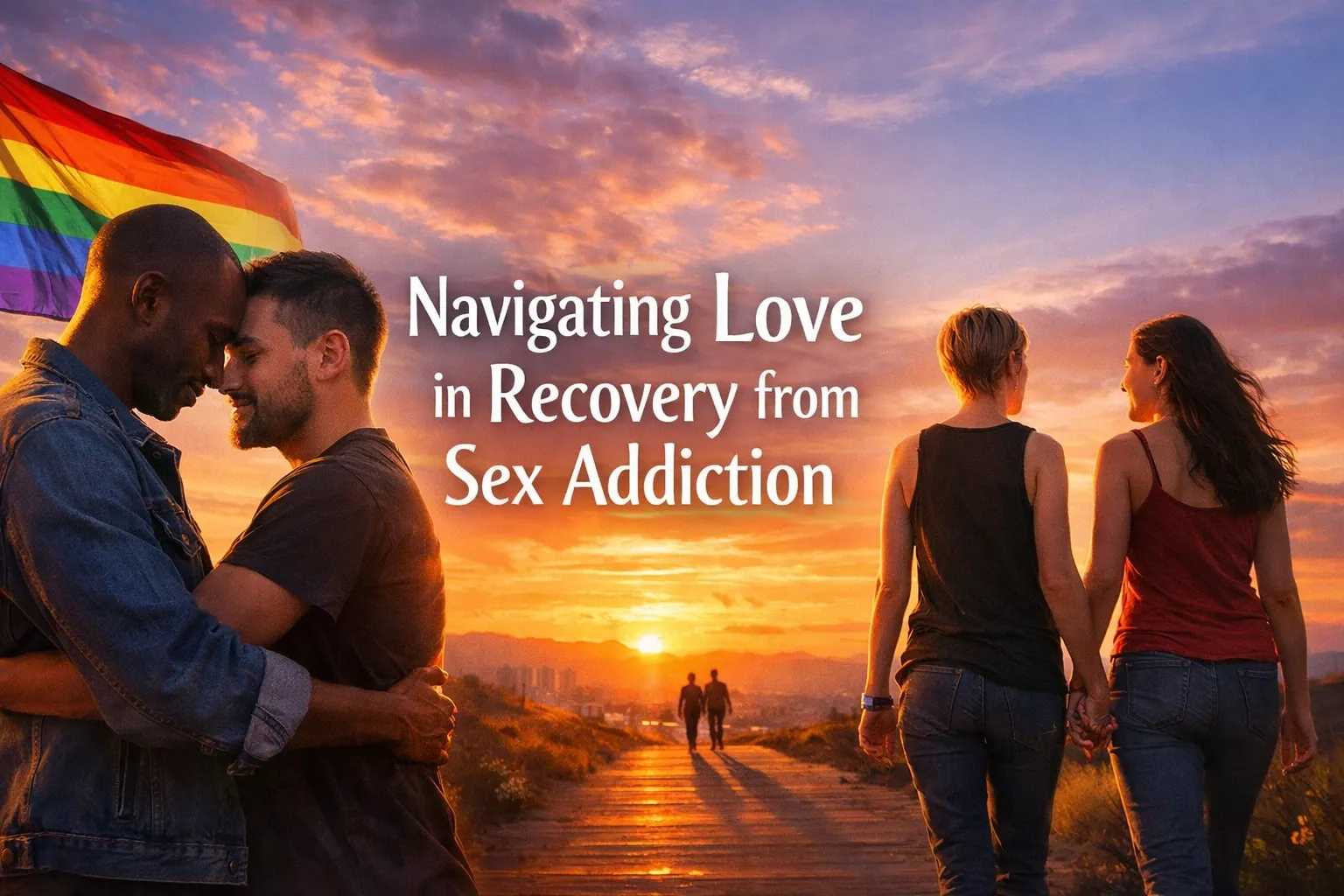
Let's talk about something we don't discuss enough in the LGBTQ+ community: navigating love and relationships when you're in recovery from sex addiction. Whether you struggled with compulsive sexual behavior, porn addiction, or intimacy issues, the journey to recovery is brave as hell, and figuring out how to date while healing? That's a whole other level of complicated.
If you're reading this, you might be wondering if it's even possible to find genuine connection after addiction. Spoiler alert: it absolutely is. But it requires patience, self-awareness, and a different approach to relationships than you might be used to. Let's break down what navigating love in recovery actually looks like.
Understanding Where You Are in Recovery
Here's the truth nobody tells you: recovery from sex addiction isn't just about stopping certain behaviors. It's about fundamentally rewiring how you relate to yourself, your sexuality, and intimacy. For many in the queer community, this gets even more complex because we've often had to navigate shame, coming out trauma, and societal stigma around our sexuality already.
Before you even think about swiping right on that hottie from the dating app, you need to get real with yourself about where you are in your recovery journey. Are you actively working with a therapist or recovery group? Have you developed coping mechanisms for when cravings hit? Can you identify your triggers?

Recovery requires building a foundation that goes beyond abstinence. It means recognizing destructive patterns, understanding the roots of dishonesty in your past relationships, and learning what authentic intimacy actually feels like, not just the dopamine hit of a hookup or the escape porn provided.
Building the Foundation First
Think of early recovery like building a house. You wouldn't start decorating the bedroom before you've poured the foundation, right? The same goes for relationships. Before you're ready to bring someone else into your life, there's essential groundwork to do.
This foundation includes developing genuine self-worth that doesn't depend on whether someone finds you attractive or wants to sleep with you. For many LGBTQ+ folks, especially those who've used apps or hookup culture as validation, this is revolutionary work. Your value isn't tied to how many matches you get or how good you look in that thirst trap.
You also need to build emotional awareness. Can you identify what you're actually feeling beyond "horny" or "lonely"? Can you sit with uncomfortable emotions without immediately reaching for old coping mechanisms? Learning to express vulnerable emotions, fear, sadness, loneliness, shame, is crucial before you can create genuine intimacy with a partner.
Another key milestone: developing a solid support system. This means having sponsors, recovery peers, or close friends you can text at 2 AM when you're struggling. If your entire social circle revolves around bars, clubs, or hookup culture, you might need to expand your community to include people who support your recovery.
When to Start Dating
Here's where we need some real talk: most experts recommend not dating during your first year of recovery. I know, I know, that sounds like forever, especially if you've been single or are fresh out of a toxic relationship. But there's solid reasoning behind it.
That first year is about establishing sexual sobriety and building the skills you need for healthy relationships. Jumping into dating too soon often leads to relapse because new relationships trigger intense emotions, and emotions are a major trigger for addictive behaviors.

Think about it: dating brings up rejection, desire, validation-seeking, fear of abandonment, basically every uncomfortable feeling you've been learning to cope with. Adding that pressure while you're still building your recovery foundation is like trying to run a marathon before you can walk a mile.
Use that first year to fall in love with yourself, build your support network, explore hobbies and interests beyond sex and romance, and really understand what you want in a partner. When you do eventually start dating, you'll be coming from a place of wholeness rather than desperation or need.
The Disclosure Conversation
Okay, so you've done the work, you've got a solid year (or more) of recovery under your belt, and you're ready to date. Now comes one of the scariest parts: disclosure. When and how do you tell someone about your addiction history?
First, let's be clear: you don't owe anyone your entire life story on the first date. You also shouldn't wait until you're engaged to mention it. The sweet spot is usually after a few dates, once you've established that this person matters to you and there's potential for something serious.
Frame the conversation around growth and self-awareness. You might say something like, "I want to be real with you about my past because I see potential here. I've dealt with sex addiction, and I've been actively working on my recovery for [timeframe]. It's made me more honest, intentional, and aware of what I want in relationships."
How they respond tells you everything you need to know. The right person will appreciate your honesty and recognize the strength it takes to address addiction. Someone who rejects you solely for seeking recovery probably isn't equipped to be a supportive partner anyway.
Setting Boundaries That Protect Your Recovery
Dating in recovery means being intentional about boundaries: both yours and your partner's. This might feel awkward at first, especially in queer dating culture where discussing boundaries isn't always normalized. But these conversations are essential.
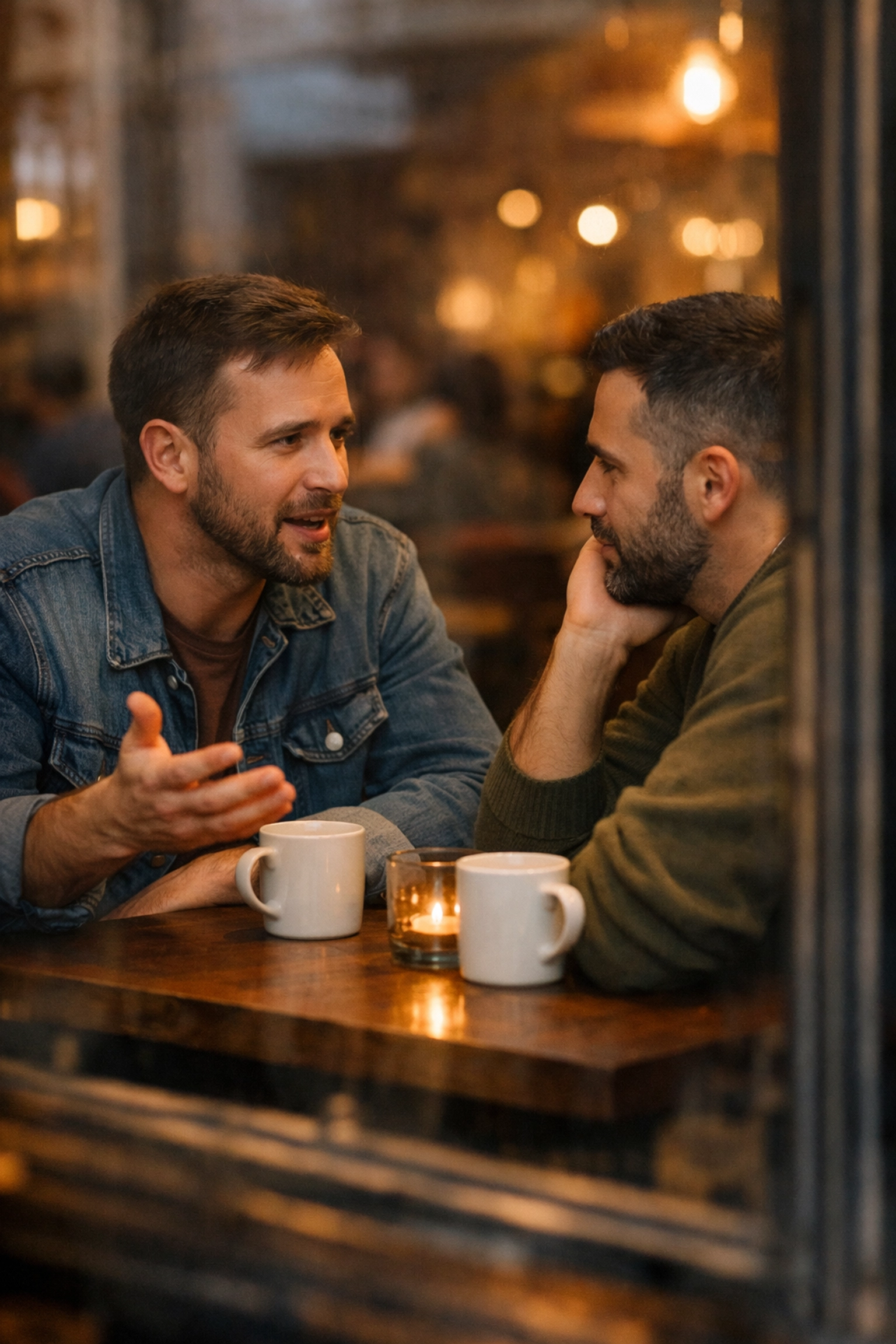
Have explicit talks about physical intimacy early on. What are your boundaries around sexual behavior? What supports your recovery versus what might trigger old patterns? And equally important: what are your partner's boundaries and needs?
Having clear answers shows you're secure in your recovery. It demonstrates that you've thought about these issues and have a plan. Consider creating a written recovery plan for moments when emotions run high and you're tempted to abandon your values: because those moments will happen.
Boundaries might include things like:
- Not being alone together in private spaces until you've established trust
- Taking physical intimacy slowly and checking in frequently
- Avoiding certain sexual activities that were part of your addiction pattern
- Being transparent about triggers and asking for support
- Maintaining regular check-ins with your recovery support system even when the relationship is going well
Redefining What Love and Relationships Mean
One of the most beautiful parts of recovery is rediscovering who you are without addiction running the show. All that time and energy you spent on compulsive sexual behavior, porn, or hookup culture? That gets redirected toward meaningful pursuits: creative projects, friendships, career goals, community involvement, self-care.
This self-redefinition changes what you want in relationships. Instead of accepting anyone who's available or fits a physical type, you develop specific criteria based on values and compatibility. You start asking deeper questions: Does this person support my recovery? Do we share similar life goals? Can I be vulnerable with them? Do they inspire me to be a better person?
For those already in relationships when beginning recovery, this redefinition means learning to take greater intimacy risks and express emotional needs more openly. It means rebuilding trust, which takes time and consistent action.
There's Hope on the Other Side
Recovery is absolutely possible, and so is finding genuine love and connection. Sex addicts can experience authentic intimacy and work toward healthy, faithful relationships through proper support, therapy, and genuine effort.
The LGBTQ+ community at Read with Pride understands that our relationships with sexuality are complex and often layered with additional challenges. Whether you're into MM romance books, gay fiction, or queer love stories, seeing healthy relationships represented matters: both in what we read and what we create in our own lives.
Recovery isn't about becoming perfect; it's about becoming real. It's about trading the hollow highs of addiction for the messy, beautiful, sometimes scary experience of genuine human connection. And that? That's worth every uncomfortable moment of growth.
If you're navigating love in recovery, be patient with yourself. Celebrate the small victories. Lean on your support system. And remember: you're not just recovering from addiction; you're recovering yourself.
#LGBTQRecovery #SexAddictionRecovery #HealthyRelationships #QueerHealing #MMRomance #GayLoveStories #LGBTQSupport #RecoveryJourney #AuthenticIntimacy #QueerWellness #ReadWithPride #LGBTQBooks
Connect with our community: Facebook | Instagram | Twitter/X
Discover authentic LGBTQ+ stories and MM romance books at readwithpride.com

Leave a Reply
You must be logged in to post a comment.