

readwithpride.com
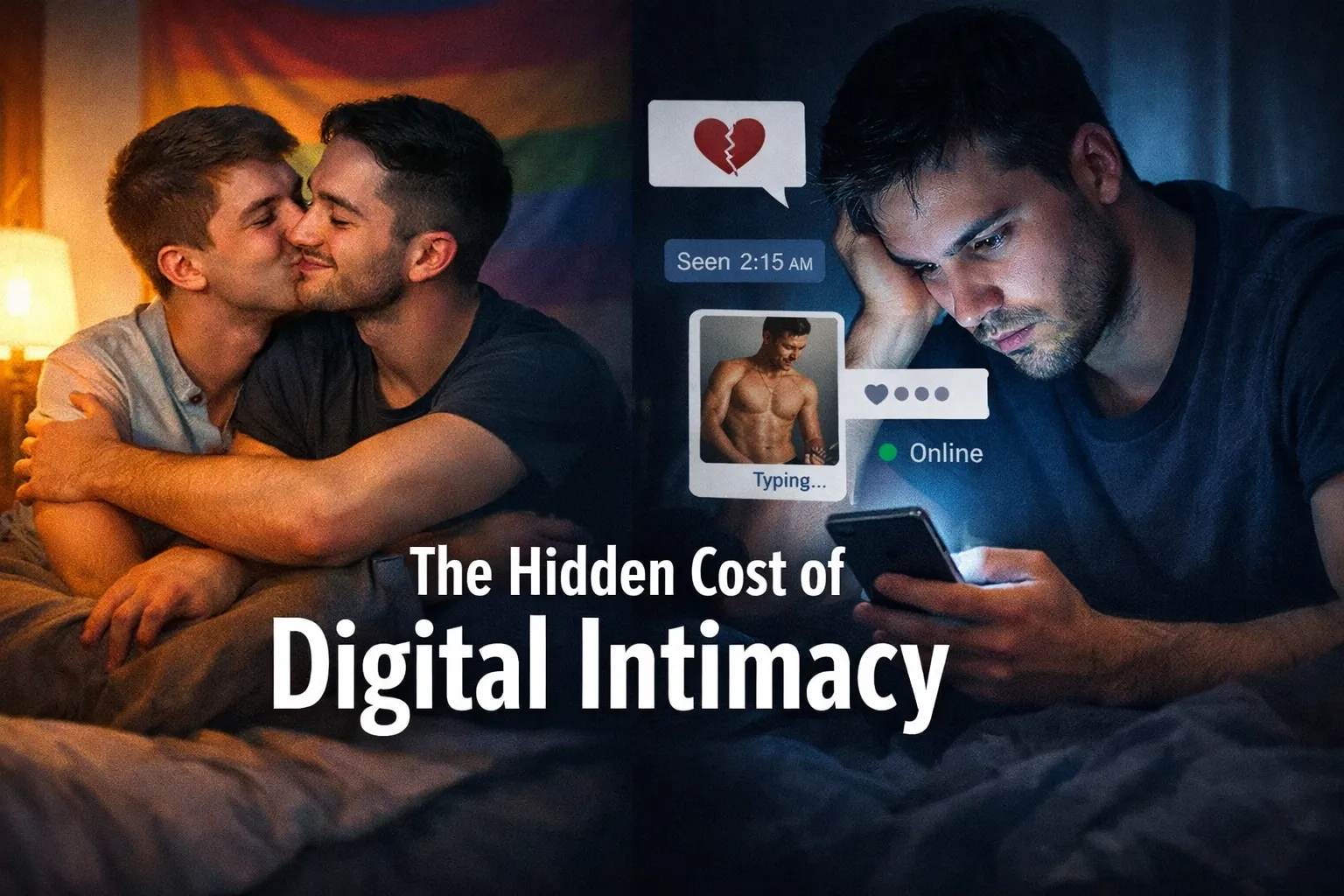
Let's talk about something we don't discuss enough in our community: what happens when our phones become our most intimate companions. Whether it's late-night scrolling through hookup apps, binge-watching porn until 3 AM, or spending hours in parasocial relationships with OnlyFans creators, digital intimacy has become the default for many queer folks. And honestly? It makes sense why.
For LGBTQ+ people, especially those in rural areas, conservative families, or places where being out feels dangerous, digital spaces have been lifelines. They've connected us, validated us, and given us access to community and desire when the physical world felt hostile or empty. But somewhere along the way, the tool became the experience itself. And that shift comes with costs we're only beginning to understand.
The Comfort of Control
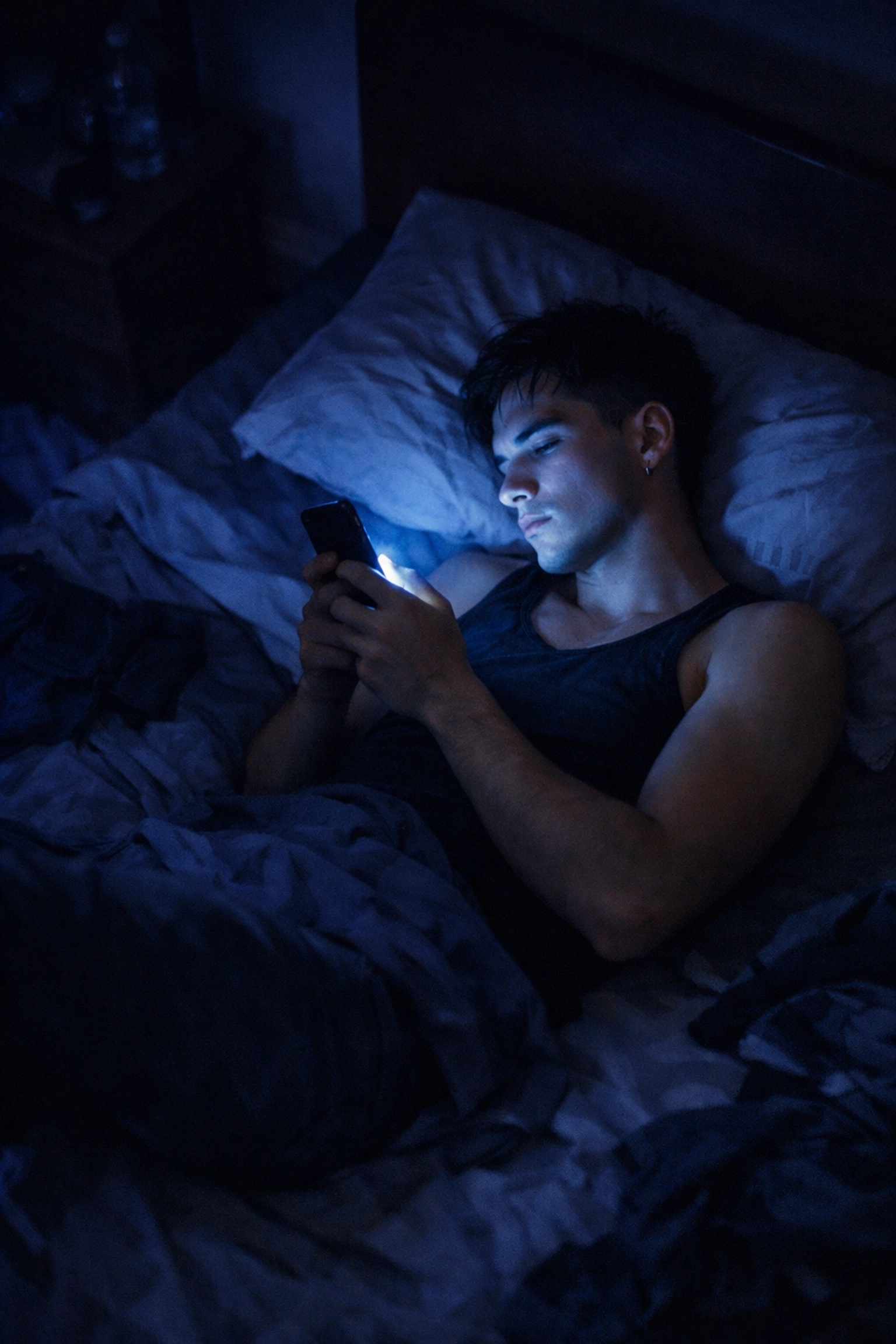
There's something seductive about digital intimacy that goes beyond the obvious. It's frictionless. You don't have to navigate rejection, awkward small talk, or the vulnerability of being truly seen by another person. You control the narrative, the pacing, and the exit. For queer people who've experienced trauma around intimacy: whether from homophobia, family rejection, or past relationships: this control feels like safety.
But here's the thing: that safety is an illusion. What feels like protection is actually isolation wearing a disguise. When we replace human connection with algorithmically-optimized content designed to keep us engaged, we're not building resilience. We're building dependency.
Research shows that exclusive attachment to digital companions: whether AI chatbots, online personas, or even the endless stream of available profiles on dating apps: actually reduces our capacity for real-world connection. We're essentially training our brains that intimacy should be easy, predictable, and demand nothing from us. Real people, with their complexity and needs and unpredictability, start to feel like too much work.
The Privacy Trap
Here's where things get particularly concerning for our community. Those sexual health apps you're using? The LGBTQ+ dating platforms? They're collecting intimate data about you: your location, your sexual preferences, your relationship status, your HIV status if you've disclosed it: and selling it to third parties.

For queer and trans people, this isn't just about targeted ads. Law enforcement agencies have purchased geolocation data to track people visiting sexual health clinics. In states with anti-LGBTQ+ legislation, this data could potentially be weaponized. Your private searches about gender transition, PrEP access, or even just visiting gay venues could be compiled and sold to data brokers.
The companies monetizing our desire rarely prioritize our safety. And let's be real: as a community that's faced persecution for centuries, we should be especially cautious about who has access to our most intimate information.
When Screens Replace Skin
There's data suggesting people are having less partnered sex now than in previous generations, and tech use is a significant factor. It's not that digital intimacy killed our sex lives directly: it's that it absorbed the time, energy, and cognitive space we used to dedicate to pursuing connection.
For gay and bisexual men especially, the endless availability of hookup apps creates a paradox of choice. Why invest in the guy who's moderately interesting when there might be someone hotter, funnier, or more compatible just three swipes away? The buffet mentality keeps us perpetually shopping, never quite satisfied, always wondering if we're missing out.
Meanwhile, the porn industry has evolved into something hyper-personalized and algorithmically optimized to keep you watching. The same dopamine loops that keep you scrolling social media apply here. You're not just watching porn: you're being studied, categorized, and fed content designed to maximize your engagement time. Your arousal is data, and that data is profit.
The Emotional Economics
What disturbs me most about digital intimacy platforms isn't the sex or the porn itself: it's how they commodify our emotional lives. When you're pouring your feelings into an AI chatbot or developing genuine emotional attachment to a cam performer who knows exactly how to keep you paying, you're doing emotional labor that feeds a business model.
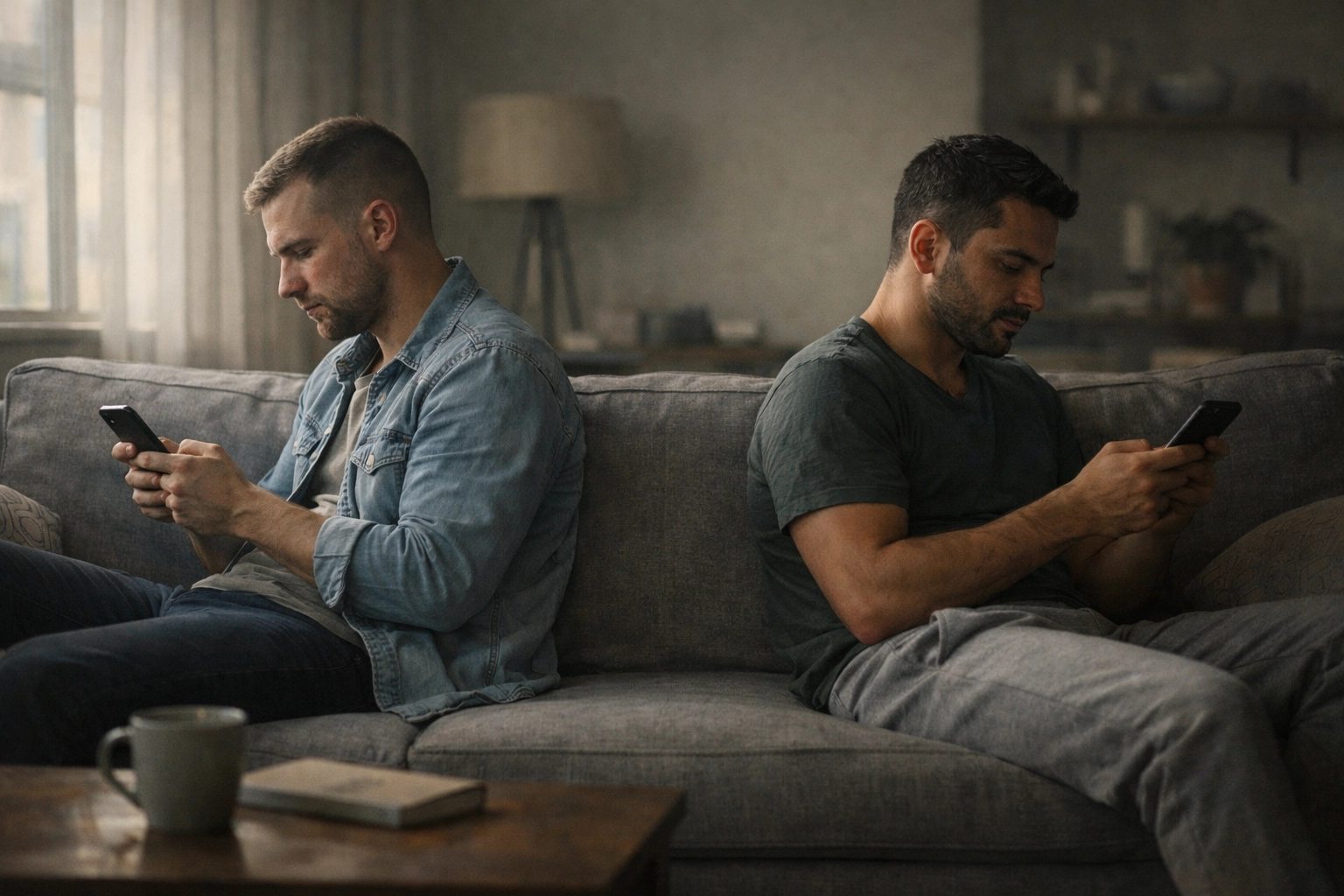
These platforms don't exist to support your wellbeing. They exist to monetize your loneliness, your desire, and your need for connection. The more dependent you become, the more valuable you are as a user. It's intimacy capitalism, and queer people: already marginalized and often isolated: are particularly vulnerable to its appeal.
I've seen friends develop real emotional attachments to people they've never met, while their actual friendships atrophied from neglect. I've watched people skip social events to stay home and edge to porn for hours. I've listened to guys describe feeling unable to get aroused with real partners because their brains have been rewired by endless novelty and specific content.
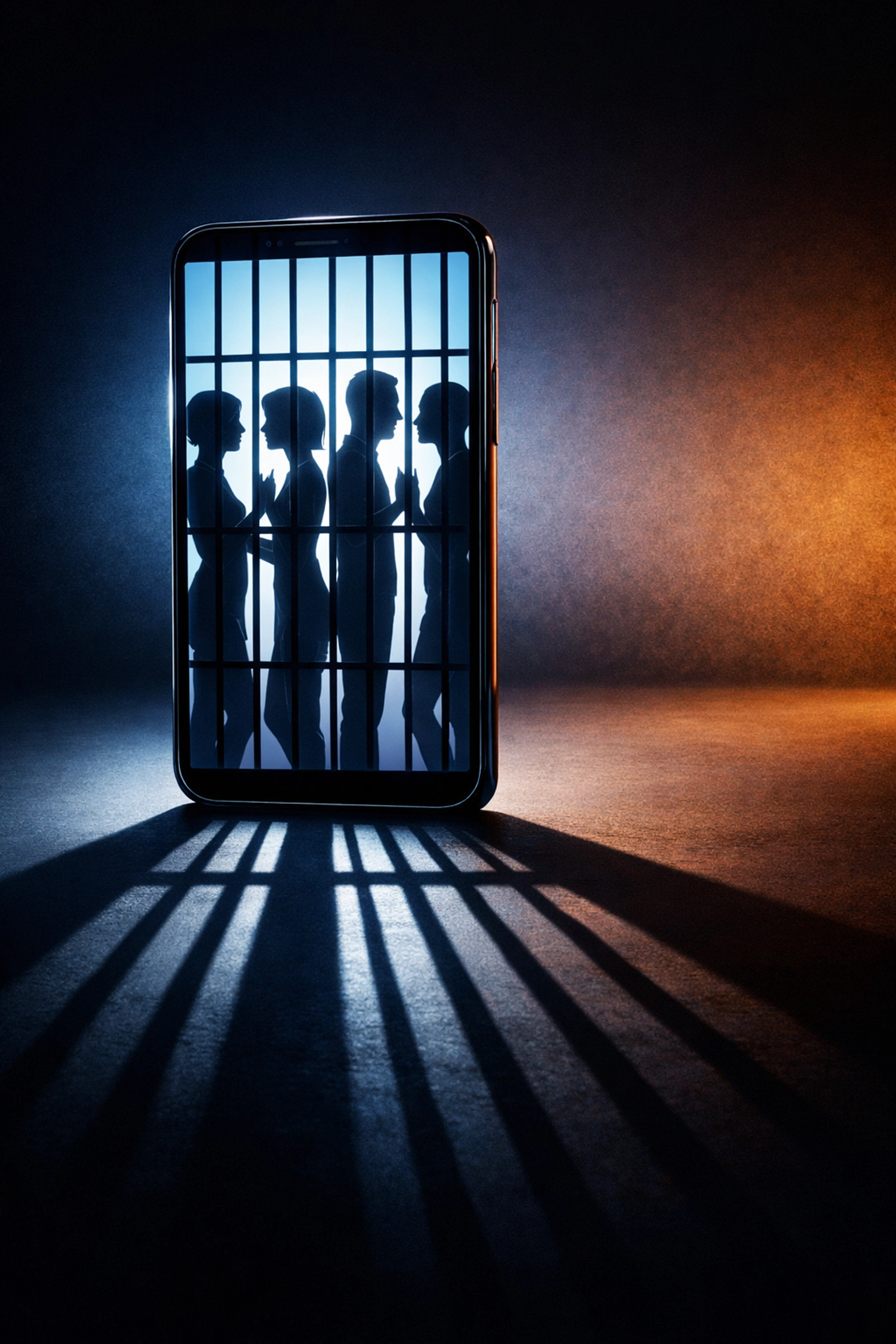
This isn't about shame. Shame is what kept us closeted and afraid. This is about recognizing when something that started as liberation becomes its own kind of cage.
Finding the Balance
Look, I'm not here to tell you to delete Grindr and throw your phone in the ocean. Digital spaces serve real purposes for our community. But maybe it's worth asking yourself some honest questions:
When was the last time you pursued in-person connection with the same energy you give to scrolling apps? How much of your sexual energy goes to screens versus actual people? Are your digital habits enriching your life or replacing it?
If you're spending hours daily on porn, if you're choosing apps over opportunities for real connection, if you feel anxious or empty when you can't access these digital spaces: those are signals worth paying attention to.
Real intimacy demands vulnerability, negotiation, and reciprocal effort. It's messier and harder than digital alternatives. But it's also where actual growth happens. It's where you learn to be seen, to trust, to give and receive in ways that build genuine connection.
Moving Forward
The queer community has always been resilient and creative about finding connection in hostile worlds. We built chosen families, underground networks, and communities of care long before apps existed. Those skills aren't gone: they're just competing with technologies specifically designed to capture and hold our attention.
Start small. Put the phone away during meals with friends. Choose one evening a week to stay off apps entirely. Notice when you're reaching for digital intimacy out of habit versus genuine desire. Consider whether the time you spend in these digital spaces aligns with the life and relationships you actually want.
And if you're struggling with compulsive use: if it's affecting your work, relationships, or mental health: there's no shame in seeking support. Therapists who specialize in LGBTQ+ issues and sexual health can help you navigate this without judgment. Organizations like Out of the Shadows offer resources specifically for sexual compulsivity in queer communities.
We deserve intimacy that nourishes us rather than depletes us. We deserve privacy and safety. We deserve connection that challenges us to grow. The digital world isn't going anywhere, but we get to decide how much power we give it over our most intimate selves.
Connect with us:
#LGBTQCommunity #QueerLife #DigitalIntimacy #MMRomance #GayRomance #ReadWithPride #QueerFiction #LGBTQBooks #GayLiterature #QueerReading #SexualHealth #MentalHealthMatters #GayMentalHealth #ModernDating #LGBTQWellness #QueerWellness #AuthenticConnection #DigitalDetox #MMRomanceBooks #GayBooks2026 #LGBTQeBooks #QueerAuthors #GayRomanceNovels #PrideReading

Leave a Reply
You must be logged in to post a comment.