


readwithpride.com
Let's talk about something that doesn't get nearly enough airtime in LGBTQ+ spaces: sexual addiction and the escapism that fuels it. Yeah, we're going there. Because here's the thing, our community faces unique pressures, and sometimes those pressures manifest in ways that feel like they're spiraling out of control. If you're reading this and thinking "this might be me," take a breath. You're not alone, and there's a path forward.
When Escape Becomes the Prison
Sexual addiction isn't really about sex, not at its core. It's about running. Running from feelings we don't want to feel, situations we don't want to face, or versions of ourselves we're struggling to accept. For many in the LGBTQ+ community, that running can feel especially justified. We've dealt with rejection, internalized shame, discrimination, and trauma that straight folks often can't even fathom. So when sexual behavior becomes a way to numb out? It makes sense. It's just that it doesn't actually help.
The cycle goes something like this: You feel stressed, anxious, lonely, or ashamed. The urge hits. You act on it. You get that temporary rush of dopamine, that brief escape from whatever's bothering you. Then comes the crash, often accompanied by guilt, more shame, and promises that "this is the last time." Except it's not. Because you haven't addressed what you were running from in the first place.
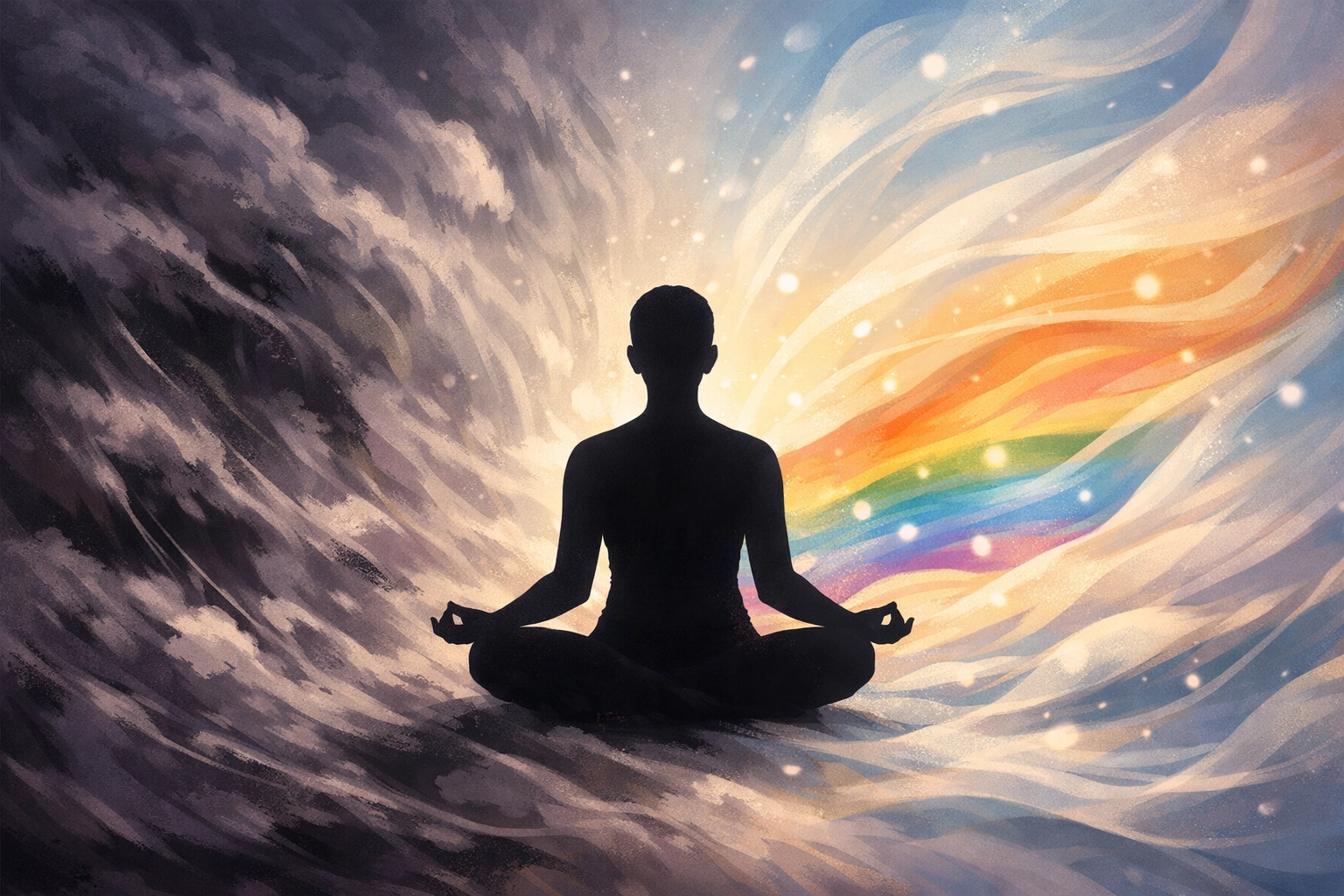
The LGBTQ+ Layer
Here's what makes this particularly complicated for our community: We've often been hypersexualized while simultaneously being shamed for our sexuality. We've been told we're too sexual, not sexual enough, doing it wrong, flaunting it, hiding it. That's a mindfuck, honestly. And for many LGBTQ+ folks, sex becomes tangled up with identity, self-worth, and belonging in ways that are hard to untangle.
Add to that the fact that many of us came out later in life, or spent years suppressing our authentic selves, and you've got a recipe for using sexual behavior as a way to reclaim something that was denied to us. That reclamation can tip into compulsion without us even realizing it's happening.
Breaking the Escapism Pattern
So how do you transition from constantly escaping to actually being present in your life? It starts with recognizing your triggers. What emotions or situations send you spiraling into compulsive behavior? Is it stress at work? Relationship conflict? The anniversary of a traumatic event? Loneliness on a Friday night?
Cognitive Behavioral Therapy (CBT) is your friend here. It helps you identify the thought distortions that justify the behavior, things like "I deserve this after the day I've had" or "Just one more time won't hurt." CBT teaches you to catch those thoughts, examine them, and replace them with healthier alternatives. It's not about willpower; it's about rewiring your brain's autopilot.
Psychodynamic therapy digs deeper, asking why you're using sexual behavior as an escape mechanism in the first place. What are the underlying wounds? For LGBTQ+ individuals, this often involves processing experiences of rejection, discrimination, or the internalized homophobia and transphobia we've absorbed from society.
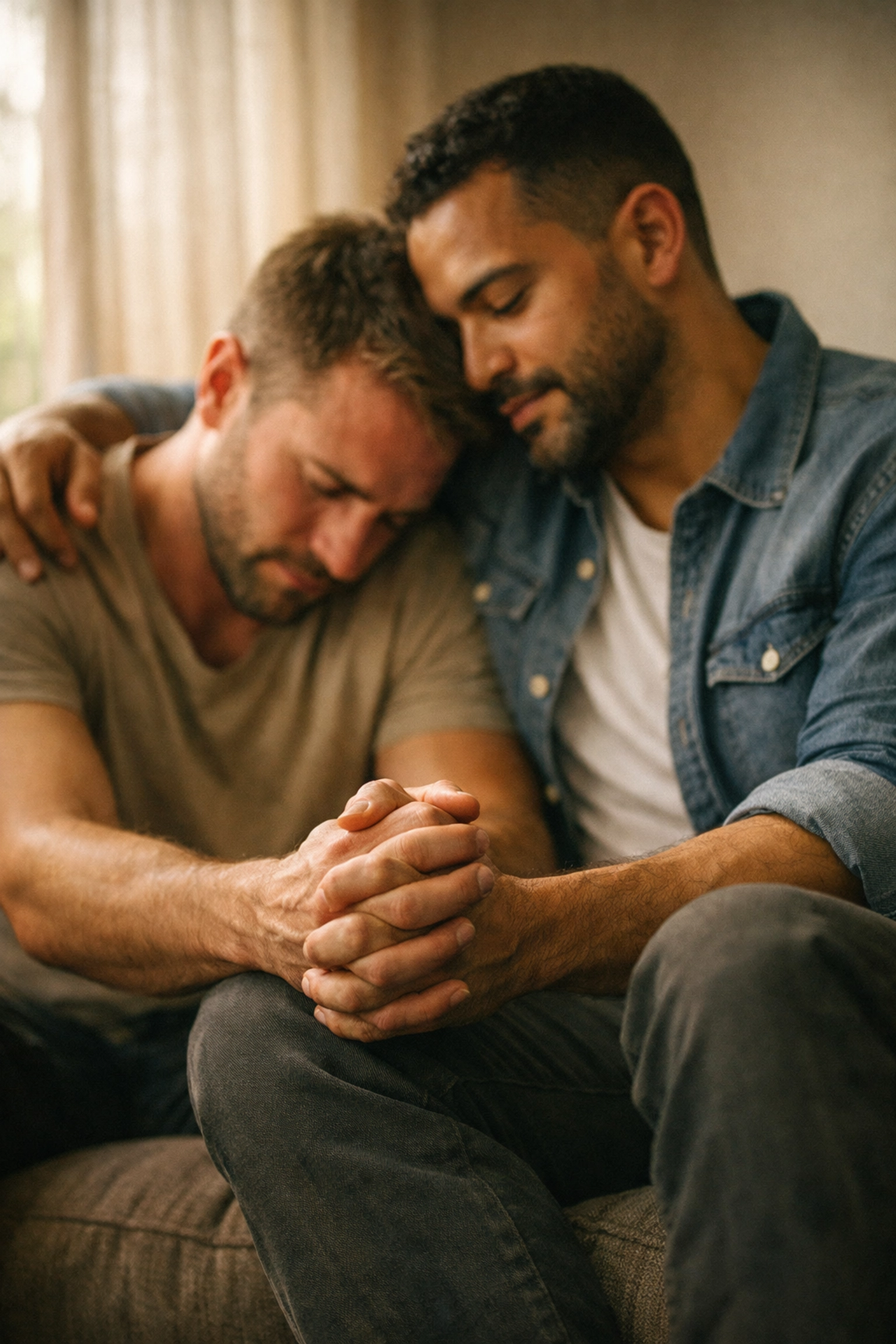
The Power of Presence
Mindfulness isn't just a buzzword, it's genuinely transformative when you're dealing with addiction. The practice of being present means observing your thoughts and urges without immediately acting on them. It creates space between impulse and action, and in that space, you have choice.
Start small. When an urge hits, try this: Notice it. Name it. ("I'm having the urge to act out.") Then breathe. Five deep breaths, focusing on the sensation of air moving in and out of your body. Notice where the urge lives in your body, is it tension in your chest? A buzzing in your head? Just observe it without judgment.
EMDR therapy can be especially helpful if trauma is driving your escapist behaviors. It helps process traumatic memories so they stop hijacking your present-moment responses. For many LGBTQ+ folks dealing with sexual addiction, there's often trauma underneath, whether it's childhood experiences, coming-out trauma, or experiences of assault or harassment.
Building a Life Worth Being Present For
Here's the real work: creating a life that you don't want to escape from. That means finding healthy ways to feel good, to connect, to process difficult emotions, and to experience pleasure.
Physical movement is massive. Exercise reduces stress, boosts your mood naturally, and helps you reconnect with your body in non-sexual ways. Whether it's hitting the gym, going for runs, dancing, or doing yoga, find something that makes you feel alive.
Creative outlets give you another way to process emotions and express yourself. Writing, painting, music, crafts, these activities can provide that same sense of flow and escape, but in ways that build you up instead of tearing you down.
Journaling helps you track patterns, process feelings, and work through situations before they become triggers. There's something powerful about getting thoughts out of your head and onto paper (or screen).

Stories as Healing
This is where Read with Pride comes in. Reading LGBTQ+ fiction, whether it's MM romance, gay contemporary novels, or queer fiction, can actually be part of your recovery toolkit. Here's why: Good stories help you feel connected without isolating yourself. They provide emotional experiences and help you process feelings through characters' journeys. They remind you that you're part of a larger community with shared experiences.
MM romance books and gay love stories can be particularly healing because they model healthy relationships, authentic connection, and genuine intimacy, not the quick-hit dopamine of compulsive behavior. They remind you what you're working toward: real connection, presence, and love that doesn't come with a crash afterward.
The Community Component
Recovery cannot happen in isolation. You need people. Whether that's a therapist, a support group like Sexual Addicts Anonymous, or trusted friends who know what you're dealing with, connection is non-negotiable.
For LGBTQ+ individuals, finding affirming support is crucial. You need people who understand both addiction recovery and the specific challenges of being queer in this world. Look for LGBTQ+-affirming therapists who specialize in sexual addiction. Find support groups that are explicitly welcoming. Connect with others in the community who are on similar journeys.
Accountability is part of this too. Having someone you can reach out to when an urge hits, someone who won't judge you but will talk you through the moment, can be the difference between acting out and making it through to the other side.
The Path Forward
Recovery from sexual addiction isn't about perfection. It's about progress. It's about slowly building a life where you're present more often than you're escaping. Where difficult emotions are something you can sit with rather than run from. Where connection is real rather than compulsive.
Some days will be harder than others. That's okay. What matters is that you keep showing up, keep doing the work, and keep reaching for presence instead of escape. The life on the other side, where you're fully yourself, connected, and free from the cycle, is absolutely worth it.
If you're struggling with sexual addiction, please reach out for help. Talk to a mental health professional who specializes in this area. You deserve support, healing, and the chance to live fully present in your own beautiful, queer life.
Find support and connection through stories at readwithpride.com. Follow us on Facebook, Instagram, and X for daily inspiration and community.
#ReadWithPride #LGBTQSupport #SexualAddictionRecovery #QueerMentalHealth #MMRomance #GayFiction #LGBTQBooks #PresentMoment #AddictionRecovery #QueerHealing #GayRomanceBooks #LGBTQFiction #MentalHealthMatters #QueerCommunity #SelfCare #MindfulnessJourney #LGBTQRecovery #AuthenticLiving

Leave a Reply
You must be logged in to post a comment.